Free Shipping on Orders Over $50

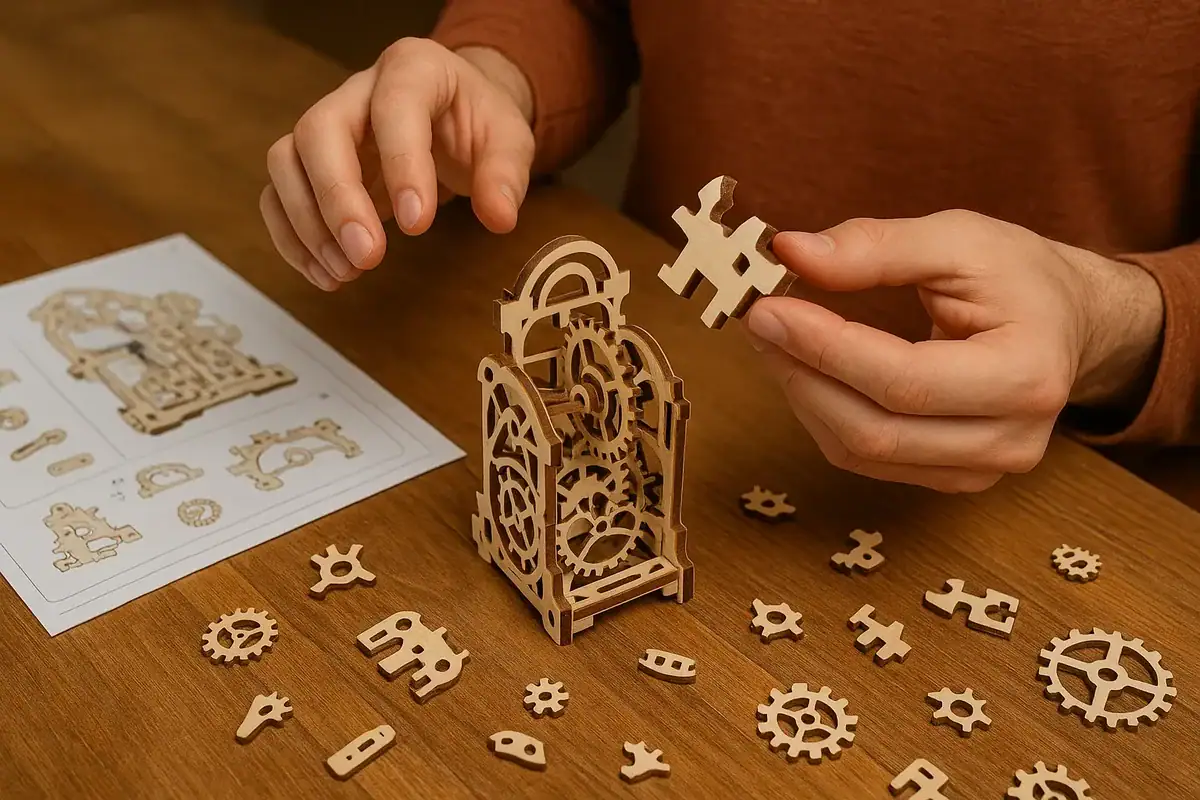
Making a 3D puzzle involves assembling pieces to bring a three-dimensional structure to life, whether it’s a monument, a vehicle, or a decorative object. The method requires patience, a bit of organization, and following simple steps. In this guide, you will discover how to choose the right model, prepare your workspace, progress effectively, and showcase your creation.
Contenus
afficher
What is a 3D puzzle?
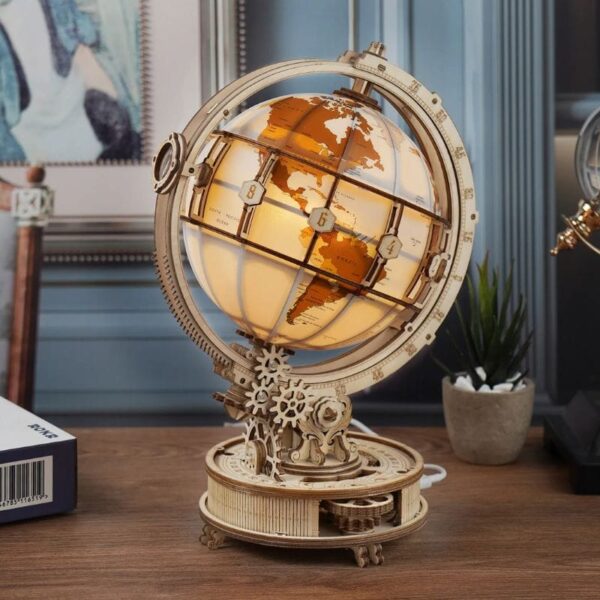
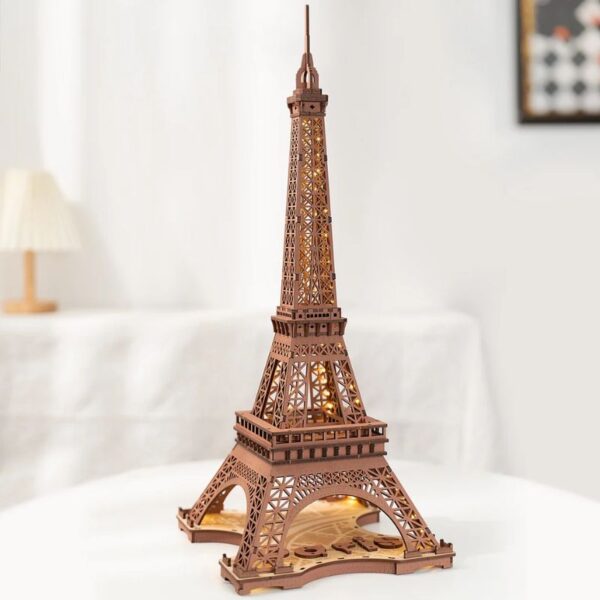
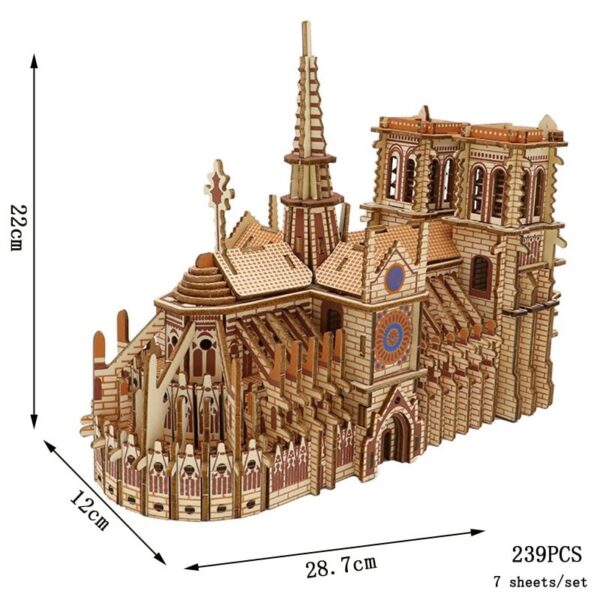
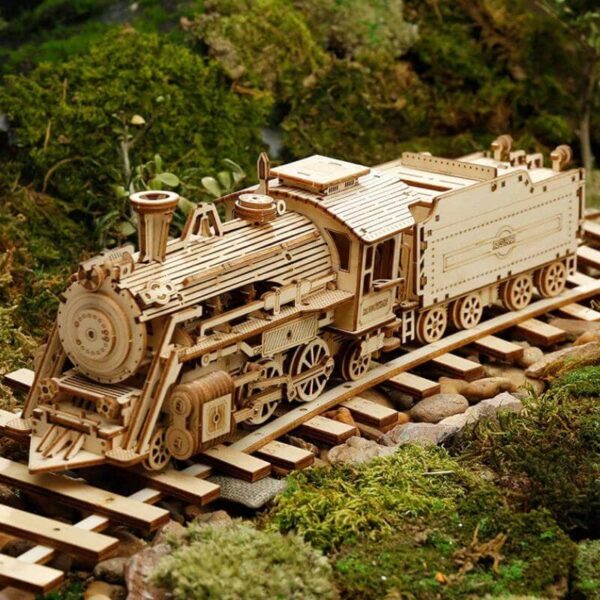
A 3D puzzle is an evolution of the classic puzzle that, instead of remaining flat, comes to life in three dimensions. The objective is no longer just to recreate an image but to build a true three-dimensional structure that can represent a monument, a vehicle, a collectible item, or a decorative scene. Each piece contributes to creating not just a surface but a tangible object that can be manipulated and displayed.
This type of puzzle offers an immersive and stimulating experience: it combines logic, observation, and manual skill. Unlike 2D puzzles that primarily rely on assembly by color or shape, the 3D puzzle also requires thinking in terms of space, stability, and symmetry. This is why it attracts both puzzle enthusiasts, modeling fans, and those looking for a unique decorative item.
The different types of 3D puzzles (cardboard, wood, plastic, metal)
Depending on the material used, the experience and final result can vary significantly:
- Cardboard puzzles: often the most accessible, they are light, affordable, and easy to handle. They are perfect for beginners and children due to their simplicity and safety. Their only drawback is a limited durability.
- Wooden puzzles: they offer a more noble and durable appearance. Wood provides an aesthetic finish and superior sturdiness. Some models even incorporate articulated mechanisms (gears, wheels) for an experience close to modeling. Their price is generally higher.
- Plastic puzzles: very common, they are durable, colorful, and often modular. Plastic allows for the design of complex and detailed shapes. It is an ideal choice for famous monuments or decorative items that you want to keep for a long time.
- Metal puzzles: designed for enthusiasts looking for technical challenges, they are characterized by finely detailed pieces and a spectacular final result. They require a higher level of patience and sometimes tools to bend or adjust elements correctly. These models are more suited for experienced adults.
In summary, the 3D puzzle is not just a game: it is a creative hobby that varies according to desires, from a simple family pastime to a complex project worthy of a collectible item.
Who are 3D puzzles for? (children, adults, enthusiasts)
3D puzzles are not reserved for one category of people: they can appeal to all profiles, from young children to experienced collectors. Their adaptability lies in the variety of models, from the simplest to the most technical.
- Children: puzzles specifically designed for them have few pieces (usually between 20 and 100), are of large size and easy to handle. The themes are playful and attractive (animals, vehicles, simple buildings). These puzzles promote fine motor skills, patience, and logic, while remaining accessible from around 6 years old. Some models include bright colors and rounded shapes for added safety.
- Adults: 3D puzzles for adults offer intermediate challenges, with a higher number of pieces and complex structures. They help develop concentration and thought while providing a relaxing hobby. These models range from famous monuments (Eiffel Tower, Colosseum) to detailed vehicles (airplanes, trains). They are perfect for those seeking both an intellectual and manual activity.
- Enthusiasts: for modeling lovers and those who enjoy technical challenges, there are highly advanced 3D puzzles, ranging from detailed large monuments to mechanical puzzles with functional gears. These puzzles are sometimes made of wood or metal and may include thousands of pieces. They cater to those who desire an immersive experience, close to a modeling project, and seek a final object worthy of a collectible item.
In short, every profile can find joy: from educational puzzles for the youngest to exceptional models for demanding enthusiasts.
How to choose the right 3D puzzle
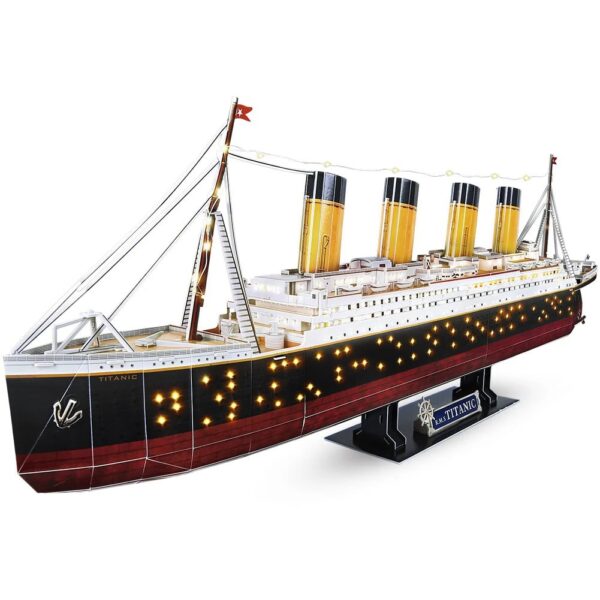
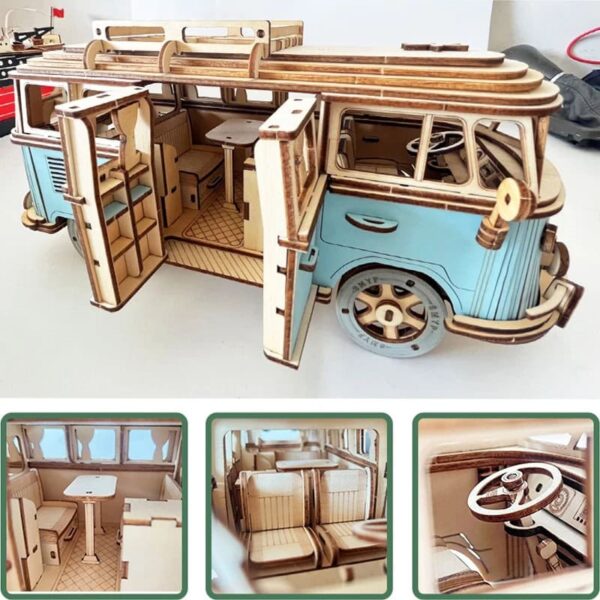
Select options
This product has multiple variants. The options may be chosen on the product page
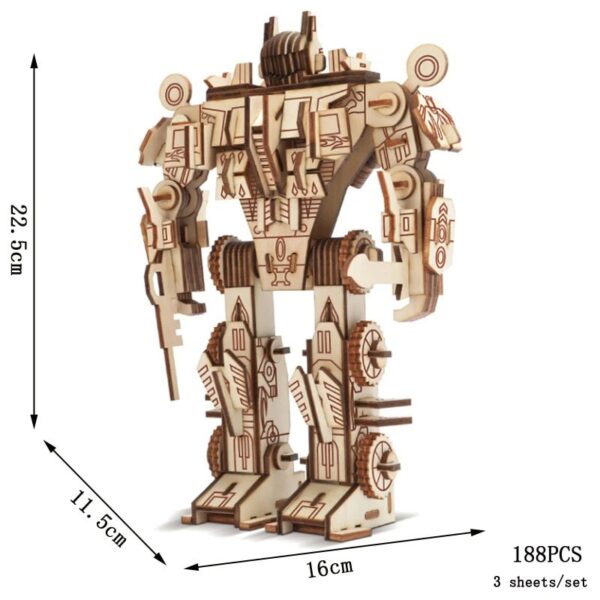
3D Mini Van Wooden Puzzle
$37.99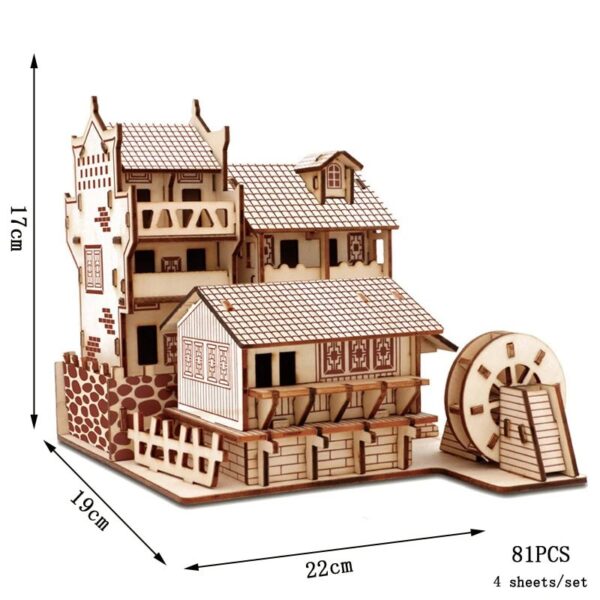
Selection criteria: difficulty, number of pieces, material
Before choosing a 3D puzzle, it’s essential to ask yourself a few key questions to avoid frustration and ensure a pleasant experience:
- How many pieces? A 100-piece puzzle will be ideal for a beginner or a child, while a model with 2000 to 3000 pieces will require hours (even days) of patience and diligence. The more pieces there are, the more the difficulties and duration increase.
- What material? Cardboard is light and affordable, but fragile; wood is solid and aesthetic, often preferred by enthusiasts; plastic offers durability and color; metal is reserved for experts seeking precision and a spectacular finish.
- Level of difficulty: manufacturers generally classify their puzzles into three categories – beginner (easy, few pieces), intermediate (average detail and complexity), and expert (large technical or mechanical models). Choosing an appropriate level is crucial for fully enjoying the experience.
A good choice, therefore, depends on the age, available time, and level of experience of the player. A child starting out will not have the same enjoyment with a 2000-piece puzzle as an adult enthusiast seeking a true technical challenge.
Popular themes: monuments, architecture, vehicles, animals
Among the most requested:
- Famous monuments: Eiffel Tower, Big Ben, Taj Mahal.
- Architecture: houses, castles, futuristic buildings.
- Vehicles: airplanes, boats, vintage cars.
- Animals: 3D puzzles designed for children.
Tips for beginners: where to start?
If you are discovering the world of 3D puzzles, it’s best to start with accessible models to learn the basics without getting discouraged. Here are a few recommendations to get started:
- Choose a small-size puzzle: focus on models with 50 to 150 pieces. They are quick to assemble and will help you become familiar with 3D logic.
- Opt for large and easy-to-handle pieces: this makes assembly easier, especially if you don’t have any experience yet.
- Select a simple theme: houses, animals, or basic vehicles are perfect for beginners. Avoid complex monuments like Saint Basil’s Cathedral or the Colosseum from the beginning.
- Read the instructions carefully: understanding the builder’s logic will save you time and prevent mistakes.
- Set short sessions for yourself: it’s better to work for 30 minutes a day than to try to finish everything at once. You will remain focused and motivated.
The goal is not to rush but to build confidence and develop your reflexes before moving on to more complex puzzles.
Preparing your workspace
The necessary equipment for success
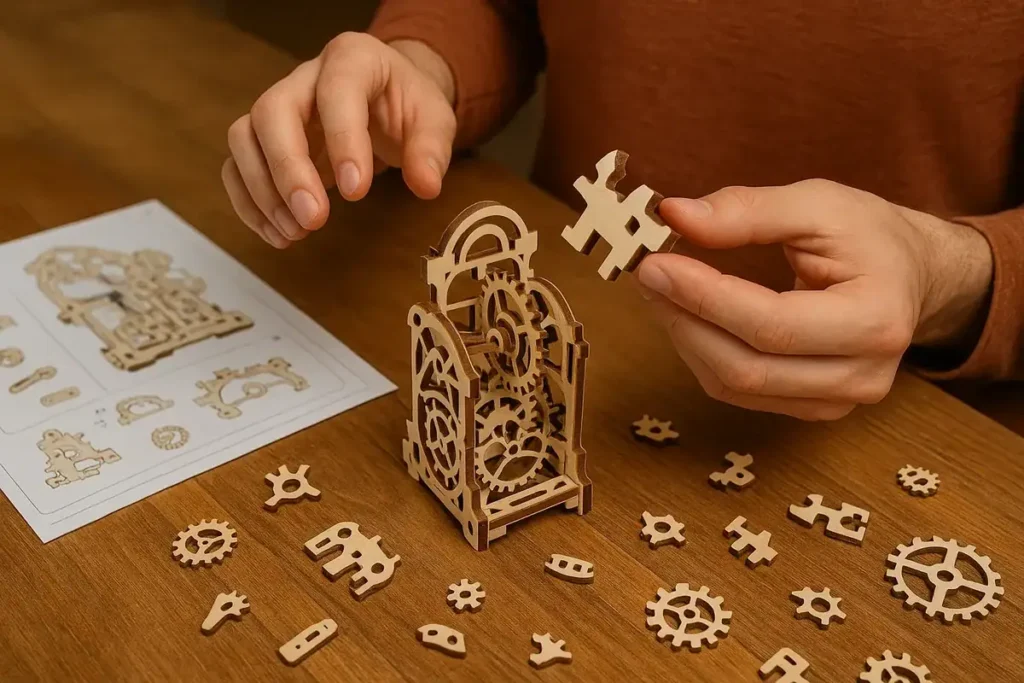
A good work environment is essential for effective progress. Here’s what you will need:
- A flat and clear workspace: a solid and stable table to prevent the puzzle from moving during assembly.
- Boxes, bins, or bags to sort and store the pieces for clear organization.
- Sufficient lighting: a desk lamp or well-oriented natural light to reduce eye strain.
- Optionally, a puzzle mat or board to easily move your project if necessary.
Organizing and sorting pieces before starting
Prior sorting will save you valuable time. Classify your pieces by:
- Shape: distinguish base pieces (foundations), specific elements (roofs, angles), and decorative pieces.
- Color or pattern: useful for quickly spotting sections that go together.
- Size: larger pieces often make up the main parts, while smaller ones serve for details.
Tip: take a photo of the sorting for a visual reference and to help you find your bearings if you need to interrupt the activity.
Tips to avoid losing pieces
Nothing is more frustrating than finishing a puzzle and finding a piece missing. To avoid this situation:
- Work in a defined space (tablecloth or tray) to contain the pieces.
- Store unused pieces in zippered bags or small separate boxes.
- Keep pets and young children away, who might knock over or swallow pieces.
- Always check the floor or the area around the table at the end of a session to ensure you haven’t misplaced anything.
With these precautions, you can proceed calmly without worrying about losing essential elements for your 3D puzzle’s success.
Steps to successfully complete a 3D puzzle
Read the instructions and understand the plan
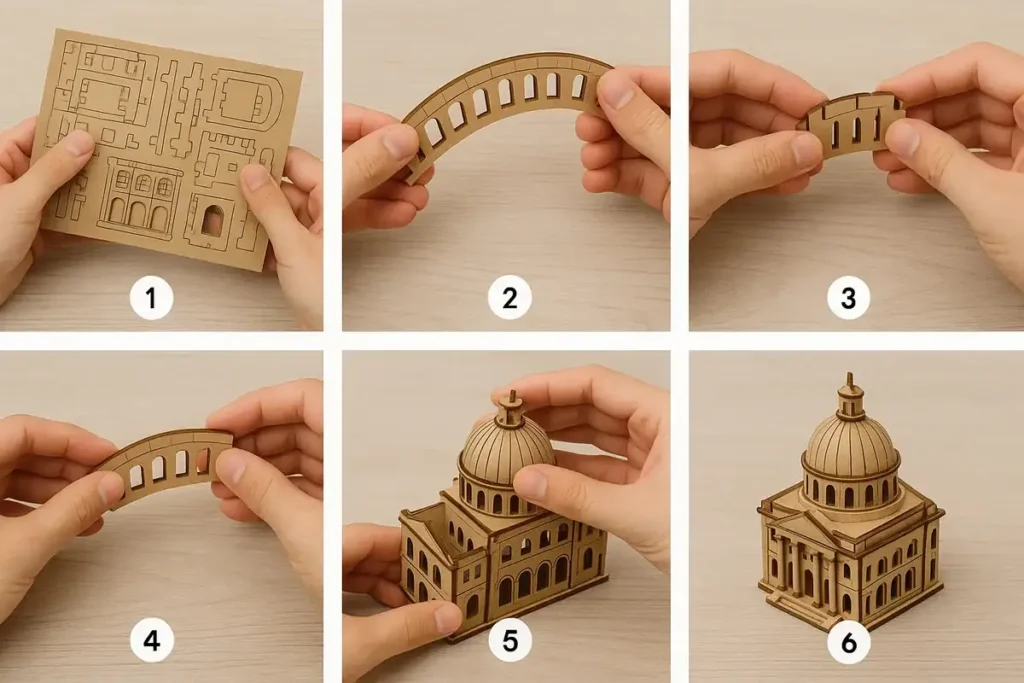
Before even assembling the first piece, take the time to carefully review the instructions. The diagrams provided by the manufacturer show the construction logic, specific pieces, and the order to follow. This step allows you to:
- Identify the key sections of the puzzle (foundations, central parts, decorations).
- Recognize numbered or coded pieces to save time.
- Anticipate technical difficulties and avoid mistakes that would require disassembly.
A 3D puzzle is not just a game of chance: following the instructions is a true winning strategy.
Assemble the solid bases first
Just like in real construction, a 3D puzzle should start with solid foundations. Whether it is the base of a monument, the frame of a vehicle, or the decorative base, these elements ensure the stability of the rest of the structure. A good base facilitates:
- The overall balance.
- The correct fitting of the upper pieces.
- A reduction in mistakes during assembly.
Progress step by step: from simple to complex
Do not attempt to assemble the complicated details directly. Advance in a progressive manner:
- Start with the simple and large parts.
- Continue with intermediate elements (walls, columns, secondary structures).
- Finish with the complex details (ornaments, small pieces, final adjustments).
This method helps maintain a constant motivation while limiting mistakes and discouragement.
Managing difficult or similar pieces
Some puzzles contain pieces that are very similar in color or shape. To avoid confusion:
- Group similar pieces in the same bag or box.
- Carefully compare the details: a slight variation in curvature or size can make the difference.
- Test without forcing: if a piece doesn’t fit easily, it’s probably the wrong one.
- Use the instructions as a visual reference to check your choices.
A 3D puzzle relies on precision: patience is your best ally.
Comparison Table: 2D Puzzle vs 3D Puzzle
| Characteristic | 2D Puzzle | 3D Puzzle |
|---|---|---|
| Dimension | Flat, single plane | Volume, three-dimensional |
| Difficulty | Varies, progression by color and shape | More technical, requires spatial reasoning |
| Audience | Children, adults, families | Adults, enthusiasts, supervised children |
| Use | Leisure, relaxation, educational activity | Decoration, collection, intellectual challenge |
| Durability | Fragile, not well suited for display | Can become a lasting decorative piece |
| Average Time | From a few minutes to several hours | Often several hours, even days |
Practical cases and expert advice
How to assist a child in completing a 3D puzzle
3D puzzles are an excellent educational tool for children, provided the difficulty and approach are adapted. The main goal remains the pleasure of building, not performance. Here are some tips:
- Choose a model suitable for their age: few pieces, playful themes (animals, vehicles, colorful houses).
- Encourage sorting the pieces: show them how to classify by color or shape, but let them manipulate for independence.
- Explain step by step: guide them on the foundations and visible parts, then let them assemble the simple sections.
- Celebrate their progress: praise each successful step, even if it seems minor. This motivates and boosts their confidence.
Tip: turn the activity into a family bonding moment by building together.
Techniques for complex models (monuments, mechanical)
For enthusiasts, advanced 3D puzzles represent a real challenge. Here are the methods used by experts:
- Work in subsections: divide the monument or mechanism into distinct blocks (for example, the base, walls, then the roof).
- Fix the blocks progressively: assemble each section separately, then connect them like independent modules.
- Use visual cues: colors, numbers, symbols engraved on the pieces facilitate identification.
- Patience and method: some very similar pieces may require several attempts, hence the importance of never forcing.
In the case of mechanical puzzles (gears, wheels, articulated mechanisms), strictly follow the indicated order, as a misplaced piece can block the entire system.
Tips to maintain motivation and finish your puzzle
A 3D puzzle can sometimes take several days or even weeks. To avoid leaving it unfinished:
- Set short but regular sessions: 20 minutes daily is better than 3 hours in a row that can be tiring.
- Break the project into clear steps: foundations, walls, details… Celebrate each finished part.
- Alternate between easy and difficult sections to maintain a sense of progress and avoid fatigue.
- Display your progress: keep the puzzle visible in your living space to encourage continuation.
The secret is to see each step as a small victory leading to the final construction.
Mistakes to avoid with a 3D puzzle
Starting with too complex a model from the beginning
A puzzle with 2000 to 3000 pieces may seem tempting, but it is often discouraging for a beginner. Progress gradually: start with simple models before tackling monuments or mechanical puzzles.
Forcing pieces at the risk of damaging them
In a 3D puzzle, each piece has its exact place. If a piece doesn’t fit naturally, it probably isn’t in the right spot. Forcing risks bending or breaking the material, compromising the final result.
Not following the order or ignoring the instructions
The instructions are not suggestions but true assembly plans. Ignoring them risks inconsistencies or even requiring disassembly of a large part of the puzzle to correct the mistake.
In summary: the success of a 3D puzzle relies on three golden rules — patience, method, and organization. Ignoring them can turn a pleasant moment into a frustrating experience.
FAQ: Frequently Asked Questions about 3D puzzles
How long does it take to complete a 3D puzzle?
Depending on the size, this can take anywhere from a few hours to several days. It all depends on your experience and the number of pieces.
Can a 3D puzzle be done multiple times?
Yes, if it’s made of plastic or wood. However, cardboard models wear out faster.
Are there 3D puzzles suitable for young children?
Yes, some models with 20 to 50 pieces are designed for little ones, with large and colorful pieces.
Is glue needed to successfully complete a 3D puzzle?
No, most hold together without glue. But for long-term preservation, it is recommended.
Conclusion
Completing a 3D puzzle is about mixing logic, patience, and creativity. With the right model choice, an organized method, and a few expert tips, anyone can succeed and enjoy a unique three-dimensional creation. Whether it’s for a moment of relaxation, a unique decoration, or a personal challenge, the 3D puzzle is an activity that excites people of all ages. So, are you ready to assemble your first masterpiece?