Free Shipping on Orders Over $50
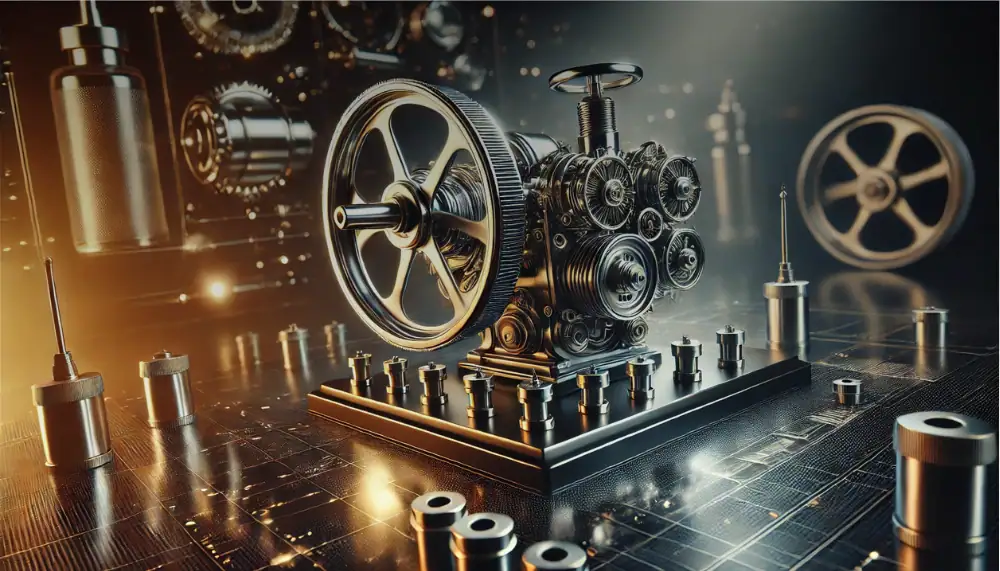
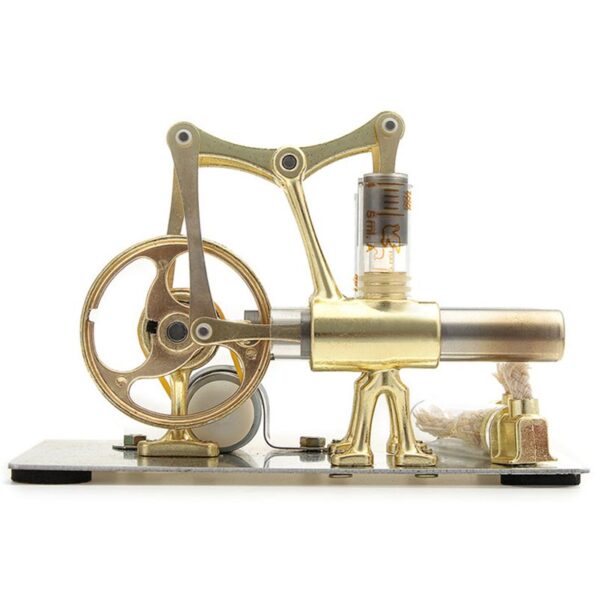
Stirling Engine
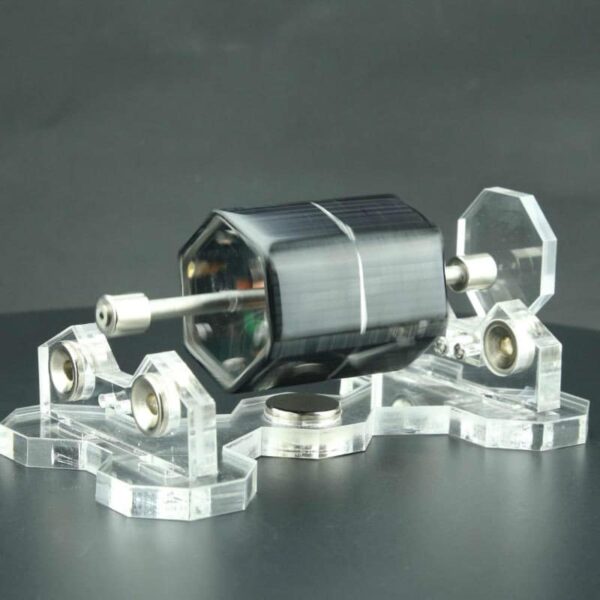
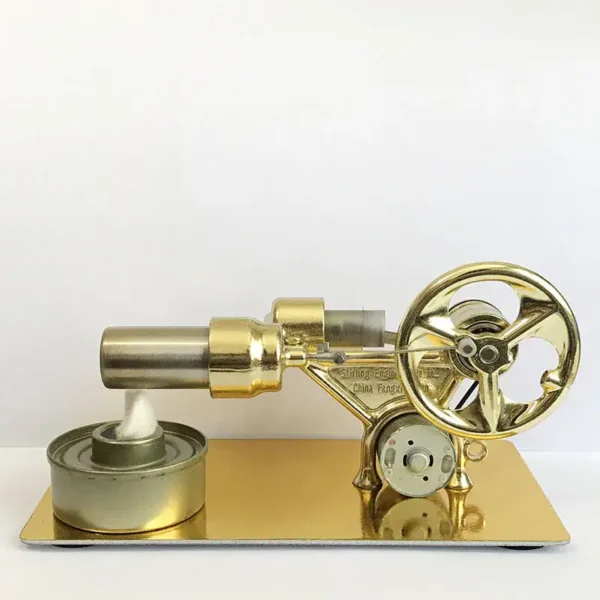
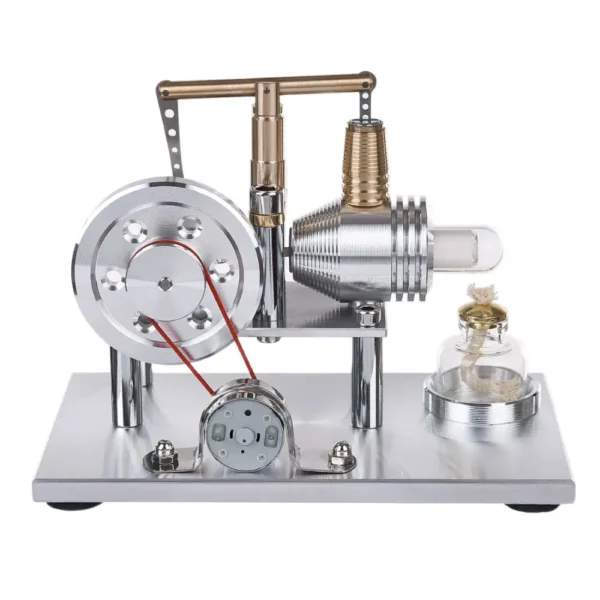
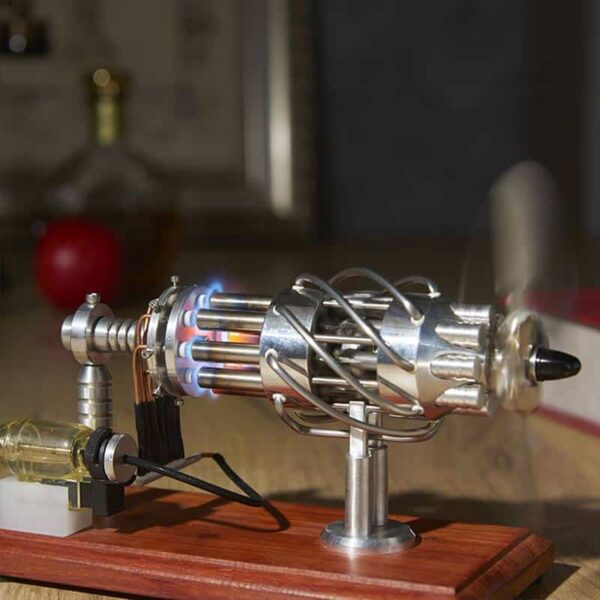
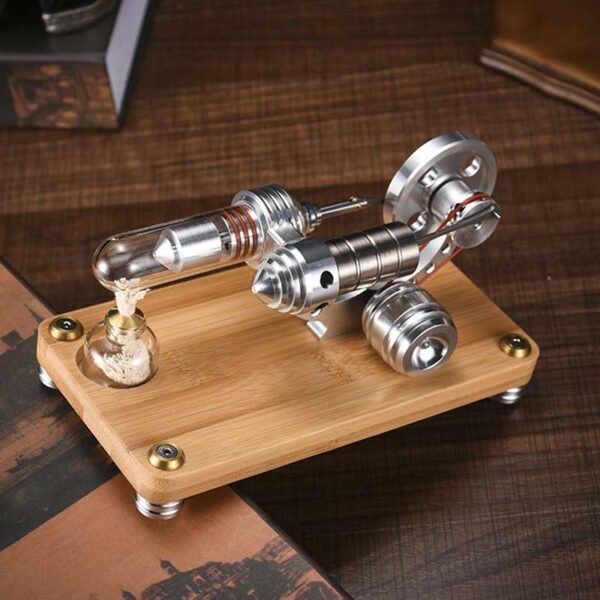
Select options
This product has multiple variants. The options may be chosen on the product page
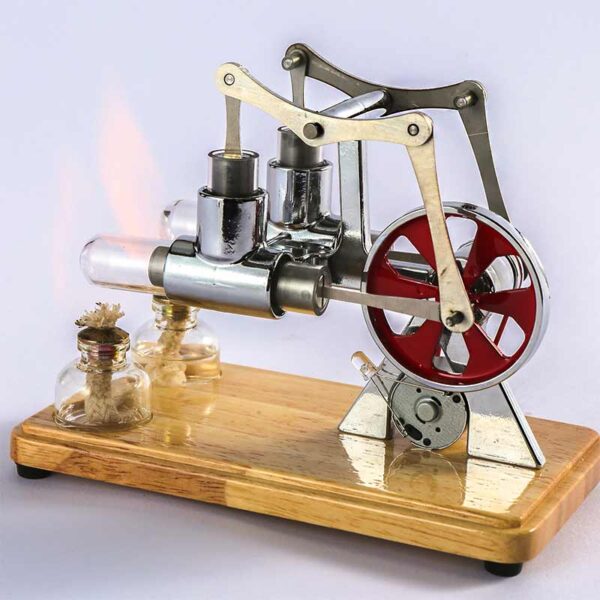
Stirling Engine Wood
$91.99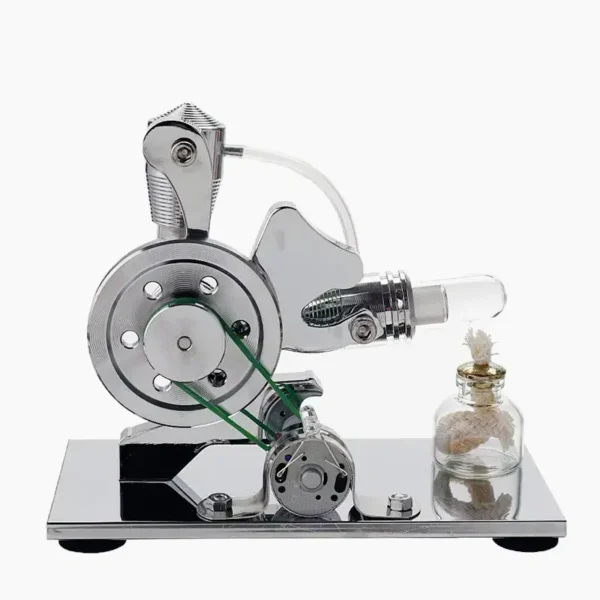
100W Stirling Engine
$193.99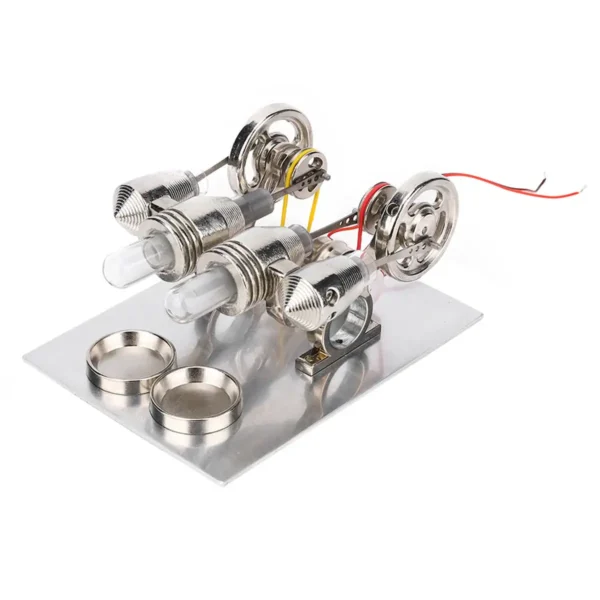
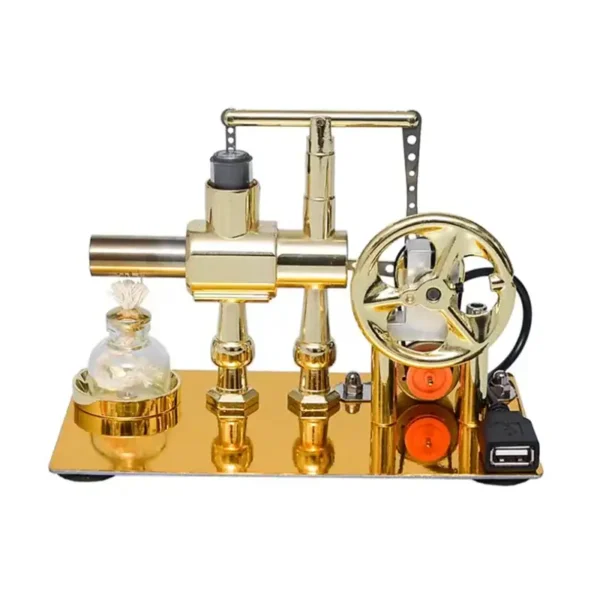
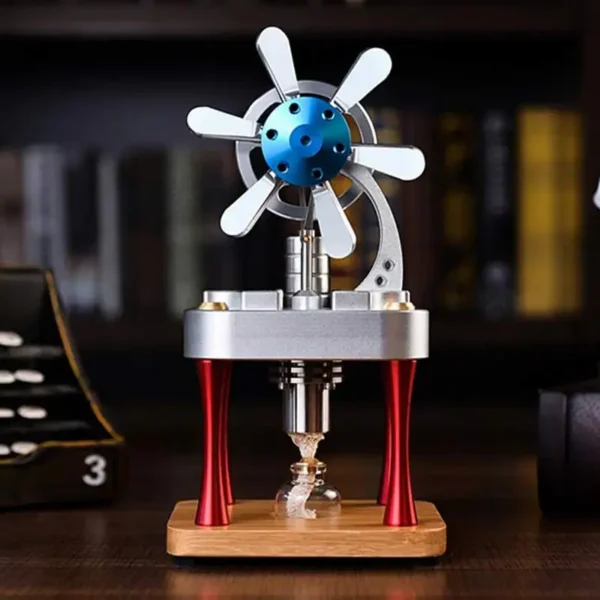
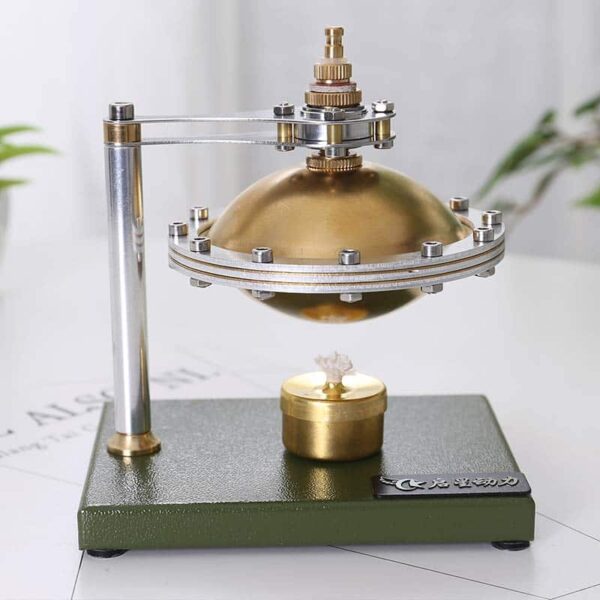
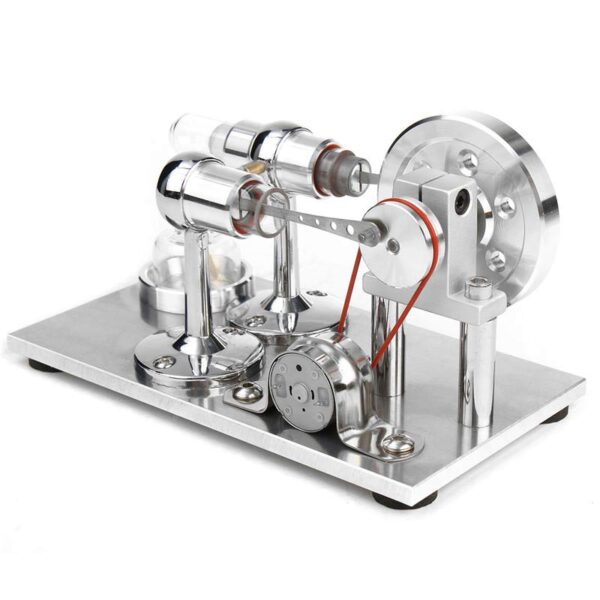
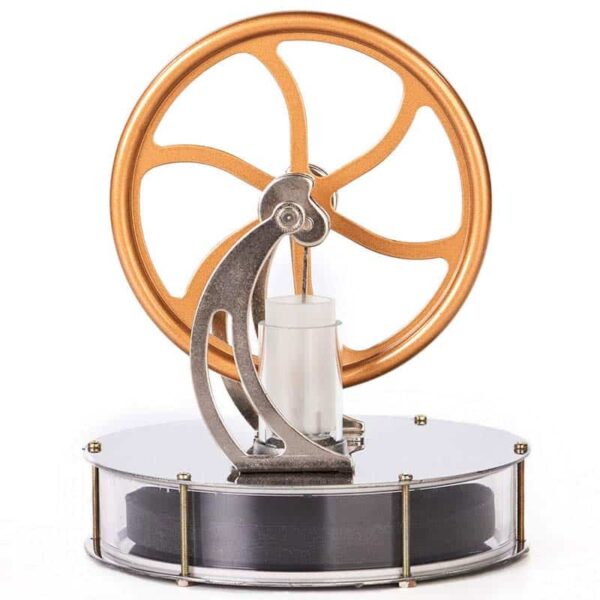
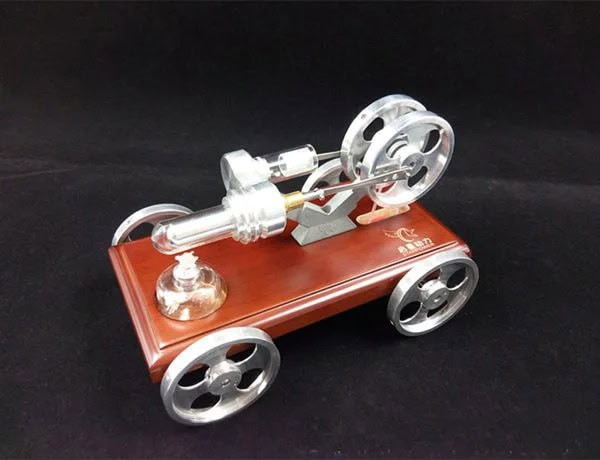
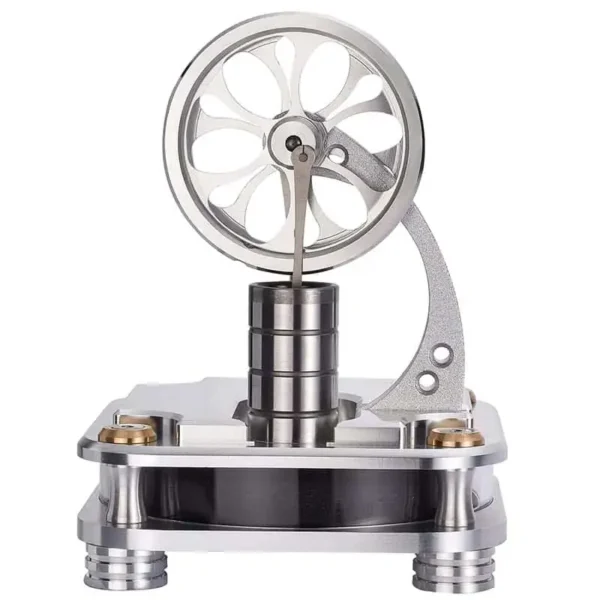
Steam Stirling Engine
$148.99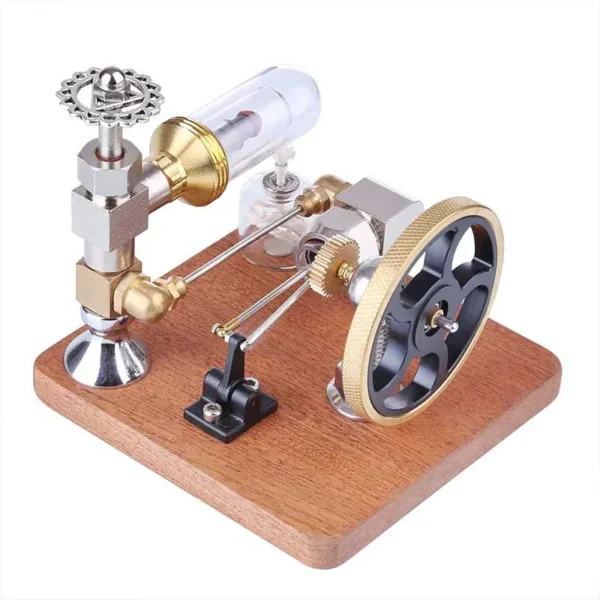
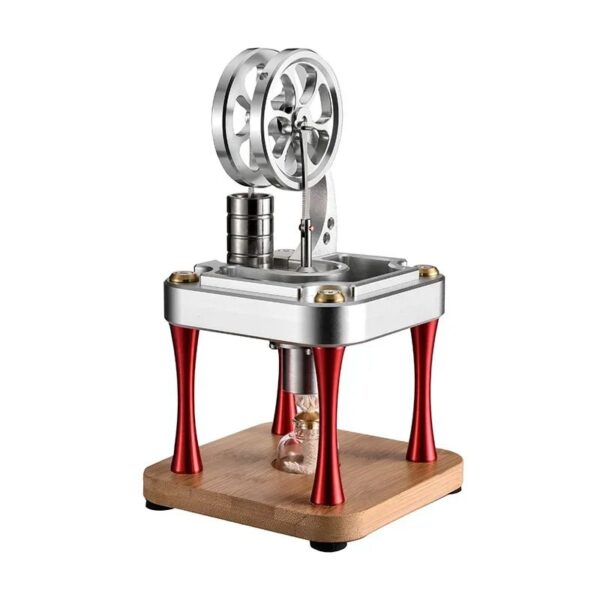
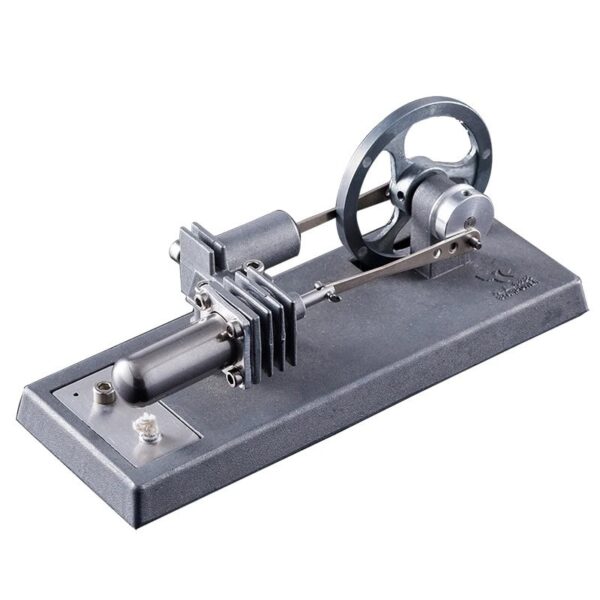
The Stirling engine has something that other “engines” don’t: it helps you understand thermodynamics while watching it operate. There’s no need for internal combustion, exhaust, or injection: everything here relies on a temperature difference between a hot source and a cold source. The result is fascinating: a piston begins to move, the crankshaft turns, and you get real mechanical energy from thermal energy. In this category, you will find compact models to start with, low/high-temperature versions, more powerful engines (up to 100W), 4-cylinder configurations, propeller or “airplane” variants, and even generator models to produce electrical energy.
Stirling Engine: Understanding a Thermal Engine… Without Fuel or Smoke
The Principle (Simply Explained, Without Boring Lessons)
A Stirling engine is a external combustion engine: heat comes from an external source, and a working fluid (often air) is alternately heated and cooled. This variation creates compression and then expansion, and it is this thermodynamic cycle that makes the pistons move. You see the “living” mechanics: connecting rods, crank, alternating movements turning into rotational movement.
What makes the Stirling so educational is precisely this contrast: we often talk about diesel, gasoline, or “internal combustion” engines, but here you observe a different family of thermal engines, quieter, very visual, and perfect for understanding the link between heat and mechanical work.
What You Can Do with the Different Models in the Category
Depending on your desire, you can either “observe and understand” or go further towards performance or electricity production.
To Start, a small Stirling engine or an original model allows you to see the operation of the hot air engine immediately: you set it up, heat it, and it turns.
For the “wow” effect, propeller or airplane versions add a dimension of propulsion, very visually satisfying.
To Learn by Building, the DIY kit is perfect: you gain a better understanding of the role of the cylinder, the working piston, friction, and inertia.
To Go Further, the “100W”, industrial or high-temperature models are designed for those who want something more serious (and often more impressive).
And if you want to connect science to something concrete, the electric generator / “Stirling electricity” versions are a really cool gateway to energy production.
How to Choose the Right Stirling Engine (For Real)
You don’t need to know all types of engines. Instead, ask yourself these questions:
1) Do you want an easy demo or a real project?
For a simple demo, aim for a ready-to-use model (low temperature, small, original). For a project, the DIY kit or a more powerful model is more satisfying.
2) What heat source do you have?
Some engines start with gentle heat (low-temperature version), while others require a more pronounced hot source (high temperature). The solar version is ideal if you want a “clean” and original setup.
3) Do you just want to watch it turn… or produce?
If your goal is to obtain electrical energy, choose a model with an integrated alternator/generator. If it’s primarily about the visual experience, the propeller or decorative versions do the job very well.
Gift Idea: 3 Profiles, 3 Choices That Delight
🎁 14-year-old Curious One (Science + Manipulation)
A low-temperature Stirling engine or a small model: easy start, quick understanding, “it spins by itself” effect.
🎁 Mechanical Fan (Pistons, Cylinders, Crankshaft)
A more demonstrative model like the hot air Stirling engine or a well-visible original version, or even a 4-cylinder if you want to make a strong impression.
🎁 Energy Enthusiast (Generator, Efficiency, Conversion)
A Stirling electric generator engine: you move from a “nice object” to a real discussion about engine efficiency, heat exchangers, heat input, and conversion to electricity.
Comparison Table: Choose in 30 Seconds
| Type | Starting | What You Learn | Ideal For | Level |
|---|---|---|---|---|
| Low Temperature | Easier | Cycle, temperature difference, inertia | Discovery, gift for teens | Beginner |
| Small / Original | Simple | Operation of the engine, piston, crank | Office, quick demo | Beginner |
| DIY | Progressive | Assembly, friction, adjustments, mechanics | Learning by building | Intermediate |
| Electric Generator | Variable | Thermal energy → electrical energy | Energy enthusiasts | Intermediate |
| Powerful / 100W / Industrial | More demanding | Mechanical work, efficiency, robustness | Big gift, workshop | Intermediate → Enthusiast |
FAQ
Is a Stirling engine an internal combustion engine?
No: it’s not an internal combustion engine like a diesel or gasoline engine. The Stirling is an external combustion engine (or even without combustion depending on the heat source): it converts a temperature difference into motion through a thermodynamic cycle.
Why do some models start easily and others don’t?
It all depends on the temperature difference, friction, sealing, and adjustments. A low-temperature model is designed to run with less heat, while a high-temperature engine aims for more power but requires a stronger hot source.
Can it really produce electricity?
Yes, on versions equipped with a generator / alternator. It remains within a demonstrative logic, but it’s excellent for understanding how thermal energy can be transformed into electrical energy.
Which model to choose for a “wow” gift?
The propeller, “airplane” versions, or more powerful engines (like 100W / industrial) have an immediate effect. If you want a more accessible gift, an original or low-temperature model is perfect.
Are there any usage precautions?
Yes, simply: some models use a heat source (hot surface). Handle on a stable surface, avoid touching heated areas, and supervise younger users during their first uses.