Free Shipping on Orders Over $50

Brainteaser Puzzles
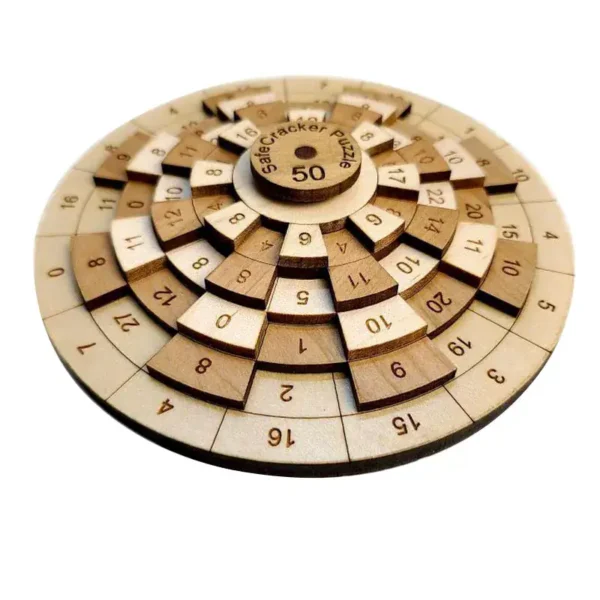
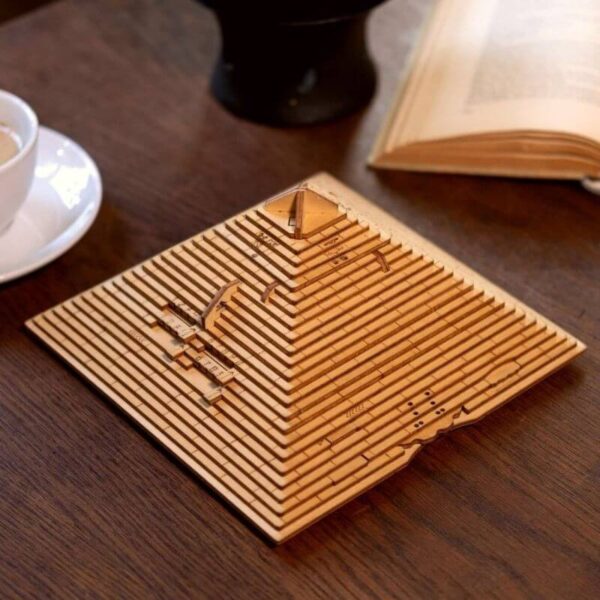
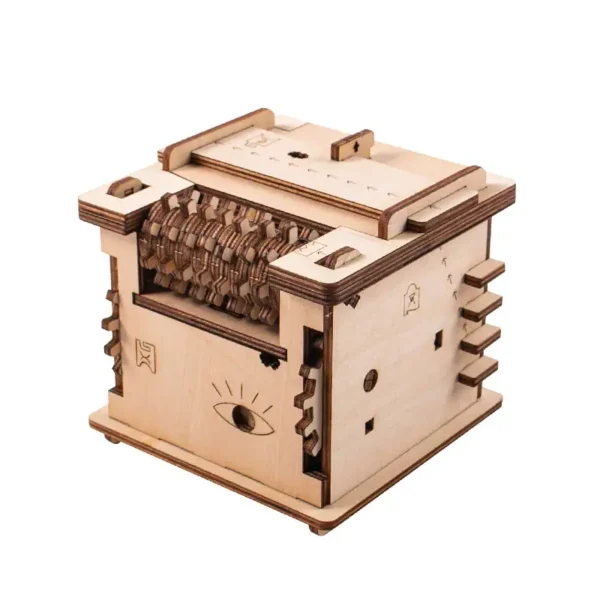
Brainteaser Puzzles: The Joy of Stretching Your Mind
A good brainteaser puzzle is that moment when you think you’ve figured it out… then a simple piece throws everything into question. In this selection, you’ll find logic puzzles, mechanical enigmas, deduction challenges, and even “escape” formats to solve at home. Whether you’re looking for a small challenge for a coffee break, a gift set to give, or a more “adult” puzzle to occupy an evening, the idea remains the same: make you think, manipulate, test, retry, and then savor the click.
Why Is It So Satisfying?
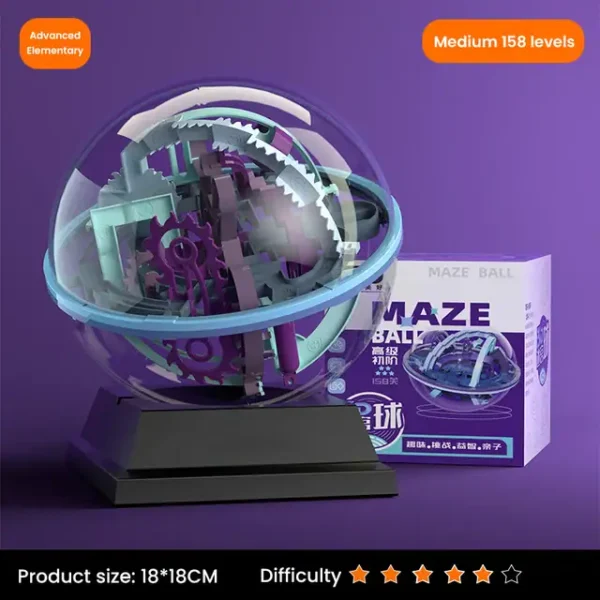
Unlike a traditional board game with a game board and pieces, here you often play solo (or with another in cooperative mode) facing a concrete problem. The brain games in this category mainly engage logic, patience, spatial visualization, and sometimes fine motor skills: turning a ring, aligning a shape, guiding a marble through a maze, or understanding a mechanism that “sticks.” The result: you quickly immerse yourself, and you feel a real sense of progress with difficulty levels that can range from “small challenge” to an unsolvable puzzle.
What Type of Puzzle for What Purpose?
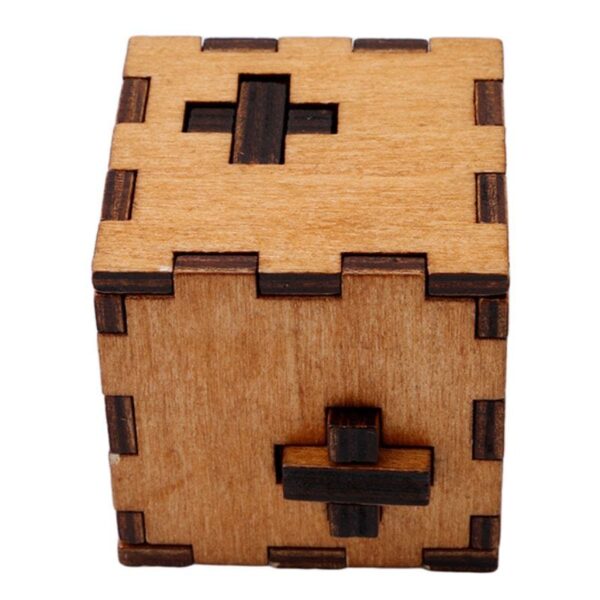
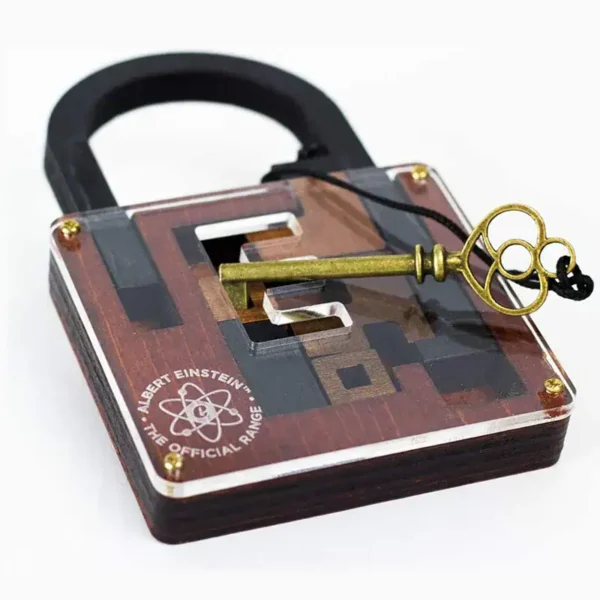
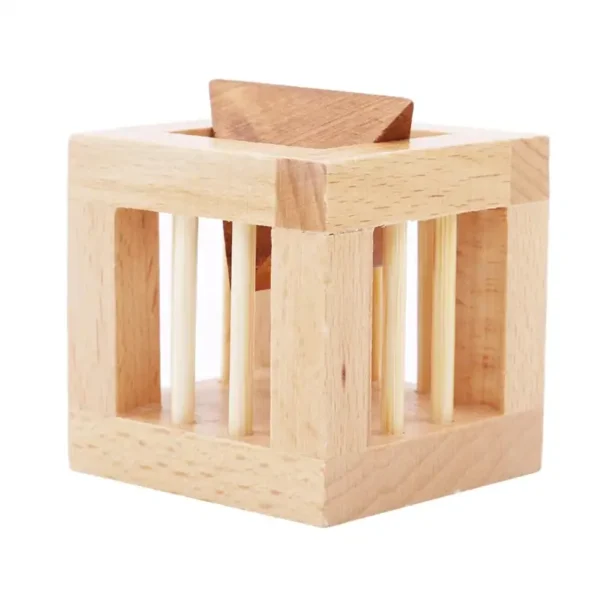
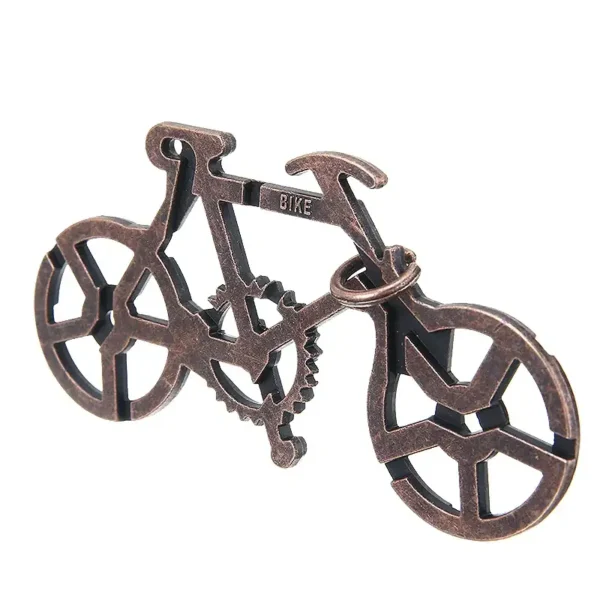
For a quick challenge: a mini puzzle (like the bicycle model) or a small format such as square, triangle, cube, or padlock. It’s ideal for breaks, commuting, or practicing patience games.
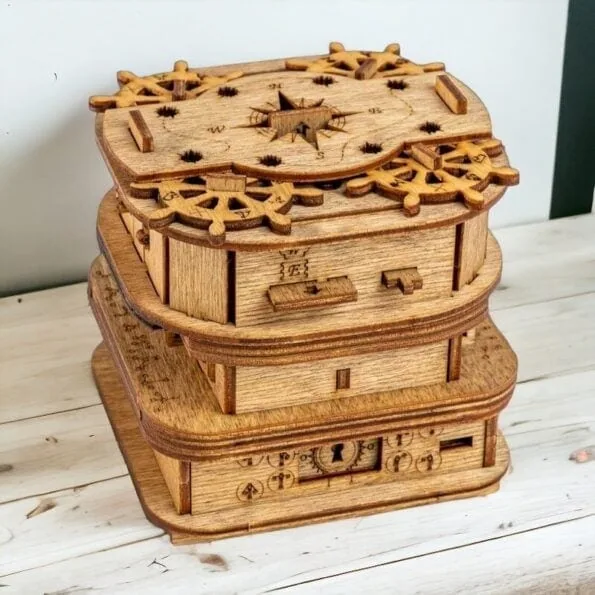
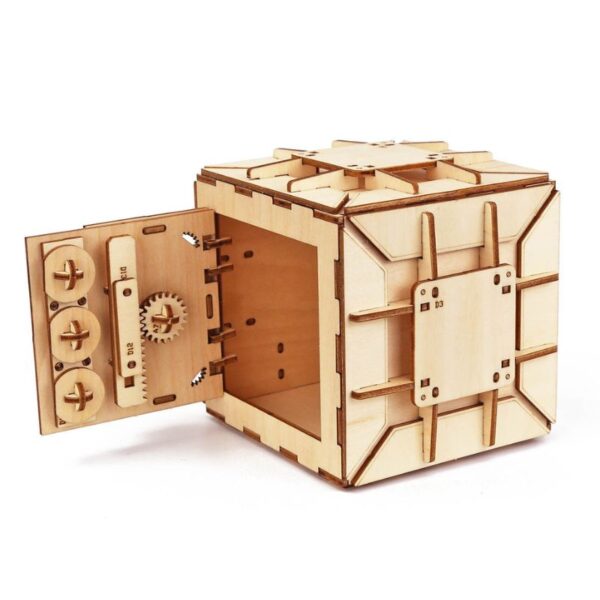
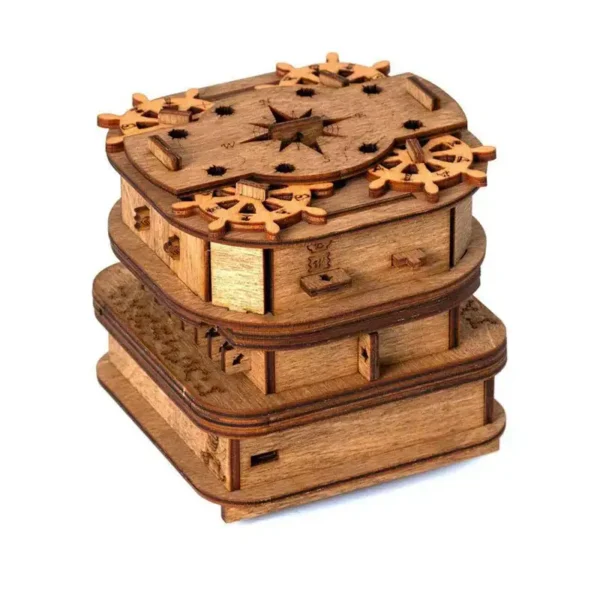
For a long experience: escape game formats (mini escape games or more complete versions) and the “vault” puzzle require more deduction and method. Perfect for an evening alone or in pairs.
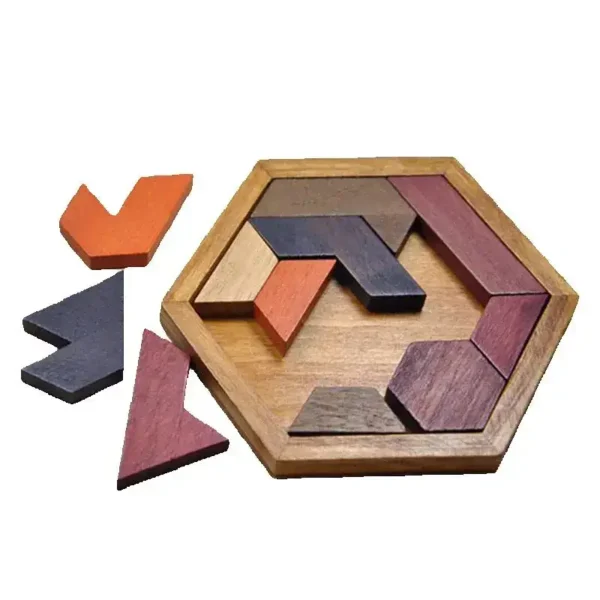
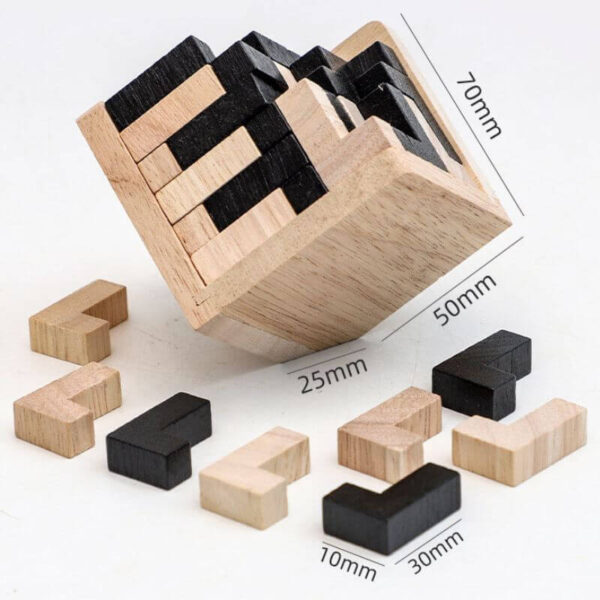
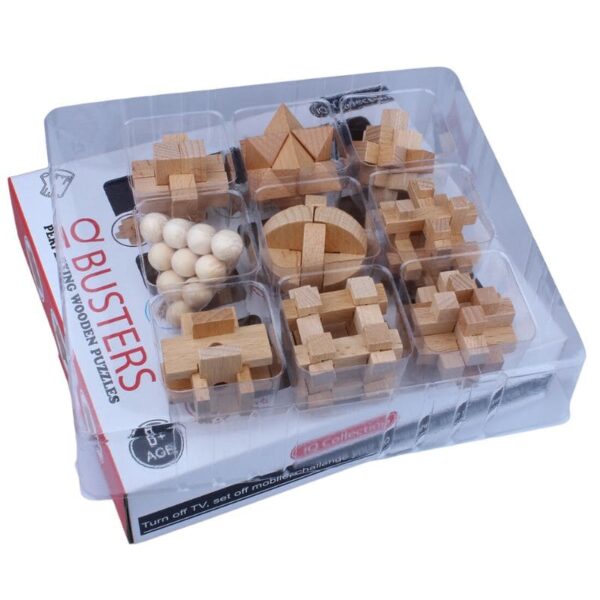
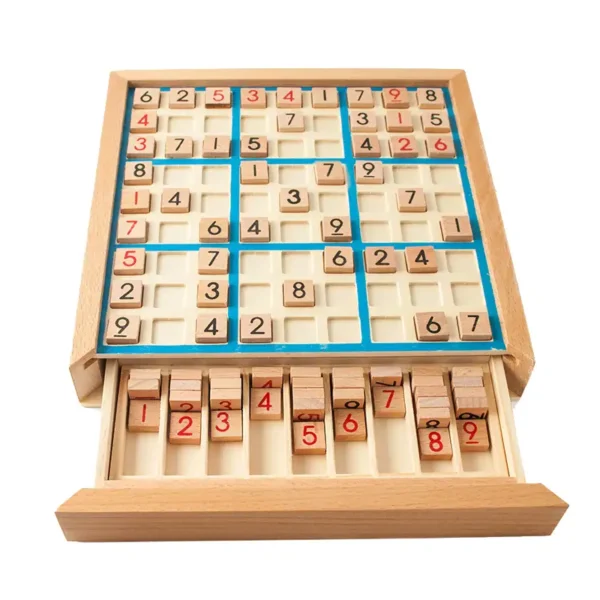
For tactile pleasure: wooden tangram, wooden sudoku, or a wooden puzzle set (with multiple pieces). You manipulate, assemble, redo: it’s very “workshop,” and often more accessible to share with family.
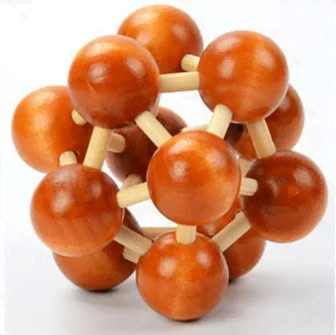
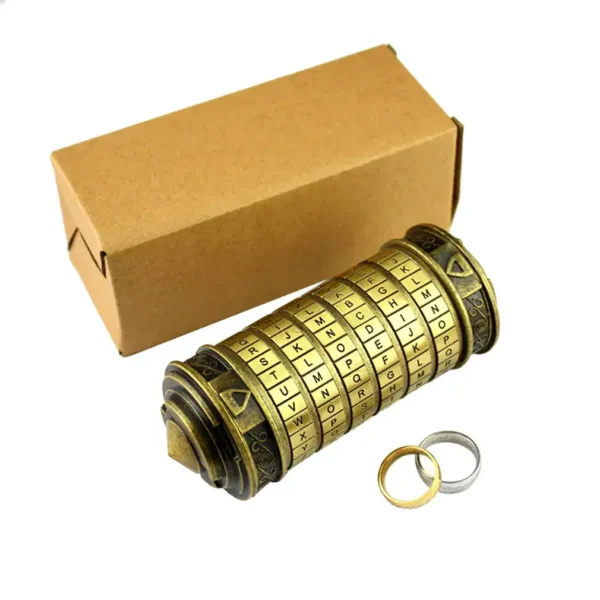
For an intriguing object: the cryptex is both a puzzle and a beautiful object, handy for hiding a small message or turning a gift into a riddle. The “atom” models or Schrödinger’s riddle also play on the original and decorative aspect.
Choosing Wisely: The Criteria That Really Matter
- The type of challenge: pure logic, geometric, mechanical manipulation, or labyrinth with marbles.
- The level of difficulty: beginner to start, then more “adult puzzles” if you enjoy being stuck before succeeding.
- The material: wooden toys for warmth, metal for the “mechanism” feel and precision.
- The available time: 5 minutes between tasks, or a real puzzle of the day that spans out.
- The format: unique piece, puzzle game in a set, or “scenario-based” object like an escape room.
Comparison Table to Decide in 30 Seconds
| Type | For Whom? | Typical Duration | Difficulty | What You Do |
|---|---|---|---|---|
| Cryptex | Gift, office, riddle fans | 10 to 30 min | Medium | Understand a code, manipulate a mechanism |
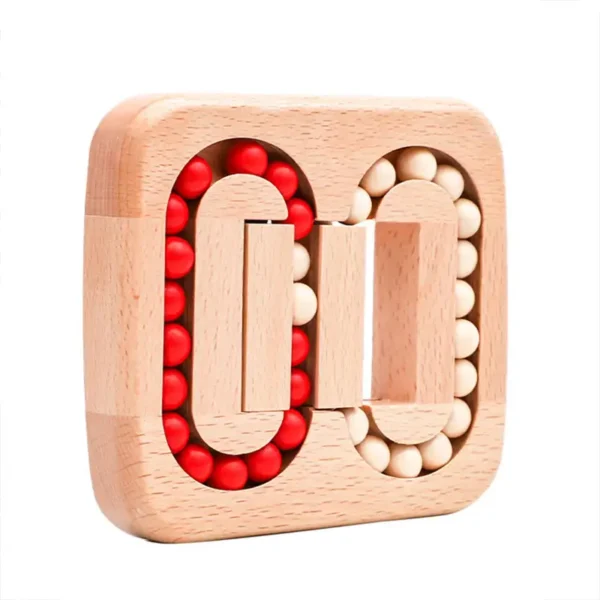
| 3D Maze Ball | Curious, teens, active relaxation | 5 to 20 min | Progressive | Guide a marble through a maze |
| Wooden Tangram / Sudoku | Family, geometric minds | 10 to 40 min | Variable | Assemble, optimize, solve through logic |
| Escape Game / Vault | Adults, pairs, evening | 45 to 120 min | High | Solve riddles, advance through deduction |
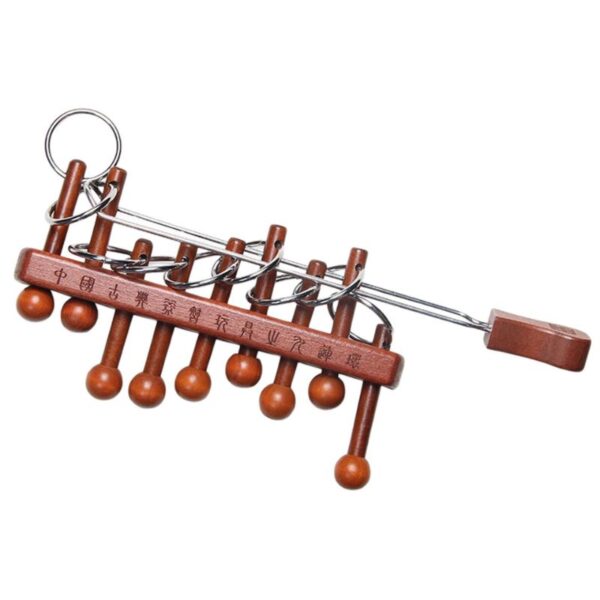
| Padlock / Chinese Puzzle | Mechanical puzzle enthusiasts | 5 to 25 min | Medium to high | Unlock, separate pieces, understand the “trick” |
FAQ
Which puzzle should I choose if I’m a beginner?
Start with a simple yet rewarding format: wooden tangram, wooden sudoku, or a cube puzzle. You learn the right reflexes without getting stuck for too long, all while maintaining the “click” effect.
Can escape game models be done alone?
Yes, but they are also great for two: you exchange hypotheses, share deductions, and progress faster. If you enjoy immersion, choose the “adult” versions or vault-type.
Cryptex: is it more of a puzzle or a gift object?
Both. It’s a mechanical puzzle that entertains, and an original object for slipping in a small message. If you are looking for a gift set that stands out from the ordinary, it’s an excellent choice.
Wood or metal: what really changes?
Wood gives a softer feel and “educational game” vibe, often enjoyable to manipulate for a long time. Metal adds a more mechanical aspect, with precise adjustments and a more “adult puzzle” impression.
How can I avoid getting bored if I get stuck?
Alternate: a short puzzle (square, triangle, mini bike) between attempts on a harder challenge. And let it rest: for logic games, a 10-minute break often unlocks the solution.