Science Gifts: The Idea That Sparks Genuine Curiosity
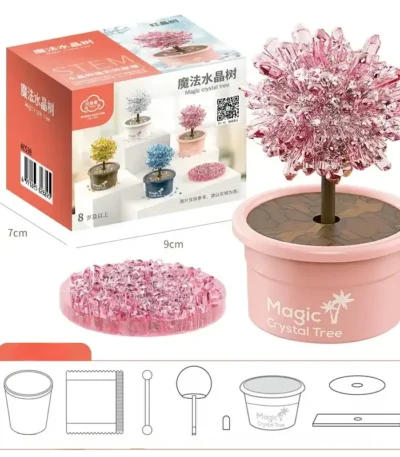
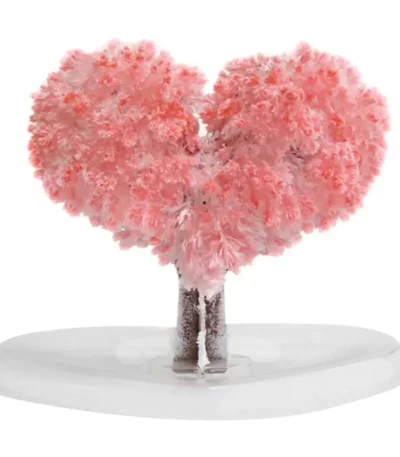
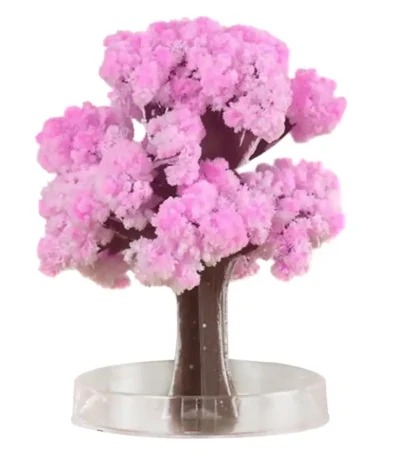
A science gift works when it creates a little spark: a reaction that can be seen, a mechanism that can be understood, an illusion that intrigues, or an object that stays on a desk. Here, the objective is not to be “school-like,” but to target correctly based on age and personality: the child wants to manipulate, the teenager wants to be challenged, the adult wants a beautiful object or an experience to share. Between a Crystal Tree that fascinates in a few hours, a Children’s Chemistry Kit (ages 8-12) that occupies an afternoon, or a Beginner Telescope that becomes a real ritual, the intent is not the same.
To avoid gifts that end up at the back of a closet, the right instinct is to choose a “format”: experience (to do), construction (to build), science decor object (to display), or STEM gadget (to bring out often). This page brings together these families of ideas without limiting to one age group: child (ages 3-12), teen (ages 13-17), adult (18 and older).
Quick Comparison by Profile and Usage
| Profile | Suitable Gift Type | Autonomy | Usage Duration |
|---|
| The Curious One Who Likes to See “Action” | Crystals, volcano, tornado, immediate effect visual experiments | Guided for children, more free and exploratory for teens | Occasional and memorable, with an immediately visible result |
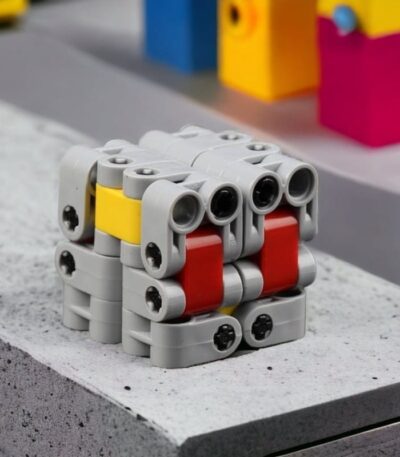
| The Patient Builder | Mechanisms, buildable kits, electric circuits, motors | Progressive based on age and complexity of the kit | Long and satisfying, advancement in stages |
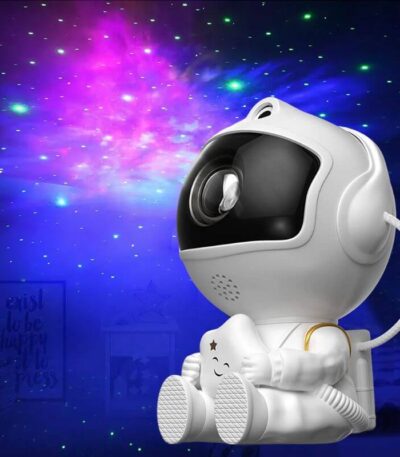
| The Space and Astronomy Fan | Galaxy projectors, astronaut lamps, binoculars, and telescopes | Accessible from the start, then deepens with experience | Regular, often in the evening — a true observation routine |
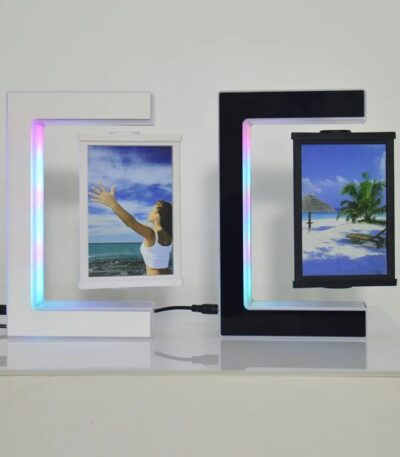
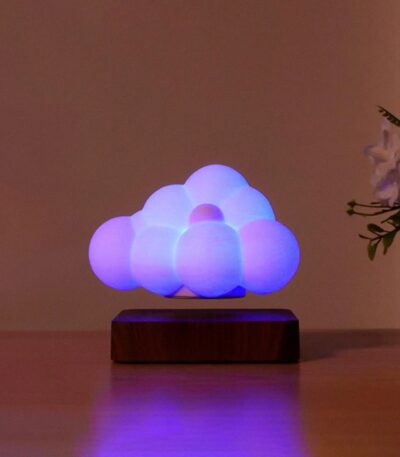
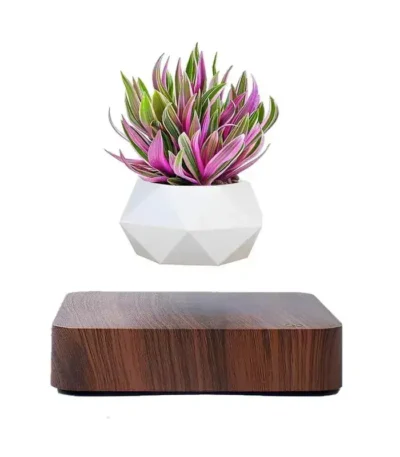
| The Technology “Wow” Enthusiast | Robots, drones, magnetic objects, anti-gravity levitation | Often autonomous, sometimes supervised for younger kids | Intermittent, always a pleasure to bring out and showcase |
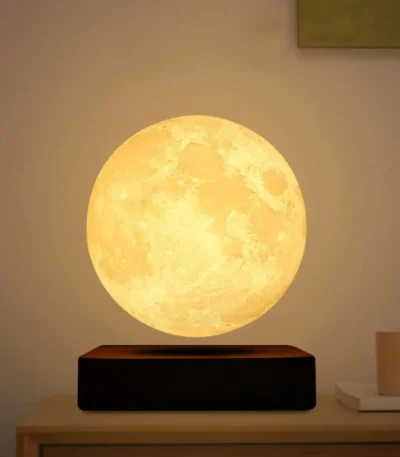
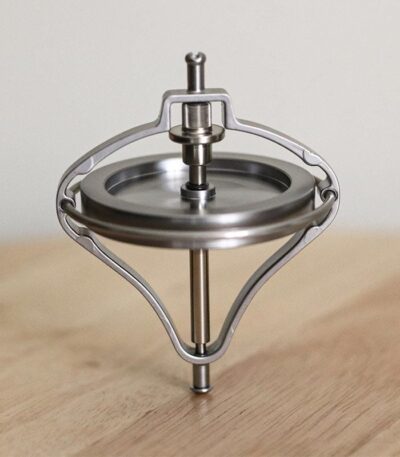
| The Adult Who Wants a Conversation Piece | Nixie, gyroscopes, barometers, ferrofluid, premium science decor | Total, no complex setup | Durable and present daily, a signature decorative piece |
How to Choose According to Age Without Mistakes
For children, the difference is played out in motor skills and attention. Between ages 3 and 6, a “quick result” gift is often the best bet: small visual experiments, simple kits, or electric dexterity games. Around ages 7-10, the desire to understand increases: circuits, archaeology (digging, fossils, dinosaurs), or construction like marble runs become more natural. At ages 11-12, the child is more accepting of rules and methods, which opens the door to longer kits.
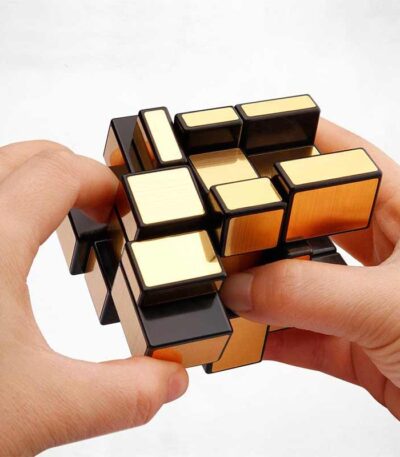
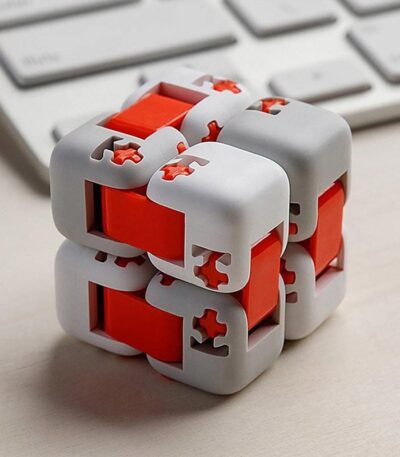
For teens, the trap is to offer something too “childish.” What works: challenge, personalization, and somewhat unusual items. A molecular modeling kit, a 3D maze puzzle, a children’s electronic microscope, or an astronomy project fit well into a progression logic. And if the teen prefers the geek side, a themed Rubik’s Cube or a desk gadget can be pleasing without being infantilizing.
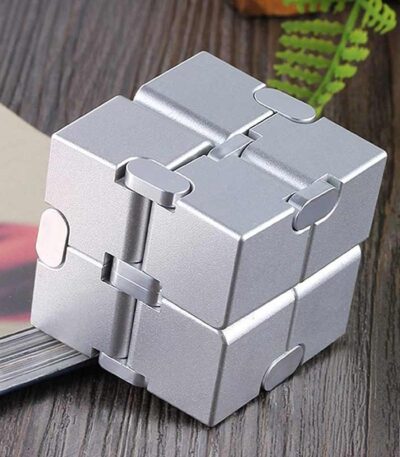
For adults, the center of gravity shifts: they often look for an original gift that can be displayed, a set that sparks conversation at the table, or a gadget that becomes a ritual. An unusual clock, a crystal barometer, a gyroscope, or a Nixie tube alarm clock correspond well to the desire for “objects” rather than toys.
Errors to Avoid When the Goal Is to Please
- Confusing complexity with interest: a kit that is too technical discourages, even for a motivated teen.
- Forgetting the context: for a birthday gift, an immediate wow effect works better than a very long project to set up.
- Choosing too generically: “science” is vast, it’s better to target space, robots, crystals, mechanics, biology, or chemistry.
- Ignoring the space at home: some science decor items shine because they remain visible, not because they are stored away.
FAQ
At what age is a chemistry kit relevant?
It depends on the format. Highly guided kits are generally suitable for children, while longer sets make sense towards the end of elementary school when reading instructions and patience are better established. For a teen, the interest mainly comes from the challenge and the variety of experiences.
Can a science gift please someone who doesn’t like school?
Yes, if the approach is playful. Gifts based on visual effects, construction, space, or technology resemble more a game or gadget than a class. The good guideline: target action and manipulation rather than theory.
What works well as a last-minute gift?
Items with immediate effects: crystals, small experiments, puzzles, geek gadgets, or everyday “science” accessories. The goal is to provoke a quick reaction, without heavy setup.
What type of gift to choose for a teen who wants “the real deal”?
A project that gives a sense of progress: mechanical assembly, circuits, robotics, astronomy, or modeling. Teens often engage when there is a visible result and a margin for progression, not just an object to look at.
For an adult, is it better to choose an experience or a science decor object?
If the idea is to share a moment, the experience is a good choice. If the gift is meant to last, a conversational object that sits on a desk or in a living room is often more suitable. Both work, but the intent is not the same.