Science Gifts for Kids: Choosing an Idea That Truly Fits Ages 3 to 12
A science gift for kids hinges on one detail: the level of independence at the moment. At ages 3-4, it’s all about awareness and manipulation; at ages 6-7 (1st grade), a child better follows directions; by ages 11-12, they seek more of a “tool” challenge than a baby toy. This page brings together educational and fun ideas centered around crystals, robots, space, dinosaurs, electricity, microscopes, and puzzles.
How to Choose According to Age, Independence, and Available Time?
To avoid gifts that are too simple or too lengthy to set up, check these three points:
- Independence: Can the child follow a simple game rule, or do they need guidance at every step?
- Energy: Do they prefer to move (interactive toy, robot, drone) or to focus (brain teaser, puzzle, observation)?
- Pace: Do you have 10 minutes, or a quiet moment for kits and a mini “lab” at home?
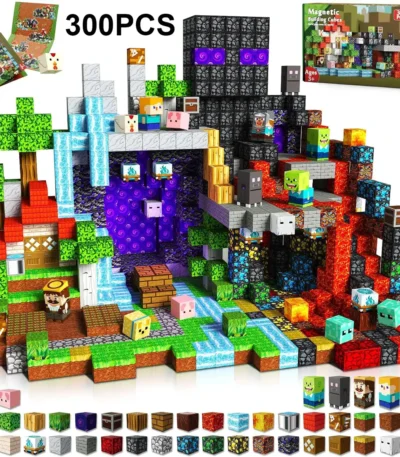
When a child enjoys building, construction games (including the magnetic ones) and simple setups tend to engage them longer. When they like to understand, observation and experimentation quickly become “rituals.”
Comparison by Profiles (Ages 3 to 12)
| Common Profile | Ages When It Works Best | Type of Gift (Examples) | What the Child Does | Adult Supervision |
|---|
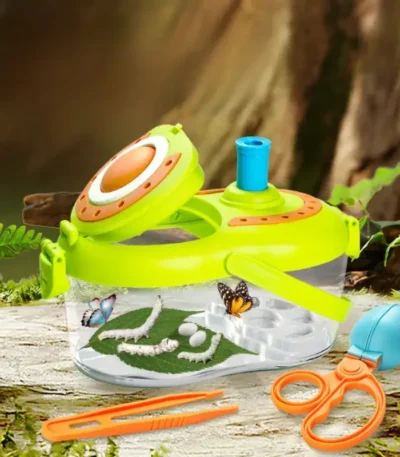
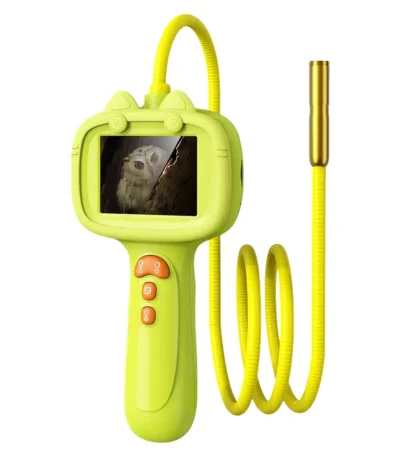
| The Curious One Who Wants to Observe | 5-6 years, then 9-12 years | Observation: microscope, prism, endoscope, field magnifier | Observes, compares, looks for details, records their findings with pride | At first to initiate, then quickly independent |
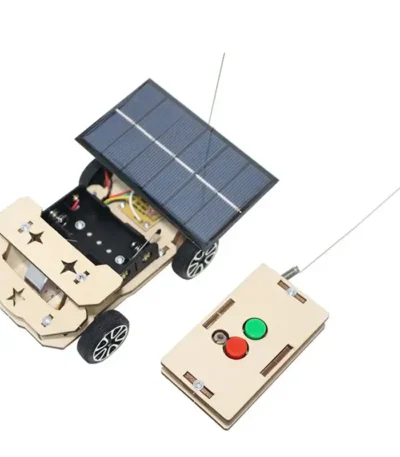
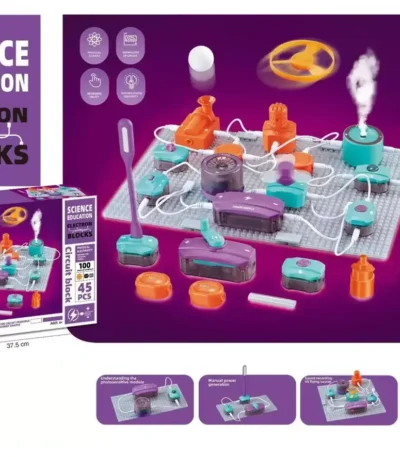
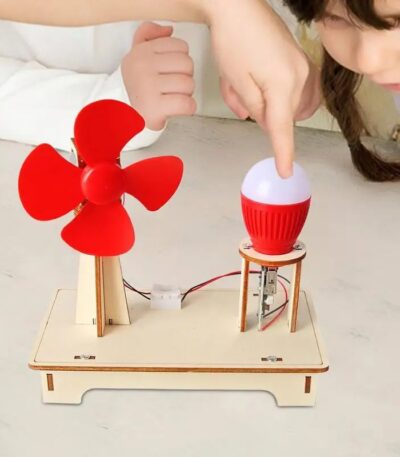
| The Tinkerer Who Loves to Assemble | 6-10 years | Assemblies: electrical circuit, solar car, mechanical kits | Builds, tests, corrects, and repeats — logic and perseverance are the goals | Helpful at the beginning, less necessary afterwards |
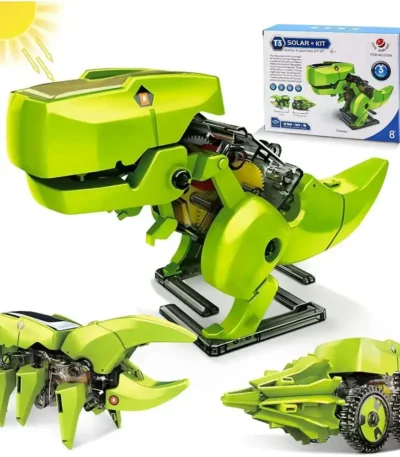
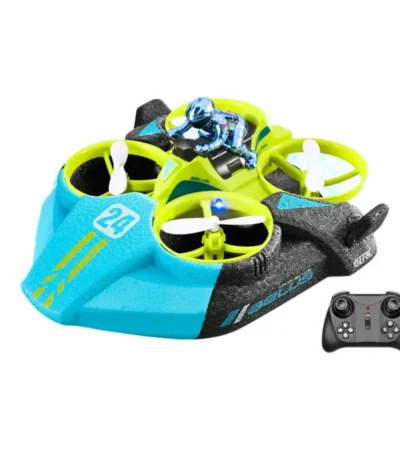
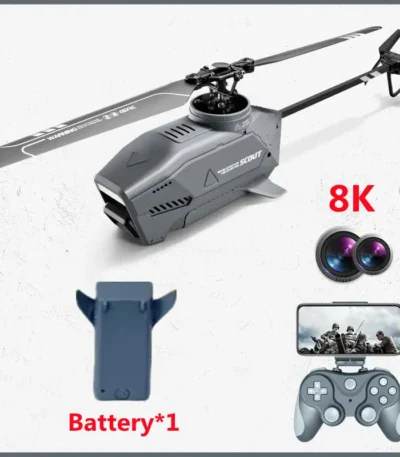
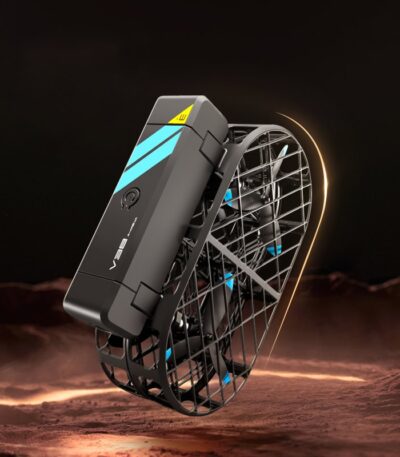
| The Action and Control Fan | 7-12 years | Robots and piloting: remote-controlled robot, drone, autonomous vehicle | Controls, improves their precision, and invents their own scenarios | Monitoring recommended based on age and model |
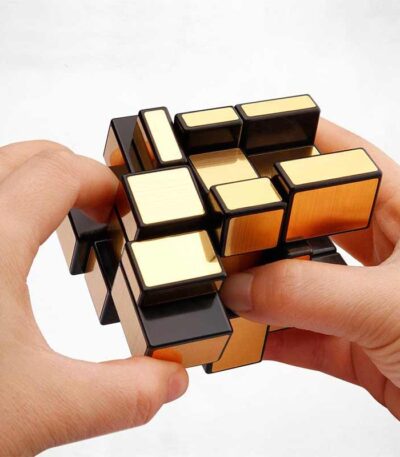
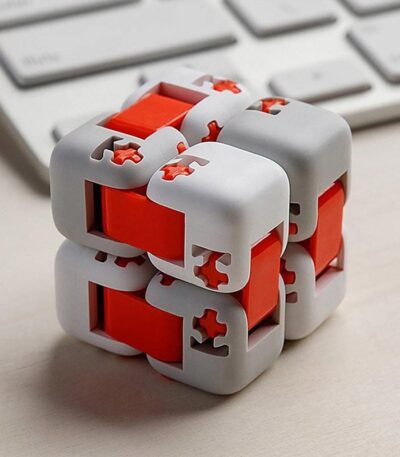
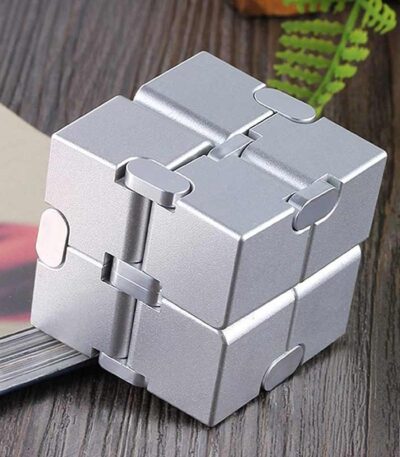
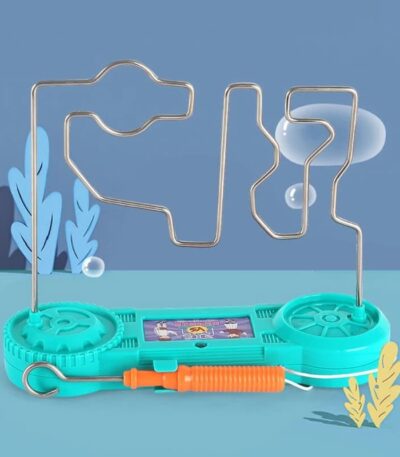
| The Patient One Who Enjoys Challenges | 8-12 years | Puzzles and brain teasers: Rubik’s Cube, 3D maze, cryptex | Solves, practices, learns methods, and progresses at their own pace | No — enjoyment from succeeding alone |
Which Themes Really Work at Each Age?
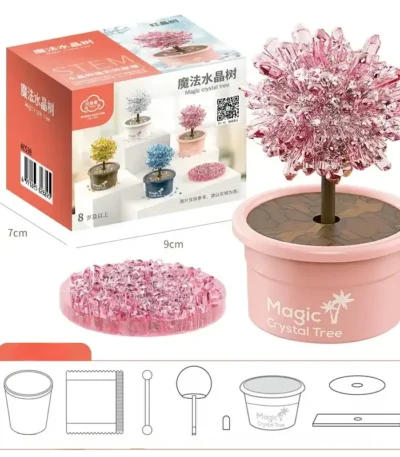
3-4 years: The goal is fine motor skills and immediate “wow” factor. Activities centered around crystals (e.g., Crystal Tree) or a small, highly guided volcano yield quick results, without endless sessions.
5-7 years: Curiosity explodes, and the child begins to follow a direction, especially in 1st grade. Themes like dinosaurs (archaeological digging) and simple assemblies like a Electric Circuit Game resonate well when the child is eager to understand “why.”
8-10 years: Focus on challenges and projects. Kits, “safe” chemistry, and puzzles become more interesting as the child is willing to practice and improve their results.
11-12 years: The transition to middle school makes the approach more concrete (science, technology). A Child’s Electronic Microscope or a type of Remote-Controlled Gecko Robot seems more rewarding than the “babyish” toys.
Common Mistakes When Giving Science Gifts
Too much complexity from the first session: It’s better to have a short, repeatable kit than a hefty one. No storage: small parts can easily get lost, especially with kits and puzzles. Lastly, consider the context: a very active child will enjoy an interactive item more than a lengthy challenge, while a calm child might love a long-lasting brain teaser.
FAQ
At 3 years old, is it too early for an experiment kit?
It’s not too early if the format is very simple and supervised. Aim for short actions with visible results, then easily store them.
Between 6 and 7 years, is it better to build or experiment?
In 1st grade, construction reassures because progress is visible. If the child likes to understand, simple electricity and structured assemblies are often more motivating.
At 10-12 years, how do you avoid the “too babyish” gift?
Choose an item that resembles a tool or challenge: observation, robotics, logic. The important thing is that there is still room for progression, not an activity “finished in 5 minutes.”
Do these ideas appeal to children who don’t like school?
Yes, when entry is through play: piloting, construction, space themes, challenges. Start from an interest, not a lesson, and the child gets involved more easily.