Gift for 4 Year Old Girls: Sparking Curiosity Without Feeling Like “School”
A gift for 4 year old girls that really works is one that sparks a question and then an action. At 4 years old (often in Pre-K), attention spans are longer than at 3, fine motor skills are developing, and pretend play becomes richer. However, long instructions and overly “technical” experiences can still lead to frustration. The goal is simple: to fuel awakening without turning the gift into homework, with educational toys that promote fun, manipulation, and repetition.
The Test of the Perfect Gift in 3 Questions
- Does she like to manipulate or observe? Some children love stacking and building (blocks, construction sets, magnetic), while others prefer to look closely, sort, and collect.
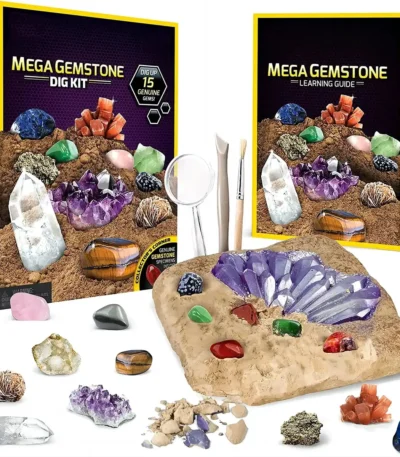
- Is she drawn to stories or challenges? Robots and interactive gadgets nourish imitation, whereas an observation puzzle or “archaeology” dig stimulates inquiry.
- What level of adult involvement is realistic? At 4, a science kit can be great if an adult initiates the activity. If the gift needs to be used independently, it’s better to aim for a simple and playful game.
Comparison of Ideas that Work for 4 Year Olds
| Type of Idea | Motivation at 4 Years | What the Child Does | Need for an Adult | Typical Usage Moment |
|---|
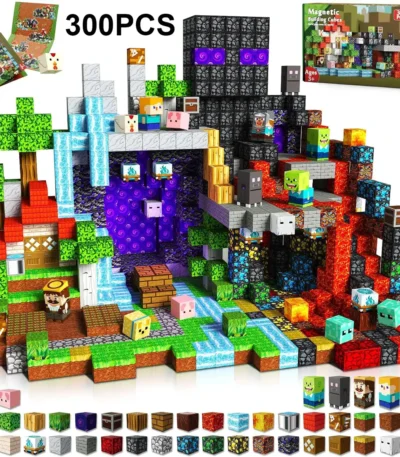
| Magnetic Construction | The builder who never tires of starting over | Assembles, separates, tests balance, and invents new shapes | Low — basic supervision is sufficient | Free play, small repeated sessions at any time |
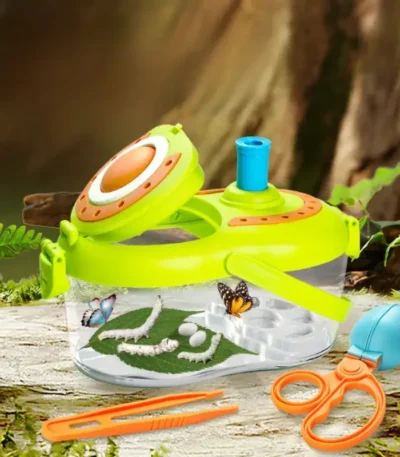
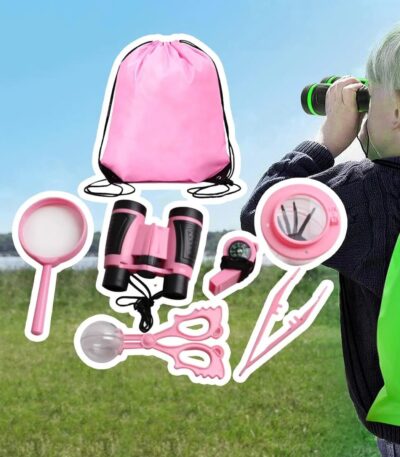
| Nature Observation | The curious one who loves to “look inside” and ask a thousand questions | Observes, compares, questions, and notes changes over time | Moderate — helpful for initial setup | After school, calm weekends with family |
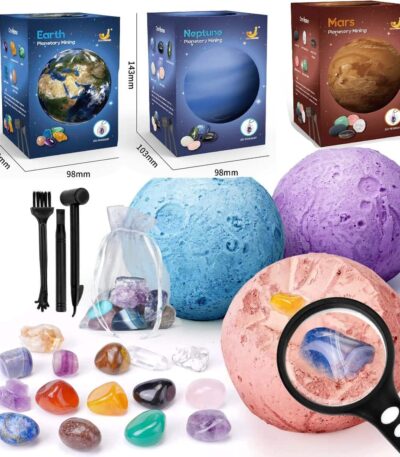
| Archaeology and Exploration | The explorer who loves searching, digging, and making discoveries | Scrapes, digs up, reveals, and proudly tells about their find | Moderate — to guide the activity and manage clean-up | Immersive “mission” activity lasting 30 to 60 minutes |
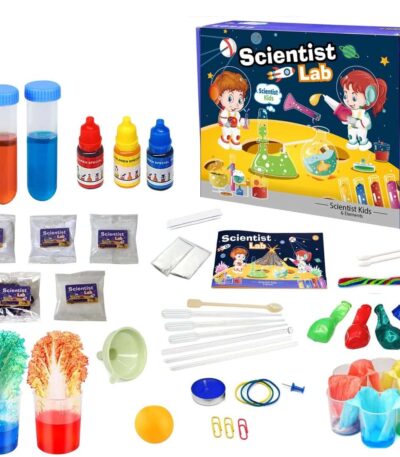
| “Immediate Effect” Experiments | The one who wants to see a spectacular reaction right away | Pours, mixes, observes the change with wonder, and repeats | High — guidance and presence are essential | Birthday, family afternoon, bonding time |
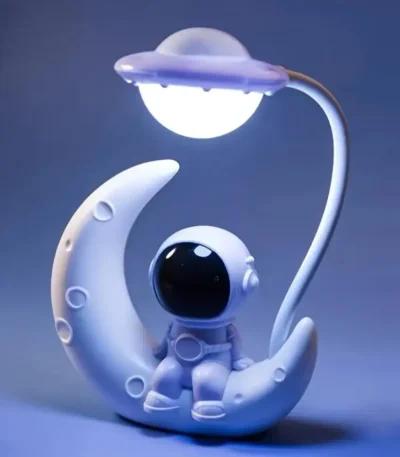
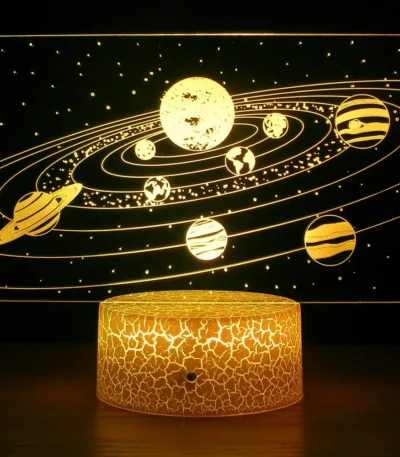
| Science and Decor Objects | The dreamer fascinated by the sky, moon, and space | Uses daily and asks questions about planets and stars | Low — immediate enjoyment and completely independent | Bedroom, calming evening ritual, cozy atmosphere |
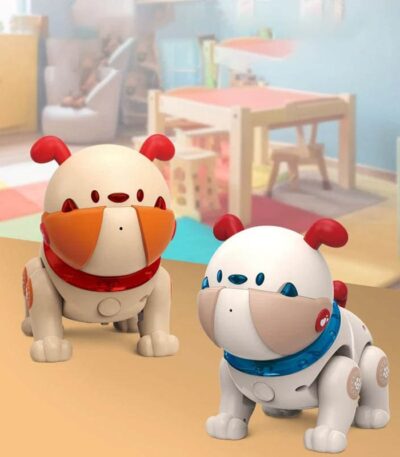
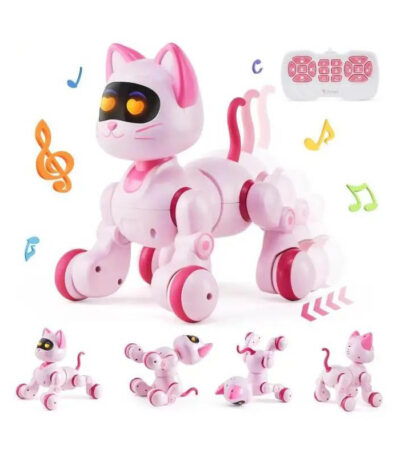
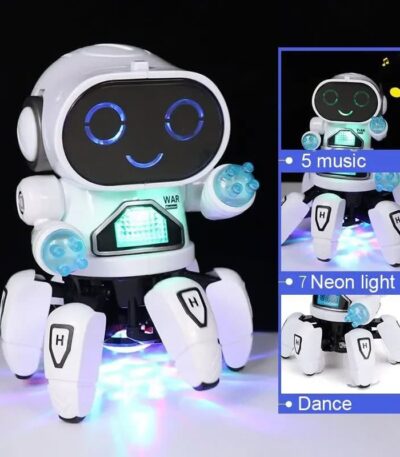
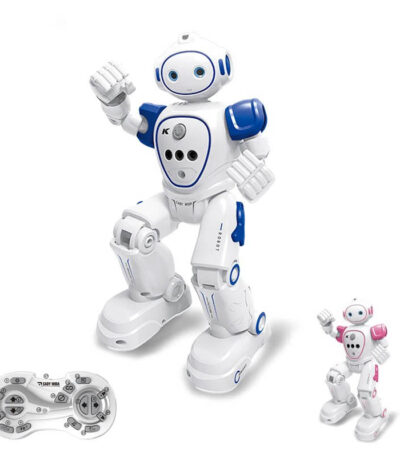
| Interactive Gadgets | The active player who loves triggering actions and reacting | Launches movement, follows, catches, and invents their own scenarios | Low to moderate depending on the gadget | Spontaneous small challenges, dynamic and energetic play |
What’s Really Changing at 4 Years (and Avoiding “Flop” Gifts)
At this age, a gift is more successful if it provides a clear purpose and a visible reward. An “archaeology” dig works because there’s a discovery at the end. A rich science kit may impress at first but could be abandoned if the first try is too lengthy. The trick is to choose an activity that starts quickly and save the rest for later.
Another point: at 4, dexterity is developing, but small pieces remain a concern. For a construction game, check safety and favor simple manipulations. On the “science” side, a guided format can create a wonderful shared moment: for example, a Little Chemist Kit (4 years) or a Kids Chemistry Kit (3–5 Years) makes sense when an adult starts the first experiment, then the child recreates what they understood.
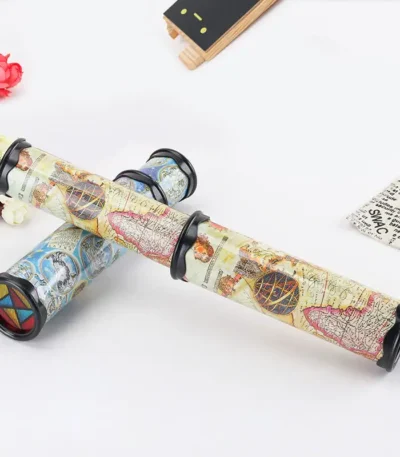
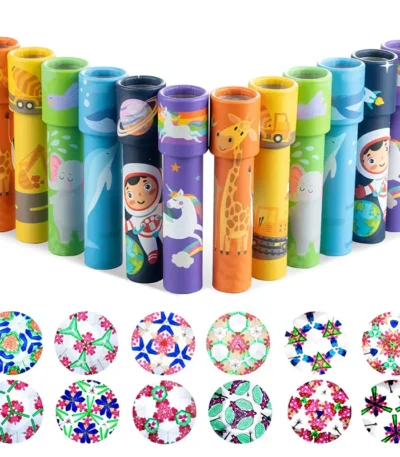
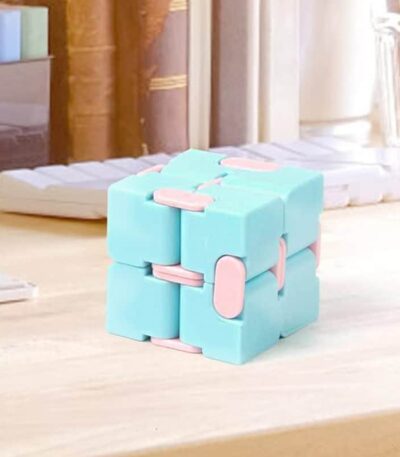
Lastly, don’t underestimate gifts that nurture the imagination. A Solar System Lamp or a half-moon lamp can spark questions every day. And for that “wow” factor without instructions: an Educational Kaleidoscope or a small sensory object like a fidget cube promotes awakening, fine motor skills, and attention through micro-sequences.
Mini Practical Guide: Assembling a Gift That Lasts for Several Weeks
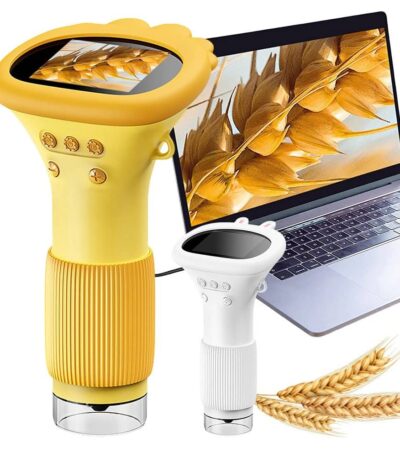
A good strategy is to offer a duo: a free play item (magnetic construction or robot) and a one-time activity (volcano, archaeology, observation). Even an Electronic Microscope for Kids can become a ritual: choosing a “treasure” to look at (leaf, fabric, grain of sand) and then comparing. For very dynamic moments, the logic of a flying sphere drone works well if space allows, while maintaining age-appropriate supervision.