Scientific Ideas That Really Appeal to a 4-Year-Old Boy
Choosing a gift for a 4-year-old boy means targeting a very special age: the desire for discovery is huge, but attention spans are short. In preschool, many children start to follow two-step instructions, count a little, tell a story, and want to understand the “why.” The right toy doesn’t need to be complicated: it should produce visible results quickly and then open the door to variations. This is exactly the spirit of the educational games and STEM gadgets in this category: manipulating, testing, trying again, and above all, having fun without it feeling like a lesson.
The Right Gift Test in 3 Questions
Before giving a gift, three questions will help ensure you choose well, especially for a little boy who oscillates between enthusiasm and the need to move.
- Does he like to manipulate or does he prefer to watch a “wow” effect? (fine motor skills vs immediate reaction)
- Is he drawn to stories (dinosaurs, robots, space) or challenges (assembling, aiming, finding)?
- Will an adult be present when the gift is given (family birthday, weekend activity) or does it need to be a standalone game?
With these answers, you can choose the right format: a building game to revisit often, a guided mini-experiment, or an interactive object that triggers an action.
Quick Comparison of Formats That Work at Age 4
| Type of Gift | Suitable Profile at Age 4 | What the Child Does | Need for an Adult | Dexterity Level |
|---|
| Magnetic Construction (bricks and shapes) | The builder who repeats ten times without ever getting bored | Assembles, separates, tests balance, and invents his own “machine” | No — some help is needed at the very beginning, then quick independence | Medium |
| “Immediate Effect” Experiments (volcano) | The curious one who wants to see “what happens” and try again | Watches a reaction in wonder, describes, compares, and repeats | Yes — presence and guidance are essential | Low to medium |
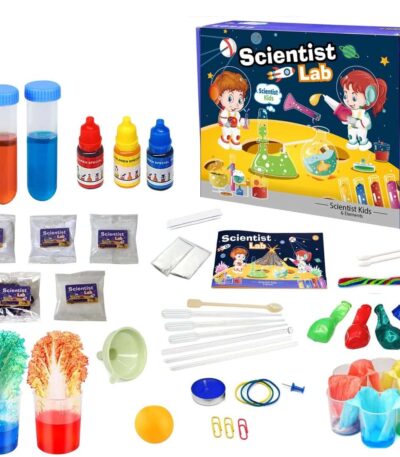
| Chemistry and Mixing (3-5 years) | The creative one who loves pouring, mixing, and observing the result | Follows a mini-recipe, sorts, measures, and learns to wait to see the outcome | Yes — an ideal moment for sharing | Medium |
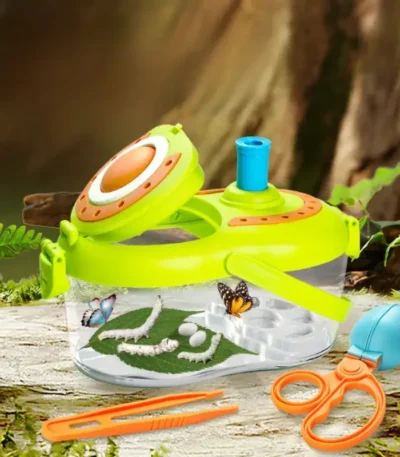
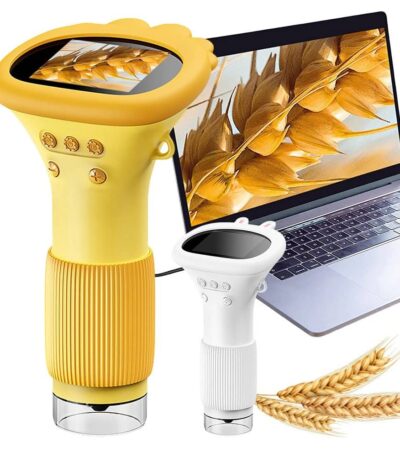
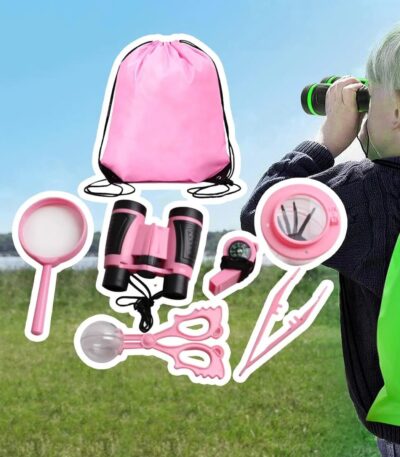
| Exploration and Observation (microscope, insects) | The attentive observer who likes to “look up close” | Handles, observes, compares, and asks questions without stopping | Often yes at the beginning for setup and adjustments | Medium |
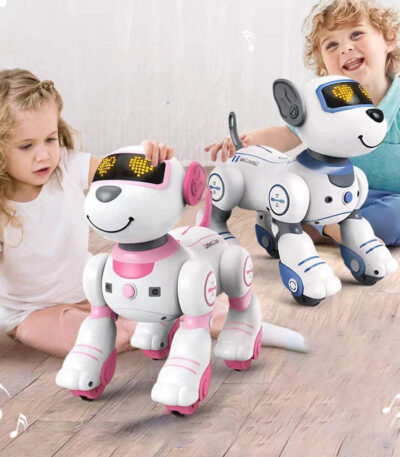
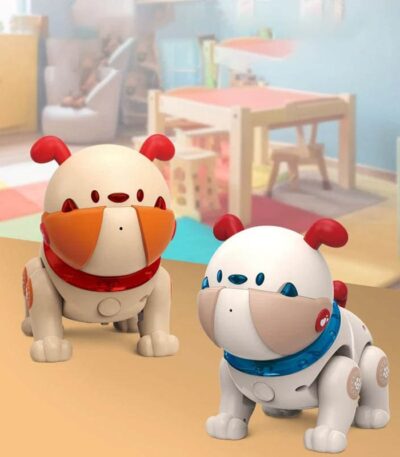
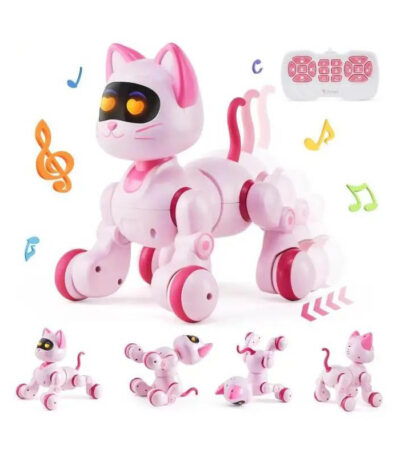
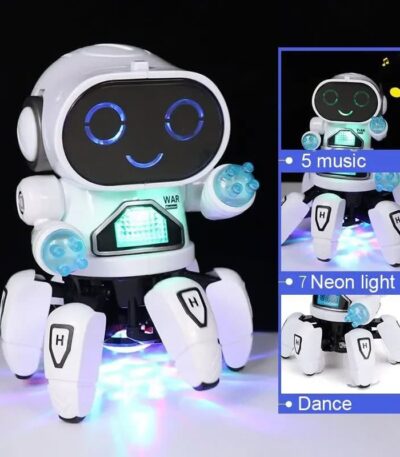
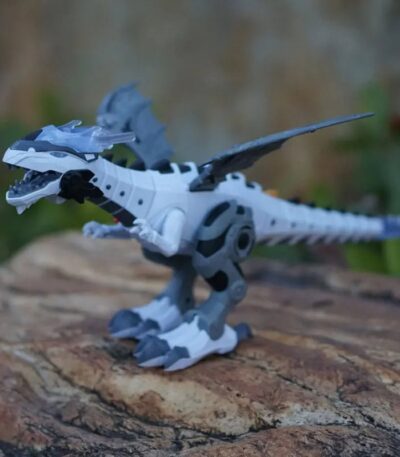
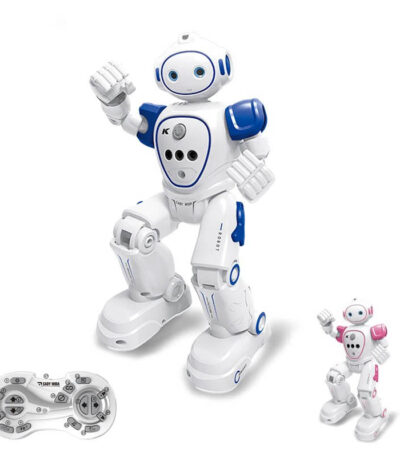
| Robots and Dinosaurs | The fan of imitation, stories, and imaginary companions | Triggers an action, invents a scenario, and reenacts favorite scenes | No — standard supervision according to age is sufficient | Low |
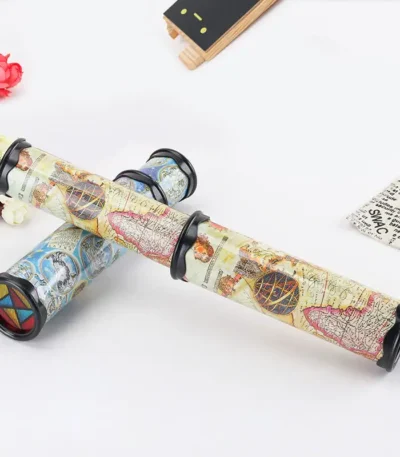
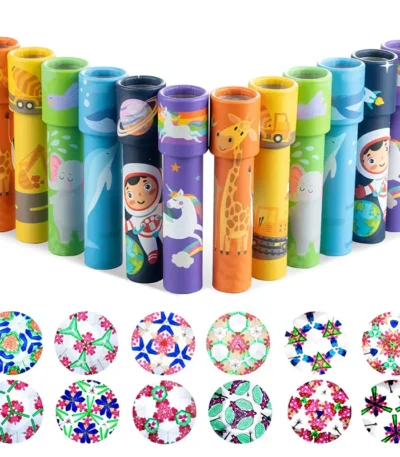
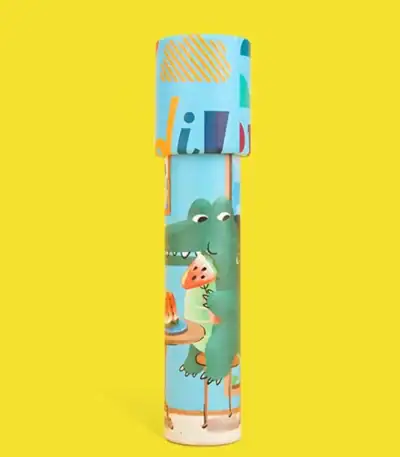
| Visual Illusions (kaleidoscope) | The contemplative dreamer who calms down by observing patterns | Turns, observes colors, describes what he sees, and eagerly shows | No — immediate pleasure and completely independent | Low |
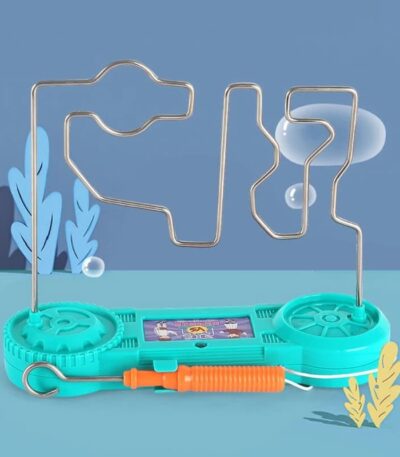
| Skill and Coordination (skill game, flying ball) | The mover who needs to expend energy and be active | Aims, adjusts, retries, and progresses with pride through successive trials | Sometimes — to define the play area and frame the activity | Medium |
What Really Changes at Age 4 (and What Is Often Forgotten)
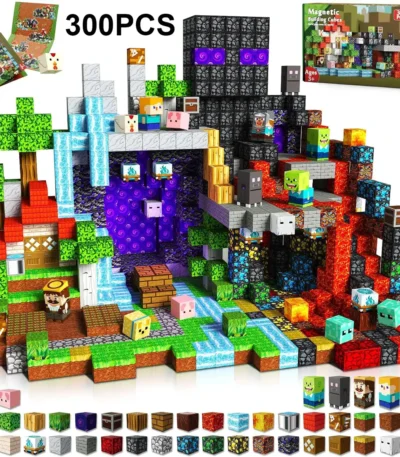
At 4 years old, motor skills and understanding of instructions make a leap: the child is better able to accept a “little ritual” (prepare, do, put away), especially if the result comes quickly. That’s why formats like the Kids Volcano Experiment Kit or the Little Chemist Kit (4 years) can become a shared moment, while a kit that’s too “serious” would frustrate him. Conversely, a too-passive object can bore him: a Maxi Pack Magnetic Building Blocks (300 Pieces) is naturally revisited, as it transforms into a different building game every session.
Another point: the context of purchase. For a birthday gift, the immediate effect matters (robot, volcano, flying ball). For a Christmas gift, long-lasting toys win: magnetic construction, observation, or an Electronic Microscope for Kids to bring out when curiosity returns. And if the gift comes from a grandparent, “activity” formats are reassuring: they create a moment, not just an object.
Keeping Interest Alive After the First Day
To avoid the gift being quickly stored away, focus on short repetition: an experiment in 10 minutes, then a variation the next time. Creative toys work well when they allow the child to decide: build a “base,” invent a dinosaur, reenact a scene with a robot. Skill gadgets benefit from being structured: a clear space, a simple rule, and measuring progress (more accurate, more stable). Finally, alternating “moving” and “focusing” helps: skill then observation, then back to building games. This way, these gift ideas become a little ecosystem, not just a standalone purchase.
FAQ
Is 4 years old too early for a chemistry kit?
It’s not too early if the kit is designed for young children and if an adult is present. At this age, the interest comes from visible mixtures and actions, not theory. The smart approach: prioritize short, ritualized sessions.
What type of gift works even for a boy who gets bored quickly?
Modular formats are the most tolerant: magnetic construction, small skill challenges, or “on-demand” observation. They allow the child to return to play without having to “start over.”
Do robots also appeal to very calm children?
Often yes, because they serve as a support for imagination and pretend play. A calm child may spend time reenacting a story rather than seeking performance. The important thing is to choose a robot that is easily understood.
How do I choose between a volcano and archaeology at age 4?
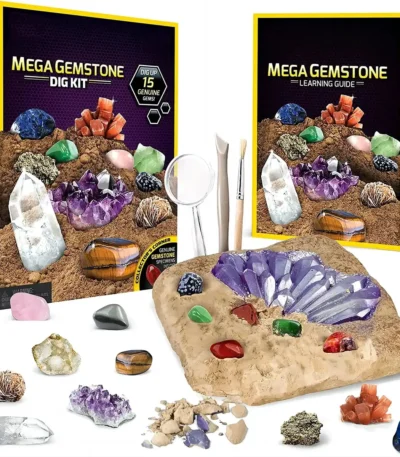
The volcano suits children who love immediate effects and visible reactions. Archaeology appeals to those who enjoy scraping, searching, and “discovering” gradually. If the child needs quick results, the volcano is easier to start.
And if the child doesn’t like “school,” can it still work?
Yes, if the gift remains a game: manipulation, observation, small successes, without a school objective. At 4 years old, the desire to explore exists even in those who dislike exercises. The keyword is “playful,” not “successful.”