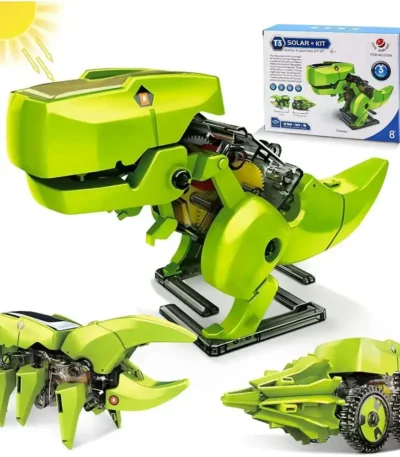
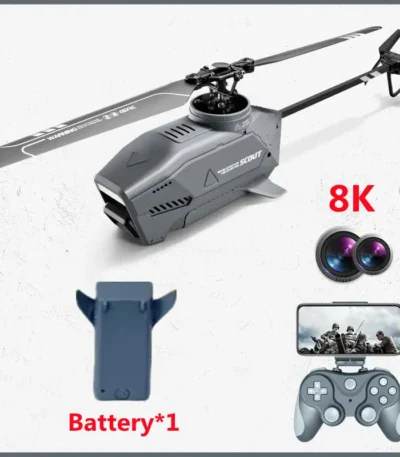
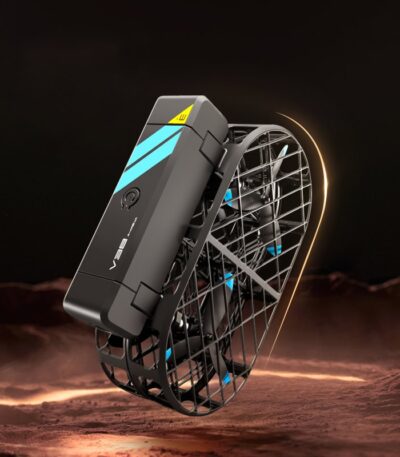
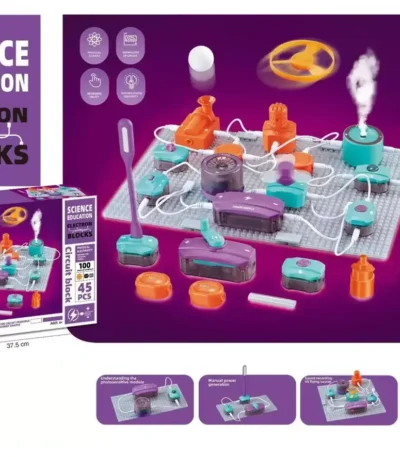
Gift for 12 Year Old Boys: The Gift That Transitions from “Toy” to “Real”
At 12 years old, many boys enter the rhythm of middle school: more independence, stronger preferences, and a curiosity that can explode… or become very selective. The trap is to offer an item that feels too “childish” (received as infantile) or too “teen” (quickly set aside). A gift for 12 year old boys that works aligns with this precise moment: the age where they love to understand how things work, test, adjust, improve, and most importantly, show the result.
In the science and STEM world, the balance often plays between wow factor (robots, light, space) and concrete challenges (circuits, experiments, puzzles). This aligns well with the learning in 6th and 7th grades in the US, where technology and science inspire experimentation, not just observation.
How to Choose a Gift That No Longer Feels Childish?
Three clues help to find a suitable gift without making a mistake. First, the level of control: at 12, they enjoy piloting, programming, or at least adjusting (a drone, a remote-controlled robot, a circuit kit). Next, the progression: a gift that offers multiple levels, with a quick initial success followed by challenges. Finally, the “proof”: something they can show in their room or to a friend (science decor, lamp, magnetic calendar, projector).
For a birthday gift, items that are immediately engaging often win. For a Christmas gift, “project” formats (experiments, building, astronomy) make more sense, as there is free time available. In terms of style, some prefer high tech, while others like the “workshop” vibe or the geek aesthetic of space.
Quick Test in 3 Questions Before Giving a Gift
- Does the gift offer an action (pilot, assemble, trigger, solve) rather than just decoration?
- Can they get started without help within a few minutes, while still having a challenge later on?
- Does the item correspond to their current “universe”: robots, drones, space, experiments, or puzzles and challenges?
What Type of Gift for Their Profile: Pilot, Tinkerer, Explorer, Strategist?
| Type of Gift Idea | What They Actually Do | Independence | What It Triggers at 12 | Examples Present in the Category |
|---|
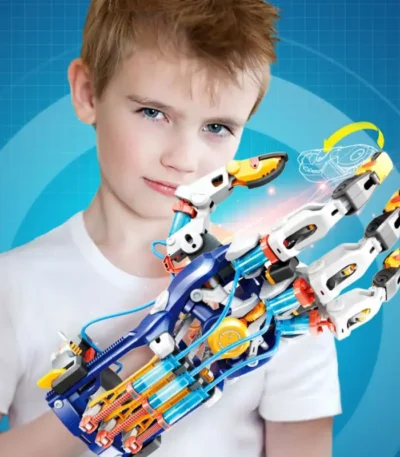
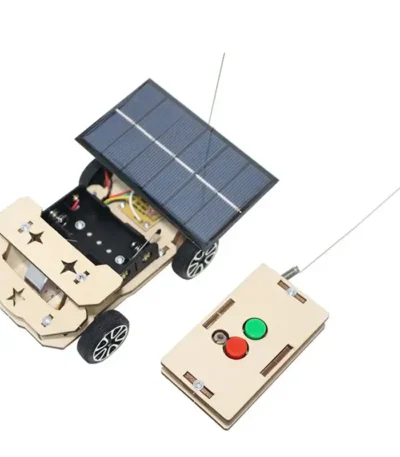
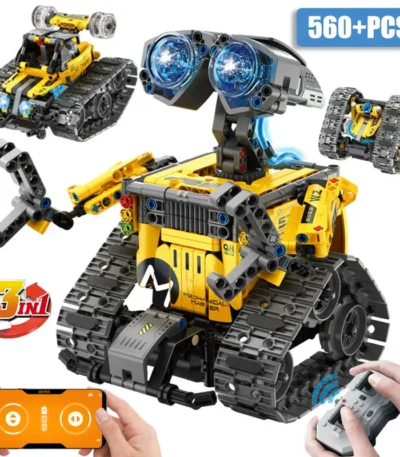
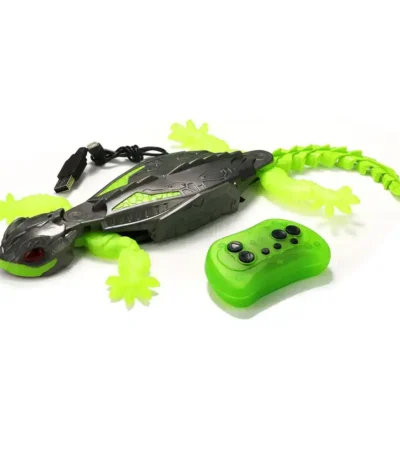
| Robots and Piloting | Test, adjust, retry, and relentlessly search for the best maneuver | On their own after a brief introduction — quick mastery | Competition, technical mastery, and pride — without ever seeming “babyish” | Remote-Controlled Gecko Robot, Combat Robot Toy, drones, and drone planes |
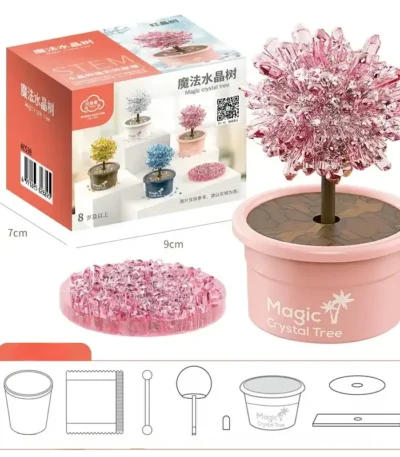
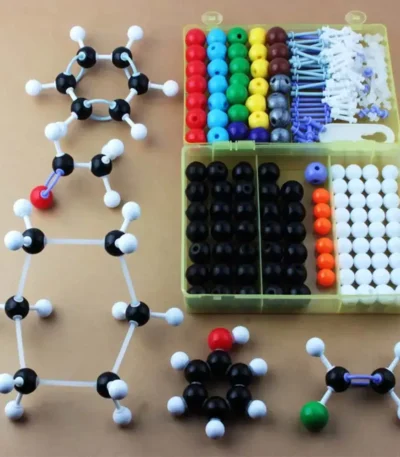
| Experiments and Reactions | Follow a protocol seriously, observe, compare, and redo variations | With an adult at the start depending on the kit — quickly becomes autonomous | The “laboratory” vibe close to school, very educational without ever seeming academic | Chemistry Kit (8-12 years), crystals, tornado, volcano |
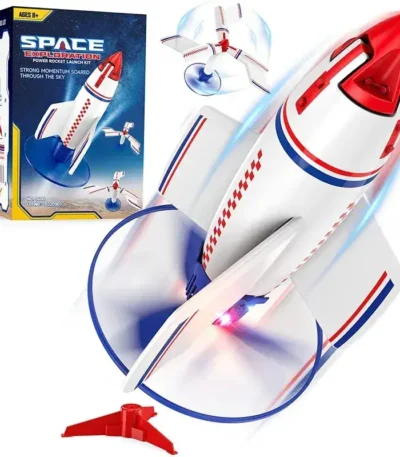
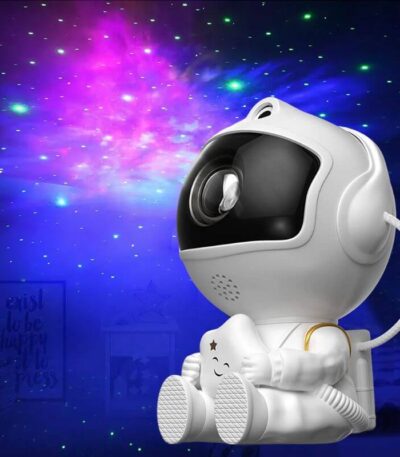
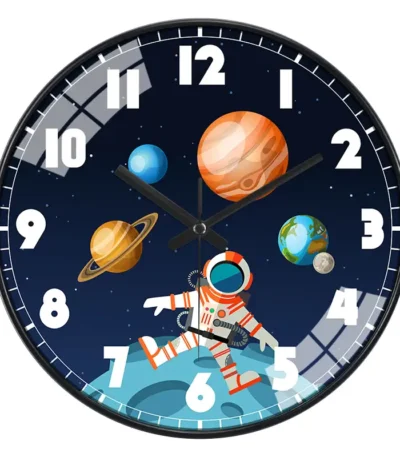
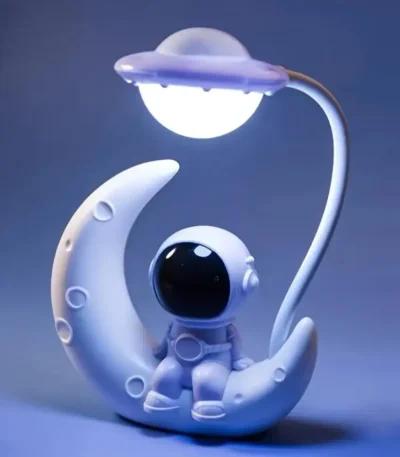
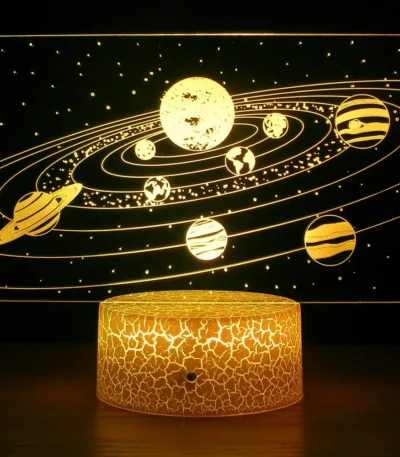
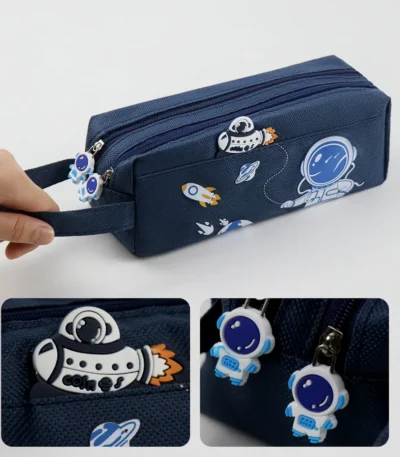
| Space and Astronomy | Explore, learn to aim for the stars, and create a real ambiance in their room | Mostly alone — curious and independent from the first nights of observation | The dream of space exploration and the pride of having set up their own “space corner” | Beginner Astronomical Telescope, Galaxy Projectors, Astronaut Lamps |
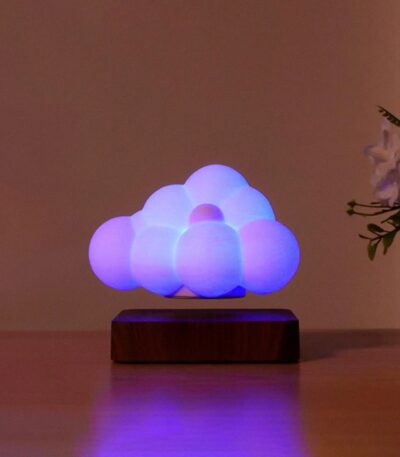
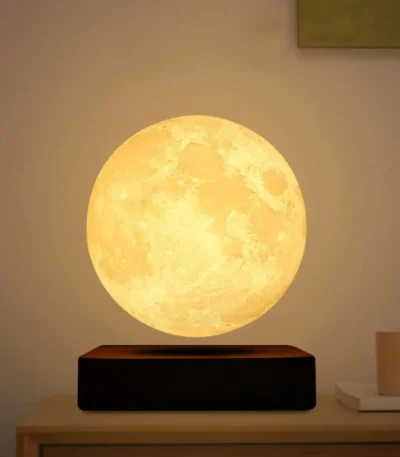
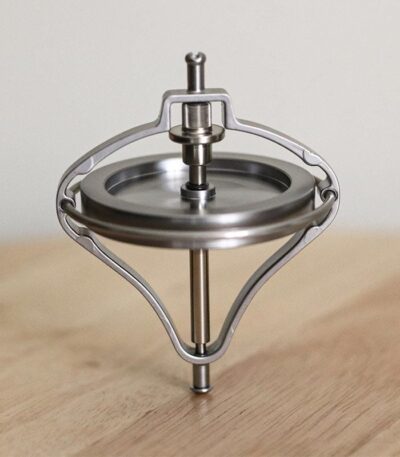
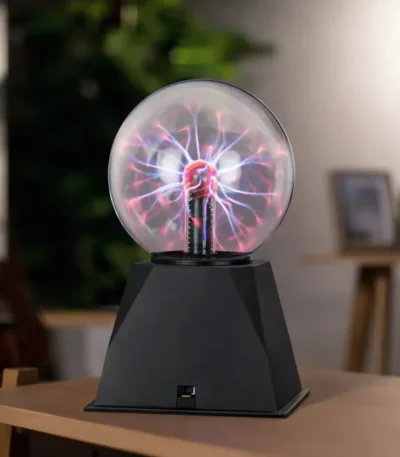
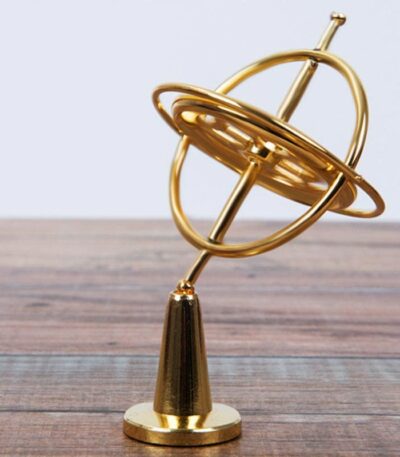
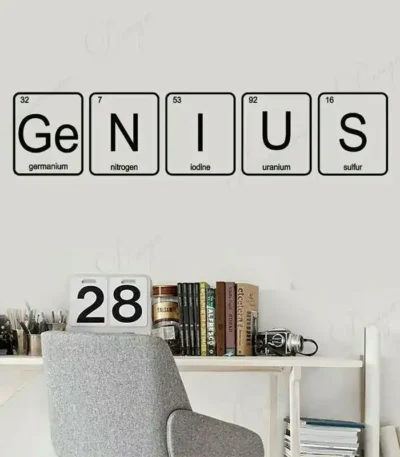
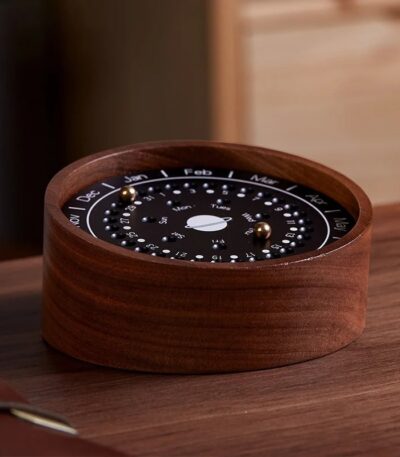
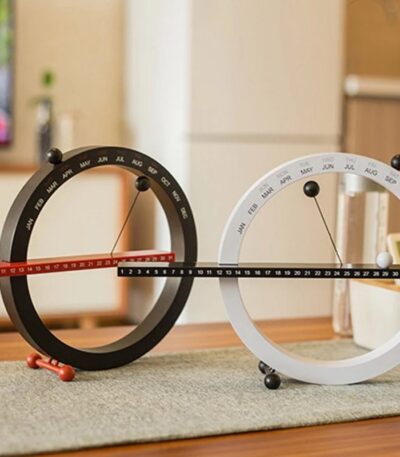
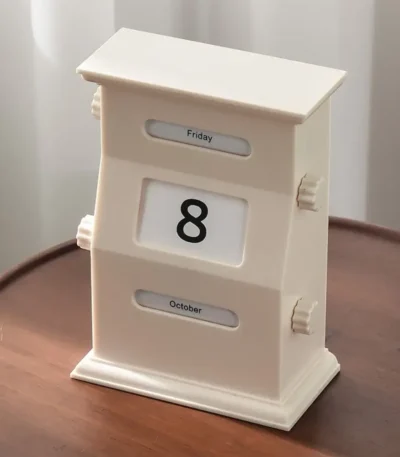
| Intriguing Science Decor | Manipulate, observe fascinating phenomena, and proudly explain them to others | Totally on their own — ready to use and impress from day one | A “conversation” object that clearly looks more significant than just a toy | Crookes Radiometer, Franklin’s Boiler, perpetual calendars |
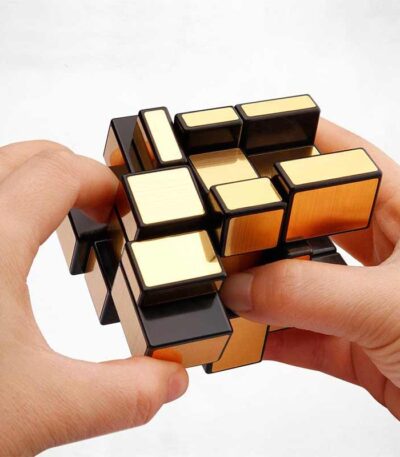
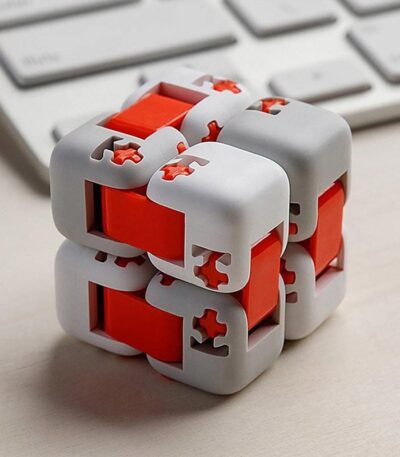
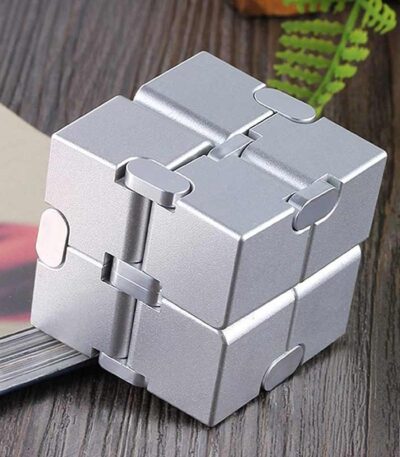
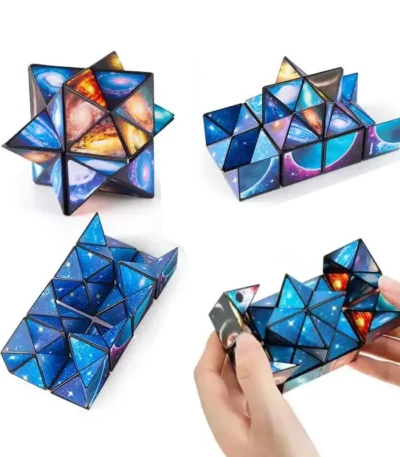
| Puzzles and Creation | Solve, optimize, retry and methodically seek the right method | Totally on their own — satisfaction from succeeding without help | Challenge and intense concentration, perfect for those who enjoy “thinking with their hands” | Rubik’s Cube, Infinity Cube, 3D maze, spirograph |
What We Often Forget at 12 (and What Changes Everything)
A gift can be very original and yet disappoint if it doesn’t fit into everyday life. At this age, their room becomes a “personal” space: a galaxy night light, a space poster, or a visible science gadget can be just as impactful as a kit that takes a long time to assemble. Conversely, if they enjoy action, a static object may not last.
Another point: mental energy. After classes, some boys want “plug and play” (piloting, lights, small manipulations), while others want a project to work on over the weekend. For a small budget, a puzzle or a mini infinity cube can hit the mark. For a more impactful gift idea, the worlds of drones, microscopes, or decorative science items often create a true memory of “well-chosen gifts.”
FAQ
At 12, isn’t a chemistry kit too serious?
Not necessarily. Interest depends on the format: a kit with several short experiments works better than a set that requires long setup. A guided start may suffice, and then they quickly gain independence.
What gift will please a 12-year-old boy who doesn’t like school?
Gifts based on action avoid the “homework” effect. A remote-controlled robot, drone, or puzzle emphasizes challenge and mastery. The object becomes a game, not a lesson.
What’s the difference between a Christmas gift and a birthday gift at 12?
At Christmas, a longer project is more likely to be used because there’s free time. For a birthday, an item that is quickly understood and easily shown often works better.
How to avoid a “too childish” gift at 12?
By aiming for a logic of tool or object: visible scientific phenomena, piloting, astronomy, or puzzles. References to “room” (space, light, science decor) also help to make the transition.
What budget should you aim for without making a mistake?
The most reliable approach is to align the budget with the type of use: a small budget for a puzzle or manipulable gadget, a medium budget for an experiment kit or a decorative science item, and a higher budget for drones, robots, or optical items. The key benchmark remains the frequency of potential use in their routine.