Free Shipping on Orders Over $50
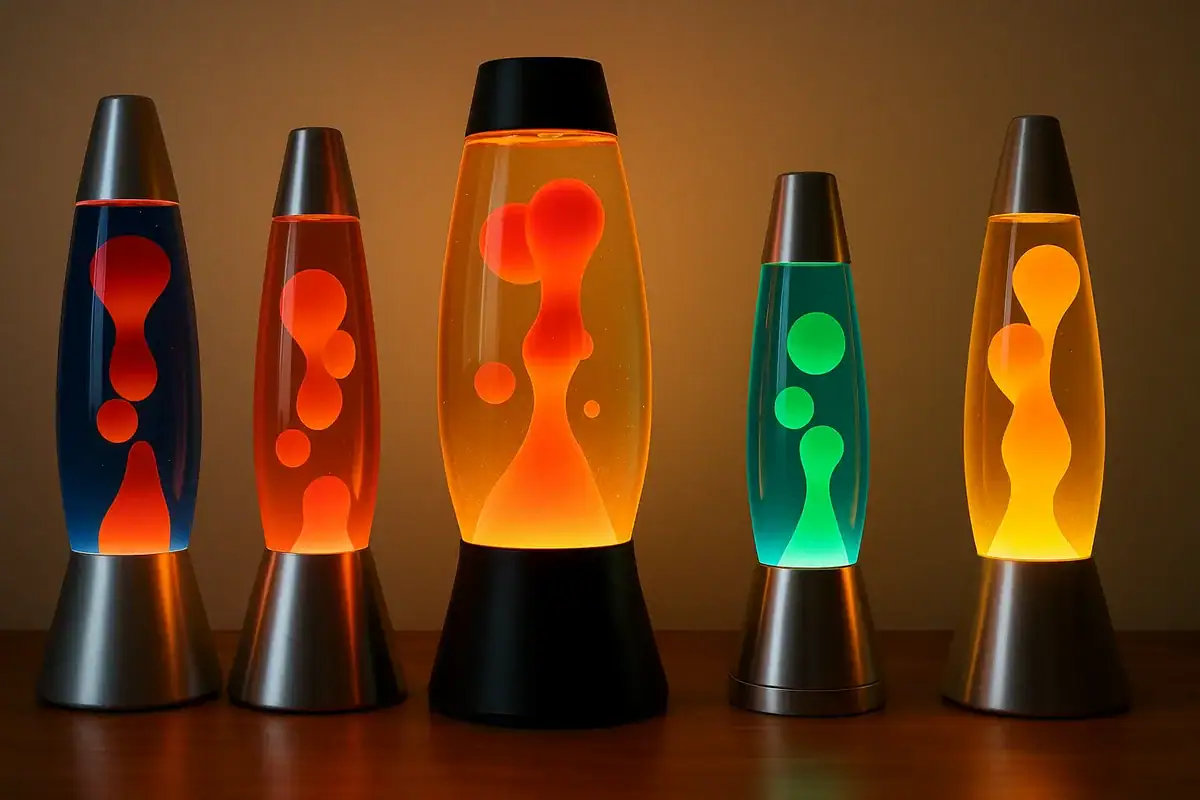
A lava lamp works thanks to the interaction between heat, density, and specific fluids. When turned on, the wax inside the globe heats up, becomes lighter, and rises, before sinking back down once cooled. This repetitive cycle creates the floating bubbles that mesmerize with their slow and colorful dance.
Contenus
afficher
In this comprehensive guide, we will explain in detail the physical principle that makes these lamps work, trace their history, discover their components, provide practical tips, identify mistakes to avoid, and answer frequently asked questions. An ideal read for decoration and science enthusiasts.
The Operating Principle of a Lava Lamp
What is a Lava Lamp?
The lava lamp is an iconic decorative object made up of a glass globe containing a clear or tinted liquid and colored wax. Heated by a bulb located in the base, the wax begins to move fluidly and randomly. The result: a relaxing visual ambiance, often used for relaxation or as a retro-vintage element.
The Two Liquids Used: Wax and Carrier Liquid
The mechanism relies on a precise balance: – The wax, dense and colored, is the material that forms the visible bubbles. – The carrier liquid is a specific mixture that remains stable and allows the wax to float based on its density. It is the difference in behavior between these two materials that makes movement possible.
The Role of Heat and Density in Bubble Movement
The bulb heats the wax through conduction via the base. As it heats, the wax expands and becomes less dense than the surrounding liquid. It then rises towards the top of the globe. Once cooled, it regains its original density and descends. This phenomenon of thermal convection is at the heart of the lamp’s magic.
Why Does the Wax Rise and Fall?
The movement is related to the variation in density: when hot, the wax is lighter than the liquid, so it rises. When cold, it becomes heavier again, so it descends. This perpetual alternation creates an infinite loop, rhythmically adjusted by the heat of the bulb and the thermal capacity of the liquid.
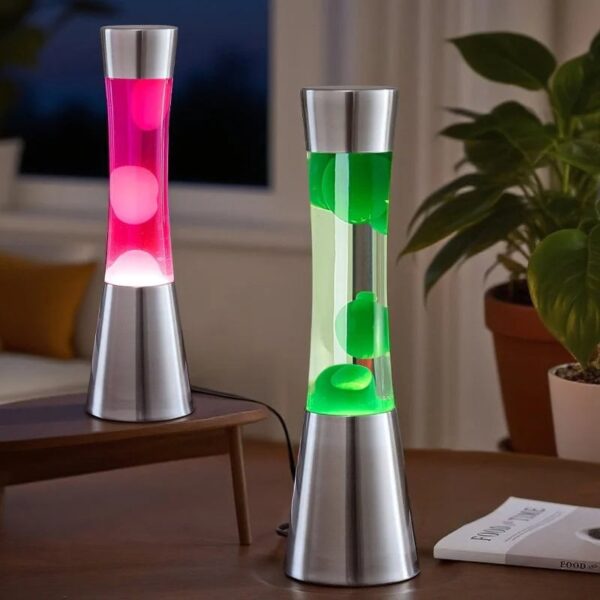
Select options
This product has multiple variants. The options may be chosen on the product page
70s Lava Lamp
$194.99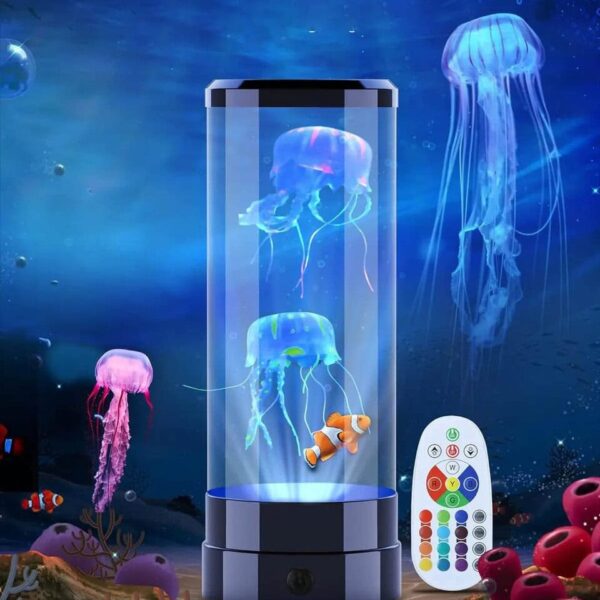
Select options
This product has multiple variants. The options may be chosen on the product page
Jellyfish Lava Lamp
$141.99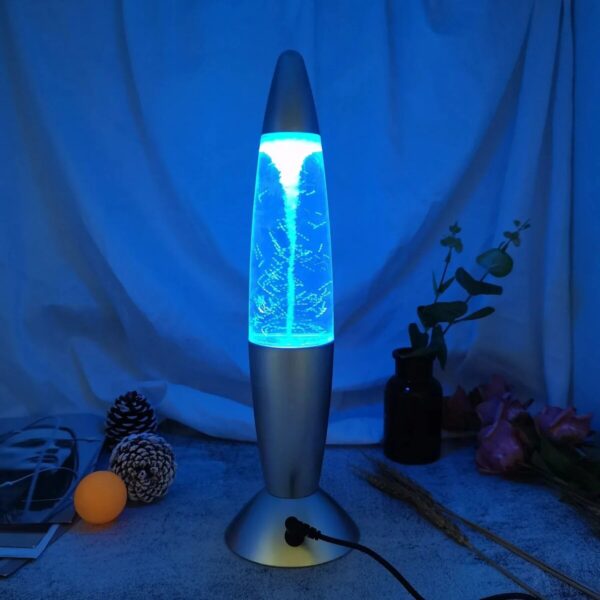
Select options
This product has multiple variants. The options may be chosen on the product page
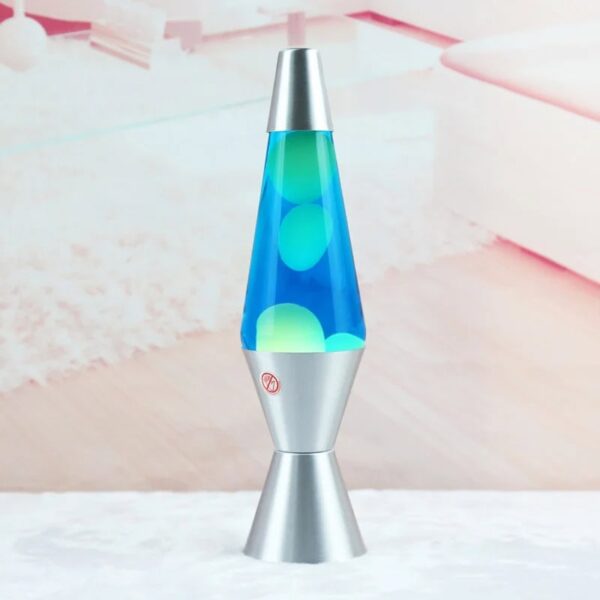
Vintage Lava Lamp
$57.99Origin and Evolution of Lava Lamps
The history of the lava lamp begins in 1963 with British inventor Edward Craven Walker. Inspired by a liquid hourglass seen in a pub, he developed a unique object where the heated wax dances in a glass globe. His first creation, the famous Astro Lamp, was marketed under the Mathmos brand and quickly achieved great success upon its launch.
Quickly, the lamp surpassed its simple decorative role to become a cultural emblem. In the 1970s, it emerged as a symbol of freedom and nonconformity, accompanying the rise of psychedelic culture. It can be found in teenagers’ rooms, artist studios, and even in movie sets where it embodies a rebellious and avant-garde spirit.
After a slight decline in the 1980s and 1990s, the lava lamp saw a dramatic comeback in the early 2000s. Its retro aesthetic appealed to nostalgia lovers, while its hypnotic quality attracted a new generation in search of zen and calming objects. Even today, it is used both as a vintage element and a source of relaxation, holding a unique place in the world of interior decoration.
The Components of a Lava Lamp
The operation of a lava lamp is based on a combination of four main elements that together create the distinctive visual effect. Each has a specific role and contributes to the overall balance of the object.
It all starts with the heating base, typically made of metal or plastic. This is where the bulb is housed and which ensures the even distribution of heat to the globe. Without this constant heat, the wax would remain still at the bottom, and the lamp’s magic would not occur.
At the heart of the mechanism is the bulb. Unlike a regular lamp chosen for its brightness, this one is selected for its thermal power. With an intensity generally ranging from 25 to 40 watts, it continuously heats the contents of the globe, triggering the rise and fall of the wax bubbles.
Next is the visual duo that gives the lamp its soul: wax and carrier liquid. The wax is often colored with bright hues to create striking contrasts when it moves. The liquid, on the other hand, can remain clear to enhance brightness or be slightly colored to enrich visual depth. The combination of the two gives it that hypnotic and calming appearance that draws the eye.
Finally, everything is contained within a glass globe. Hermetically sealed, it prevents any leakage and protects the internal mixture. It also plays a safety role: as long as the lamp is used correctly, without shaking or opening, the globe ensures durable and safe use. Its transparency allows for admiring the luminous spectacle in the best conditions.
Comparison Chart of Different Types of Lava Lamps
| Lamp Type | Size | Visual Effect | Average Price | Ideal Use |
|---|---|---|---|---|
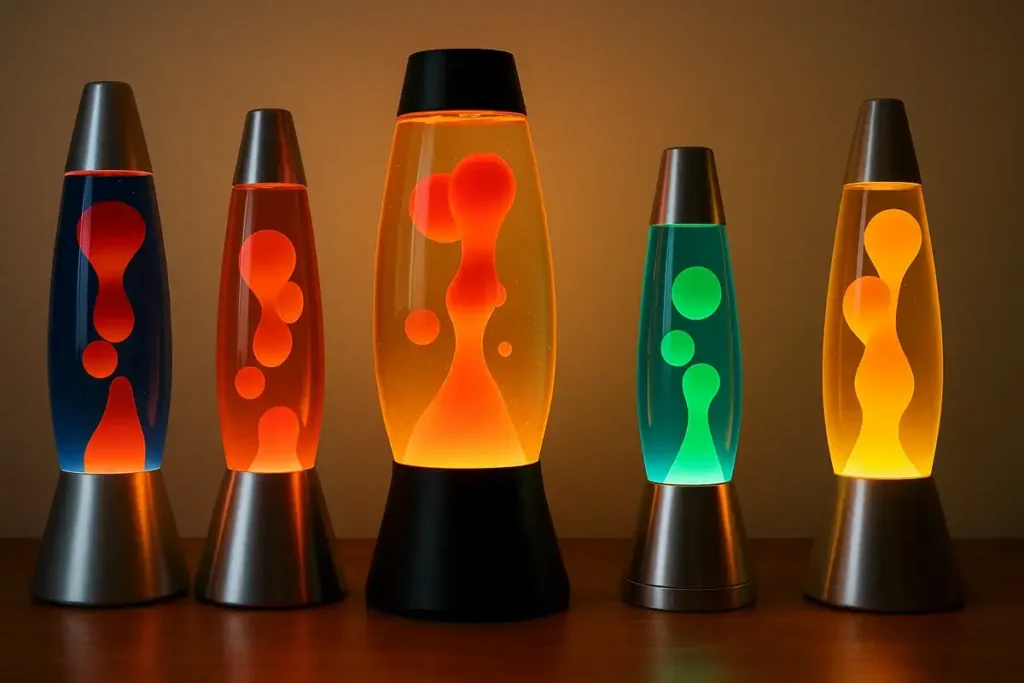
| Classic | 12–16 in | Slow, hypnotic bubbles | $25–40 | Living room, bedroom |
| Large (Giant) | 31–47 in | Impressive flow | $100–200 | Spectacular decor piece |
| Mini Lamp | 6–8 in | Fast movements, compact format | $10–20 | Desk, kids' gift |
| Designer Edition | Varies | Innovative shapes, modern finishes | $50–150 | Trendy decor |
Practical Cases and Expert Tips
How Long Does It Take to Heat a Lava Lamp?
A lava lamp does not come to life immediately after being turned on: it usually takes between 30 minutes and 1 hour before the first colored bubbles start floating. This duration varies depending on the size of the model and the power of the bulb. A small lamp may be operational in half an hour, while a giant model may take up to two hours to display its full spectacle. Ambient temperature also plays a role: in a cool room, the warming process will be slower. It’s advisable to turn on the lamp early enough to enjoy its effect during a relaxation moment or an evening.
Where to Place Your Lamp for the Best Visual Effect?
The choice of location is crucial for fully enjoying the charm of a lava lamp. It should be placed on a stable and flat surface, away from vibrations that could disturb the wax movement. Avoid areas too close to a window or radiator, as an external heat source could disrupt the internal thermal balance. For an optimal display, position it at eye level so that the gaze can get lost in the moving bubbles. It fits perfectly on a nightstand, a living room shelf, or a desk, creating both a decorative and calming atmosphere.
Maintenance Tips and Average Lifespan
A lava lamp requires little maintenance, but a few precautions can help prolong its lifespan. It is important to never shake the globe, especially when hot, as this could irreversibly mix the wax and liquid. For cleaning, simply use a soft, dry cloth to preserve the clarity of the glass. In terms of durability, a quality lamp can provide over 2000 hours of use. With reasonable use, this corresponds to several years of visual pleasure. It is also recommended to let it rest between extended uses to preserve the wax and avoid any overheating.
What to Do If the Bubbles Remain Stuck?
Occasionally, a lava lamp may experience malfunctions, especially when the bubbles appear stuck at the top or bottom of the globe. In this case, it is advisable to completely turn it off and let it cool for several hours before turning it back on. This cycle often helps reestablish the thermal balance. If the problem persists, it could be due to aging of the internal mixture or a dying bulb. Replacing the bulb is often enough to give the lamp a second wind. However, if the wax is damaged, it will be difficult to restore its original functioning.
Mistakes to Avoid with a Lava Lamp
Never Shake the Glass Globe
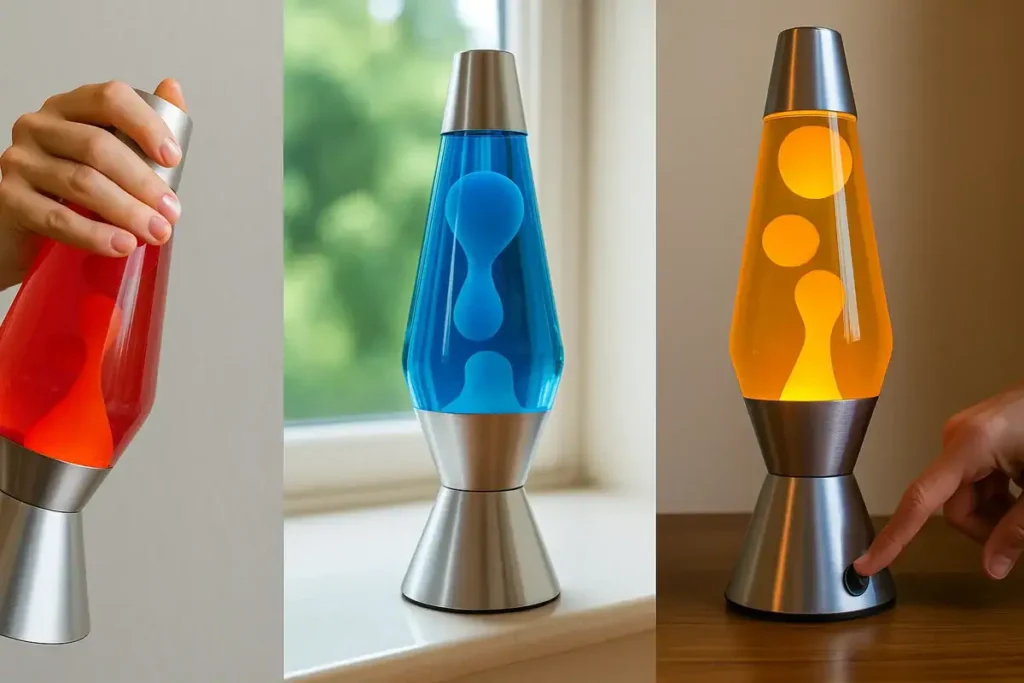
The temptation to shake the lamp to speed up the wax movement can be great, but it’s a fatal mistake. A sudden shake can permanently mix the wax and the carrier liquid, destroying the visual effect for which the lamp is designed. Therefore, it must be handled with care and patience.
Avoid Direct Sunlight or Heat Sources
A lava lamp should remain in a tempered environment. Prolonged exposure to sunlight can alter the color of the liquid and weaken the wax. Likewise, if placed too close to a radiator, it risks overheating excessively, which could lead to deformation or premature aging of the internal components.
Do Not Leave It On for More Than 8-10 Hours Straight
While it may be tempting to keep it turned on continuously to enjoy its spectacle, prolonged use can lead to overheating. This can damage the wax and drastically reduce the lamp’s lifespan. It is recommended to limit each usage session to a few hours and let it cool down between uses.
Do Not Change the Liquid Yourself
The mixture of wax and liquid is carefully crafted in a laboratory to ensure the perfect balance between density and movement. Attempting to replace the liquid at home or tinkering with the wax almost always results in a loss of effectiveness, or even destruction of the visual effect. If the lamp is damaged or too old, it is better to invest in a new model rather than trying to repair it yourself.
Frequently Asked Questions About Lava Lamps
Does a Lava Lamp Consume a Lot of Electricity?
No, the consumption is low: a 25 to 40 W bulb equals just a few cents per day of use.
Is It Dangerous for Children?
The lamp itself is not dangerous, but contact with the hot globe should be avoided. It should be placed out of reach of young children.
How Long Does a Lava Lamp Last on Average?
Depending on quality and maintenance, a lamp can last between 8 and 15 years. High-end models offer better longevity.
Can You Make a Homemade Lava Lamp?
There are DIY experiments using oil, water, and fizz, but they do not match the visual quality of professional models. It’s fun for a science demonstration, but less durable.
We also offer another type of lamp like the moving sand lamps.