Free Shipping on Orders Over $50


Robots for 5-7 Year Olds
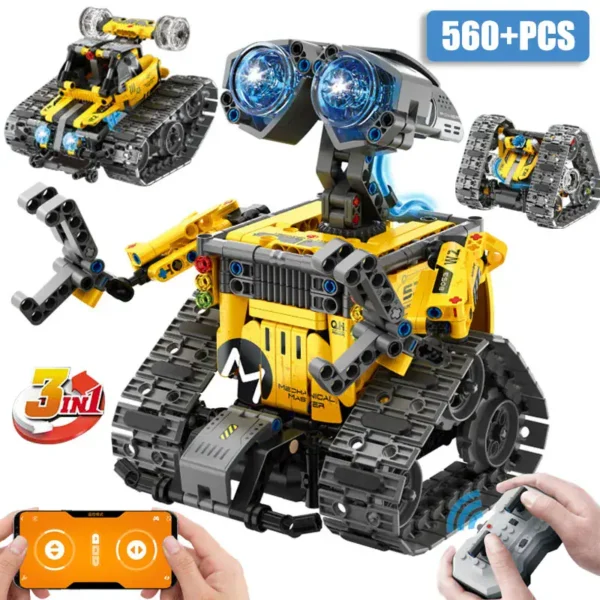
Select options
This product has multiple variants. The options may be chosen on the product page
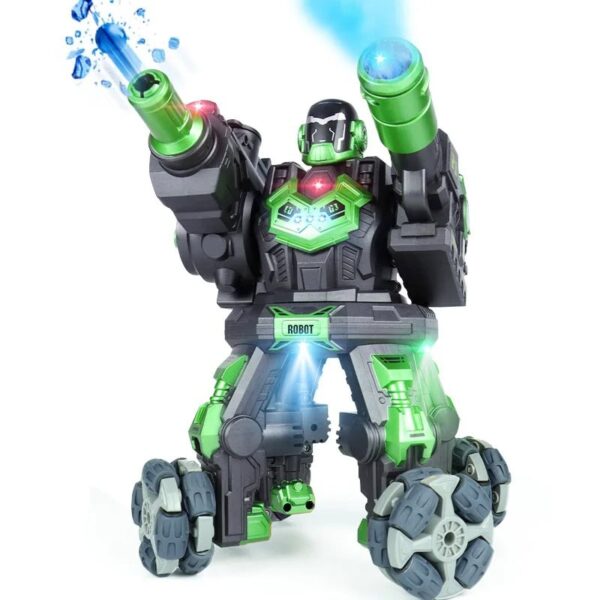
Combat Robot Toy
$95.99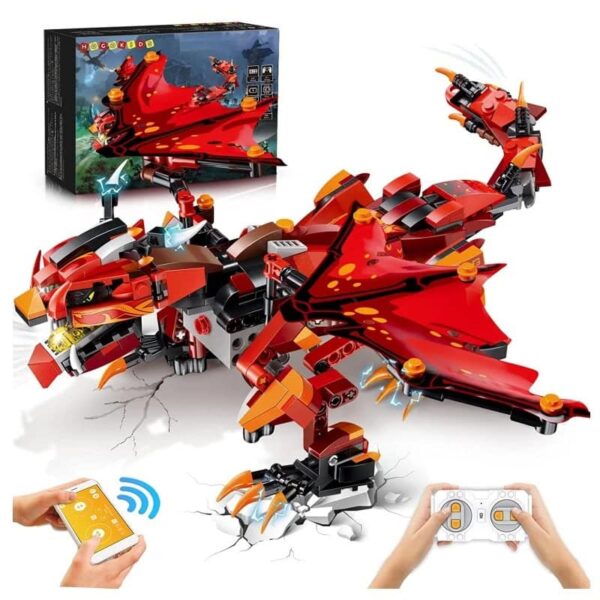
Select options
This product has multiple variants. The options may be chosen on the product page
Kids Build-It Robot
$103.99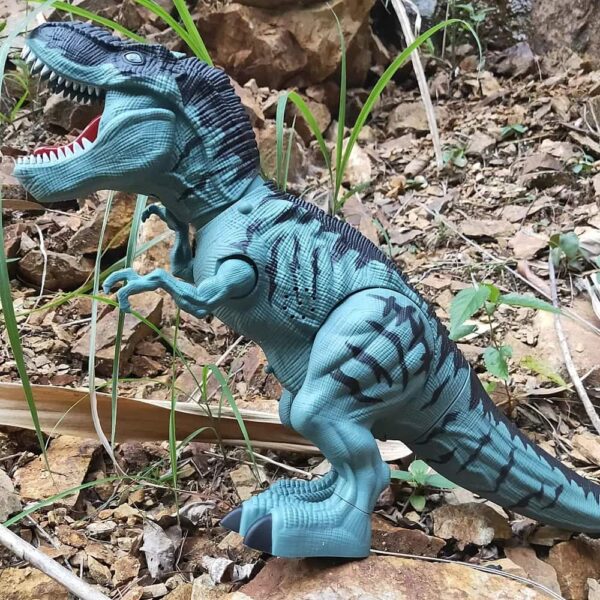
Select options
This product has multiple variants. The options may be chosen on the product page
T-Rex Dinosaur Robot
$37.99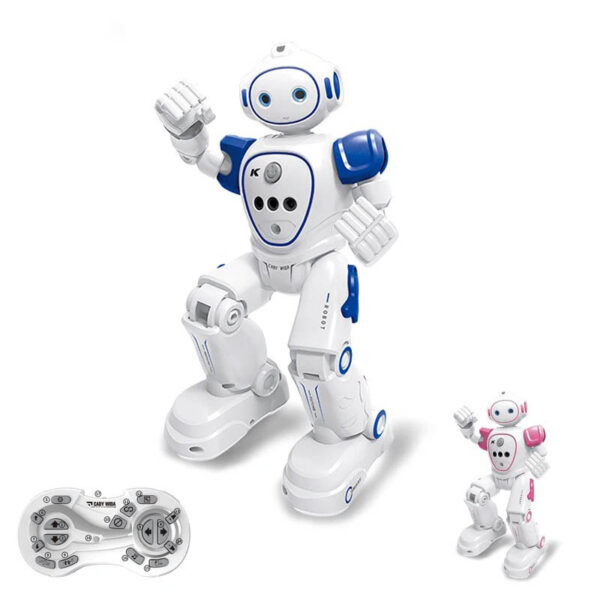
Select options
This product has multiple variants. The options may be chosen on the product page
Interactive Robot for Kids
$44.99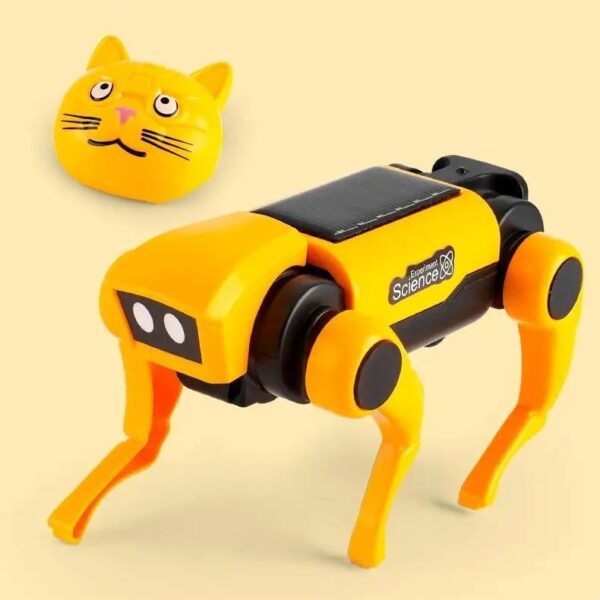
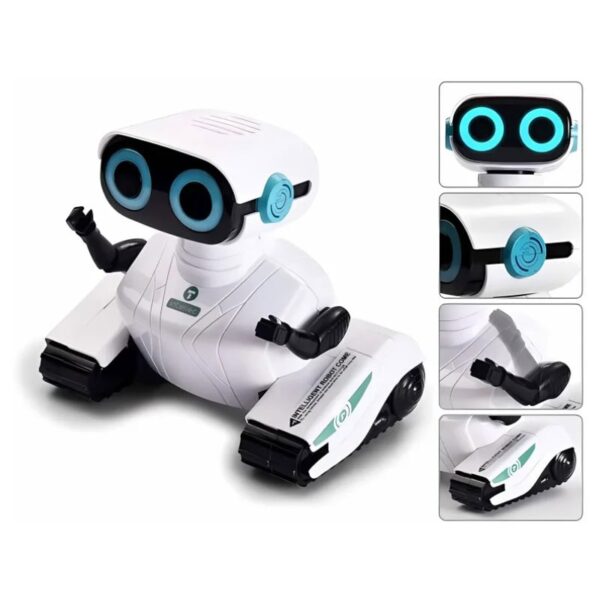
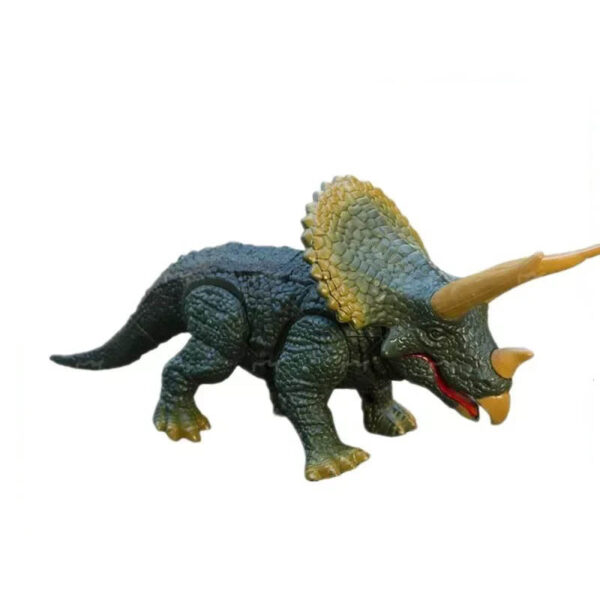
Triceratops Robot
$64.99They move, blink, respond to touch, and turn a simple command into a little adventure. You line up arrows, test a path, laugh at a sound, fix a step, and the story starts again. This playful companion bridges pretend play and early sequential logic: these are true robots for 5-7 year olds.
Why choose a robot for a 5-7 year old?
At this age, children refine their fine motor skills, learn to anticipate, and connect an action to an effect. The right robot acts as a gateway to problem-solving (sequences, spatial awareness), encourages independence, and supports language through storytelling (“what will it do next?”). 2025 trend: modular scenarios that grow with the child.
The different types of robots suited to ages 5-7
Three families dominate: interactive models (animal/dinosaur) for imagination, remote-controlled ones for hand-eye coordination, and programmable ones using cards/blocks for sequential logic. Simple build kits add the satisfaction of assembly.
| Type | Skills | Usage | Interaction | Budget |
|---|---|---|---|---|
| Interactive (animal/dino) | Language, imagination, cause/effect | Free play & stories | Sensors, sounds, lights | $ |
| Remote-controlled | Coordination, trajectories | Ground courses | Simple controller, auto modes | $–$$ |
| Programmable (cards/blocks) | Sequences, anticipation | Progressive challenges | Picture cards / guided app | $$–$$$ |
| Build kit (simple) | Patience, method | Guided assembly | Click-together pieces | $–$$ |
How to choose the right robot for your child?
- Level: start with short actions (move forward, turn), then extend the sequences.
- Clarity: readable pictograms, immediate feedback (sound/light).
- Durability: sturdy casing, large pieces, CE compliance.
- Power: rechargeable batteries or battery, secure access.
- Variety: alternate with a kit to connect experimentation and logic.
Expert tip: check the manual, adjustable volume, and a quiet mode for noise-sensitive children.
The benefits of robots for this age group
Develop sequential thinking, introduce orientation vocabulary (left/right, U-turn), structure attention, and build confidence (“I test, I adjust, I succeed”). Meanwhile, storytelling nurtures empathy and creativity: children take on roles, imagine missions, and verbalize their action plan.
Tips for supporting your child as they use the robot
Set up a defined play mat, offer short challenges (going under a bridge, around a cushion), then let your child create their own goals. Gently introduce the “repeat/loop” cards. Alternate with exploring a drone to work on spatial awareness and safety (indoor/outdoor rules). Precaution: toys not recommended for children under 36 months due to small parts; always start under supervision.
FAQ: Robots for kids 5-7
Which robot is best for a 5 year old?
A simple interactive model or one programmable with picture cards: short actions, visual commands, instant feedback.
Are dinosaur robots suitable for young children?
Yes, as long as they have adjustable volume, gentle movements, and a sturdy casing. Favor highly visual controls.
Are programmable robots accessible at ages 6-7?
Yes, with guided interfaces (blocks/cards) and progressive challenges. The goal is to understand the sequence, not to write code.
Can an educational robot replace a classic toy?
No, it complements it. Alternate free play (building, drawing) with robotic challenges to stimulate different skills.