Free Shipping on Orders Over $50

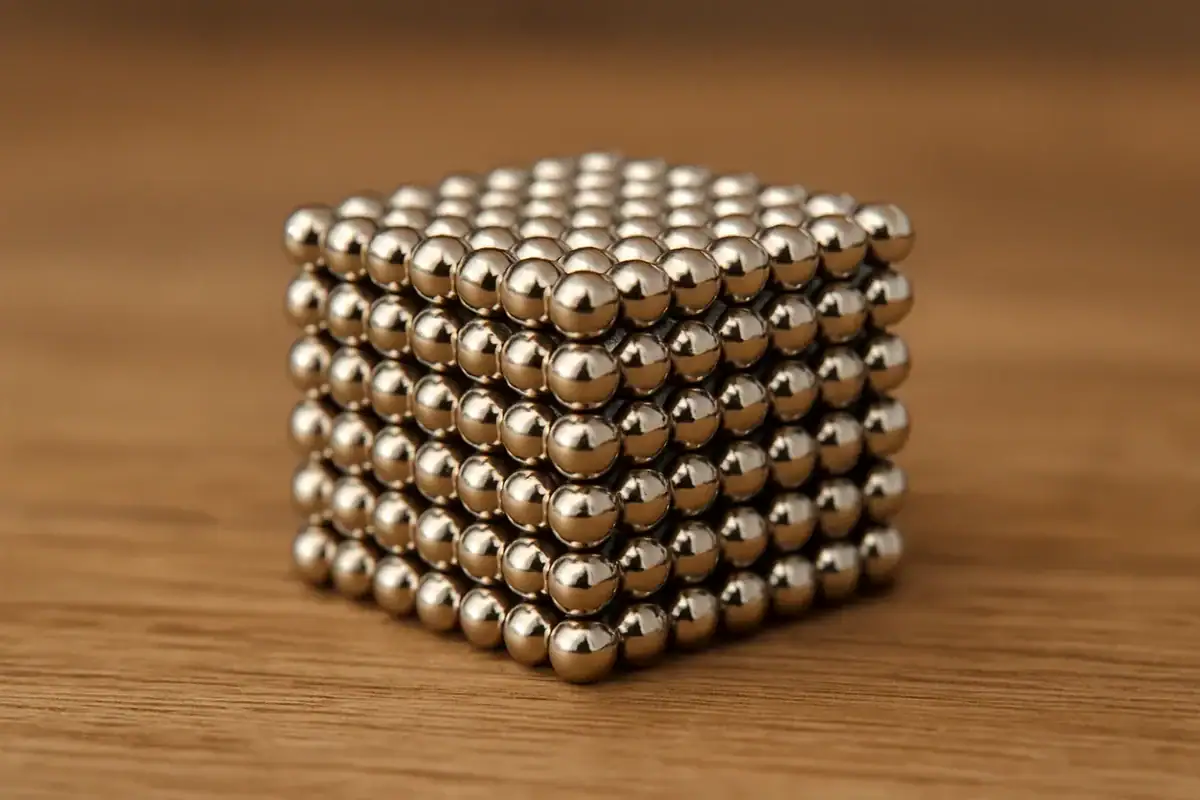
The magnetic cube is more than just a simple gadget. It is both a creative game, an anti-stress tool, and an educational support that appeals to both children and adults. With its small magnetic balls or cubes, it allows for infinite construction, stimulates imagination, and even promotes concentration. Let’s explore its benefits, uses, and the criteria for choosing the right one.
Contenus
afficher
What is a magnetic cube?
Definition and principle of operation
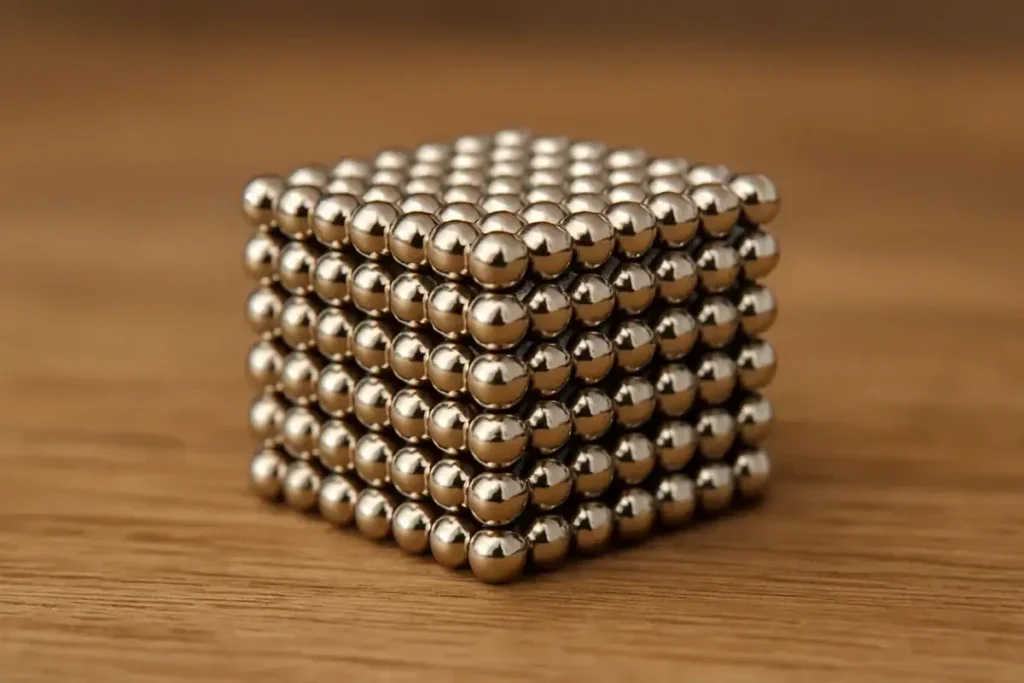
A magnetic cube consists of hundreds of small magnetic pieces – most often spherical balls or mini-cubes. These elements attract and assemble with each other due to magnetic attraction, allowing the creation of an infinite number of shapes. Depending on the user’s imagination, it is possible to form simple geometric figures (pyramids, cubes, spheres) as well as complex 3D structures. Some use it for relaxation and tactile manipulation, while others use it as educational support or a decorative object.
Origin and evolution of the object
The concept was popularized in the early 2010s under the name Neocube, which achieved global success with both adults and teenagers. Quickly, it became an essential gadget in offices, particularly as an anti-stress fidget toy. However, due to the power of the magnets and the risks associated with ingestion, several regulations were put in place to regulate its marketing. Today, manufacturers offer safer and standardized versions, incorporating protective coatings and suitable packaging to limit domestic accidents.
Materials used and magnetic properties
Modern magnetic cubes are generally made from neodymium-iron-boron alloys, one of the most powerful permanent magnets in the world. These magnets possess a high remanence, meaning they retain their magnetic power for many years. To combine durability and aesthetics, the balls or cubes are coated with nickel, copper, chrome, or titanium, offering various finishes (metallic, colored, matte). This treatment also protects the magnet from oxidation and wear.
Thus, the magnetic cube stands out for its simple yet fascinating principle: utilizing the invisible power of magnetism to bring creative, educational, and relaxing constructions to life.
The benefits of the magnetic cube
An excellent anti-stress and fidget toy
The magnetic cube acts as a true relaxation tool. Its repetitive manipulation helps to release stress, reduce anxiety, and channel energy, much like stress balls or hand spinners. Many users adopt it at work, during study sessions, or even in meetings, as it allows them to stay focused without digital distractions. This tactile and visual stimulation affects the nervous system and promotes an immediate sense of calm.
Stimulating creativity and imagination
With its thousands of possible combinations, the magnetic cube is an endless source of creativity. It encourages the imagination to build unique shapes, ranging from simple geometric figures to complex architectural structures. It is an ideal tool for developing a sense of innovation, experimenting with new ideas, and expressing creativity, whether in free play or in educational workshops.
Development of fine motor skills and concentration
The manipulation of small magnetic pieces stimulates fine motor skills and hand-eye coordination. The precise gestures needed to assemble or separate the elements strengthen finger agility and dexterity. Moreover, the process requires patience and sustained attention, which enhances the ability to focus on a given task. For children, it is a playful tool that complements educational activities; for adults, a means to strengthen mental endurance.
Decorative aspect and modern design
Beyond its playful aspect, the magnetic cube can become an elegant decorative object. Assembled into original structures, it adds a design and minimalist touch to a desk, shelf, or workspace. Some models even offer high-end finishes (chrome, gold, colored) that make them aesthetic accessories as well as practical ones. It is thus a hybrid object, both functional and visually attractive.
In summary, the benefits of the magnetic cube go far beyond simple play: it is a tool for relaxation, creativity, personal development, and decoration, fitting into both educational and professional contexts.
Concrete uses of the magnetic cube
For children: fun learning and educational games (with precautions)
The magnetic cube can serve as a stimulating educational tool to introduce concepts like geometry, symmetry, or three-dimensional structures. Older children find it a fun way to develop their scientific curiosity and fine motor skills. However, there is a real risk of ingestion with small magnetic pieces: it is not recommended for young children. Its use should only take place from an appropriate age (generally from 14 years old) and always under adult supervision.
For adults: relaxation and productivity tool
For adults, the magnetic cube acts as a welfare ally. It helps to reduce stress during workdays, regain calm during tense moments, and maintain focus on long or repetitive tasks. Some professionals use it as an alternative to digital breaks, as it promotes active relaxation without distracting the mind. Placed on a desk, it becomes a discreet yet effective companion for improving productivity.
In schools and training: educational support
More and more teachers and trainers are incorporating magnetic cubes into their lessons. They allow for a concrete illustration of scientific principles (forces of attraction, magnetism, molecular structures) or mathematical concepts (symmetry, polyhedra, volumes). This playful usage promotes memorization and makes learning more engaging. Again, an essential rule: reserve these tools for older students and adhere to safety instructions.
In the workplace: fostering team creativity
In the professional world, the magnetic cube is featured during seminars and team-building workshops. Collaborators can use it to create collective constructions, stimulate their imagination, and develop team cohesion. This object thus becomes a tool to trigger innovative ideas, encourage lateral thinking, and establish a relaxed and collaborative atmosphere. It is also appreciated as a design office object, reinforcing a modern and creative image of a company.
In short, the magnetic cube finds its place in very varied contexts: educational, professional, or personal. But it is important to remember that due to its small magnetic pieces, its use should be reserved for adults and teenagers, with caution and vigilance when manipulated near children.
Practical cases and expert advice
How to use the cube to relax at the office
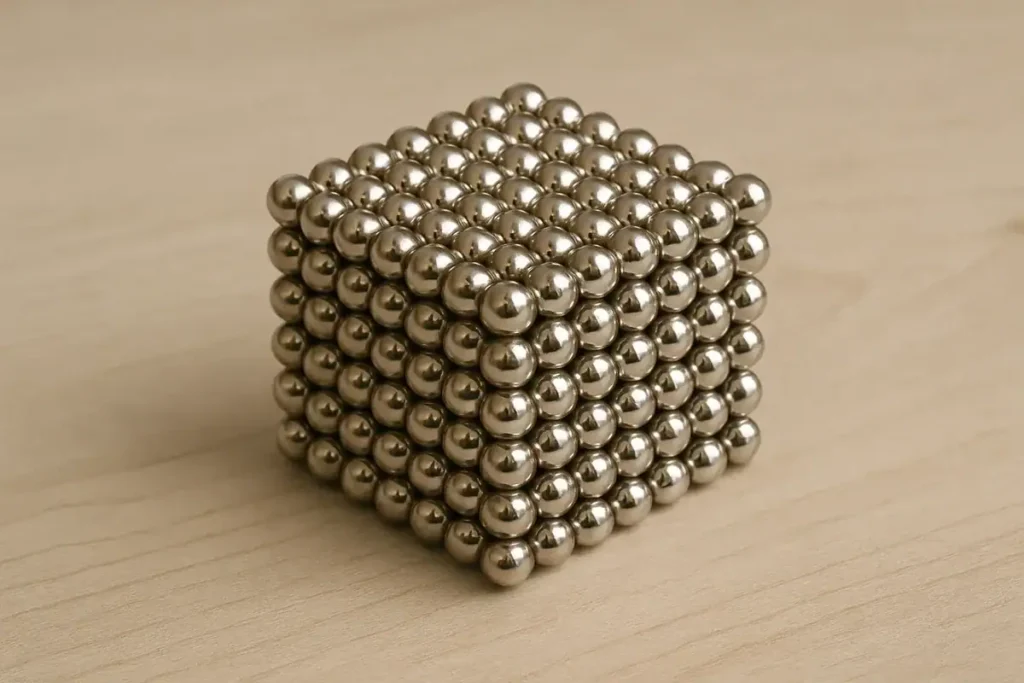
At work, it is common to seek quick breaks to release pressure. Rather than scrolling on a smartphone, spending a few minutes manipulating a magnetic cube helps to release tension and refocus. The repetitive gestures activate a form of active meditation, helping to clarify ideas and regain productivity. Many professionals report that keeping a magnetic cube on their desk reduces their daily stress and enhances focus before an important meeting or task.
Examples of constructions and creative figures
The possibilities offered by the magnetic cube are infinite. Here are some concrete ideas to vary creations:
- Simple geometric shapes: cubes, pyramids, spheres.
- Decorative objects: hearts, stars, letters, or symbols.
- Complex figures: stylized animals, miniature vehicles, futuristic structures.
- Artistic creations: colorful mosaics, abstract patterns, modular constructions.
These realizations are not only aesthetic: they stimulate the imagination and provide genuine creative satisfaction.
Tips to extend the life of the cube
A quality magnetic cube can last for several years, but only if it is maintained properly. Here are good practices to adopt:
- Avoid moisture and prolonged exposure to water, which can corrode the magnets.
- Store the cube in its box or a protective case to prevent loss of pieces.
- Do not drop it on hard surfaces to preserve the protective coating.
- Keep magnets away from sensitive devices (credit cards, hard drives, pacemakers).
These simple precautions ensure better durability and keep the magnetic power intact for longer.
Comparison: magnetic cube vs other similar objects
To better understand the specificity of the magnetic cube, here is a comparative table with other playful and educational objects:
| Object | Principle | Difficulty | Main Benefit | Average Price |
|---|---|---|---|---|
| Magnetic Cube | Assembly of magnetized balls or mini-cubes | Easy to moderate | Creativity, relaxation, cognitive stimulation | 15 - 40 € |
| Rubik's Cube | Align the colors of a rotating cube | Moderate to difficult | Logic, strategic thinking | 10 - 25 € |
| Fidget Cube | Buttons, dials, and switches to fidget with | Very easy | Quick relaxation, anxiety relief | 5 - 15 € |
| 3D Puzzle | Assembly of pre-cut pieces | Moderate | Patience, methodical building | 15 - 50 € |
This comparison shows that the magnetic cube occupies a unique place: it is as easily accessible as an anti-stress cube, but offers a creative potential similar to a 3D puzzle, while remaining as stimulating as a Rubik’s Cube.
How to choose the right magnetic cube
Selection criteria (size, weight, material, number of pieces)
The more pieces there are, the more varied the construction possibilities. Neodymium models are more durable and powerful.
Different ranges available (leisure, professional, luxury)
- Leisure: affordable versions, ideal for beginners.
- Professional: robust and powerful cubes designed for intensive manipulation.
- Luxury: high-end finishes, perfect as collectible items.
Where to buy a quality magnetic cube
They can be found in specialty stores, on e-commerce sites, or through reputable brands. It is better to avoid low-end copies that wear out quickly.
Usage precautions and mistakes to avoid
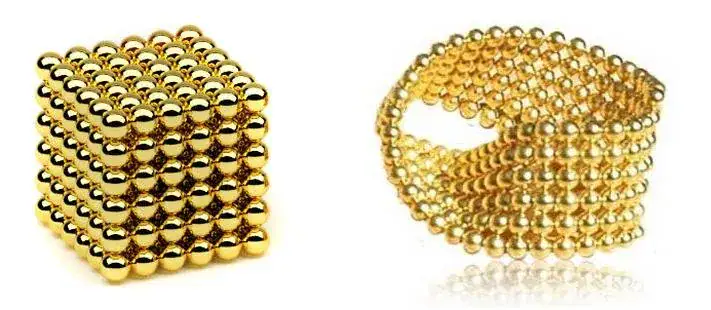
The magnetic cube is a fascinating object, but it requires some safety rules to be used safely and fully enjoyed. Here is what to know before adopting it.
A real risk for children and pets
Magnetic cubes are composed of small magnetic pieces that represent a serious danger in case of ingestion. Unlike a classic toy, they should never be left within reach of children under 14 years old or pets. Ingesting multiple magnets can lead to serious medical complications. That is why these objects are generally reserved for teenagers and adults.
Essential usage precautions
- Use the cube in an appropriate setting: office, creative workshop, study space.
- Avoid moisture and extreme environments: excessive heat, prolonged exposure to sunlight, or violent shocks can alter the magnetism.
- Store pieces carefully: to avoid losing them and prevent accidental manipulation.
- Keep away from sensitive devices: credit cards, hard drives, and pacemakers can be affected by magnetic fields.
The most common mistakes
- Choosing a low-end model: these versions scratch quickly, lose their magnetism fast, and detract from the experience.
- Leaving the cube unsupervised near children: the risk of ingestion makes this mistake particularly critical.
- Forcing pieces: pulling or twisting excessively can damage the protective coating and weaken the magnets.
In summary, the magnetic cube is an object that is playful, decorative, and educational, but its use must remain responsible and vigilant. Well chosen and used correctly, it can last several years and provide a rich experience without unnecessary risk.
FAQ: everything you need to know about the magnetic cube
At what age can a child use a magnetic cube?
In general, from 14 years old. For younger ones, there are safer alternatives like suitable magnetic puzzles.
Can a magnetic cube lose its magnetic power?
Yes, but only after many years of use or if it is exposed to extreme conditions (heat, shocks, corrosion).
Is it dangerous to have several cubes near electronic devices?
Powerful magnets can interfere with some sensitive devices. Avoid placing them near credit cards, hard drives, or pacemakers.
What is the difference between a magnetic cube and Neocube?
The term Neocube refers to one of the first brands of neodymium magnetic cubes. Today, other manufacturers offer similar models.
Conclusion
The magnetic cube is a versatile object: it entertains, relaxes, and stimulates creativity. By choosing a quality model and following a few usage rules, you enjoy a playful companion in your daily life that is both decorative, educational, and relaxing.