Free Shipping on Orders Over $50
The greatest scientists in history are not just famous figures: they are men and women who have transformed our view of the world. From Einstein’s theory of relativity to Marie Curie’s discovery of radioactivity, their work continues to influence our daily lives. This article invites you to discover the 20 most renowned scientists, their legacy, as well as common mistakes to avoid when studying the history of science.
Contenus
afficher
What Defines a Great Scientist?
The Criteria for Scientific Notability
A great scientist stands out for their major discoveries, but also for their lasting impact on society. Distinctions such as the Nobel Prize or the adoption of their theories by the scientific community are markers of this notability. More than official recognition, it is the ability to permanently change our understanding of the world that establishes their historical role.
Innovation, Transmission, and Legacy
Beyond discovery, a scientist becomes a reference when they share their knowledge. Science communication, teaching, and influence on future generations are key elements. Leonardo da Vinci and Richard Feynman are not only famous for their work but also for sharing their vision in an accessible way.
The 20 Greatest Scientists in History
1. Albert Einstein (modern physics)
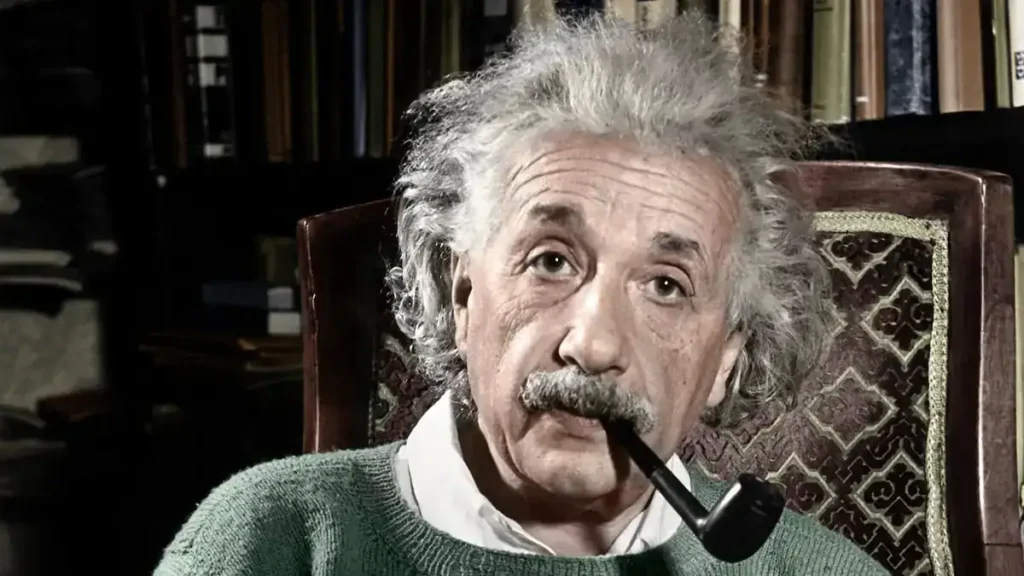
Albert Einstein is undoubtedly the most iconic scientist of the 20th century. He is the father of special relativity (1905) and general relativity (1915), two theories that have transformed our understanding of space, time, and gravity. His famous equations, including E = mc², demonstrate the equivalence between mass and energy, paving the way for applications ranging from nuclear energy to cosmology.
His work continues to influence quantum physics, astrophysics, and even everyday tools like GPS, which must correct its measurements based on relativity. Einstein also received the Nobel Prize in Physics in 1921 for his explanation of the photoelectric effect, which is the foundation of modern electronics.
2. Isaac Newton (laws of gravitation)
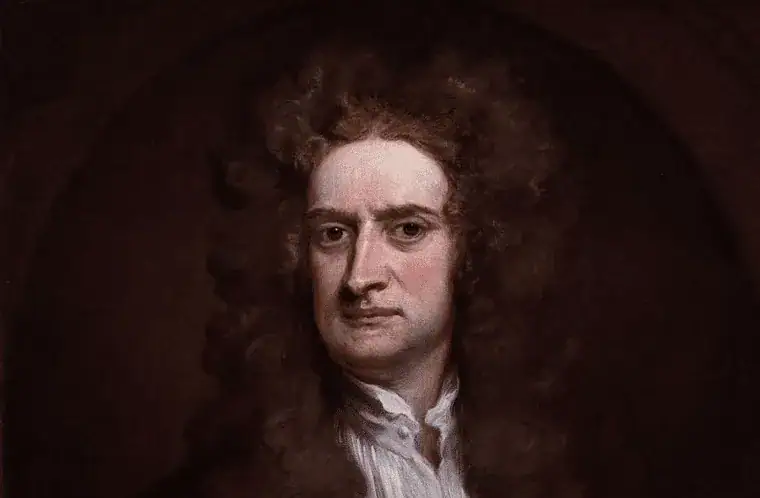
Isaac Newton laid the foundations of classical physics with his three laws of motion and his theory of universal gravitation, published in his major work Philosophiæ Naturalis Principia Mathematica (1687). These laws explain why planets orbit around the Sun and why objects fall to Earth, thus connecting celestial and terrestrial motion.
Newton also contributed to mathematics by developing calculus, and to optics with his studies on light and the decomposition of the spectrum. His legacy remains undeniable: his equations are still taught and used in mechanics, engineering, and astronomy.
3. Charles Darwin (theory of evolution)
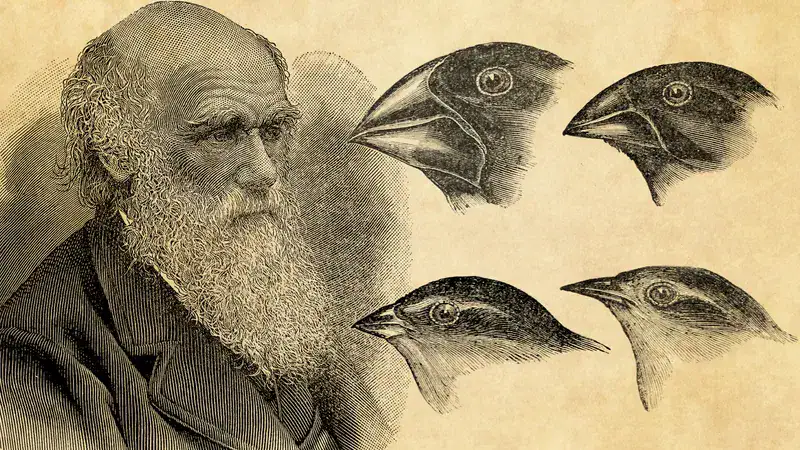
Charles Darwin profoundly transformed biology with his theory of natural selection, presented in his work On the Origin of Species (1859). According to him, species evolve over time by adapting to their environment, with the best-adapted individuals having a greater chance of surviving and reproducing.
This theory revolutionized the understanding of human and animal evolution, putting an end to the idea of species fixity. Even today, modern biology, genetics, and ecology rely on his work, and his legacy continues to provoke debates, reflections, and scientific advancements.
4. Galileo (astronomy and experimental physics)
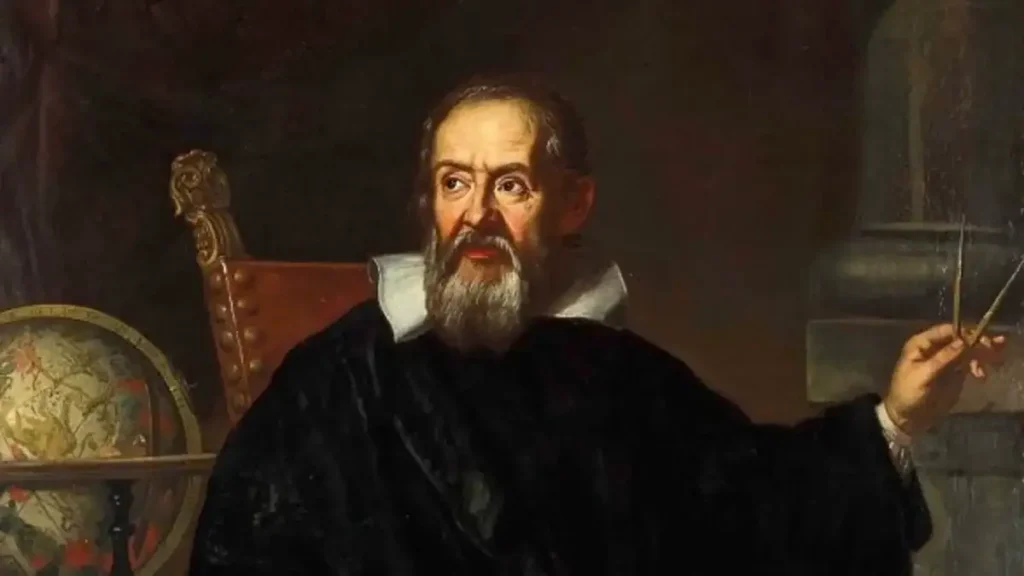
Known as the father of modern scientific method, Galileo was one of the first to advocate for the experimental approach and to challenge established dogmas. He perfected the astronomical telescope and confirmed heliocentrism by observing Jupiter’s moons and the phases of Venus, irrefutable evidence that the Earth was not the center of the universe.
In physics, he studied the motion of bodies, laying the groundwork for dynamics before Newton. His work led to conflicts with the Church, but his influence marked a decisive turning point in the history of science, connecting observation, experimentation, and mathematics.

Select options
This product has multiple variants. The options may be chosen on the product page
Original Galileo Thermometer
$114.99
Select options
This product has multiple variants. The options may be chosen on the product page
Galileo Glass Thermometer
Price range: $68.99 through $103.99
Select options
This product has multiple variants. The options may be chosen on the product page
Galileo Thermometer Water Drop
Price range: $86.99 through $126.99
5. Nikola Tesla (Electricity and Technical Innovations)
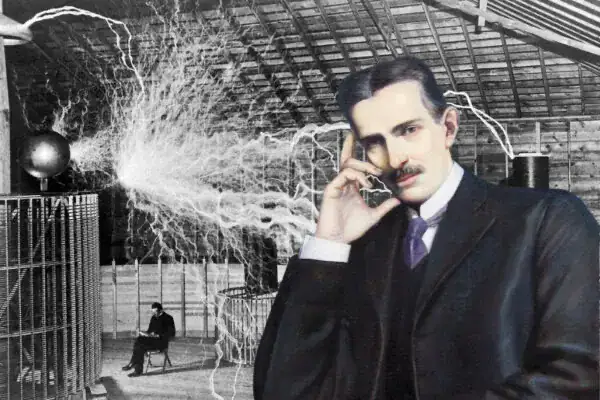
A visionary inventor, Nikola Tesla revolutionized the mastery of electricity by developing alternating current systems, which are still the foundation of our modern electrical networks. His inventions, such as the Tesla coil, paved the way for wireless transmission and high voltages.
Tesla also worked on projects ahead of his time: radio, remote control, turbines, and renewable energies. Although he remained in the shadow of Thomas Edison for a long time, his legacy is now recognized as fundamental in building the modern technological world.


Select options
This product has multiple variants. The options may be chosen on the product page
Miniature Tesla Coil
$114.99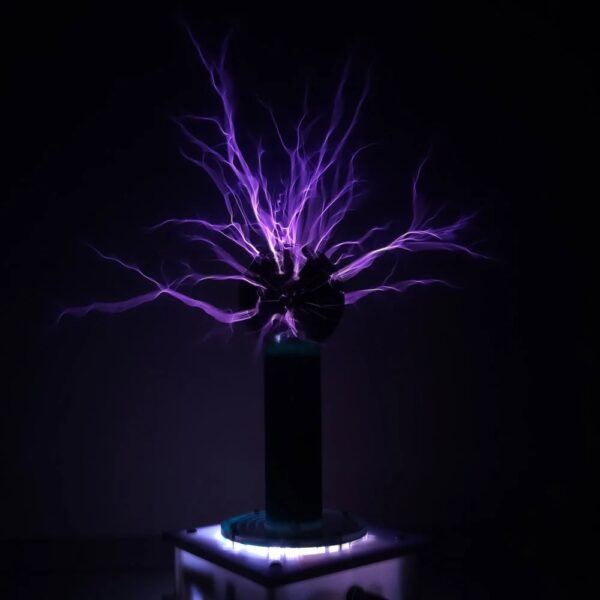

Mini Tesla Coil
$98.996. Marie Curie (radioactivity and chemistry)
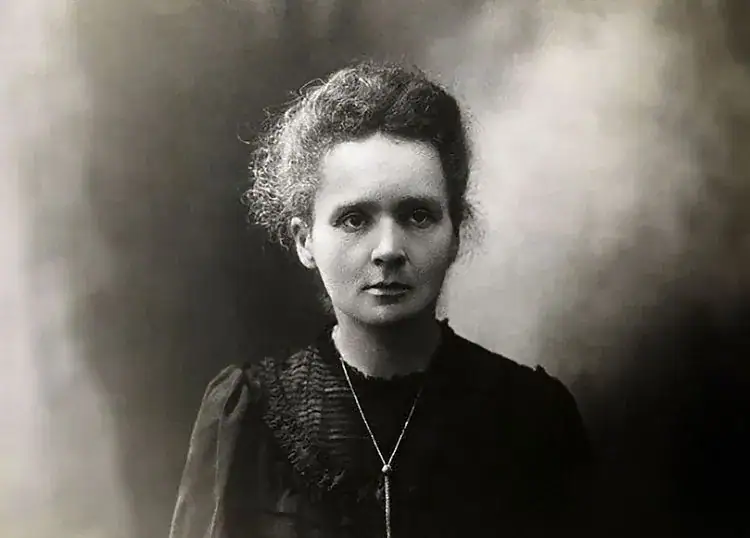
Marie Curie holds a unique place in the history of science. The first woman to receive a Nobel Prize, she remains to this day the only person to have won two prizes in two different disciplines: the Nobel Prize in Physics (1903) for her research on radioactivity, and the Nobel Prize in Chemistry (1911) for the discovery of radium and polonium.
Her work paved the way for modern medicine, particularly through radiotherapy to treat cancer. Marie Curie also played a major role during World War I by equipping ambulances with mobile radiology units. A figure of excellence and perseverance, she is a symbol of the role of women in science.
7. Leonardo da Vinci (Universal Genius and Inventions)
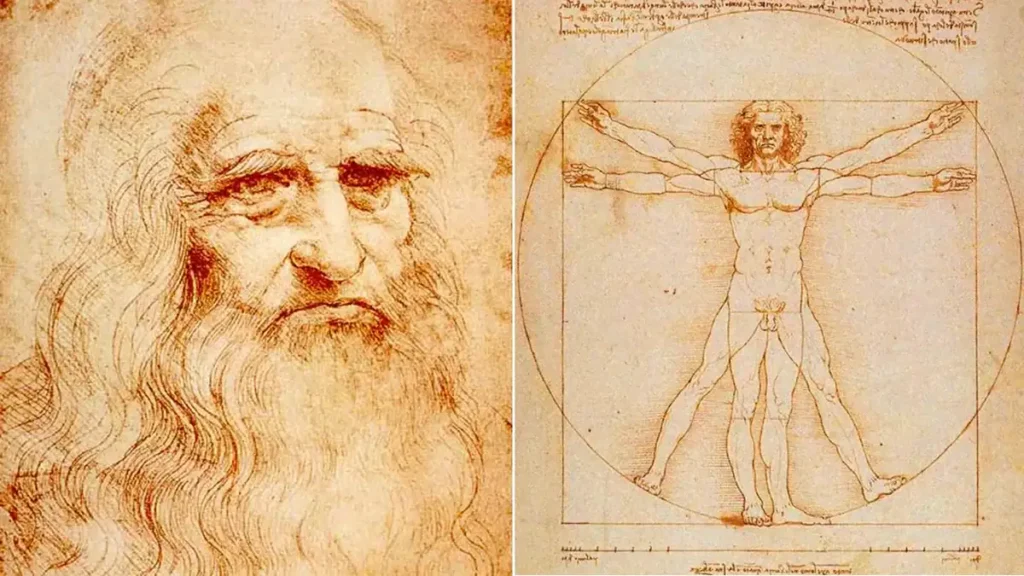
Leonardo da Vinci is a unique example of a polymath, meaning a scholar with diverse talents. Famous for his paintings like the Mona Lisa and The Last Supper, he was also an engineer, inventor, anatomist, and architect. His notebooks are filled with visionary sketches, predicting modern inventions such as the helicopter, parachute, and hydraulic machines.
Beyond his inventions, Leonardo profoundly influenced the history of anatomy through his dissections, and that of engineering with his bold designs. His universal curiosity illustrates the Renaissance and makes him the archetype of the creative genius capable of linking art and science.
8. Stephen Hawking (cosmology and black holes)
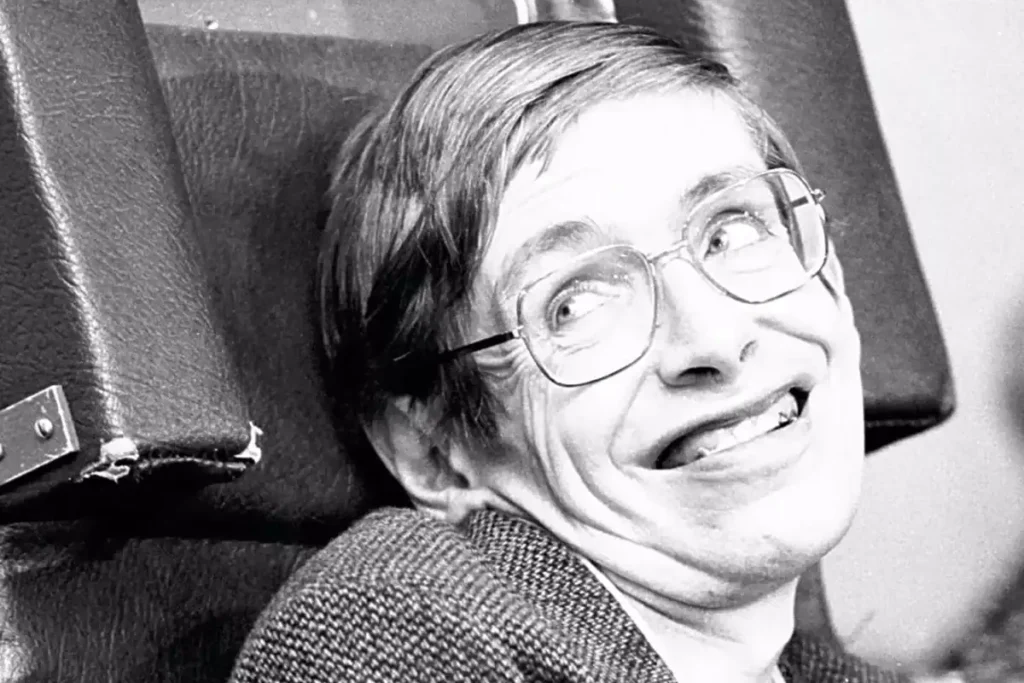
Stephen Hawking is known for his revolutionary work on cosmology and black holes. Despite a neurodegenerative disease (ALS), he pursued an exceptional career, demonstrating that black holes emit radiation now called Hawking radiation.
He is also the author of the bestseller A Brief History of Time, which popularized complex concepts such as the Big Bang, the expansion of the universe, and quantum mechanics. Hawking succeeded in bringing science closer to the general public while leaving a significant legacy in theoretical research.
9. Aristotle (Philosophy and Natural Sciences)
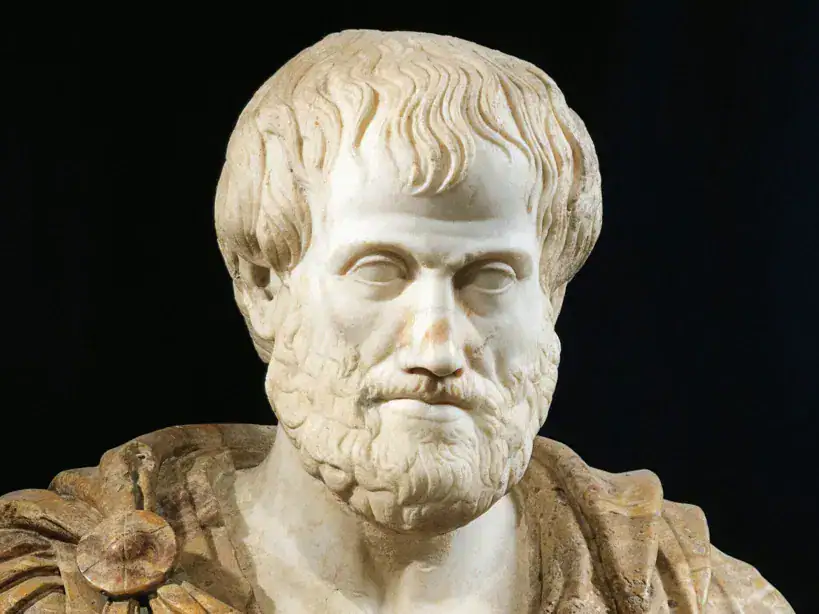
A Greek philosopher from the 4th century BC, Aristotle had a profound influence on Western thought. A student of Plato and tutor to Alexander the Great, he wrote on logic, physics, biology, ethics, and politics. His observations in biology and zoology, although imperfect, marked the beginnings of natural science.
His approach consisted of classifying and categorizing reality, thus laying the foundations of the scientific methodology. His writings dominated medieval philosophy and science for over a thousand years before being partially challenged during the Renaissance.
10. Johannes Kepler (laws of planetary motion)
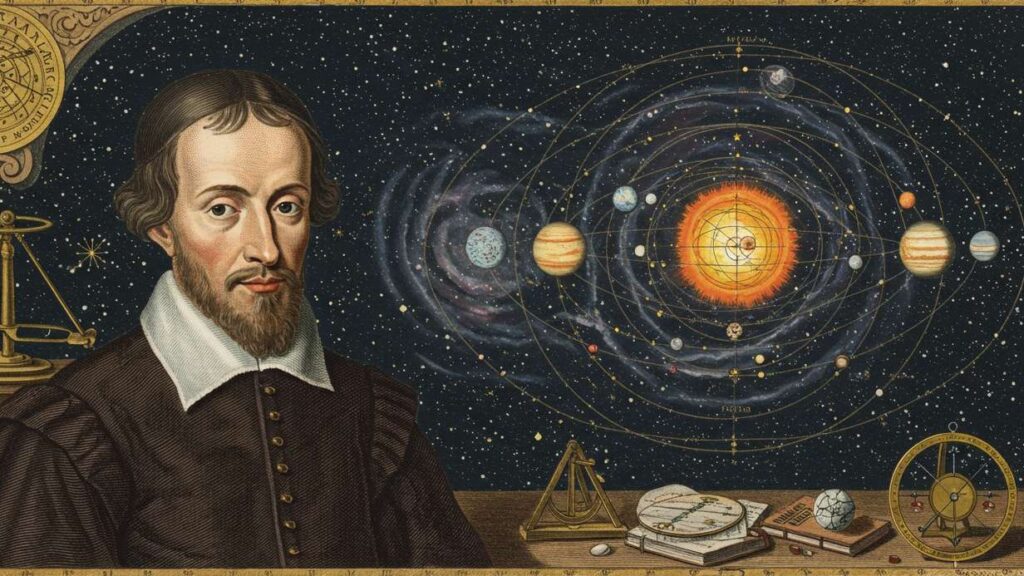
Johannes Kepler, a German astronomer of the 17th century, transformed our understanding of the solar system with his three laws of planetary motion. Contrary to the ideas of his time, he demonstrated that planets follow elliptical orbits rather than circular ones, a major turning point for astronomy.
His work, published in Astronomia Nova, laid the foundations of celestial mechanics and prepared the way for Newton’s discoveries. Kepler also contributed to optics by improving the astronomical telescope, allowing for more precise observations of the sky. His legacy connects the Copernican revolution to modern physics.
11. Louis Pasteur (vaccination and microbiology)
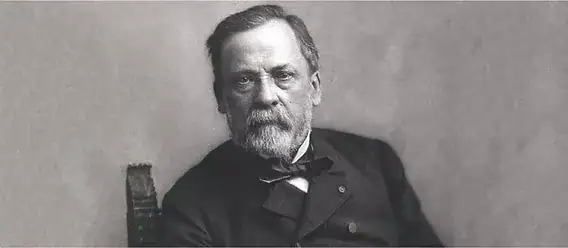
Louis Pasteur is one of the pioneers of microbiology. His research revolutionized modern medicine by demonstrating that many microbes were responsible for diseases. Thanks to this discovery, he established prevention methods such as pasteurization, which helps preserve food by destroying pathogens.
He is also the originator of major vaccines, notably against rabies and anthrax. His work has saved millions of lives and founded the notion of immunization, the basis of current public health. Pasteur embodies the direct link between science and the well-being of humanity.
12. Gregor Mendel (modern genetics)
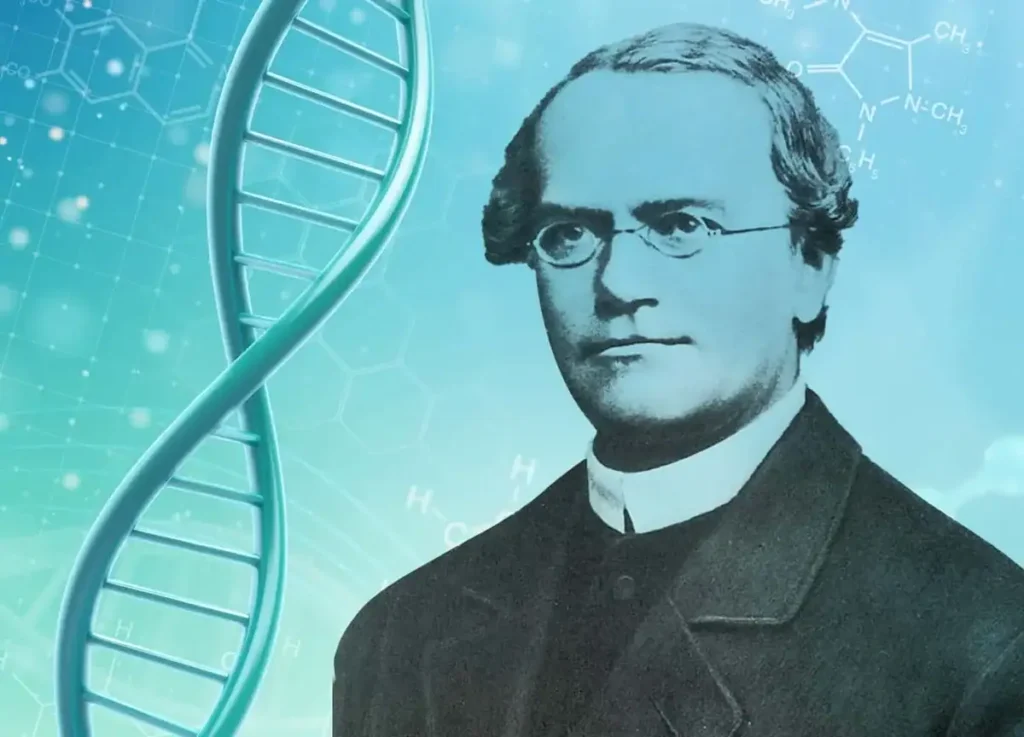
19th-century Austrian monk and botanist, Gregor Mendel is considered the father of modern genetics. Through his experiments on peas, he highlighted the laws of heredity: transmission of dominant and recessive traits, segregation, and independence of genes.
Although his work remained unknown during his lifetime, it was rediscovered in the early 20th century and laid the foundation for modern genetics. Today, his discoveries find applications in medicine, agriculture, and molecular biology research.
13. Alan Turing (computer science and cryptanalysis)
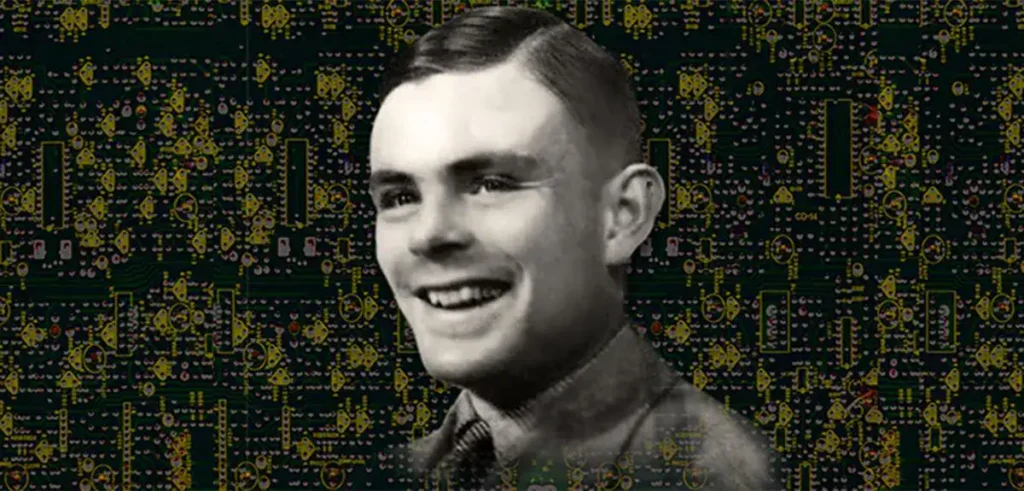
Alan Turing, a British mathematician, is recognized as the father of modern computing. During World War II, he played a crucial role in deciphering the codes of the German Enigma machine, directly contributing to the Allies’ victory.
Beyond his military role, Turing conceptualized the Turing machine, a theoretical model of computation that remains the foundation of computer science and artificial intelligence. His thoughts on thinking and consciousness have also opened ongoing debates about the boundary between man and machine.
14. René Descartes (Mathematics and Scientific Method)
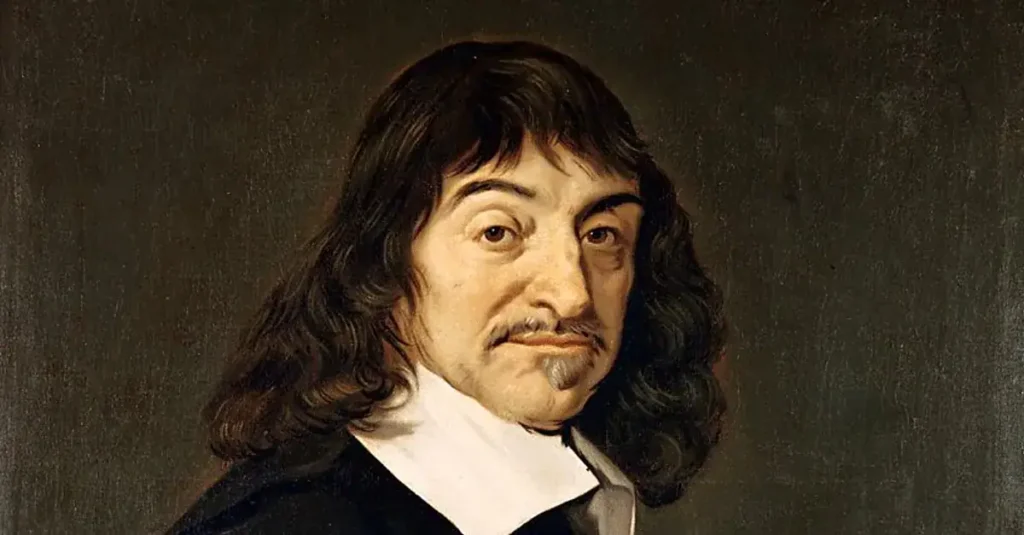
Philosopher, mathematician, and scientist, René Descartes is one of the great intellectual figures of the 17th century. Founder of rationalism, he asserted that reason and methodical doubt were the most reliable tools for reaching the truth, as summarized by his famous statement “I think, therefore I am.”
In mathematics, he invented the Cartesian plane, linking algebra and geometry, an essential tool still used today in sciences and engineering. His scientific method, based on analysis and deduction, marked a turning point in the way knowledge is conceived and validated.
15. Michael Faraday (Electromagnetism)
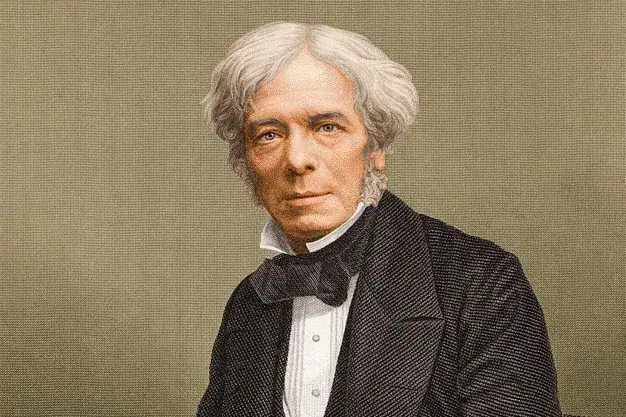
Michael Faraday, a British chemist and physicist, is responsible for fundamental discoveries in electromagnetism. He highlighted electromagnetic induction, a principle that led to the creation of the first electric motors and generators. Without him, modern electricity would not be what it is today.
Faraday also invented essential concepts like lines of force, which help visualize electric and magnetic fields. His genius lay in his ability to make his discoveries accessible, thus influencing many scientists, including James Clerk Maxwell, who formalized the equations of electromagnetism.
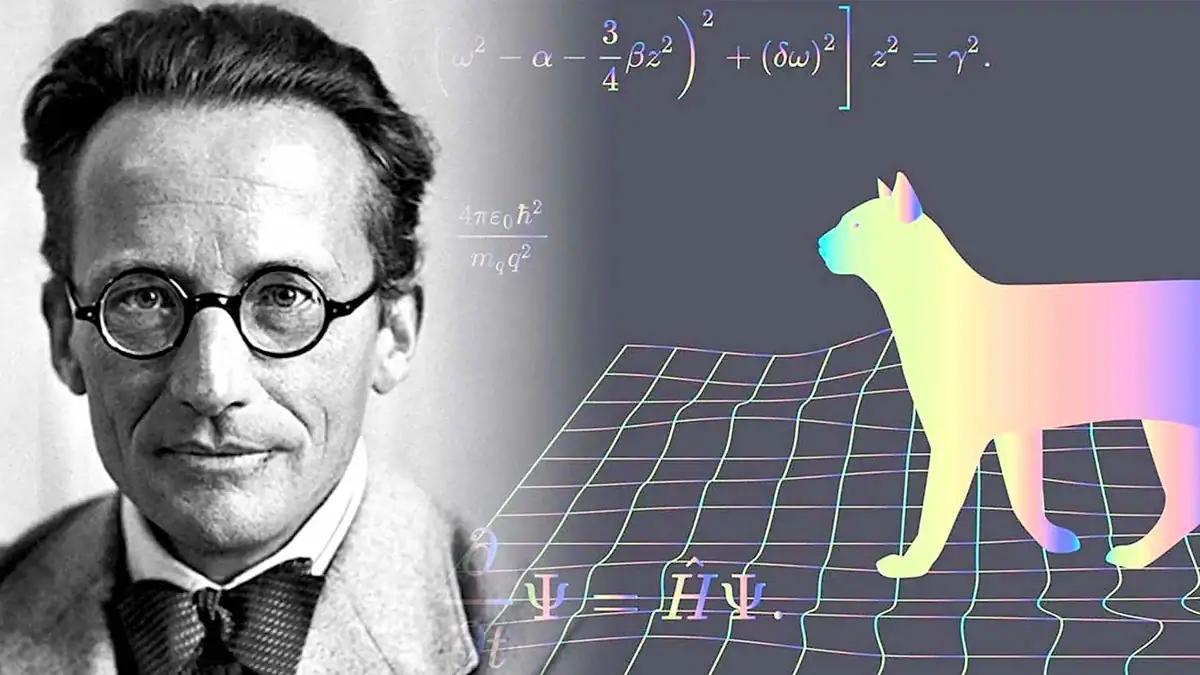
16. Erwin Schrödinger (quantum mechanics)
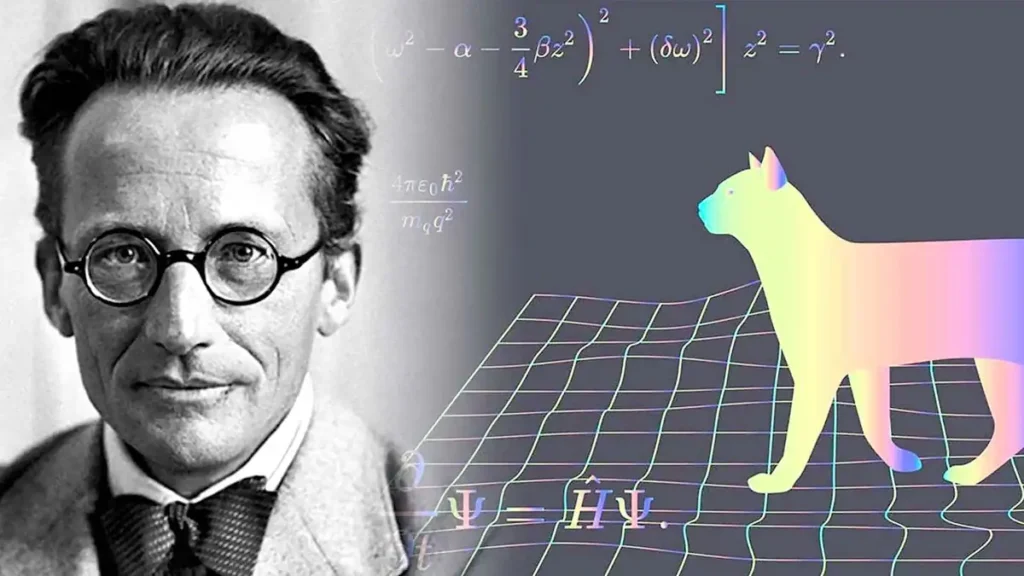
Erwin Schrödinger is one of the founders of quantum mechanics. He is best known for his wave equation, published in 1926, which describes the probabilistic behavior of subatomic particles. This equation, still used today, is a fundamental pillar of quantum physics.
Apart from his technical works, Schrödinger is famous for his cat paradox, a thought experiment illustrating the limits and oddities of quantum superposition. This paradox has marked scientific culture and continues to fuel debates about the interpretation of quantum mechanics.
17. Richard Feynman (popularization and quantum physics)
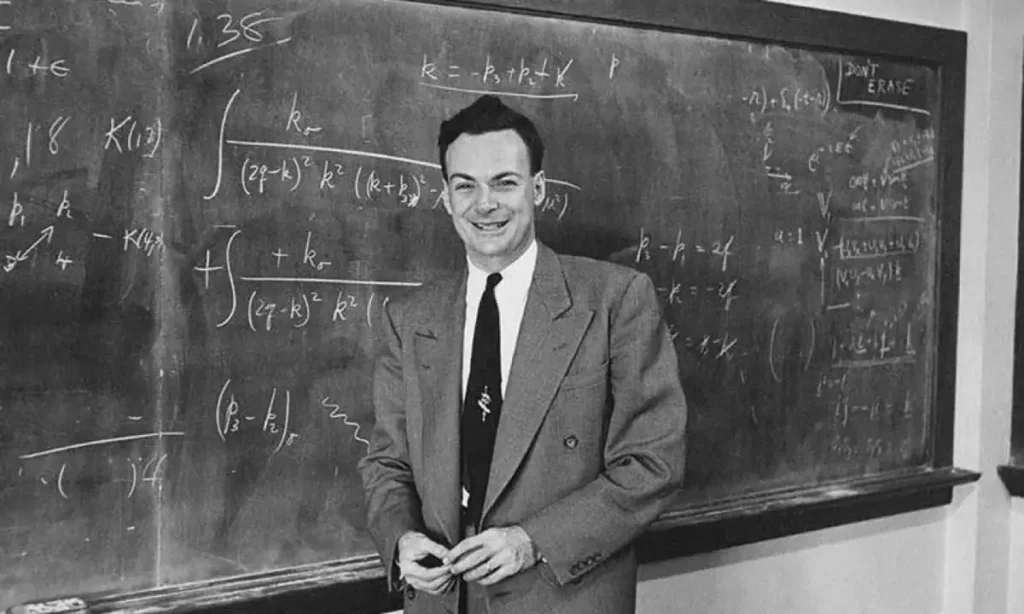
Richard Feynman, Nobel Prize in Physics in 1965, played a central role in the development of quantum electrodynamics and the standard model of particle physics. He is also the originator of Feynman diagrams, a revolutionary visual method for simplifying calculations in particle physics.
But Feynman is also famous for his talent in popularization. His lectures and works, such as Six Easy Pieces, inspired generations of students. His playful, creative, and passionate approach made science more accessible and helped popularize physics among the general public.
18. Euclid (Geometry and Mathematics)
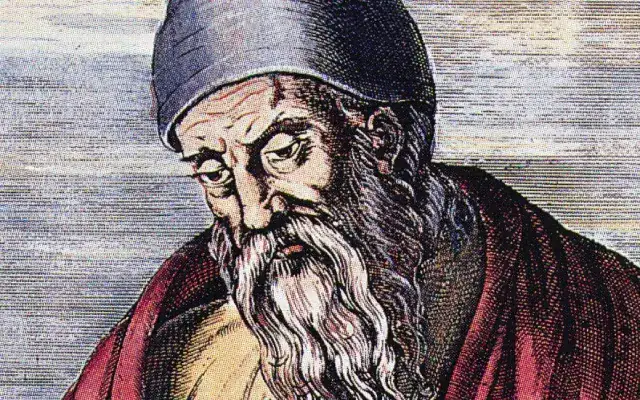
Euclid, an ancient Greek mathematician, is known as the father of geometry. His monumental work, The Elements, is one of the most influential scientific treatises in history. For over two millennia, this text has served as a foundational textbook for teaching mathematics.
His axioms and logical demonstrations laid the groundwork for plane geometry and mathematical rigor. Euclid’s influence extends beyond mathematics: his axiomatic method has inspired logic, philosophy, and even modern physics.
19. Copernicus (heliocentric revolution)
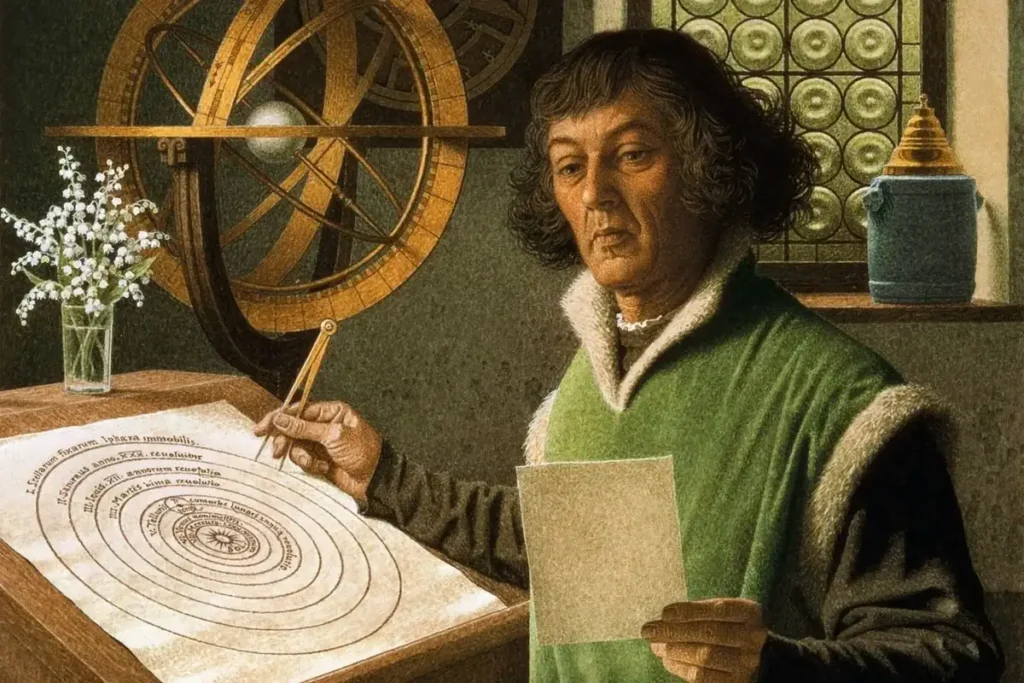
Nicholas Copernicus revolutionized our view of the cosmos with his heliocentric theory. In his work De revolutionibus orbium coelestium (1543), he demonstrated that the Earth and other planets revolve around the Sun, challenging centuries of geocentric belief inherited from Ptolemy.
His vision marked the beginning of the scientific revolution. Although controversial at the time, it inspired figures like Galileo, Kepler, and Newton, laying the foundations for modern astronomy. Even today, Copernicus embodies the idea of a major scientific paradigm shift.
20. Hippocrates (medicine and ethics)
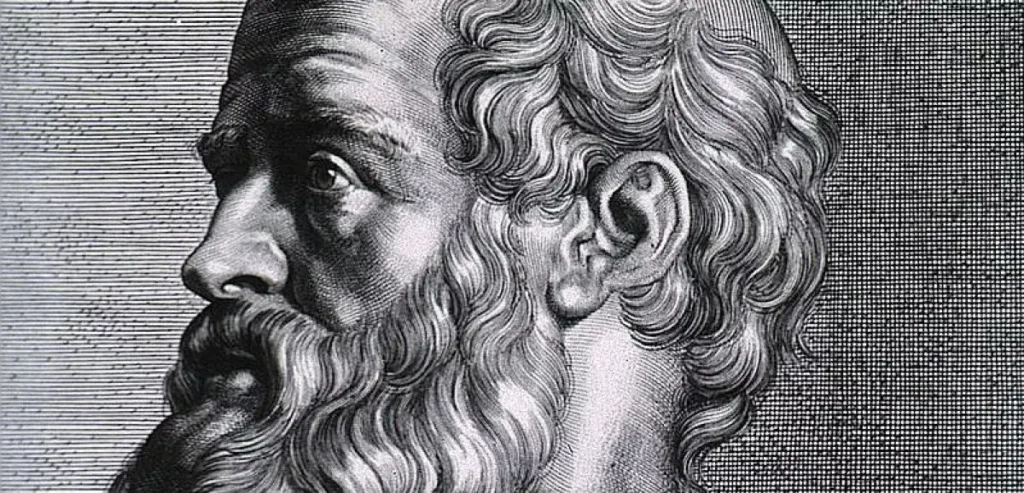
Hippocrates, a Greek physician from the 5th century BC, is considered the father of medicine. He proposed a rational approach to health, breaking away from mystical or religious explanations for diseases. According to him, diseases had natural causes that could be observed and treated.
He is also the originator of the famous Hippocratic Oath, still taken by physicians today in a modernized version. This text establishes medical ethics based on principles of patient respect, confidentiality, and non-maleficence. Hippocrates’ influence endures in contemporary medicine, both scientifically and morally.
Comparative Table of Great Scientists
This table provides a detailed overview of the 20 scientists presented, linking their field, their major discovery, and the concrete applications that still arise today. It’s a quick and efficient way to visualize their scientific legacy.
| Scientist | Field | Major Discovery / Contribution | Modern Applications |
|---|---|---|---|
| Albert Einstein | Physics | Special and general relativity | GPS, astrophysics, nuclear energy |
| Isaac Newton | Physics / Mathematics | Laws of motion and universal gravitation | Engineering, mechanics, astronomy |
| Charles Darwin | Biology | Theory of evolution by natural selection | Modern biology, ecology, anthropology |
| Galilée | Astronomy / Physics | Astronomical observations, experimental method | Modern astronomy, scientific method |
| Nikola Tesla | Electricity / Engineering | Alternating current, wireless transmission | Power grids, radio, electronics |
| Marie Curie | Physics / Chemistry | Discovery of radium and polonium | Radiation therapy, medical research |
| Léonard de Vinci | Art / Engineering / Anatomy | Visionary sketches and inventions | Flying machine concepts, modern engineering |
| Stephen Hawking | Cosmology / Theoretical Physics | Hawking radiation, models of the universe | Astrophysics, science communication |
| Aristote | Philosophy / Natural Sciences | Logic, classification of living organisms | Lasting influence on science and Western thought |
| Johannes Kepler | Astronomy | Laws of planetary motion | Celestial mechanics, space exploration |
| Louis Pasteur | Microbiology | Germ theory, vaccination | Vaccines, hygiene, public health |
| Gregor Mendel | Biology | Laws of heredity | Modern genetics, gene therapy, agriculture |
| Alan Turing | Computer Science / Mathematics | Turing machine, Enigma cryptanalysis | Modern computing, artificial intelligence |
| René Descartes | Philosophy / Mathematics | Rationalism, Cartesian coordinate system | Analytical geometry, scientific method |
| Michael Faraday | Physics / Chemistry | Electromagnetic induction | Motors, generators, medical imaging |
| Erwin Schrödinger | Quantum Physics | Wave equation, cat paradox | Quantum mechanics, particle physics |
| Richard Feynman | Quantum Physics | Quantum electrodynamics, Feynman diagrams | Particle physics, science communication |
| Euclide | Mathematics | Axioms and geometry in the Elements | Mathematics education, logical rigor |
| Copernic | Astronomy | Heliocentric revolution | Modern astronomy, space exploration |
| Hippocrate | Medicine | Rational observation of diseases, oath | Medical ethics, modern medicine |
Practical Cases: How Do Their Discoveries Influence Our Lives?
Great scientific discoveries are not abstract concepts confined to laboratories: they have a direct impact on our daily lives. The work of these scholars has shaped our technologies, our health, and our way of interacting with the world. Here are some concrete examples of their applied legacy.
Physics and Modern Technologies: Without Einstein‘s theories on relativity, there would be no accurate GPS systems, essential for smartphones, transportation, and global logistics. The research of Faraday and Tesla on electromagnetism and electricity forms the basis of power grids, motors, generators, and even medical devices like MRIs. Thanks to them, our connected world relies on solid foundations.
Biology and Medicine: Pasteur’s advancements in microbiology led to modern hygiene and vaccines, saving millions of lives every year. Mendel‘s work on heredity enables us to understand and treat certain genetic diseases today. The legacy of Marie Curie, with the discovery of radioactivity, led to radiotherapy used against cancer. Without these discoveries, modern medicine would be unimaginable.
Mathematics and Computer Science: The contributions of Descartes and Euclid still structure the teaching of mathematics and serve as the foundation for scientific calculations. Turing’s legacy, with his theoretical machine, is at the heart of modern computing and artificial intelligence. From our computers to search algorithms on the Internet, including cybersecurity, the concepts of these scholars organize the digital world we live in.
These practical cases demonstrate that the discoveries of these scientists are not mere pages of history: they are, on the contrary, the invisible foundations of our daily lives. Every technological, medical, or digital innovation rests on the visionary ideas they have bequeathed to humanity.
Mistakes to Avoid When Studying the History of Science
While the history of science is fascinating, it is often surrounded by myths and simplifications. To better understand the contributions of scientists, it is essential to avoid certain misinterpretations that distort reality and diminish the richness of this collective history.
Idealizing scientists as isolated heroes: We often present Einstein, Newton, or Curie as solitary geniuses who discovered the truth through enlightenment. In reality, science is a collective endeavor, fueled by exchanges, collaborations, and sometimes rivalries. Each discovery builds upon the work of predecessors, research teams, or students who continue the experiments. Forgetting this aspect reduces the complexity of the scientific process.
Ignoring the historical and cultural context: Discoveries do not arise in a vacuum. Understanding Galileo also means remembering his conflict with the Inquisition and the religious resistances of his time. Studying Pasteur without considering the precarious sanitary conditions of the 19th century overlooks the urgency and impact of his research. Each scientific advancement is intimately linked to its era, its technical constraints, and its intellectual climate.
Forgetting lesser-known but equally important scientists: While history remembers the big names, it often overlooks many forgotten researchers who played a decisive role. For example, Rosalind Franklin significantly contributed to the discovery of DNA, long overshadowed by Watson and Crick. Other inventors or experimenters, sometimes without official recognition, laid the groundwork for scientific revolutions attributed to a few iconic figures.
In short, to fully appreciate the history of science, it is important to consider it as a living, collective, and contextual process. This critical perspective allows for a better understanding of how knowledge progresses and helps avoid a simplified view that does not do justice to the diversity of actors and eras.
FAQ about the Greatest Scientists
Who is the most famous scientist of all time?
Einstein remains the most popular icon, but Newton and Darwin had a comparable influence.
Who is the first famous woman scientist?
Marie Curie is the most well-known figure, but others like Ada Lovelace (computer science) deserve mention.
Are Discoveries Still Relevant Today?
Yes, because they are the foundation of modern science. Einstein’s relativity and Mendel’s genetics are still applied today.
Conclusion
The 20 greatest scientists in history remind us that science is a collective and progressive adventure. Their discoveries shape our technologies, our health, and even the way we think. Studying their journeys also prepares us for the advancements of tomorrow and inspires new discoveries.