Free Shipping on Orders Over $50
Science movies and series are appealing because they offer a unique blend of knowledge and entertainment. Whether you are passionate about physics, astronomy, biology, or chemistry, these works allow you to discover science in a different way, sometimes with rigor, sometimes with imagination. Here is our selection of 20 must-see references, divided into two parts: 10 series and 10 movies that have marked scientific and popular culture.
Contenus
afficher
Why be interested in science movies and series?
Science movies and series provide a fun and captivating way to popularize complex concepts in physics, biology, or astronomy. They have a global cultural and educational impact, shaping the collective imagination and sparking debates on major issues like climate, space, or genetics. Lastly, these stories serve as a true source of inspiration: many researchers and enthusiasts cite a significant work as the trigger for their scientific vocation.
Selection criteria for our Top 20
To establish this ranking, we considered several essential criteria. First, scientific accuracy: although a part of fiction is inevitable, the chosen works are based on credible and coherent foundations. Next, artistic and narrative quality, because a good movie or successful series must combine realism, emotion, and immersion to make knowledge vivid and memorable. Finally, we took into account their cultural and educational influence: productions that have reached a wide audience, sparked vocations, or fueled scientific debates occupy a privileged place in this Top 20.
Top 10 Science Series
1. Cosmos: A Spacetime Odyssey
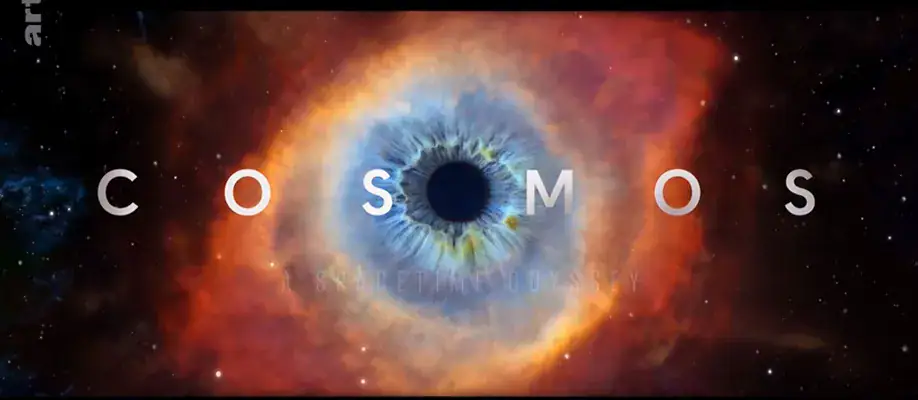
Regarded as one of the greatest works of science popularization, Cosmos was originally presented by Carl Sagan in the 1980s and then rebooted by Neil deGrasse Tyson in 2014. The series combines spectacular visuals, clear explanations, and a philosophical approach. It covers both the history of the universe and the evolution of life on Earth, and remains a must-see for anyone curious about astronomy.
2. Chernobyl
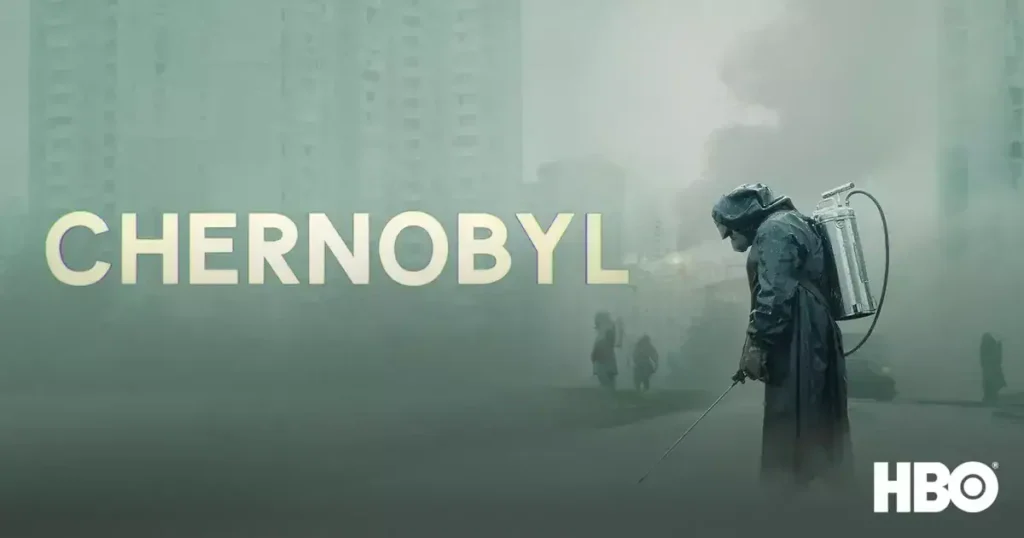
This dramatic mini-series realistically recounts the nuclear disaster of 1986. It highlights the scientific, political, and human issues of this major event. Beyond the historical aspect, Chernobyl reminds us of the importance of transparency and scientific rigor in the face of global crises.
3. Breaking Bad (Chemistry and Society)

Behind its thrilling plot, Breaking Bad illustrates the role of chemistry in everyday life. Although some scenes exaggerate or simplify chemical reactions, the series has helped awaken the general public’s interest in the discipline. It also shows how science can be used for creative… but also destructive purposes.
4. The Big Bang Theory
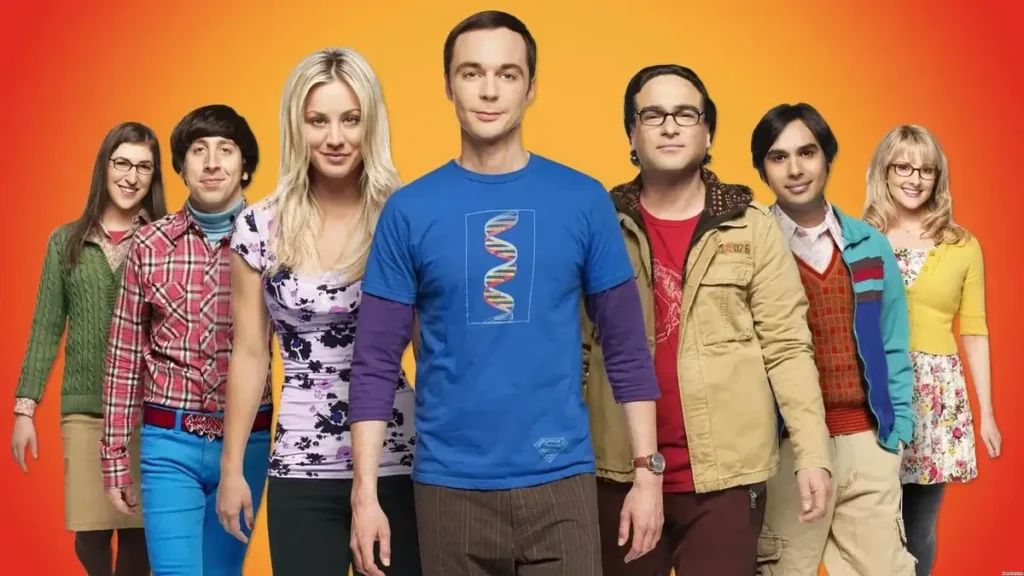
Often seen as a simple sitcom, The Big Bang Theory has had a tremendous cultural impact. It popularized geek culture, showcased theoretical physicists, and explained scientific concepts through humor. Many scientists have praised the accuracy of some technical dialogues.
5. Mars (National Geographic)
Blending fiction and documentary, Mars imagines what colonization of the red planet would be like. The series combines testimonies from real scientists and futuristic staging to explore the technical, psychological, and environmental challenges related to space conquest.
6. Black Mirror
Each episode of Black Mirror offers a dystopian fiction centered on the possible perils of modern technologies. From artificial intelligence to digital cloning, the series raises ethical and societal questions that directly concern the future of our societies.
7. NOVA
Aired since the 1970s, NOVA is one of the most respected science documentary series. It covers an immense variety of subjects: medicine, astrophysics, biology, mathematics, environment. With its educational approach, it has trained several generations of science enthusiasts.
8. Curiosity (Discovery Channel)
Designed to inspire wonder, Curiosity tackles themes as varied as the origin of the universe, the mysteries of the brain, or the possibility of extraterrestrial life. Its strength lies in its ability to popularize without oversimplifying, making science accessible and captivating.
9. Life on Our Planet
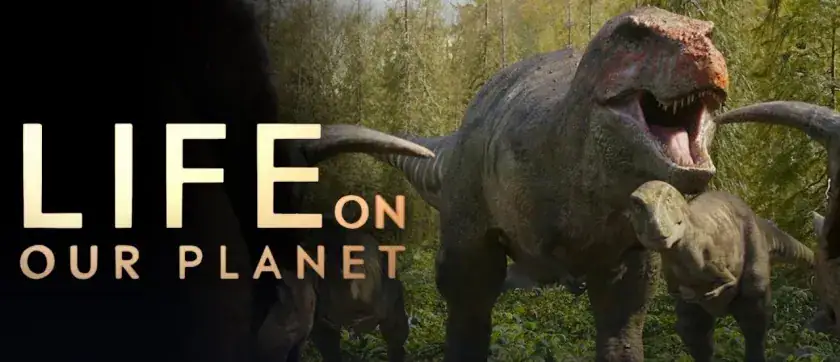
Produced with impressive visual techniques, Life on Our Planet traces the evolution of life from its origins to the present day. Narrated immersively, the series combines scientific realism and narrative power, making it an exceptional educational tool and visual spectacle.
10. Limitless

Inspired by the film of the same name, this series explores the fantasy of a human brain functioning at its full potential due to a fictional molecule. Even though the fictional part is significant, it provokes thought about the capabilities of the brain, neuroscience, and the future of cognitive research.
Top 10 Science Movies
1. Interstellar
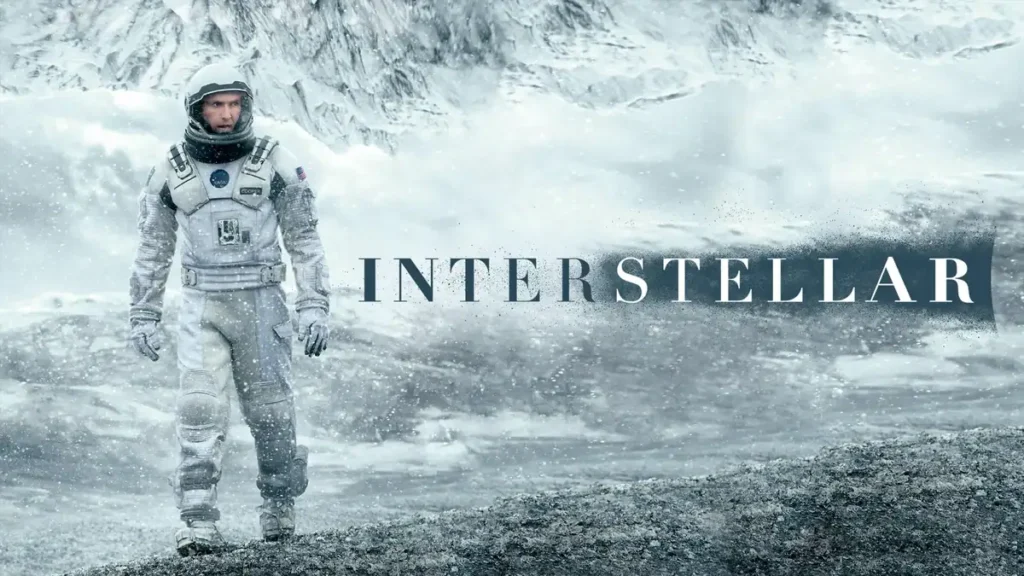
Directed by Christopher Nolan with the collaboration of physicist Kip Thorne, Interstellar is a major work of scientific cinema. The film tackles complex concepts such as general relativity, black holes, time dilation, and parallel worlds. Its scientific accuracy has been praised by the scientific community while offering an exceptional visual and emotional spectacle. It’s a perfect example of the alliance between theoretical rigor and narrative power.
2. The Martian
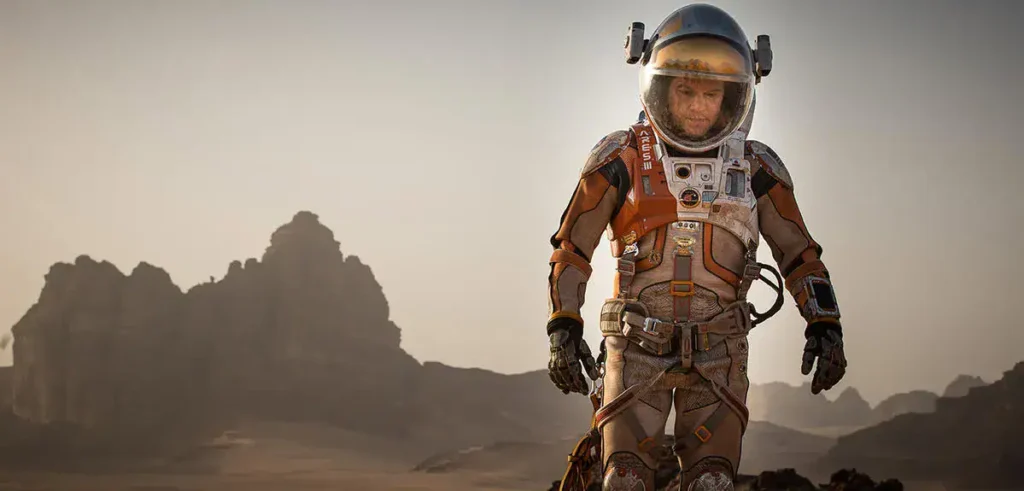
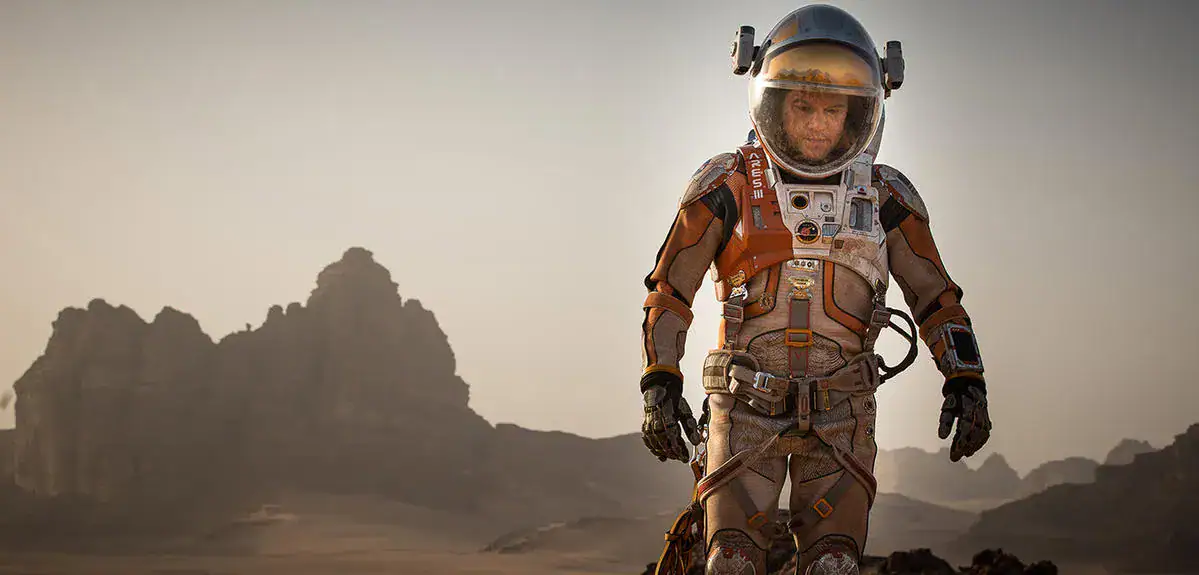
Based on the novel by Andy Weir, The Martian depicts the survival of an astronaut left behind on Mars. The film illustrates how applied science, ingenuity, and resilience can overcome extreme situations. Each solution found by the character is based on credible data in botany, chemistry, and space engineering, making it an inspiring and realistic narrative.
3. Contact
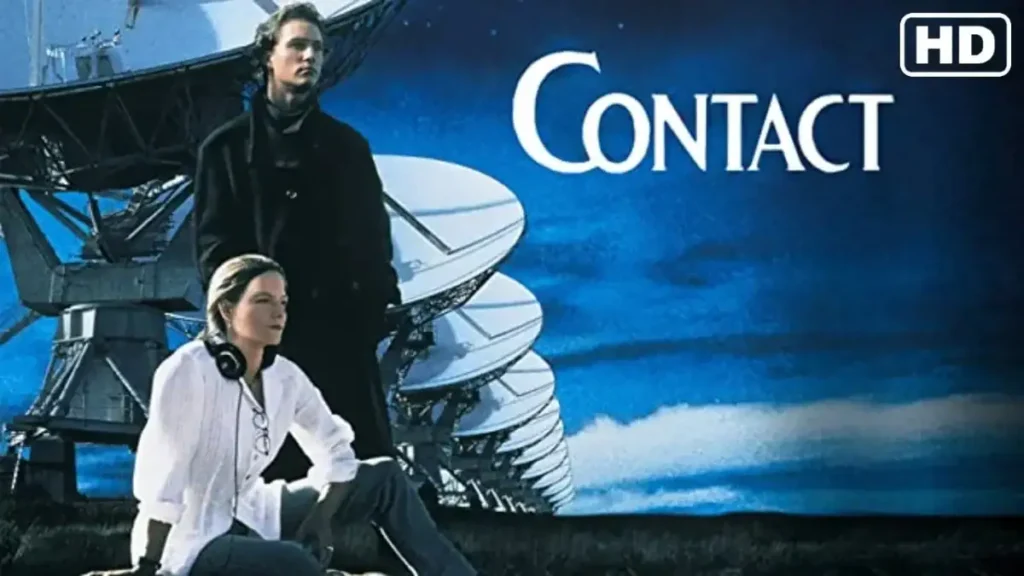
Inspired by the novel by Carl Sagan, Contact explores the search for extraterrestrial life and its philosophical and spiritual implications. The film questions humanity’s place in the universe and the links between science, faith, and society. It is a deeply thoughtful work that presents science not only as a tool for exploration but also as a quest for meaning.
4. An Inconvenient Truth
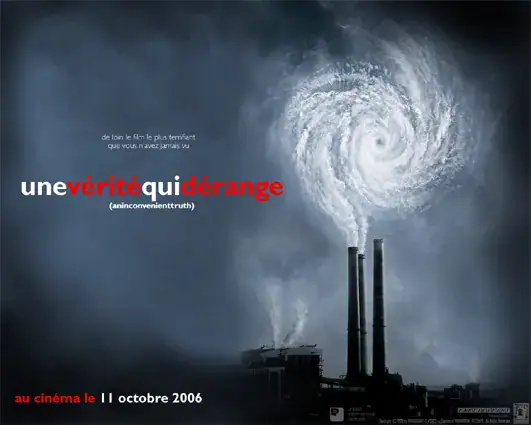
This documentary, led by former US Vice President Al Gore, made a significant impact by alerting audiences to global warming. Through data, graphics, and testimonials, it popularizes the risks associated with greenhouse gas emissions and calls for a collective awakening. It has had a major impact on raising public awareness of environmental issues.
5. Gattaca

Gattaca is a visionary work that anticipates the possible abuses of genetics and eugenics. In a society where DNA determines everyone’s social standing, the film raises ethical, philosophical, and scientific questions: free will, equality of opportunity, and limits of biotechnology. It is a classic that remains relevant in the age of genomics and genetic editing.
6. A Beautiful Mind

Inspired by the life of mathematician John Nash, Nobel Prize winner in economics, A Beautiful Mind tells the story of a genius’s battle against schizophrenia. The film illustrates both the brilliance of Nash’s mathematical theories and the fragility of the human mind. It highlights the complex relationship between science, creativity, and mental health.
7. Apollo 13
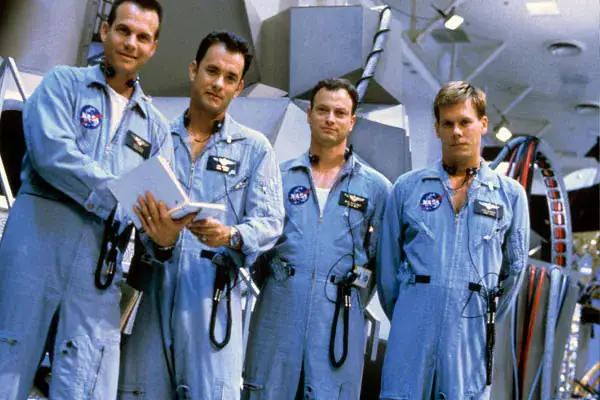
This film accurately recounts the Apollo 13 mission of 1970, where an in-flight accident nearly cost the astronauts their lives. Thanks to NASA’s ingenuity and composure, the mission became an example of scientific and technological crisis management. Realistic and thrilling, it shows how cooperation and innovation can save lives.
8. Oppenheimer

Directed by Christopher Nolan, Oppenheimer traces the life of J. Robert Oppenheimer, the father of the atomic bomb. The film questions the role of scientists in light of the consequences of their discoveries, between technological progress and moral dilemmas. More than just a biopic, it is a reflection on the responsibility of science in human history.
9. Jurassic Park
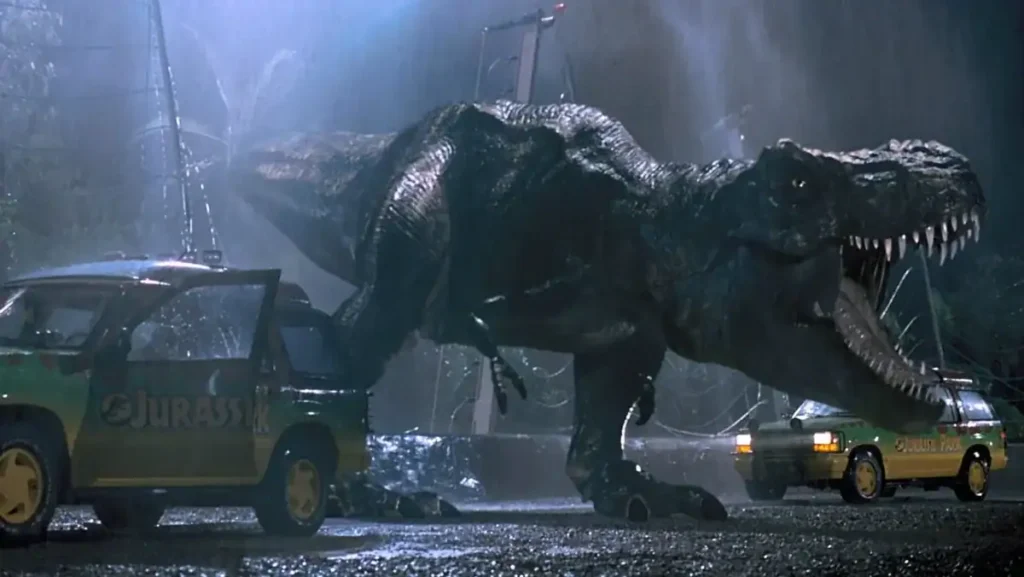
While largely fictional, Jurassic Park helped popularize genetics and biotechnology among the general public. The film raises essential questions: How far can science go? and what are the ethical limits of genetic manipulation? With its dinosaurs recreated from fossil DNA, it illustrates both the hopes and dangers associated with life sciences.
10. The Imitation Game

The Imitation Game tells the story of Alan Turing and the deciphering of the Enigma machine during World War II. Beyond the historical narrative, the film highlights the importance of mathematics, logic, and computer science. It also reminds us that some scientific advancements can change the course of history while emphasizing the tragic fate of an misunderstood pioneer.
Comparison Table: Realism, Accessibility, and Impact
Here is a table comparing the 20 works in our selection based on several criteria:
| Title | Type | Scientific Accuracy | Accessibility | Main Discipline | Cultural Impact |
|---|---|---|---|---|---|
| Cosmos | Series | ★★★★★ | ★★★★☆ | Astronomy / Physics | ★★★★★ |
| Chernobyl | Series | ★★★★☆ | ★★★★☆ | Nuclear Energy | ★★★★★ |
| Breaking Bad | Series | ★★★☆☆ | ★★★★★ | Chemistry | ★★★★★ |
| The Big Bang Theory | Series | ★★★☆☆ | ★★★★★ | Theoretical Physics (popularized) | ★★★★★ |
| Mars | Series | ★★★★☆ | ★★★☆☆ | Space Exploration | ★★★★☆ |
| Black Mirror | Series | ★★★☆☆ | ★★★★☆ | Technology / Society | ★★★★★ |
| NOVA | Series | ★★★★★ | ★★★☆☆ | Various Sciences | ★★★★☆ |
| Curiosity | Series | ★★★★☆ | ★★★★☆ | Astronomy / Neuroscience | ★★★☆☆ |
| Life on Our Planet | Series | ★★★★★ | ★★★★★ | Biology / Evolution | ★★★★☆ |
| Limitless | Series | ★★☆☆☆ | ★★★★★ | Neuroscience (fiction) | ★★★☆☆ |
| Interstellar | Film | ★★★★★ | ★★★☆☆ | Physics / Relativity | ★★★★★ |
| The Martian | Film | ★★★★★ | ★★★★☆ | Survival / Space Engineering | ★★★★☆ |
| Contact | Film | ★★★★☆ | ★★★☆☆ | Astronomy / Philosophy | ★★★★☆ |
| An Inconvenient Truth | Film | ★★★★★ | ★★★★★ | Climate / Environment | ★★★★★ |
| Gattaca | Film | ★★★★☆ | ★★★★☆ | Genetics / Ethics | ★★★★☆ |
| A Beautiful Mind | Film | ★★★★☆ | ★★★☆☆ | Mathematics / Psychology | ★★★★☆ |
| Apollo 13 | Film | ★★★★★ | ★★★★☆ | Technology / Engineering | ★★★★★ |
| Oppenheimer | Film | ★★★★☆ | ★★★☆☆ | Nuclear Physics | ★★★★★ |
| Jurassic Park | Film | ★★★☆☆ | ★★★★★ | Genetics / Biotechnology | ★★★★★ |
| The Imitation Game | Film | ★★★★☆ | ★★★★☆ | Mathematics / Cryptography | ★★★★★ |
Expert Tips for Enjoying These Works
It is essential to maintain a critical mind: most of these productions blend exact science with fictional elements. To go further, feel free to consult scientific articles, podcasts, or complementary documentaries. These works then become a springboard for further learning.
Mistakes to Avoid When Talking About Science Cinema
The first mistake is to believe that all scenes are based on real facts. Even the most realistic films take artistic liberties. Also, avoid underestimating the importance of historical or ethical context. Lastly, do not confuse entertainment, popularization, and scientific research.
FAQ on Science Movies and Series
Which science film is the most realistic?
Most experts cite Interstellar for its respect for the laws of physics, thanks to the collaboration with Nobel Prize winner Kip Thorne.
Can you actually learn science from these works?
Yes, they provide an excellent starting point, but it is necessary to complement them with specialized readings or courses to avoid approximations.
Which titles are suitable for children and teenagers?
Cosmos, The Big Bang Theory, and Jurassic Park can awaken the curiosity of young people, provided the viewing is accompanied by educational explanations.
What is the difference between a documentary series and a scientific fiction series?
A documentary series like NOVA aims for accuracy and education, whereas a fiction series (Breaking Bad, Black Mirror) uses science as a narrative backdrop.
Conclusion: Science as a Source of Inspiration
Science movies and series prove that science is not reserved for laboratories or researchers. It can be spectacular, emotional, and accessible. This Top 20 demonstrates how scientific culture nourishes our imagination and inspires new generations. So, let yourself be carried away by these stories and discover science in a different way.
If you like science, feel free to visit our shop: https://science-gadgets.com/