Free Shipping on Orders Over $50

What can you observe with a children’s microscope?
Contenus
afficher
A children’s microscope is not just an educational toy, it’s a real gateway to the invisible world. With a few simple everyday samples, children can explore the veins of leaves, discover microorganisms in a drop of water, or observe the structure of a grain of salt. These first scientific experiences awaken their curiosity, stimulate their imagination, and ignite their desire to learn.
In this guide, discover 10 fascinating sample ideas to observe with a children’s microscope, simple, accessible ideas perfect for learning while having fun.
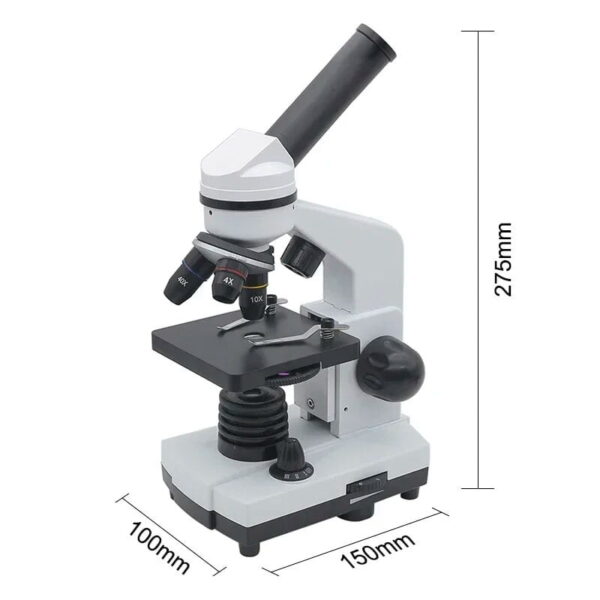
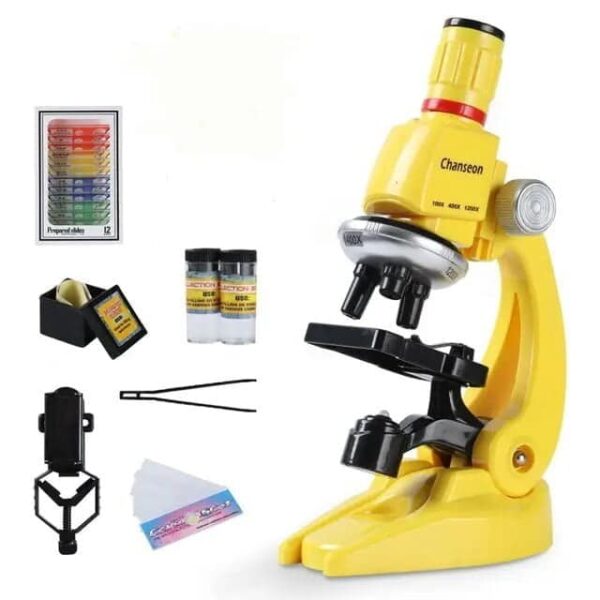
Toy Microscope
$40.99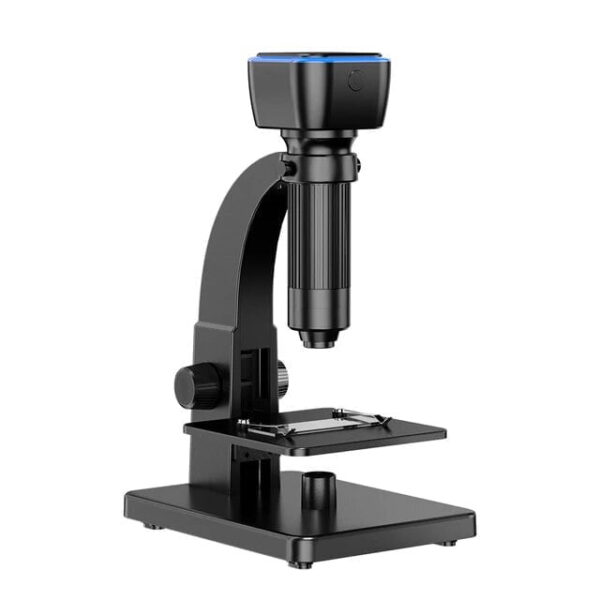
Digital Microscope
$172.99Top 10 things to observe with a children’s microscope
1. Leaves and flower petals
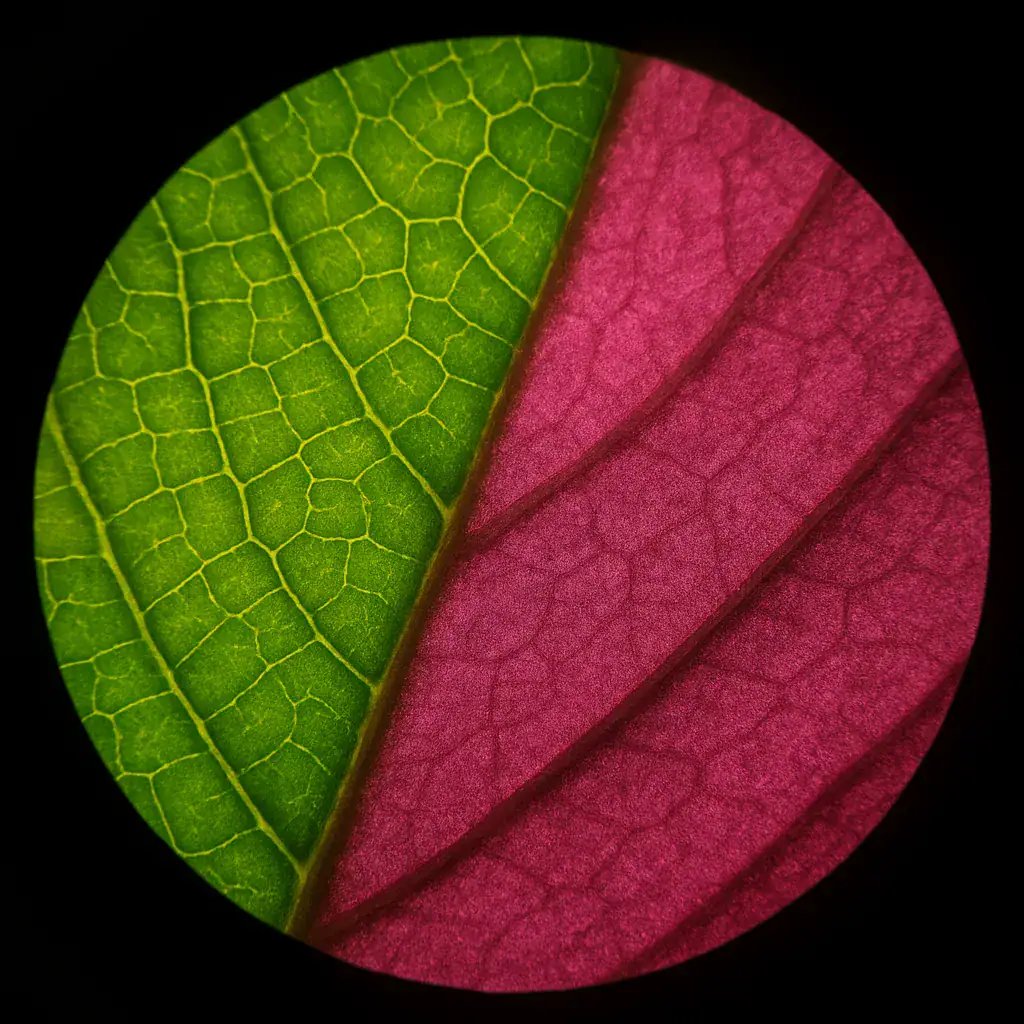
Observing leaves and flower petals allows you to see the veins, chloroplasts, and even pollen. These details reveal the complexity of the plant world.
This activity introduces concepts such as photosynthesis and raises awareness of the richness of nature.
2. Water from a pond, marsh, or aquarium
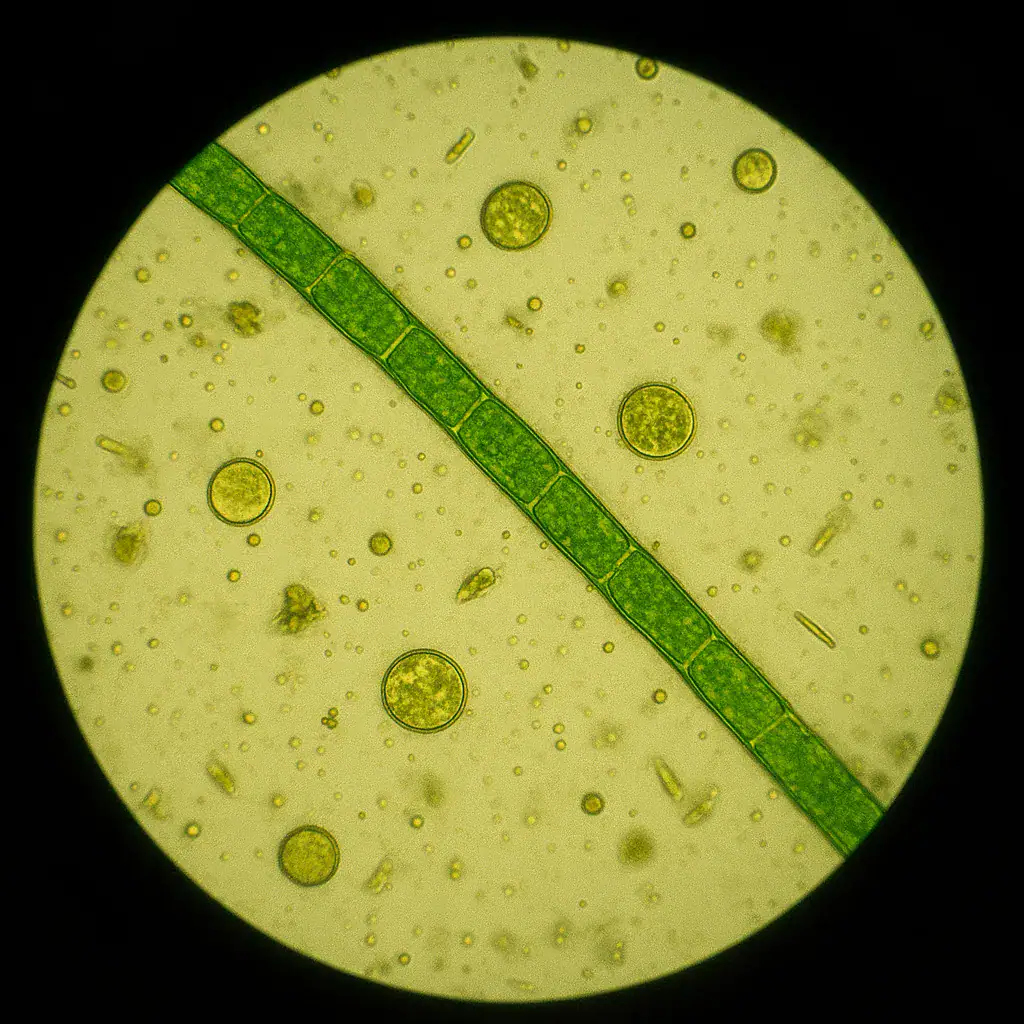
A simple drop of pond water can unveil an invisible world filled with protozoa, algae, and other microorganisms.
Children then discover the diversity of aquatic ecosystems, even in seemingly “ordinary” water.
3. Hair, fur, and textile fibers
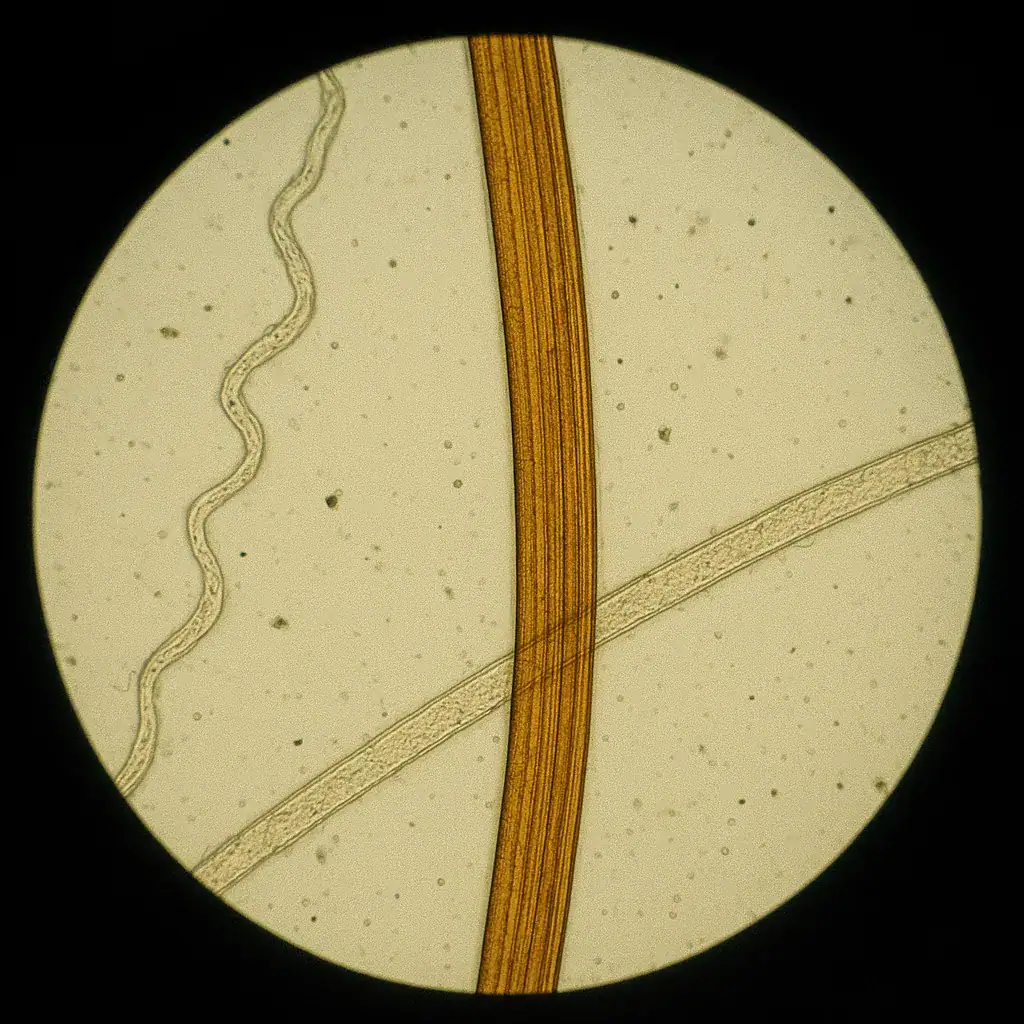
Exploring hair, fur, and fibers allows for comparison of natural and synthetic materials and reveals their structure.
Children learn to differentiate textures and understand the composition of everyday objects.
4. Salt, sugar, and sand crystals
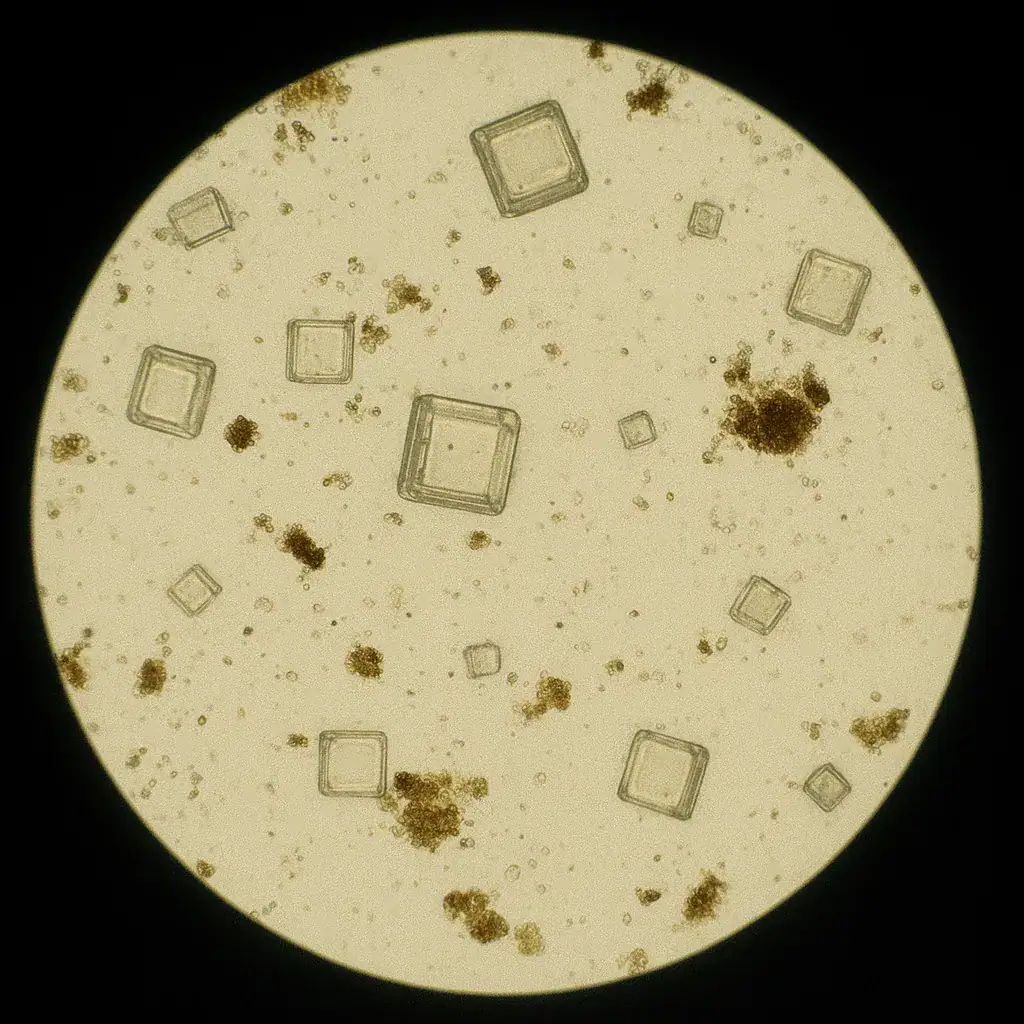
Crystals reveal fascinating geometric shapes. Their observation demonstrates that even simple materials possess a hidden beauty.
Children realize that science can be found in the most ordinary things.
5. Onion skin
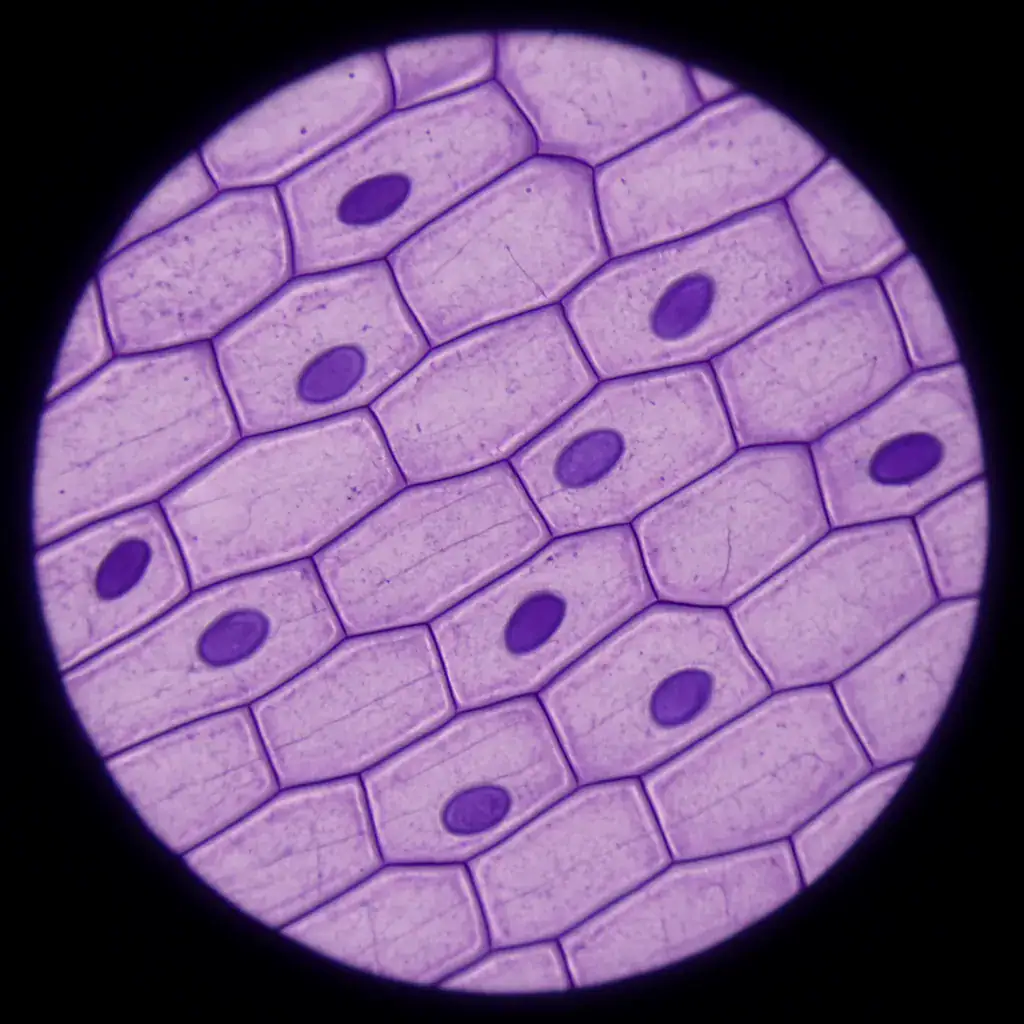
The onion skin is ideal for beginners: its cells are large and well-visible, allowing for a successful first observation.
It helps understand plant structures and distinguish between cell types.
6. Insects and butterfly wings
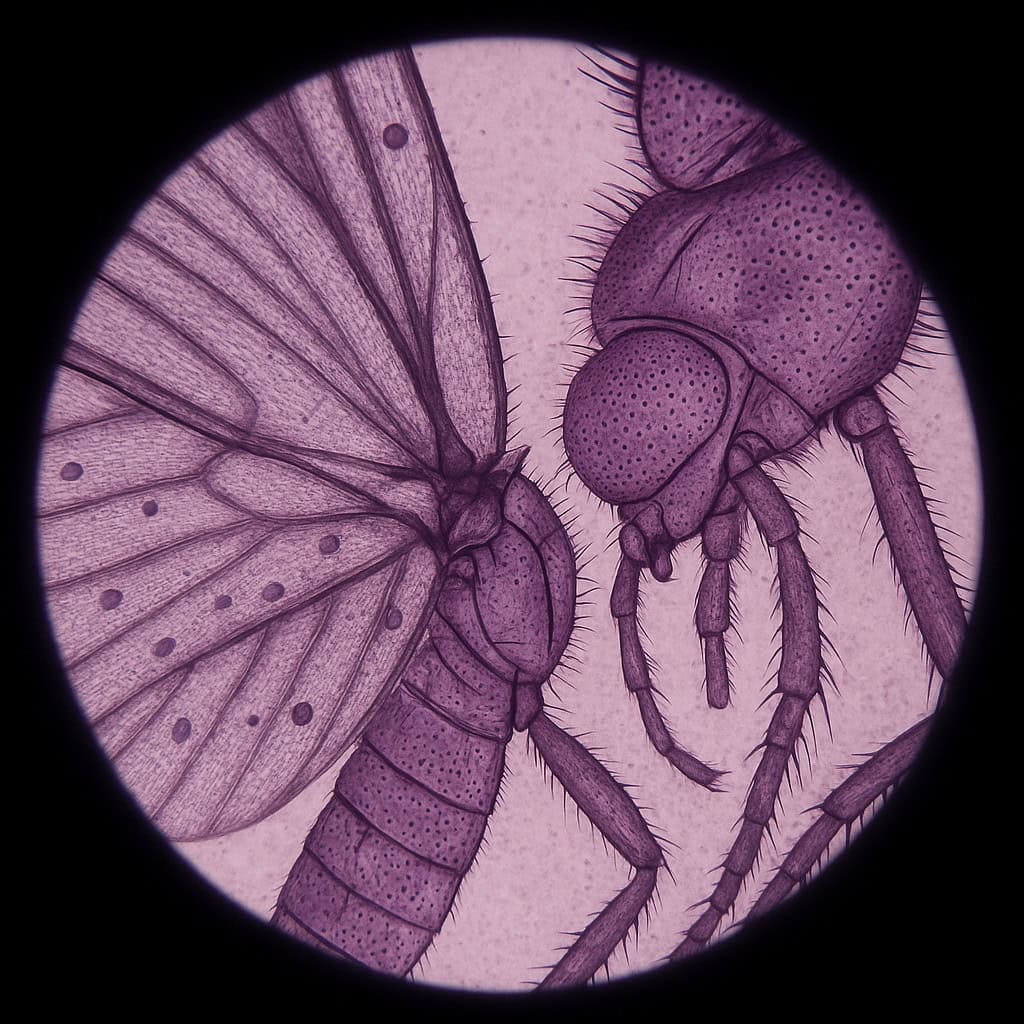
Butterfly wings or insects reveal amazing microscopic details like scales or hairs.
An excellent way to spark interest in entomology and biodiversity.
7. Molds and fungi
Molds reveal their filaments and spores under the microscope. Their role in decomposition is discovered.
Ideal for introducing concepts of symbiosis and ecological balance.
8. Pollen and spores
Pollen and spores are essential for the reproduction of plants and fungi. Their shape and diversity are striking.
They help understand the life cycles and pollination.
9. Paper, wood, and other everyday materials
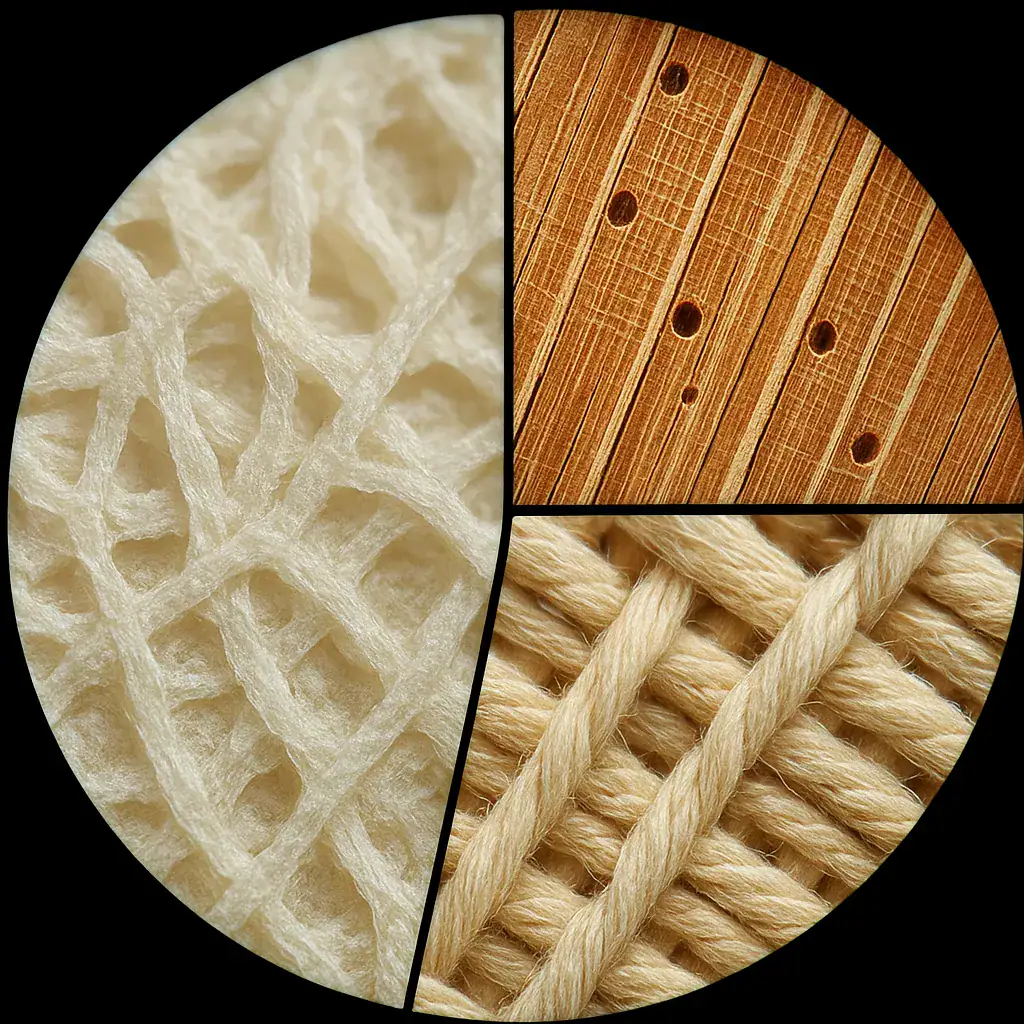
Observing paper, wood, or other items reveals their internal structure: fibers, growth rings, etc.
Children learn to look at ordinary objects in a new way.
10. Unusual objects (dust, makeup, spices…)
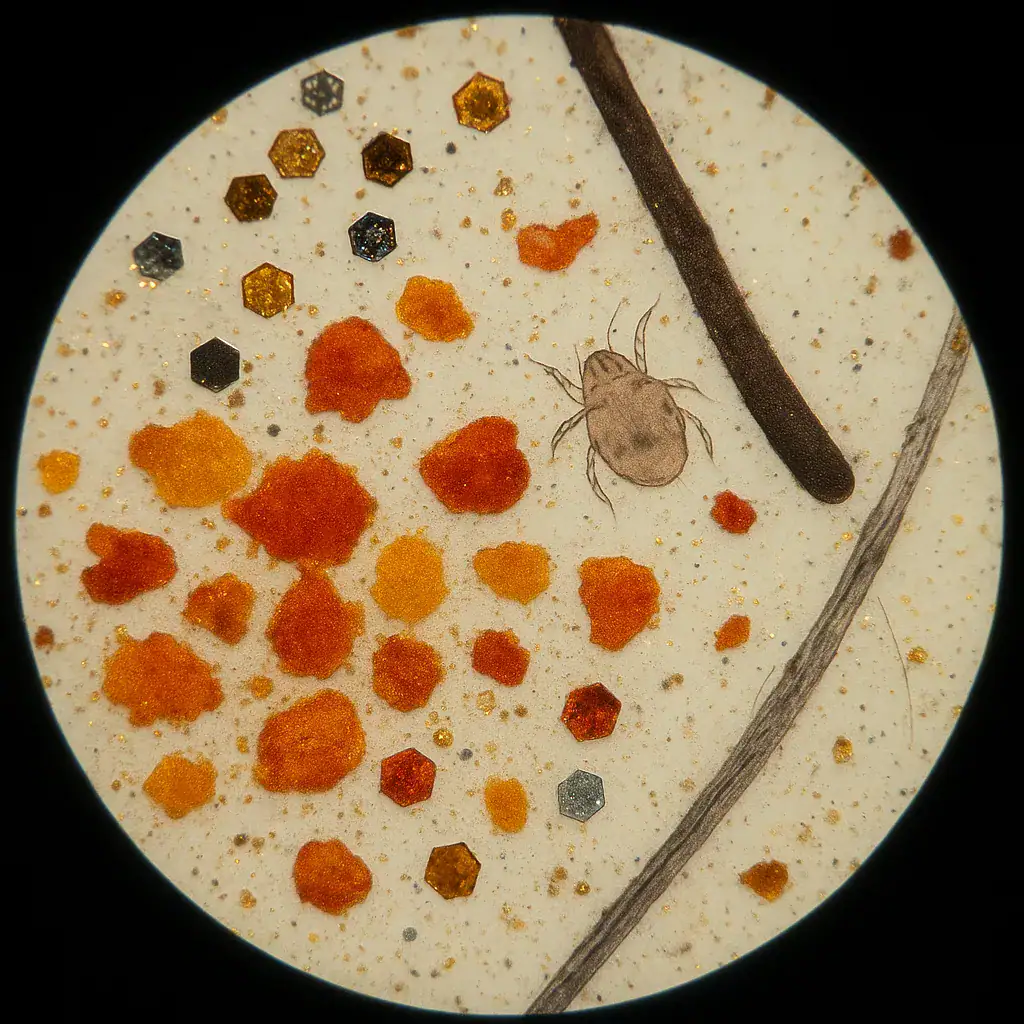
Samples like dust, spices, or makeup reveal surprising structures.
Ideal for stimulating creativity and the desire to experiment.
How to properly prepare your samples?
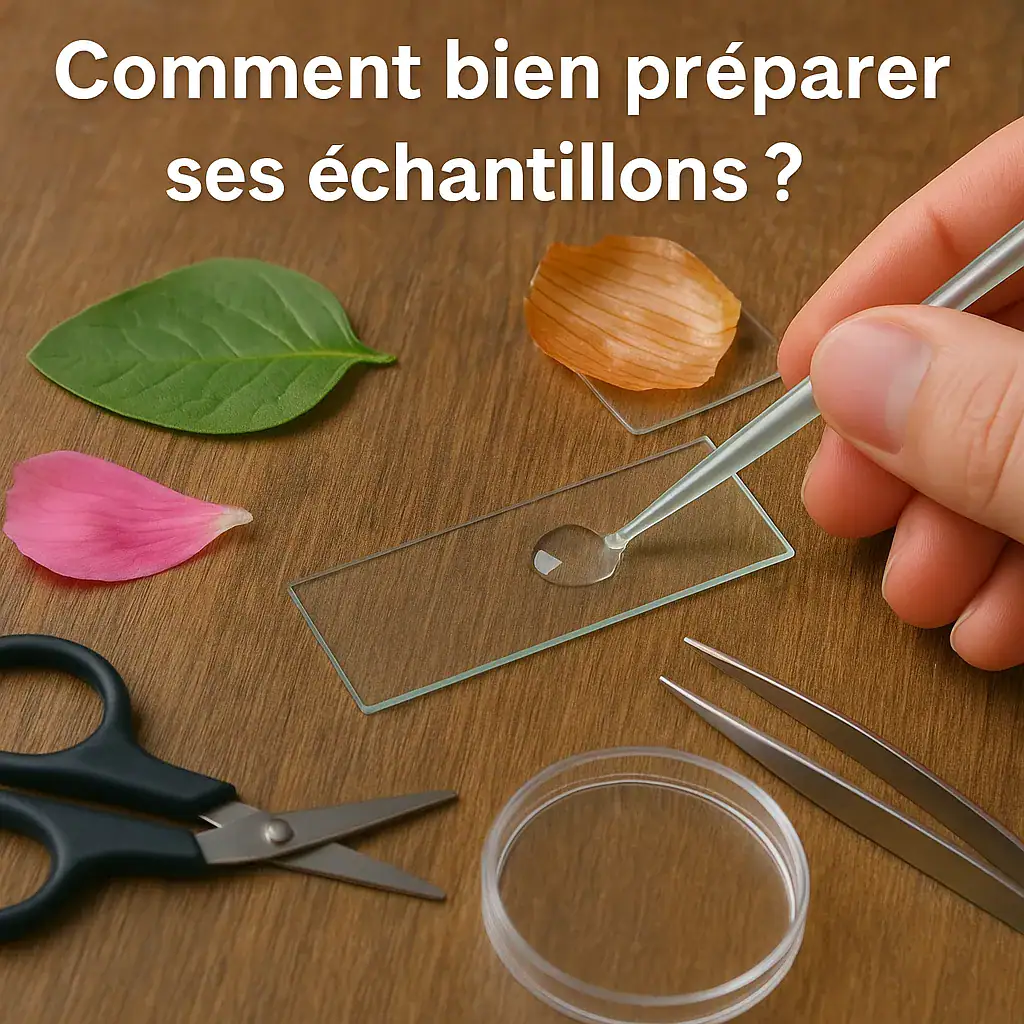
Using slides and cover slips safely
Using slides and cover slips requires careful handling. Children must learn to use them safely.
This way, they gain independence and develop practical skills.
Choosing the right magnification
Choosing the right magnification allows for more precise observation. Adjusting it based on the sample is a skill to acquire.
A good mastery of zoom allows for clearer discoveries.
Playing with light and contrast
Modifying light and contrast helps reveal invisible details. It makes observation richer.
A beautiful way to stimulate scientific creativity and the sense of observation.
Tips to make the experience even more fun
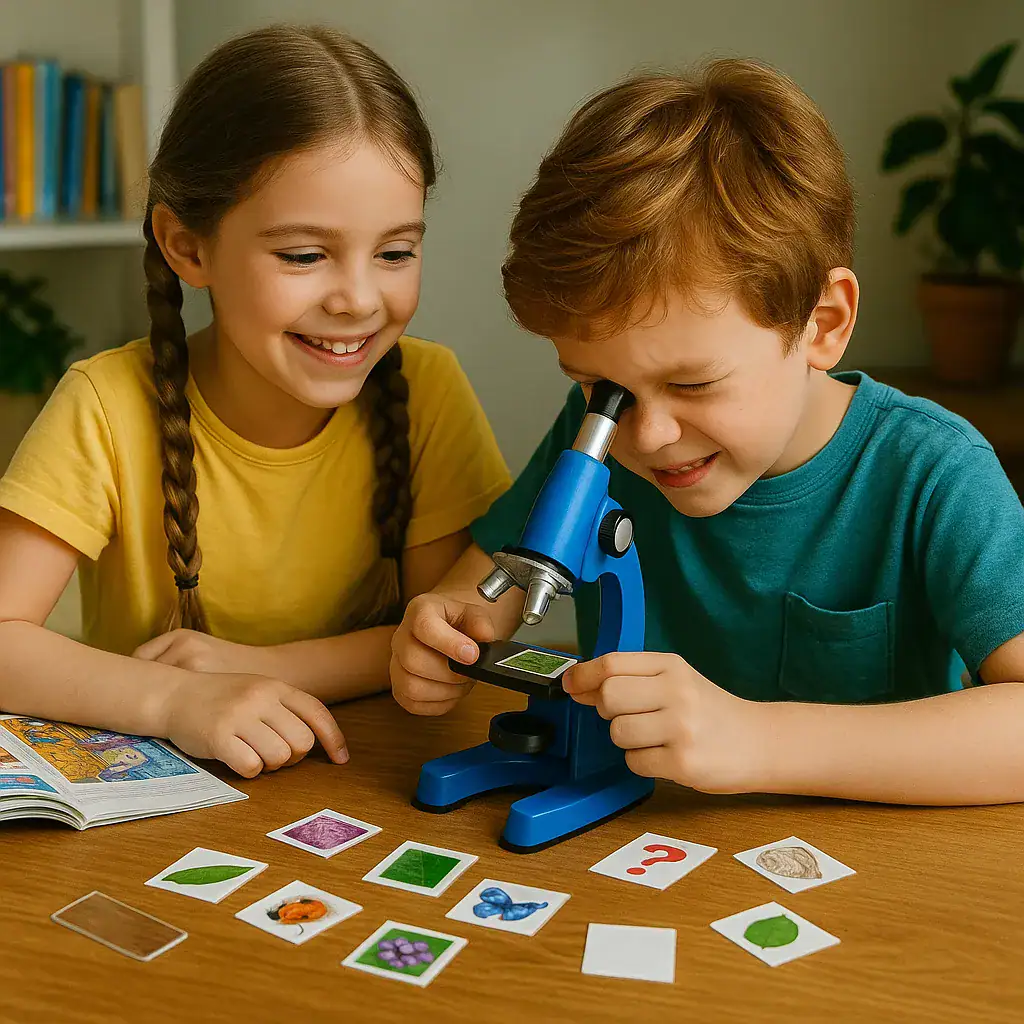
Keeping an observation notebook
Keeping an observation notebook helps record discoveries. It’s an excellent tool to track progress and reflect.
It allows for reviewing, comparing, and deepening knowledge.
Comparing different samples
Comparing several samples stimulates analysis and allows for identifying similarities and differences.
An enriching practice to develop a sense of scientific comparison.
Connecting the experience with simple scientific experiments
Connecting observation with simple experiments like germination or crystallization gives meaning to the scientific approach.
A good way to link theory and practice to anchor learning.