Free Shipping on Orders Over $50
Why use a telescope from an early age?
Contenus
afficher
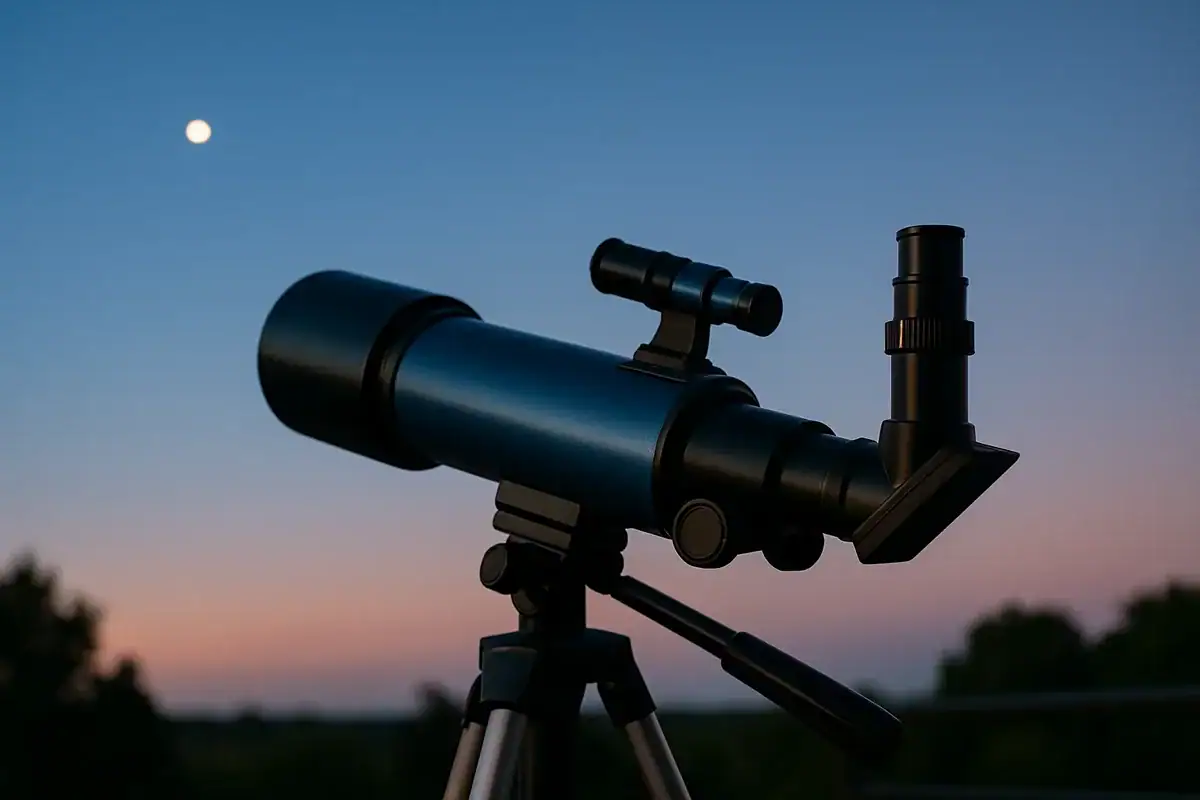
Introducing children and teens to astronomy with a telescope for kids is a great way to spark their scientific curiosity. By observing the wonders of the night sky, they develop an understanding of the world around them and gain skills in science and mathematics. Additionally, using a telescope encourages patience and perseverance, which are essential qualities for any scientific exploration.
Observing stars and planets also gives young people a unique perspective on our place in the universe. This can inspire a sense of fascination and respect for nature. Furthermore, astronomy can be an enriching family activity, providing moments of sharing and discovery.
Select options
This product has multiple variants. The options may be chosen on the product page
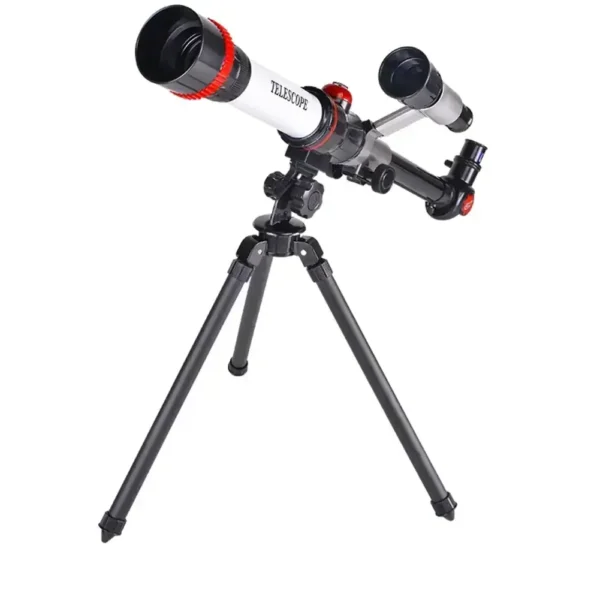
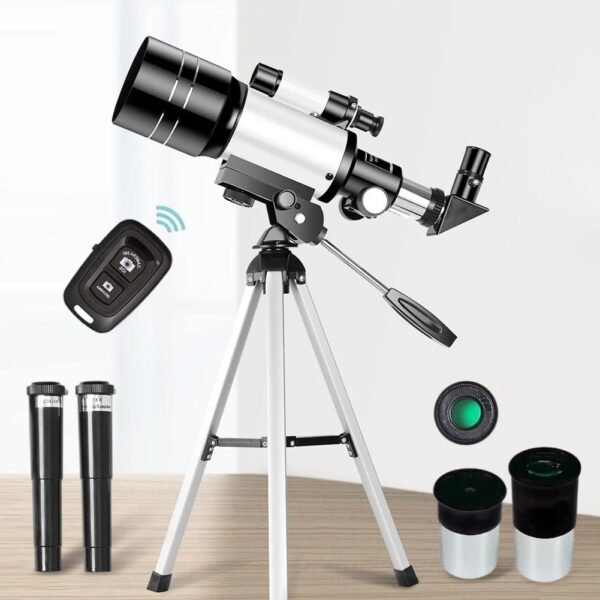
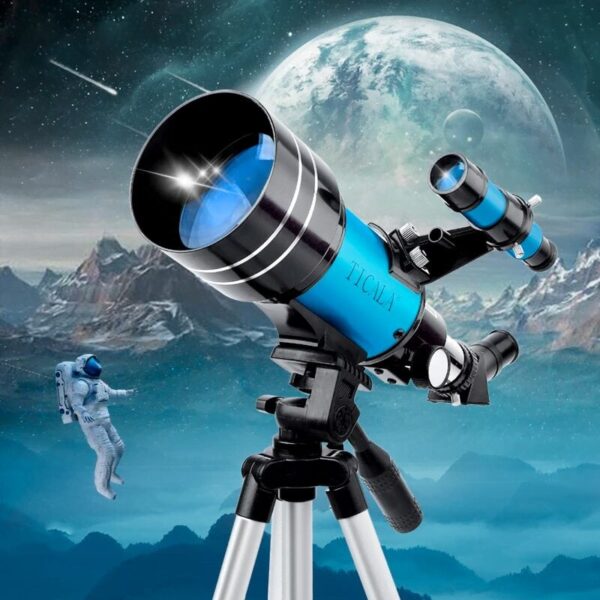
Beginner 70mm Compact Telescope
$114.99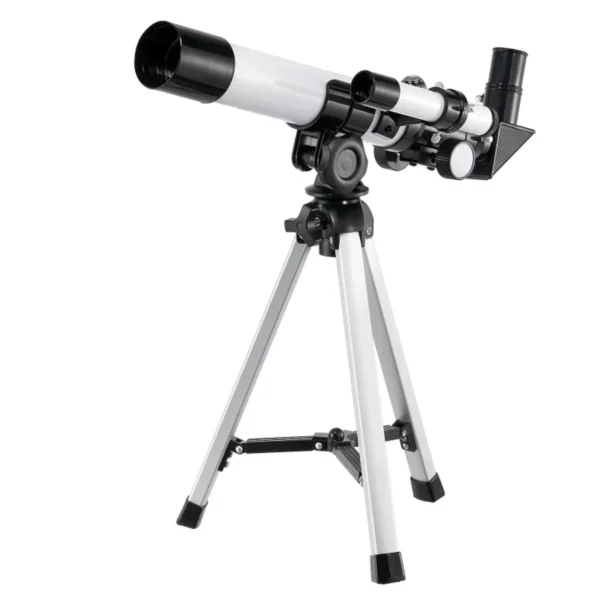
How does a telescope for kids or teens work?
A telescope for kids or teens operates on the same principle as models for adults, but is often simplified for easier use. These telescopes use lenses or mirrors to capture and amplify the light from celestial objects, allowing for detailed observation of heavenly bodies.
Beginner telescopes are designed to be lightweight and easy to handle, allowing young astronomers to learn without frustration. They are typically equipped with simple mounts, such as altazimuth, which facilitate tracking moving celestial objects.
What elements make up a beginner telescope?
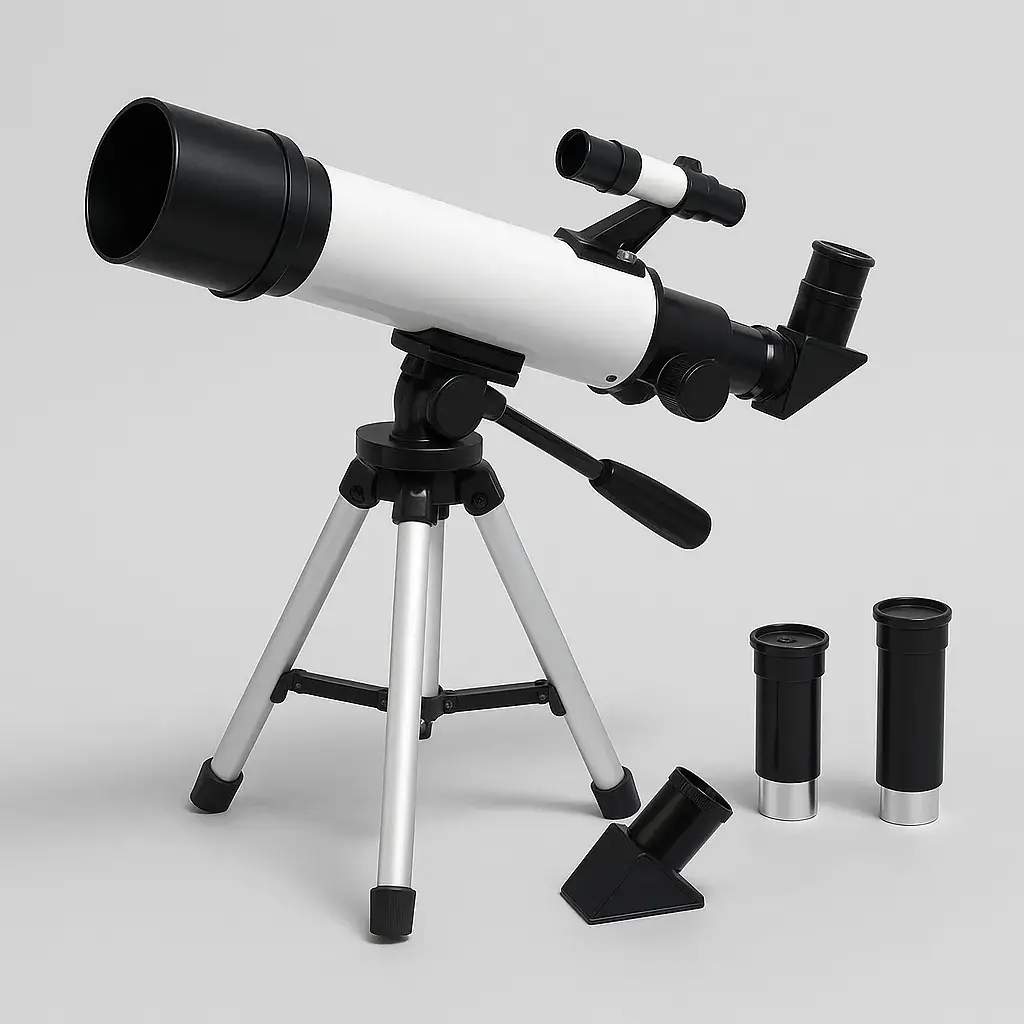
A beginner telescope typically consists of several essential elements. The optical tube houses the lenses or mirrors necessary to capture light. Next, the mount, often altazimuth or equatorial, stabilizes the telescope and allows for tracking the movements of celestial objects in the sky.
The eyepieces are also crucial, as they determine the level of magnification and image clarity. Most beginner telescopes include several eyepieces to vary the zoom levels. Finally, a sturdy tripod is essential for ensuring stable and clear observations.
Setup and installation: how to properly prepare your telescope?
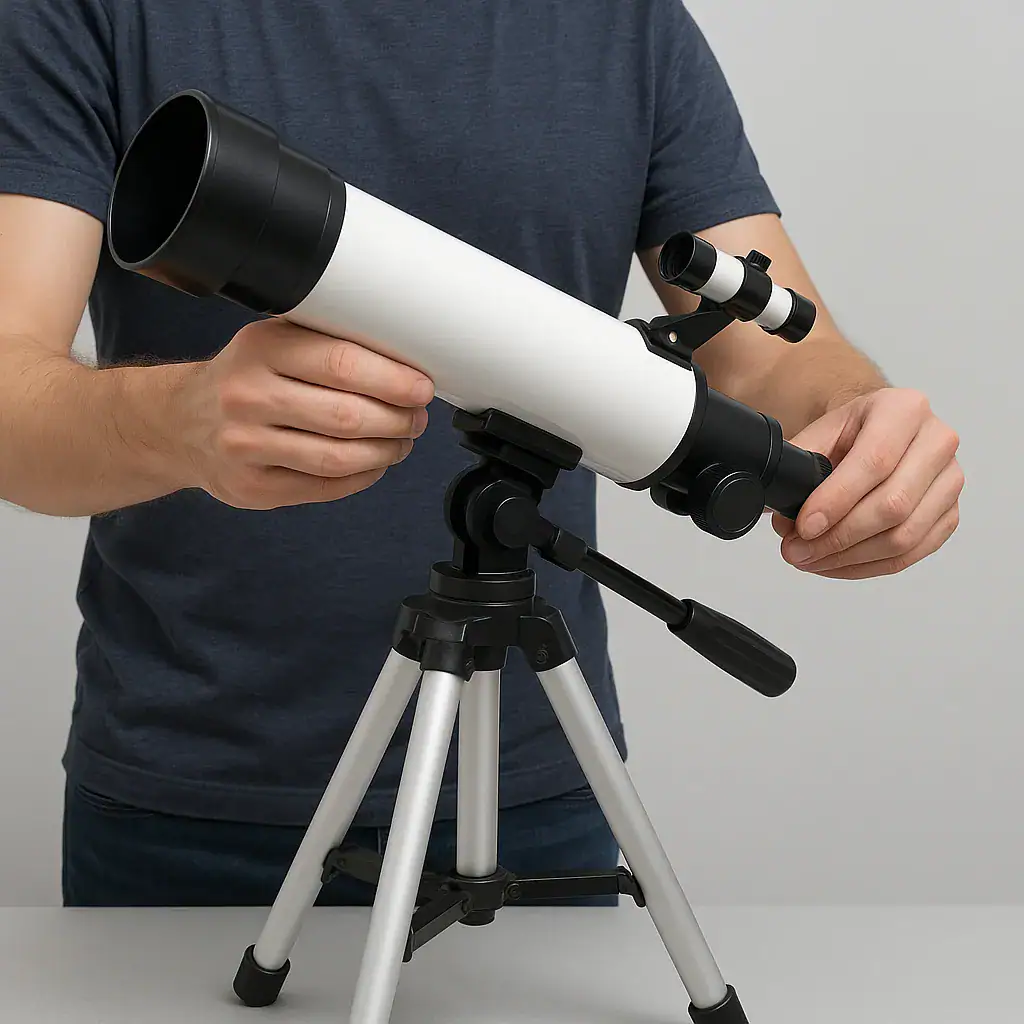
To properly prepare your telescope, start by setting up the tripod on a flat and stable surface. Then, mount the optical tube, ensuring that all components are securely attached. Check that the mount is correctly aligned and oriented towards the north to optimize celestial object tracking.
Once the telescope is set up, it is important to make sure that the eyepiece is properly inserted and secured. Ensure that all adjustments are correctly made to avoid vibrations and guarantee smooth and precise observations.
Where to install your telescope for the first observation?
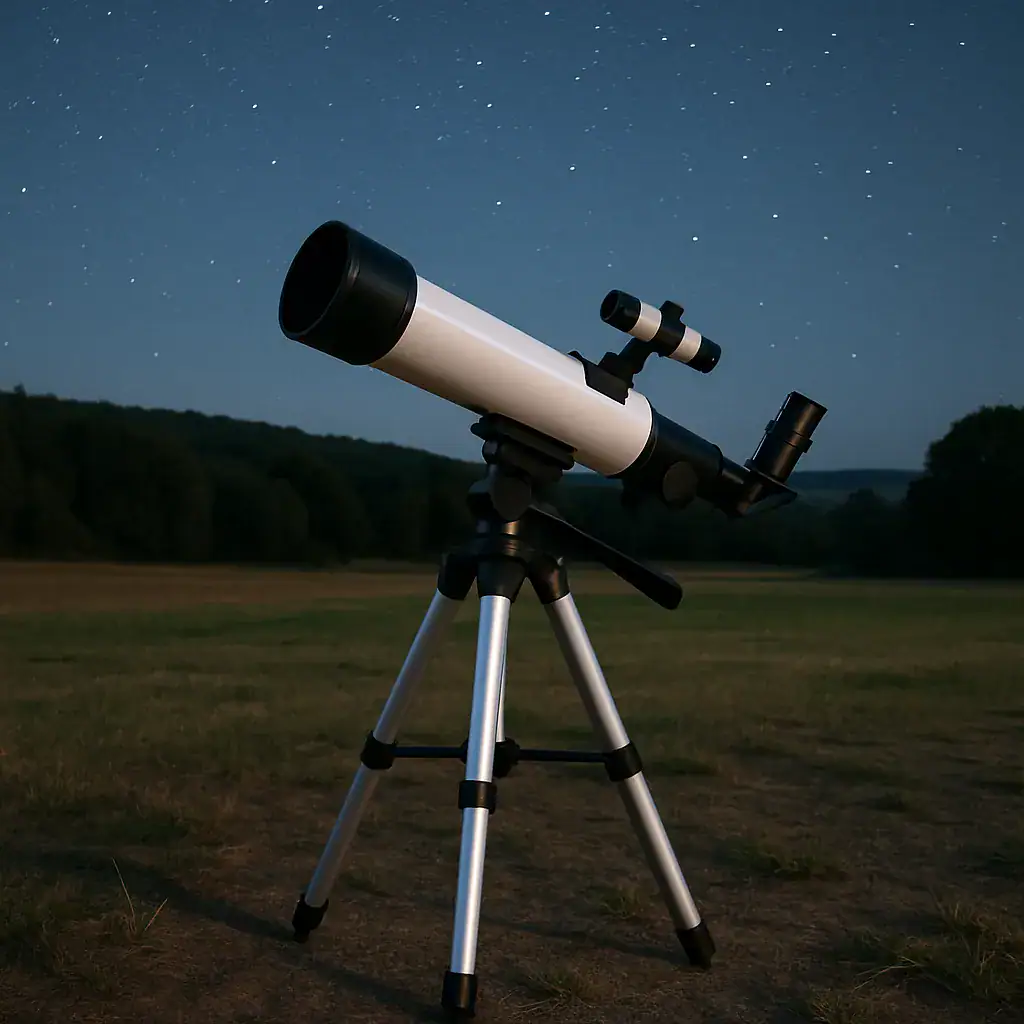
For a successful first observation, choose a location away from light pollution sources, such as streetlights or urban lighting. A garden or park can be ideal, provided it offers an unobstructed view of the sky.
It is also advisable to choose a clear night without clouds. Avoid full moon nights where brightness may hinder the observation of stars and planets.
How to properly aim at a celestial object (Moon, planet, star)?
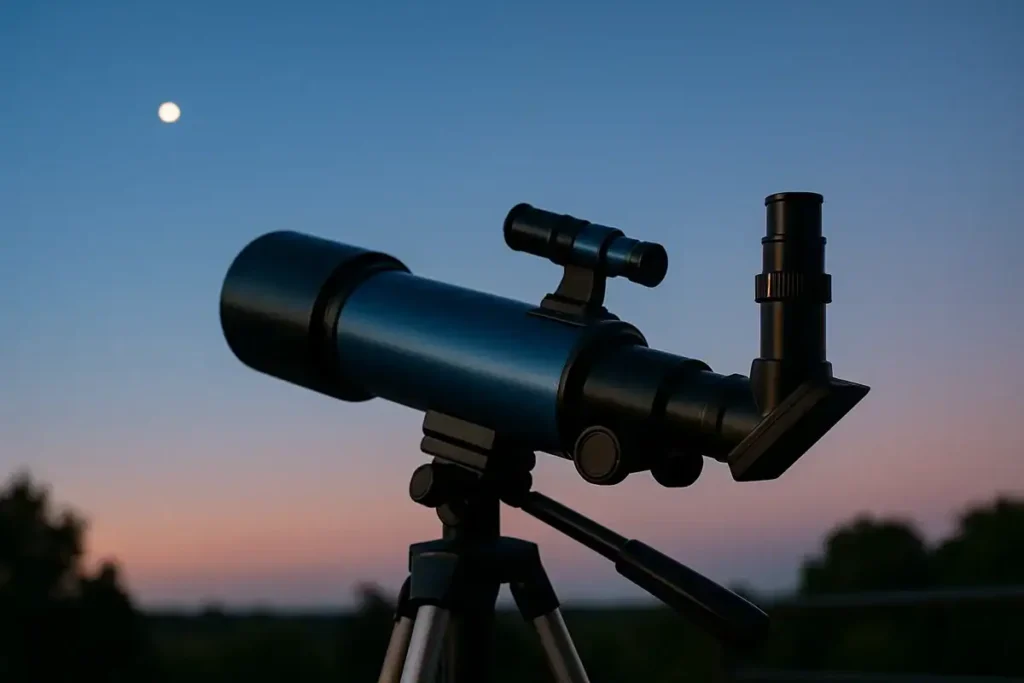
To aim correctly at a celestial object, start by identifying its approximate position. Use a low-magnification eyepiece to easily locate the object in the telescope’s field of view.
Once the object is located, gently adjust the alignment of the telescope and use a high-magnification eyepiece to observe the details. Take your time to refine the focus.
Basic adjustments: focus, eyepieces, zoom…
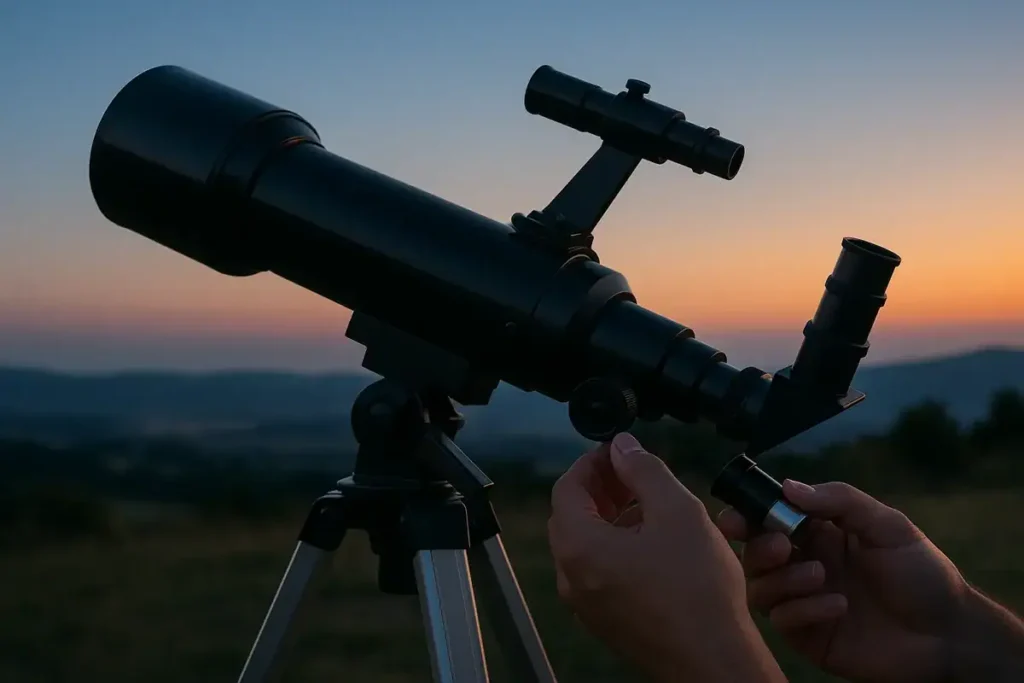
The focus is crucial for obtaining a clear image. Start by adjusting the focuser until the image is sharp. It is often helpful to start with a low-magnification eyepiece and then gradually increase the zoom.
The choice of eyepiece is also important. Experiment with different types to find the best view depending on the object being observed and the sky conditions.
What are the first things to observe with a beginner telescope?
To start with a beginner telescope, focus on celestial objects that are easy to spot. The Moon is an excellent starting point with its many craters and mountains.
Visible planets like Jupiter and Saturn also offer fascinating views. Finally, star clusters and certain nebulae are accessible under a clear, dark sky.
Using an astronomy app or a star chart can be very helpful. These tools assist in quickly identifying constellations, stars, and planets visible to the naked eye.
They also provide valuable information and guide you in pointing your telescope in the right direction. Many are updated in real-time, a benefit for tracking astronomical events.
Can you take photos with a kids’ telescope?
It is possible to take photos with a kids’ telescope using a smartphone adapter. This allows you to capture images of the celestial objects being observed.
However, the quality of the photos will depend on the stability of the telescope and the observation conditions. For the best results, it is important to experiment with the settings.
Common mistakes to avoid to not get discouraged
When using a beginner telescope, some mistakes are common. For example, not checking the alignment or using an eyepiece that’s too powerful right from the start can complicate observations.
You should also avoid observing under a polluted sky or in cloudy weather. Properly preparing your observation session is key to making the most of it.
How to maintain and protect your telescope?
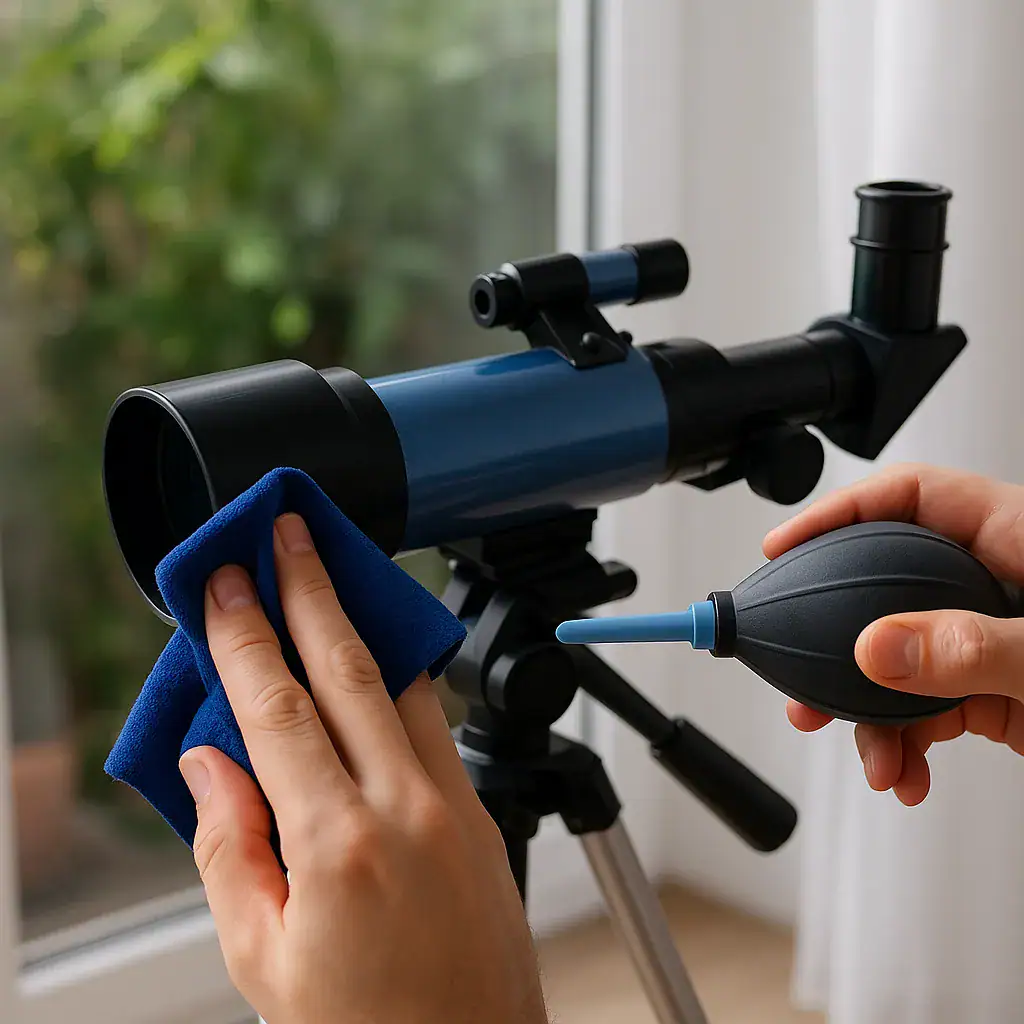
Regular maintenance is essential. Carefully clean the lenses and mirrors with appropriate products to avoid scratches and dust.
Store the telescope in a dry place and use a protective cover to shield it from moisture and impacts.
Want to go further? Tips for progressing in amateur astronomy
To progress in amateur astronomy, keep learning and exploring. Join astronomy clubs, connect with other enthusiasts, and enrich your knowledge.
Consult specialized books, magazines, and reference sites. Finally, gradually invest in advanced equipment as you develop.