Free Shipping on Orders Over $50

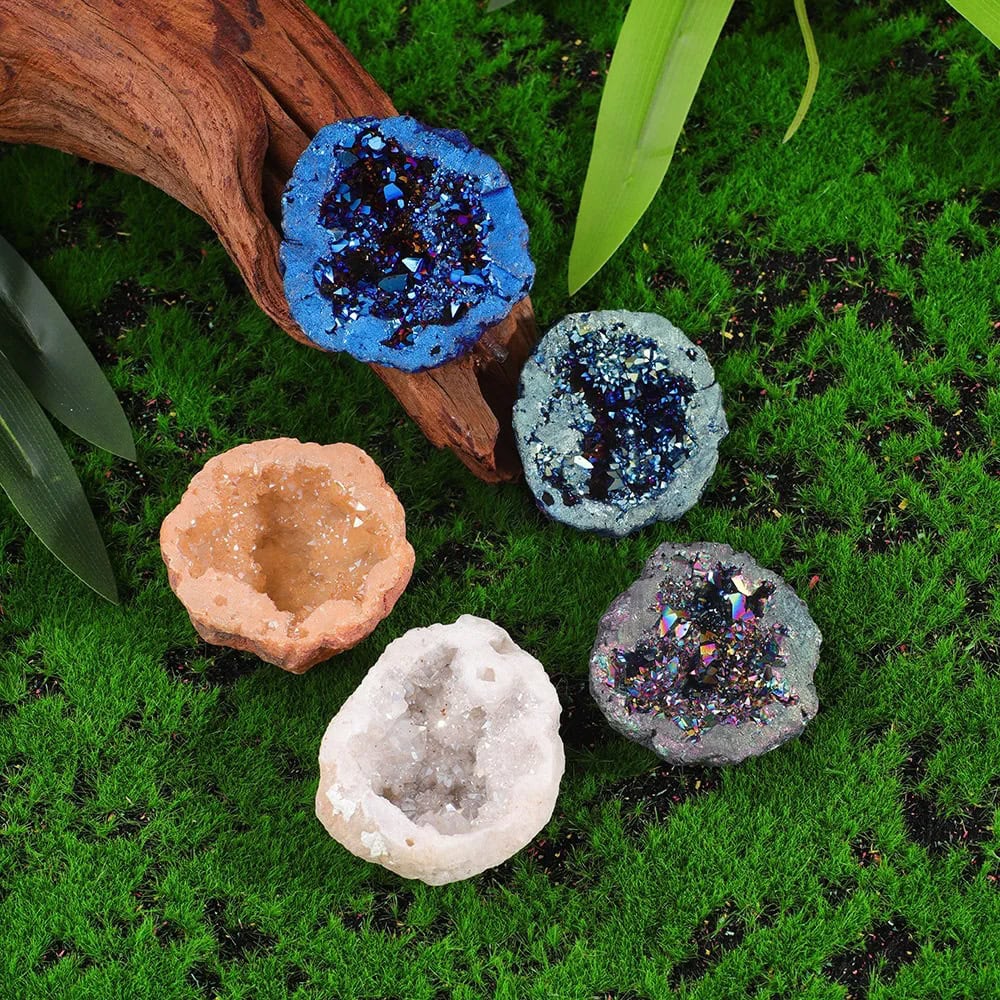
A geode is a rock cavity that contains crystals formed naturally over thousands, or even millions, of years. These mineral treasures appeal to both natural science enthusiasts and decoration lovers. In this article, we will discover their origin, different types, and especially the criteria that allow us to recognize a genuine geode.
Contenus
afficher
Definition and Origin of Geodes
Select options
This product has multiple variants. The options may be chosen on the product page
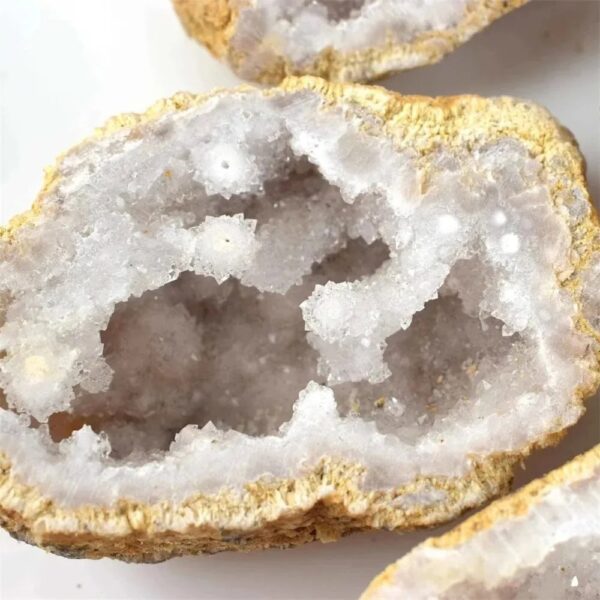
Rock Crystal Geode
Price range: $9.99 through $15.99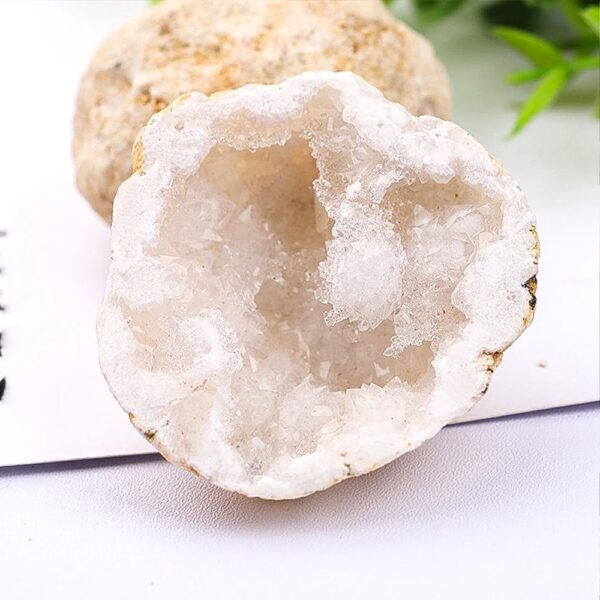
Select options
This product has multiple variants. The options may be chosen on the product page
Break-Open Agate Geode
Price range: $12.99 through $40.99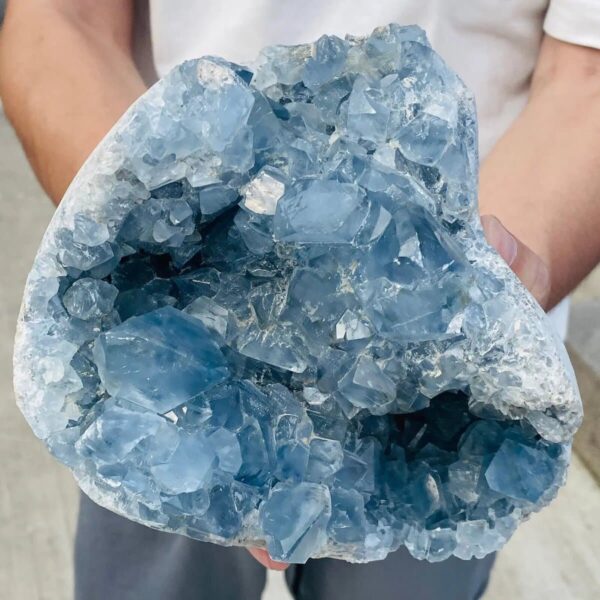
Select options
This product has multiple variants. The options may be chosen on the product page
Celestite Geode
Price range: $26.99 through $75.99
Select options
This product has multiple variants. The options may be chosen on the product page
Mini Rock Crystal Geode
$6.99What is a Geode in Mineralogy?
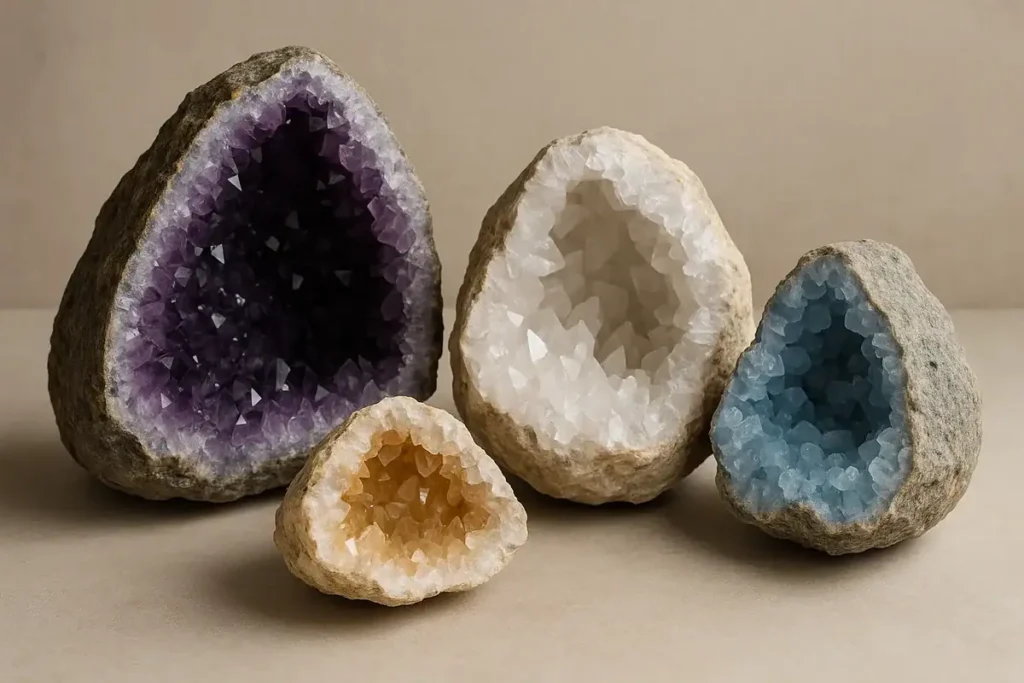
In mineralogy, a geode is a hollow rock whose internal cavity is lined with sparkling crystals. Unlike massive stones, it is distinguished by its ordinary exterior and spectacular interior. Geodes can contain quartz, amethyst, calcite, or celestine.
How Does a Geode Form in Nature?
The formation of a geode is a long and fascinating process. It all starts with a cavity in the rock, often formed from volcanic gas bubbles or pockets of dissolved sediments. Mineral-rich water then seeps in and slowly deposits crystals on the internal walls. Over time, this crystalline growth fills the cavity partially or completely, creating a unique geode.
Difference Between Geode, Druse, and Nodule
It is common to confuse these terms:
- Geode: internal cavity filled with crystals.
- Druse: flat rock surface covered with small visible crystals.
- Nodule: solid rock, without a cavity, but may contain minerals.
The geode is therefore distinguished by its hollow and crystallized interior, a true “treasure chest” of nature.
Different Types of Geodes
Quartz and Amethyst Geodes
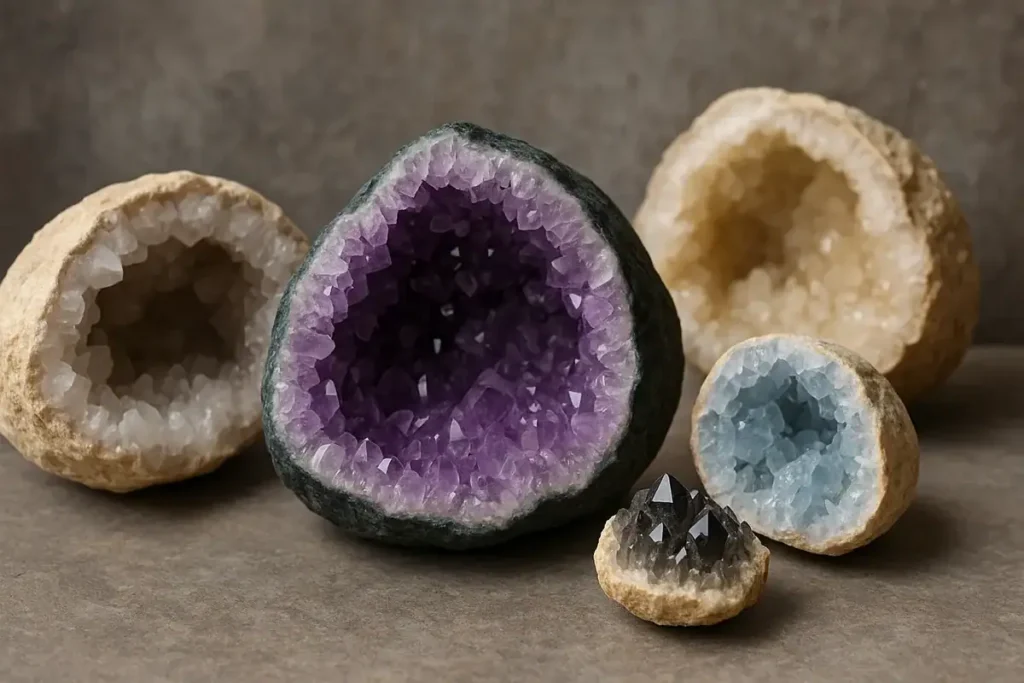
Quartz geodes are the most common. They appear as white or translucent crystals. Amethyst geodes, on the other hand, are particularly sought after for their intense violet. These often come from Brazil or Uruguay and can reach several feet in height.
Limestone Geodes and Volcanic Geodes
Limestone geodes form in sedimentary environments, often in association with fossils. Volcanic geodes, on the other hand, arise in cooled lava flows where gas bubbles have given way to crystallized cavities.
Variations in Size, Color, and Crystallization
Geodes exist in an impressive variety: some measure only a few inches, while others weigh several hundred pounds. Colors range from white to violet, including blue, green, or red, depending on the minerals present. Each geode is therefore a unique and unrepeatable piece.
How to Recognize a Real Geode?
Recognizing a real geode requires observing several criteria:
- The exterior: an oval or rounded shape, with a dull and rough appearance.
- The weight: often lighter than a solid stone of the same size.
- The crystals: a clear, natural, and uneven structure. Overly bright colors may indicate artificial dyeing.
A simple test involves comparing the weight and texture. A fake geode made of resin is often too regular and too light compared to an authentic crystallized rock.
Value and Use of Geodes
The value of a geode depends on several criteria: its size, the rarity of the mineral, the intensity of its color, and the quality of crystallization. A small quartz geode can be worth a few dollars, while a large amethyst geode can reach several thousand dollars.
Geodes are not just collector’s items. They are also used:
- In interior decoration for their natural aesthetics.
- In lithotherapy, where they are believed to diffuse calming energy.
- In scientific teaching to illustrate geological phenomena.
Comparative Chart: Natural Geodes vs Artificial Geodes
| Critère | Géode naturelle | Géode artificielle |
|---|---|---|
| Couleur | Nuances variées, non uniformes | Couleurs vives, trop régulières |
| Texture | Rugueuse, irrégulière | Lisse, parfois plastique |
| Poids | Dense, heavy for its size | Souvent trop léger |
| Prix | Variable selon la rareté | Souvent très bas et uniforme |
| Provenance | Mines (Brésil, Uruguay, Maroc…) | Ateliers de fabrication |
Practical Cases and Expert Advice
Before buying a geode, always ask for:
- Origin: a clear origin is a guarantee of authenticity.
- Detailed photos: to verify the texture and quality of the crystals.
- A certificate if the piece is of high value.
Expert advice: prefer to buy your geodes from specialized shops or at mineral fairs. Be wary of prices that are too low, as they often hide imitations.
Mistakes to Avoid with Geodes
Confusing Natural Geodes and Imitations
Many fake geodes circulate in the market, often dyed or made of resin. Increased vigilance is therefore necessary.
Neglecting Care and Exposure
Crystals can lose their luster if exposed too long to direct sunlight. Clean them with a soft cloth, without harsh chemicals.
Relying Solely on Price as an Authenticity Criterion
A high price is not always synonymous with quality. Conversely, a geode that is too cheap should raise suspicions.
FAQ About Geodes
How to Know if a Geode is Hollow?
The easiest way is to gently shake it: if you hear a slight echo or muffled sound, that’s an indication of a cavity. Otherwise, only a controlled opening can confirm it.
What is the Difference Between a Geode and an Agate?
Agate is a solid stone formed from colored bands, while a geode has a crystallized and hollow interior.
Can You Open a Geode Yourself?
Yes, but it requires the right tools. Collectors often use a diamond saw to preserve the beauty of the crystals. Breaking a geode with a hammer is risky and can damage its interior.
Where Can Geodes Be Found in the World?
The most famous deposits are found in Brazil, Uruguay, Morocco, the United States (Iowa, Indiana), and Spain. Each region has geodes with distinct characteristics.
Conclusion
Geodes are much more than simple stones: they are true geological wonders, born from a long natural process. By learning to recognize them, you will avoid imitations and fully enjoy their beauty. Whether you are a mineralogy enthusiast, a decoration lover, or just curious, each geode tells a unique story etched in stone.