Free Shipping on Orders Over $50

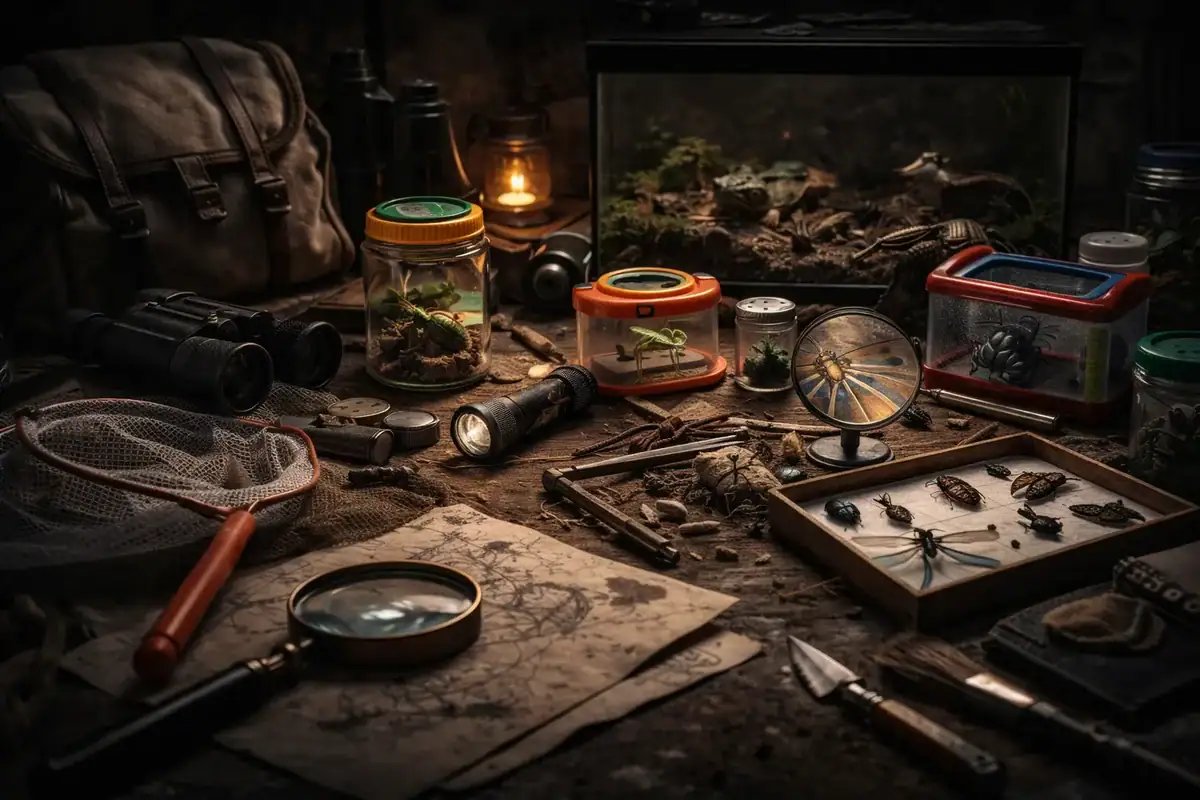
Kids Explorer Kits
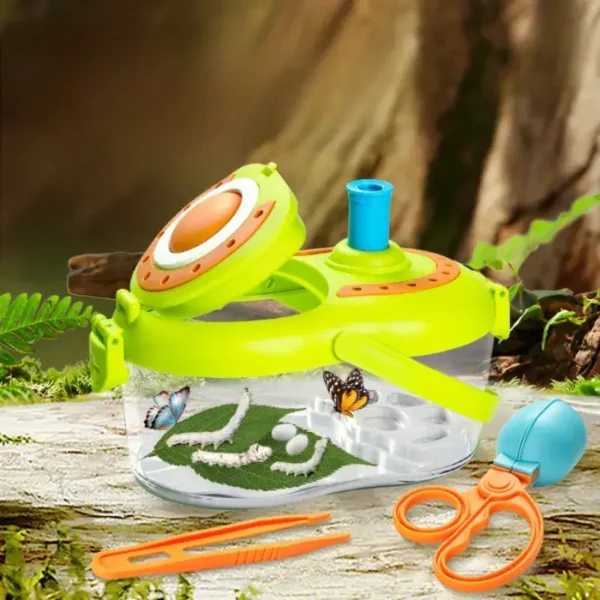
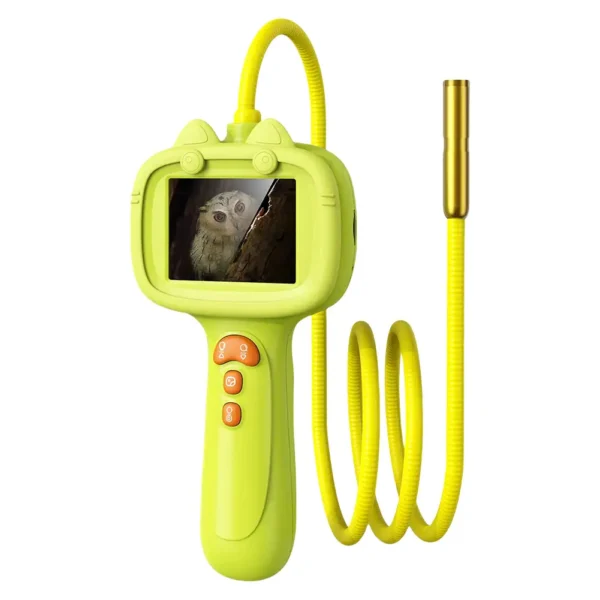
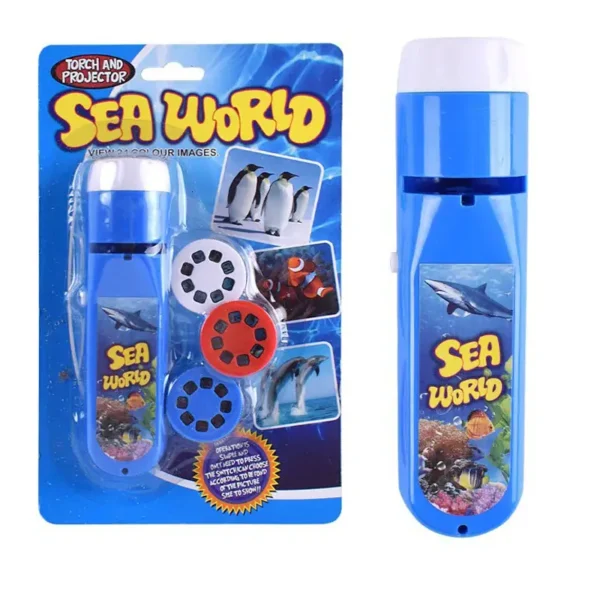
Kids Nature Projector Lamp
$13.99
Select options
This product has multiple variants. The options may be chosen on the product page
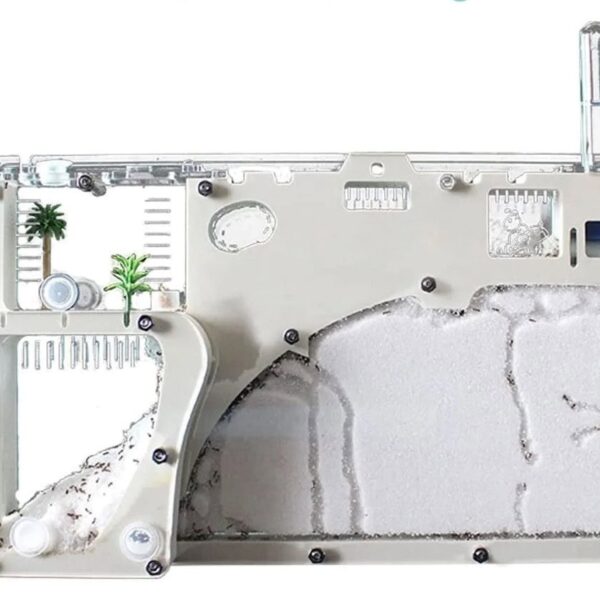
Kids Ant Farm
Price range: $57.99 through $87.99
Select options
This product has multiple variants. The options may be chosen on the product page
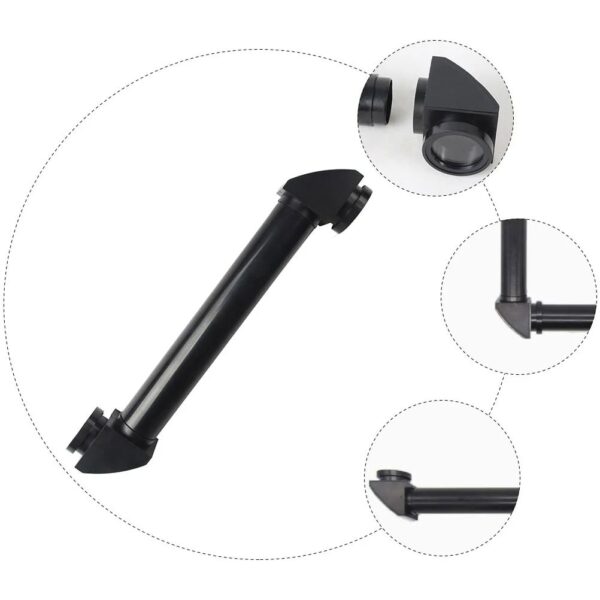
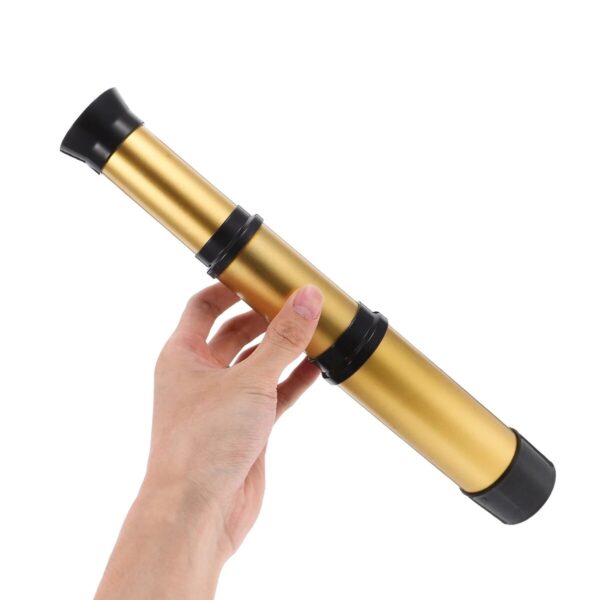
Kids Explorer Telescope
$13.99
Select options
This product has multiple variants. The options may be chosen on the product page
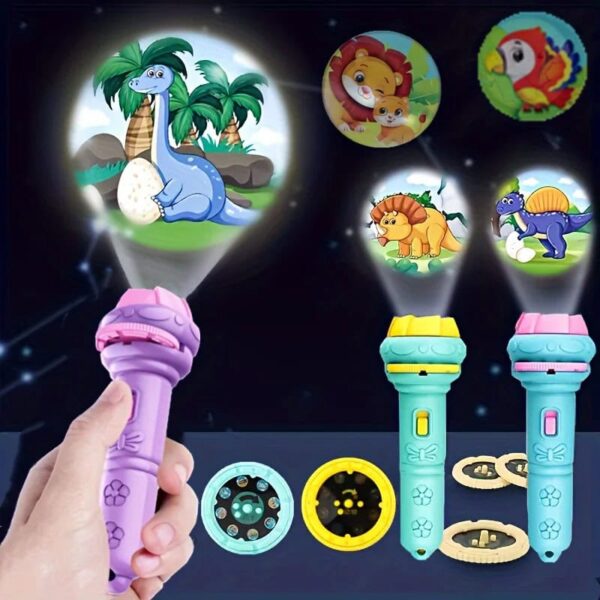
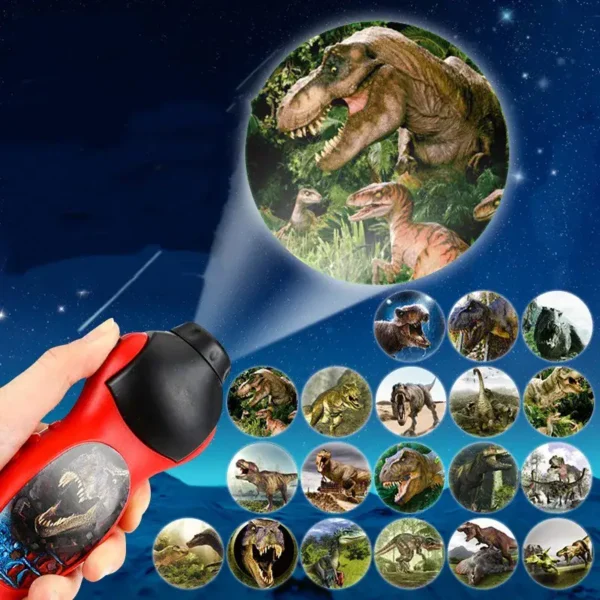
Kids Flashlight
$14.99
Select options
This product has multiple variants. The options may be chosen on the product page
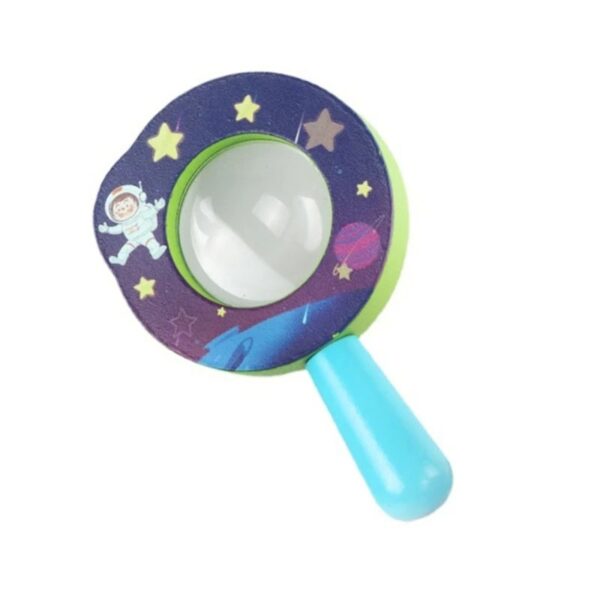
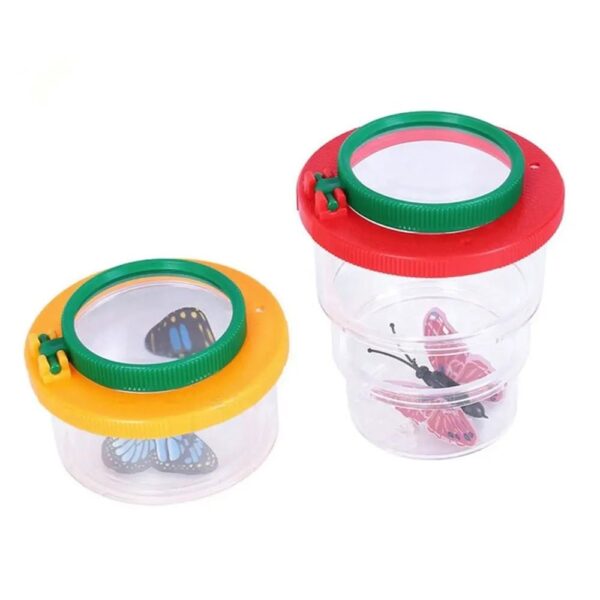
Kids Bug Catcher Box
$10.99
Select options
This product has multiple variants. The options may be chosen on the product page
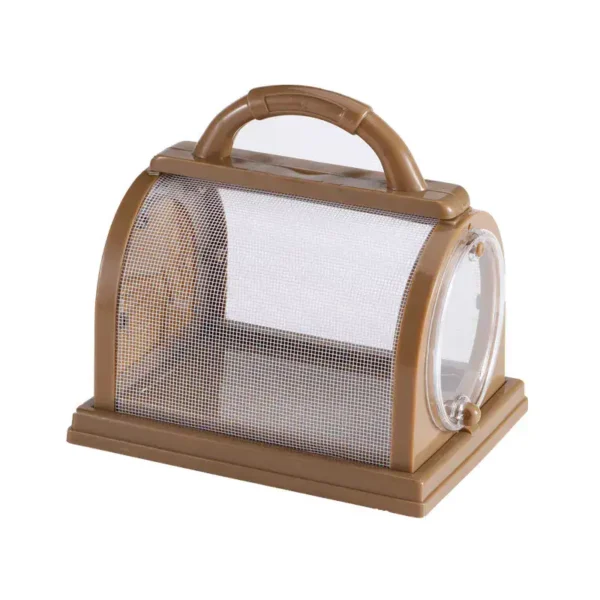
Insect Observation Kit
$51.99
Select options
This product has multiple variants. The options may be chosen on the product page
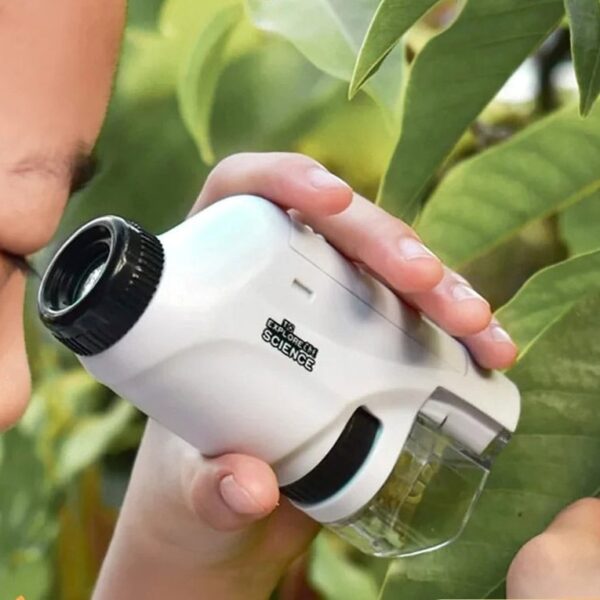
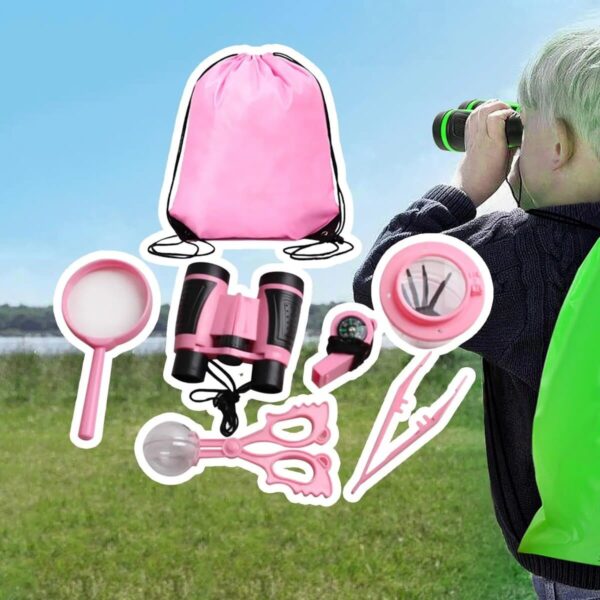
Explorer Kit for Kids 4 Years Old
$19.99
Select options
This product has multiple variants. The options may be chosen on the product page
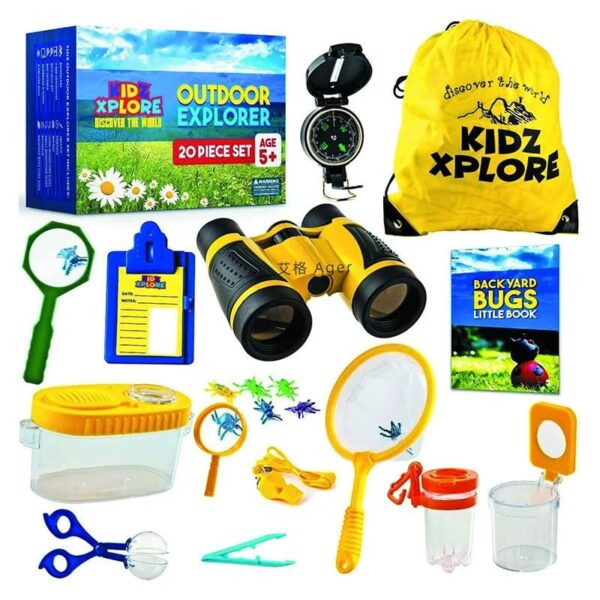
Must-Haves for Kids Explorer Kits
Perfect for sparking the curiosity of children, the explorer kit transforms a simple walk into a scientific mission. Our selection of games combines educational games, fun discoveries, and outdoor activities for learning through play. Designed for motor skills, observation, and investigative spirit, it’s an educational gift that appeals to both little ones and junior profiles.
- Insect observation: ant farms, insect boxes, tweezers, and notebooks to record findings (perfect for the Montessori approach and sensory play).
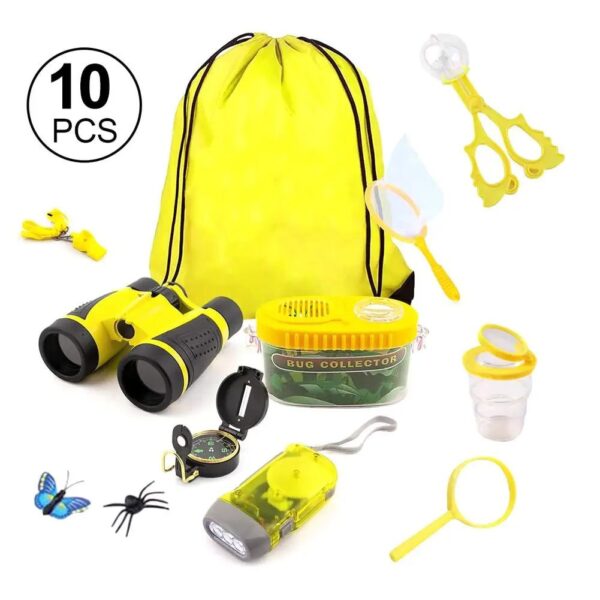
- Exploration tools: magnifying glass, binoculars, child microscope, pocket periscope to introduce the basics of biology and optics.
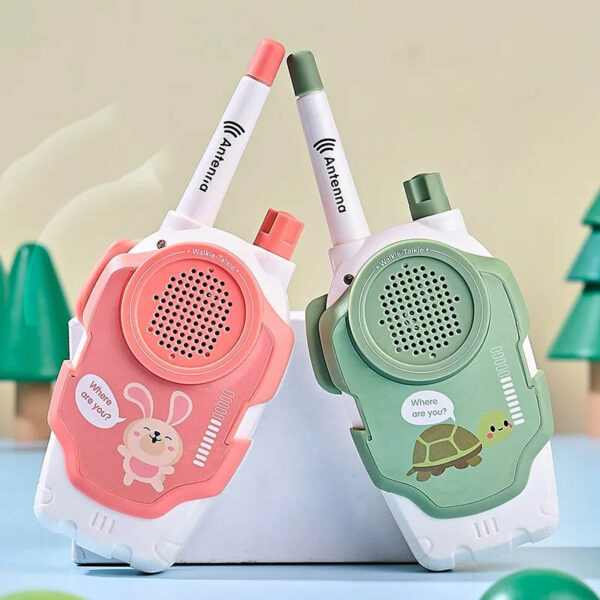
- Practical accessories: child flashlight, compass, walkie-talkie, emergency whistle (independence and safety for children).
- Complete kits: boxes for ages 4+, 7+, 10+ with multiple coordinated accessories (evolving scale according to ages).
Why Choose an Explorer Kit for Kids?
- Stimulate creativity and a love for discovery with fun activities and creative hobbies.
- Learn to observe and respect nature: simple protocols, observation notebooks, sorting finds (games and toys that make sense).
- Develop logic and scientific thinking: classify, compare, formulate hypotheses (ideal as a complement to a board game or puzzles).
- Away from screens: outdoor activities, cooperative play, and creative activities to share as a family.
What Age Are Explorer Kits Suitable For?
3 – 6 years: simple kits (magnifying glass, insect box, small flashlight). Focus on exploration, fine motor skills, and awakening with durable formats that resemble educational toys and wooden toys.
7 – 10 years: complete kits with tools (binoculars, walkie-talkie, starter ant farm). Introduces the first concepts of the scientific method.
11 years and up: more advanced experiments (pocket microscope, advanced observation, orientation).
| Age | Typical Content | Key Skills | Gift Ideas |
|---|---|---|---|
| 3–6 years | Magnifying glass, insect box, flashlight | Awakening, fine motor skills, vocabulary | Gift ideas for toddlers, activities for children |
| 7–10 years | Binoculars, walkie-talkie, notebook | Method, cooperation, sense of direction | Boxes of children’s games, educational sets |
| 11 years and up | Microscope/periscope, compass | Analysis, classification, independence | Nature walks + child microscope / child telescope |
E-E-A-T: tips inspired by the practices of teachers/educators, simple observation sheets, and safety reminders (possible presence of small parts, to be avoided for under 36 months). Each kit becomes a node of a semantic cocoon that connects biology (insects), optics (child microscope) and astronomy (child telescope), for learning through fun.
FAQ – Everything You Need to Know About Explorer Kits for Kids
What accessories are included in an explorer kit?
Depending on the age: magnifying glass, insect box, notebook, compass, walkie-talkie, binoculars, mini periscope, child microscope… Additional creative activities and nature elements make it even more fun.
From what age should you give an explorer kit?
From 3–4 years for an educational and sensory approach (robust formats), then more complete kits in junior versions for ages 7–10.
Are explorer kits suitable for classroom use?
Yes, in workshops with educational games: observation, sorting, comparison. They integrate well with scientific games and toys and simple learning materials.
What is the difference between an ant farm and an insect box?
The insect box is used for short-term field study and observation. The ant farm allows for longer observation (life cycle, organization), closer to a mini-laboratory for kids.