Science Gifts for Teens: Choosing Just Right from 13 to 17 Years Without Falling into the “Too Childish”
A science gift for teens often spans several ages, but between 13 and 17, the difference is substantial: at 13-14, fun and tangible items are desired; at 15-16, a real challenge is sought; and by 17, items that resemble “almost adult” fare are appreciated. In this mixed category (girl or boy), the goal is to find a gift idea that aligns with the current interests: robotics, space, mechanics, puzzles, science decor, or tech gadgets. The right indicator isn’t “boy/girl,” but the level of independence and the need for “wow” factor, whether for a birthday, a Christmas gift, or a lighter occasion.
13, 15, 17 Years: What Really Changes (And How to Use It)
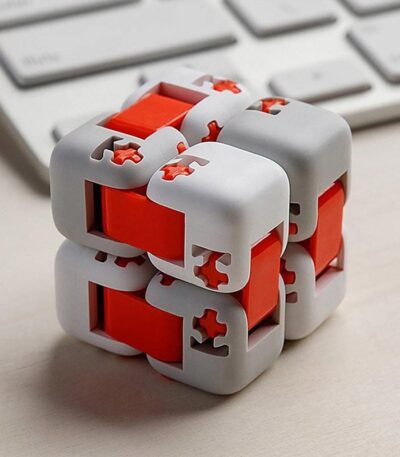
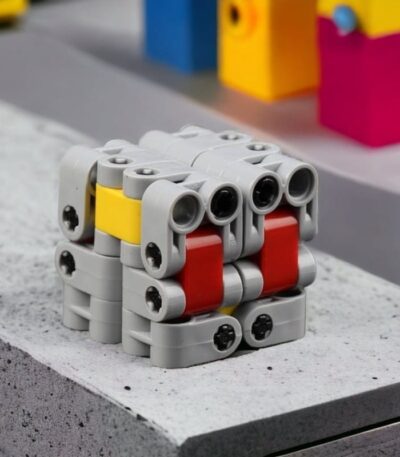
At 13-14, teens enjoy quick manipulation, testing, retrying, and showing off. “Action” or visual gifts (puzzles, cubes, moving objects) work well. At 15-16, patience increases: a build project, a DIY kit, or more complex logic becomes satisfying. At 17, the shift is towards items kept for longer: a desk piece, an acknowledged science accessory, or decor that sparks conversation. This reasoning avoids overly academic sets and helps provide an original gift that won’t end up at the back of a drawer.
The Right Gift According to the “Profile” of the Teen (Without Gender Clichés)
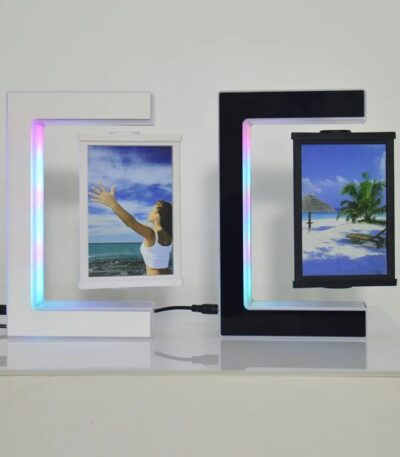
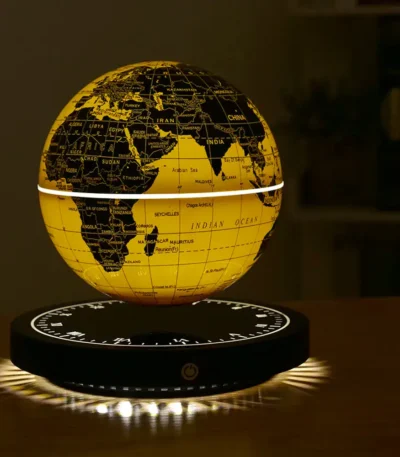
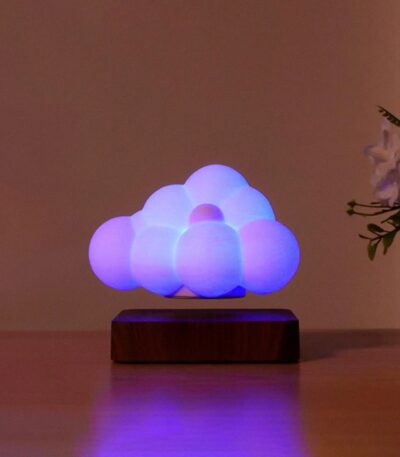
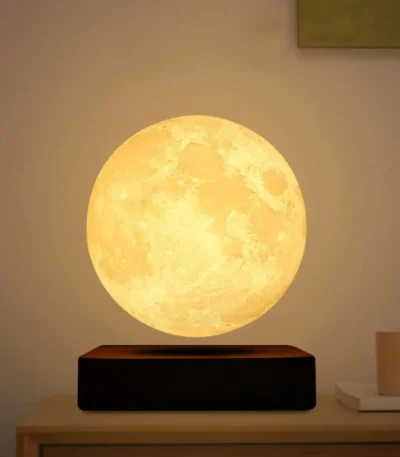
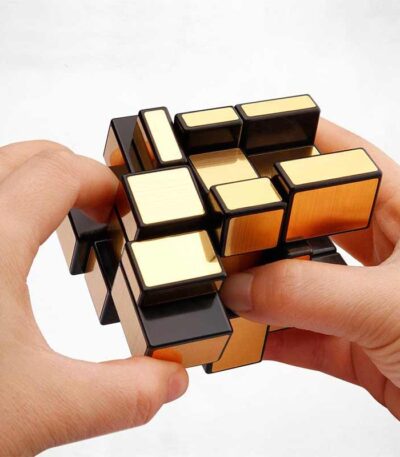
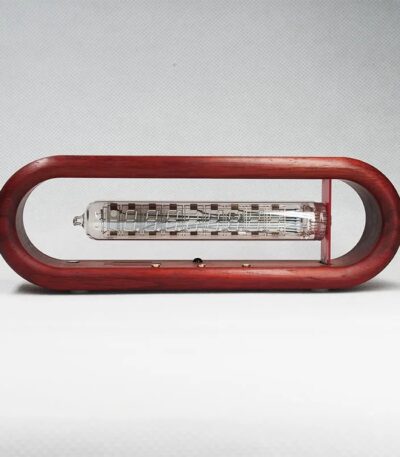
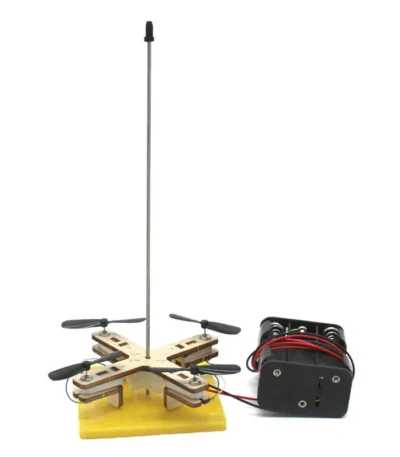
To guarantee satisfaction, observe what the teen is already doing when they have 10 minutes: are they tinkering, solving puzzles, looking at space, or do they prefer a stylish item to display? A Rubik’s Cube Safe often appeals to logical and puzzle-loving profiles, while a build project like a Mini V8 Thermal Engine Kit attracts the “mechanic workshop” minds. On the unusual side, a Nixie Tube Clock or a levitating object can become a true “geek” marker for a room or office. The idea isn’t to give toys, but an item that matches the rhythm and identity of the teen.
Comparison Table: Choosing by Age and Level of Challenge
| Type of Gift | Age Group Most Engaged | For What Profile | Independence | Level of Challenge |
|---|
| Puzzles, cubes, 3D puzzles | 13-15 years | The logical thinker, the player who enjoys short challenges and the satisfaction of succeeding alone | Total | Progressive, at their own pace |
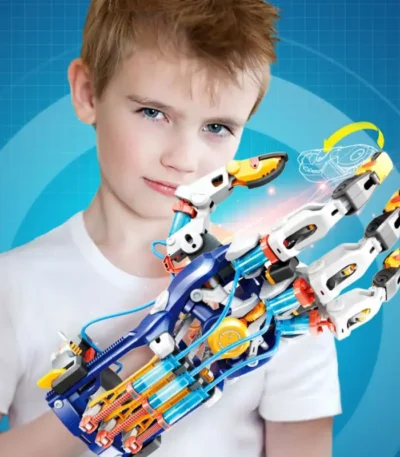
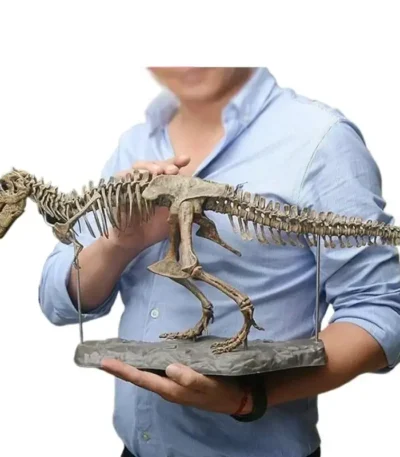
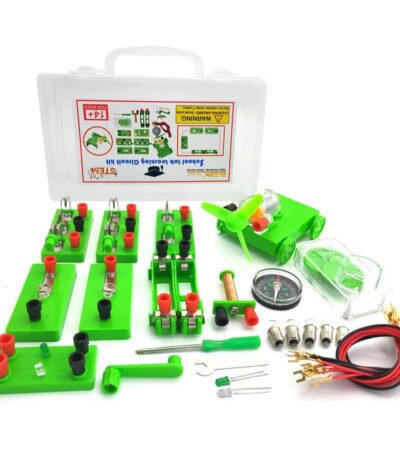
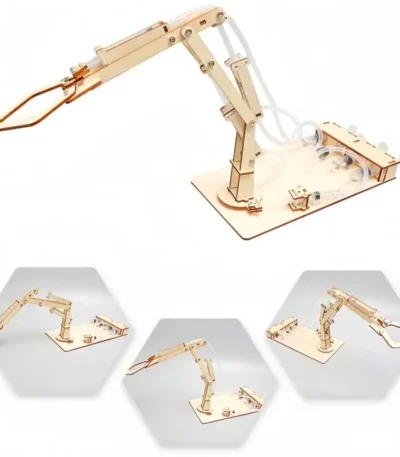
| Building kits: hydraulic, mechanical, DIY | 14-16 years | The tinkerer, the workshop mind who enjoys understanding how things work | High, guided by instructions | Medium to high |
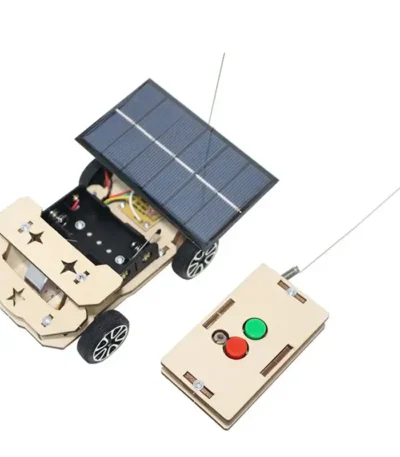
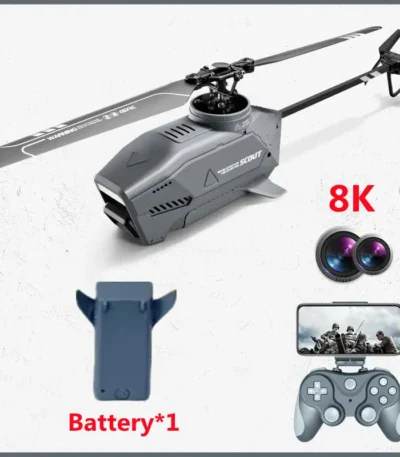
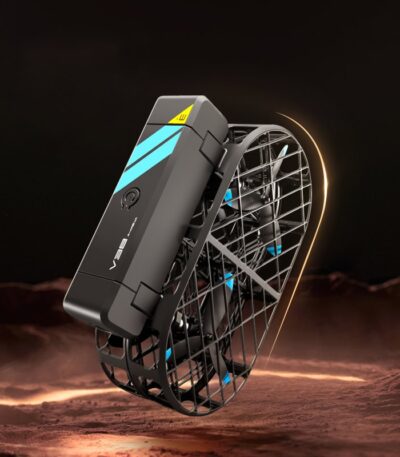
| Robots, drones, programmable vehicles | 13-16 years | The techie, someone who loves action, piloting, and pushing boundaries | High depending on usage and model | Medium, evolving |
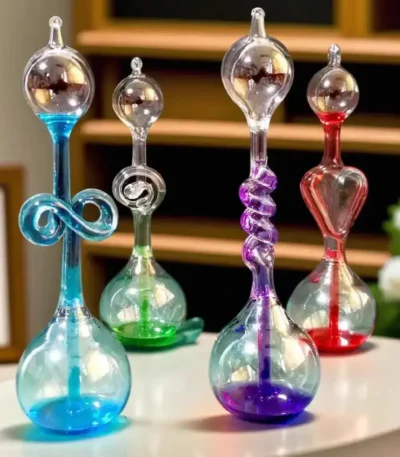
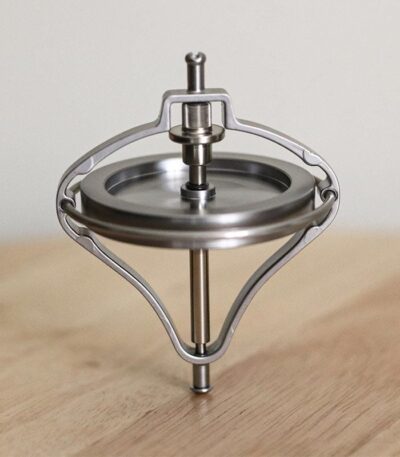
| “Visible science” objects: pendulums, prisms, barometers | 15-17 years | The curious observer passionate about natural and scientific phenomena | Total, no complex setup | Medium, intellectually stimulating |
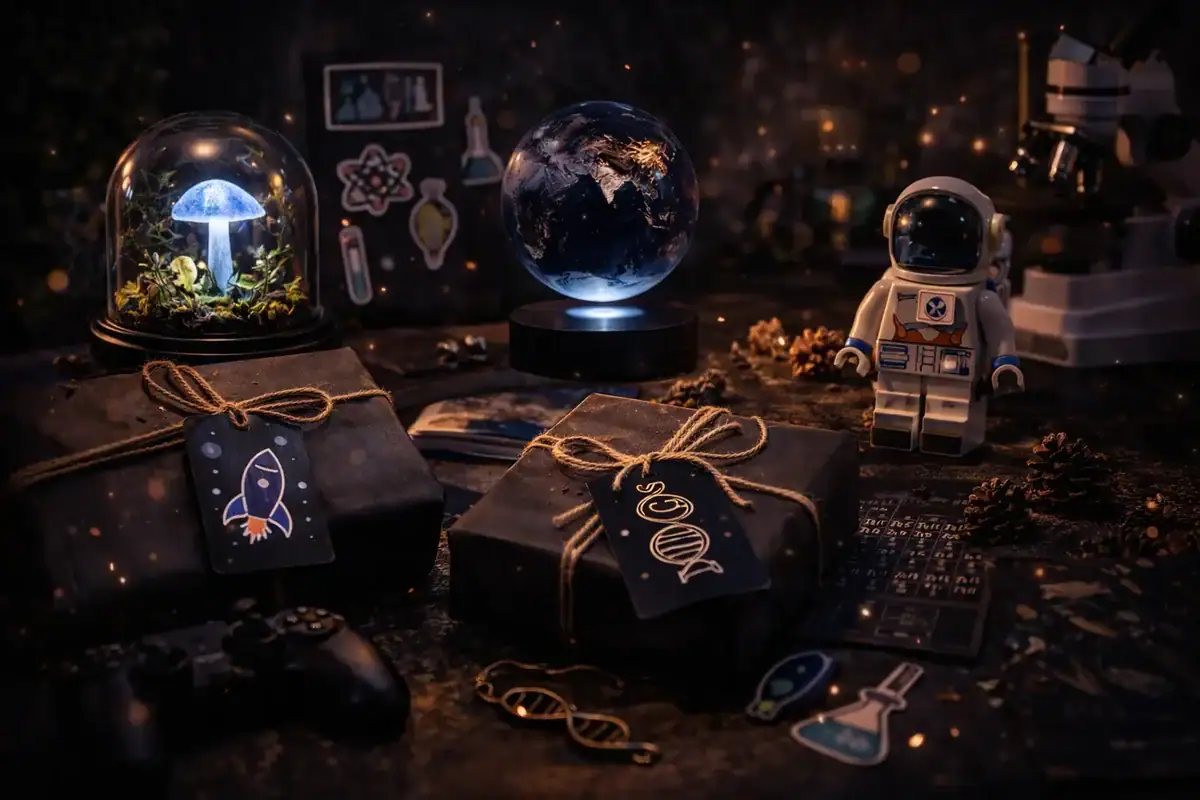
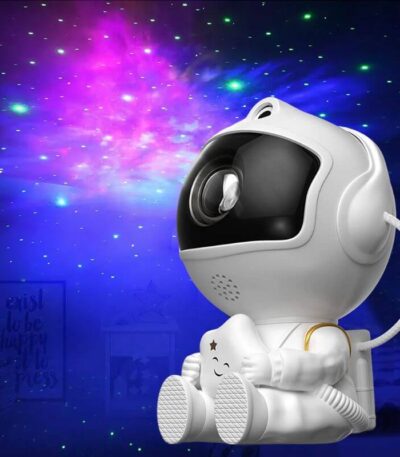
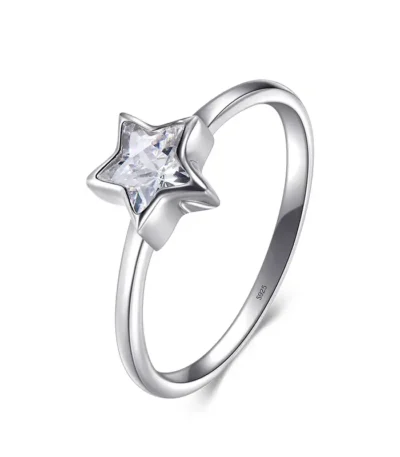
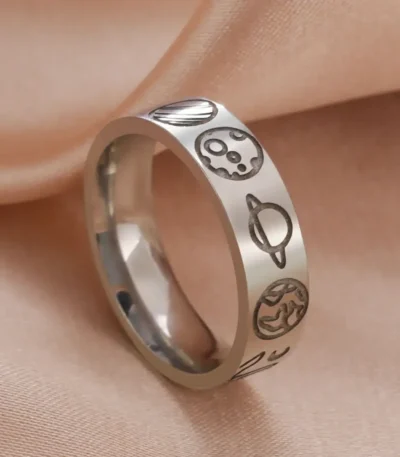
| Science and space decor: astronaut, projectors, lamps | 13-17 years | The dreamer, the space fan, the teen who cares about their universe and style | Total, ready to use | Low to medium, accessible to all |
Gift-Giving Moments: Birthdays, Christmas, Last Minute, How to Decide
Birthday: the teen wants something noticeable that tells a story. Unique items, robots, or space decor often make a good “sure bet.” Christmas gift: a project to undertake during the holidays works well, especially when there’s an element of assembly or construction. Last minute: prefer a simple format to handle, like a puzzle, a small science object, or a themed accessory (space, atoms, “think like a proton”). In any case, the perfect gift is one that respects the real time available: 10 minutes of play, or a true “workshop” session.
What Is Often Forgotten Between 13 and 17 Years
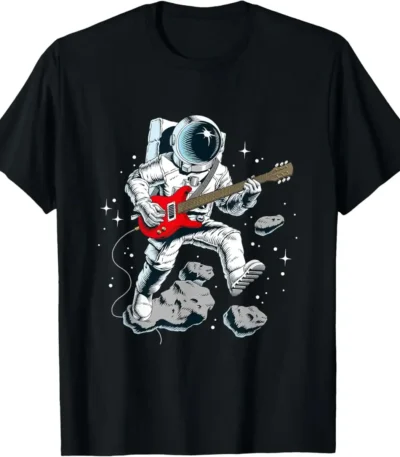
Between middle school and high school, a teen can love science without wanting an “educational” kit in the academic sense. An unusual gift, a gadget, or decor can spark more curiosity than a heavily guided kit. Teens also like to have items they keep: a desk piece (clock, prism, barometer), a poster, a themed accessory or clothing. Lastly, while tastes can be unpredictable, a gift card remains an acceptable option in families, especially when the recipient prefers to choose.
FAQ: Frequently Asked Questions for 13 to 17 Years
At 13-14, is it better to get a gadget or a real project to build?
At 13-14, engagement often comes from the tangible and immediate. A tech gadget or puzzle provides quick results, while a build project works mainly if the teen already enjoys tinkering.
What science gift works at 15-16 when the teen gets bored quickly?
A step-by-step challenge helps: something that’s revisited in short sessions. DIY kits, mechanics, or progressive puzzles avoid the “once and done” effect.
At 17, what really makes it “teen but more adult”?
A desk item or science decor that appears serious, or a confidently styled accessory. Unique pieces like clocks, levitation items, or observation objects are often better accepted than traditional toys.
Do these gifts appeal to both girls and boys?
Yes, if the choice is made based on interests rather than gender. Space, puzzles, unusual objects, mechanics, or robotics are shared grounds, with differences mainly on the level of challenge.
How to avoid the “too childish” gift at 14-15?
Avoid overly narrative or guided kits and focus on an item that lasts or a real challenge. A puzzle, a visible science object, or a construction kit is more likely to remain on the desk.