Free Shipping on Orders Over $50


Science Watch
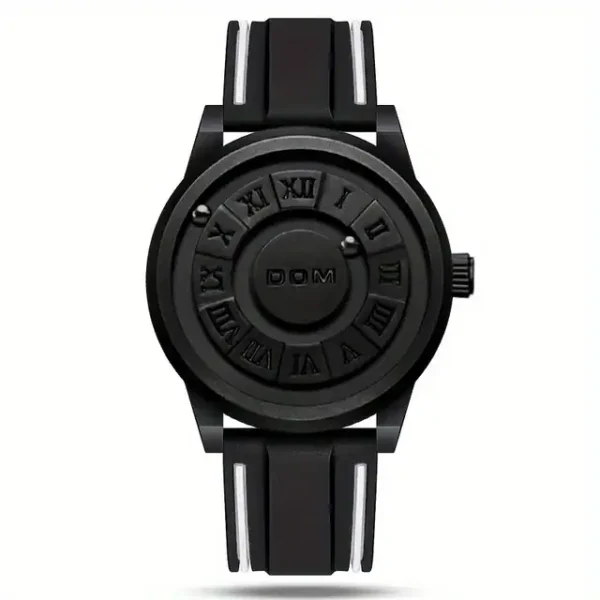
Magnetic Ball Bearing Watch
$91.99
Select options
This product has multiple variants. The options may be chosen on the product page
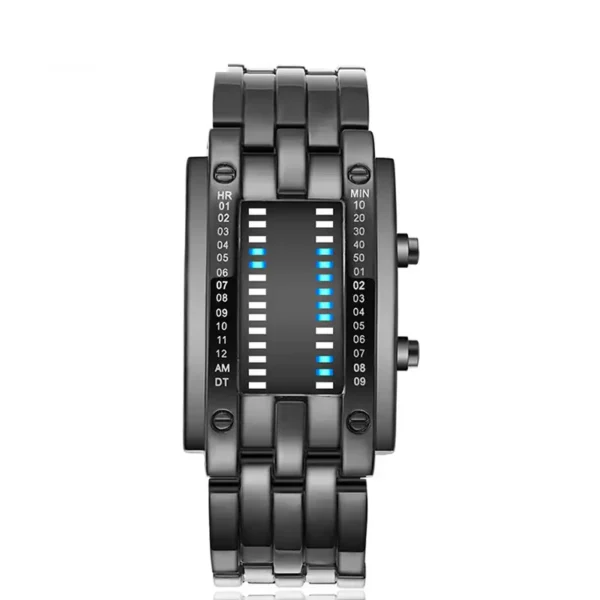
Binary Watch
$34.99
Select options
This product has multiple variants. The options may be chosen on the product page
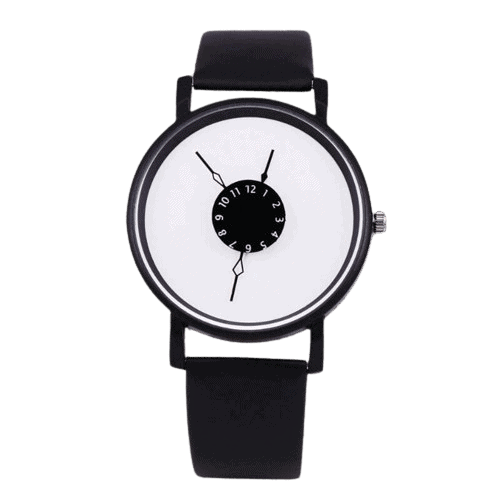
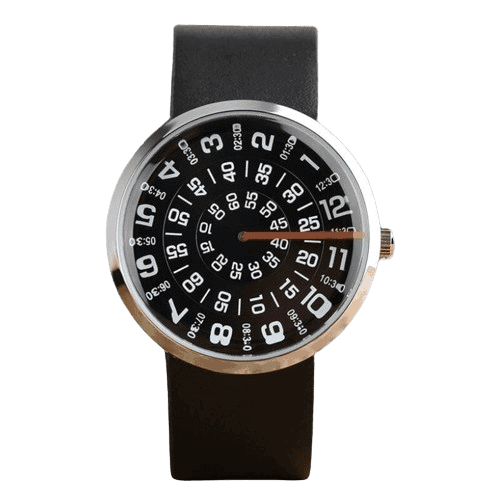
Reverse Hand Watch
$26.99
Select options
This product has multiple variants. The options may be chosen on the product page
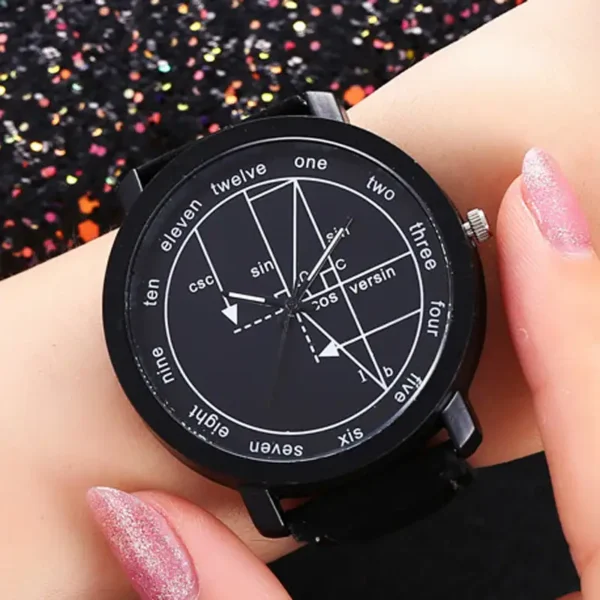
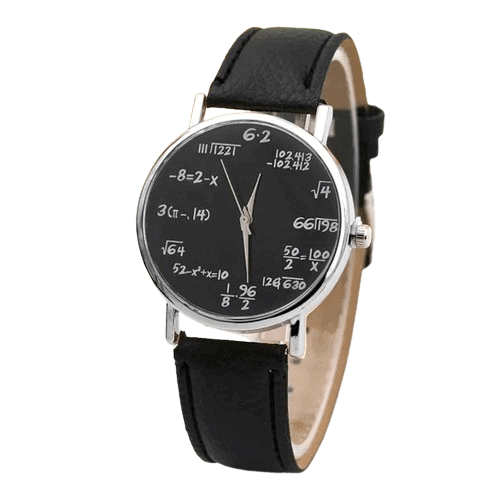
Women’s Watch for Scientists
$10.99
Select options
This product has multiple variants. The options may be chosen on the product page
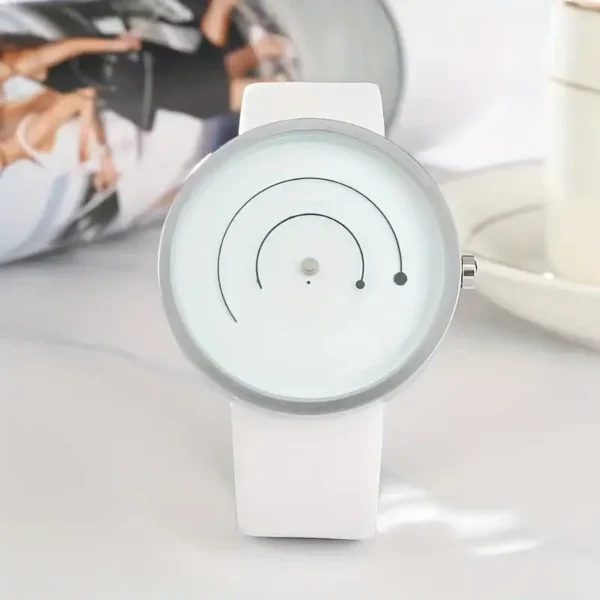
Quirky Science Watch
$19.99
Select options
This product has multiple variants. The options may be chosen on the product page
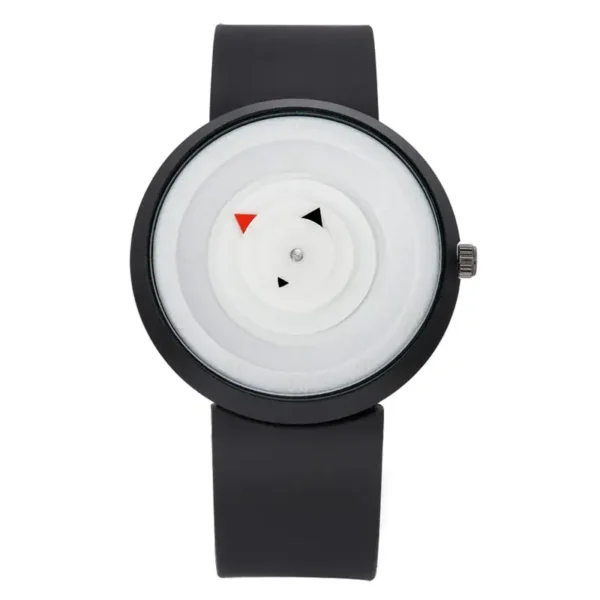
Unique Watch for Men
$19.99
Select options
This product has multiple variants. The options may be chosen on the product page
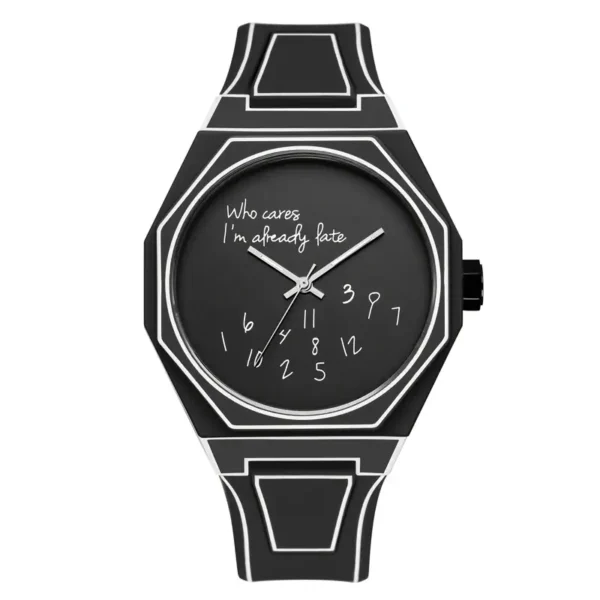
Unique Women’s Watch
$43.99
Select options
This product has multiple variants. The options may be chosen on the product page
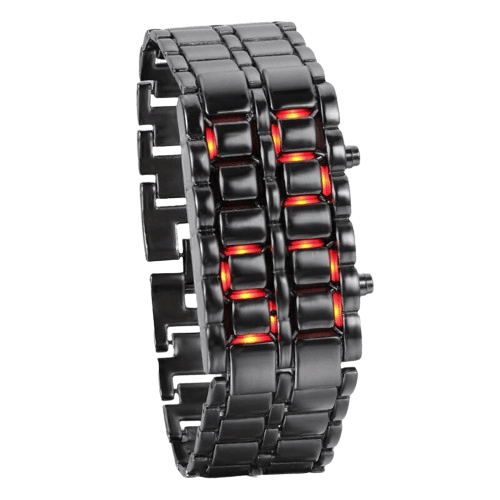
LED Watch
$28.99
Select options
This product has multiple variants. The options may be chosen on the product page
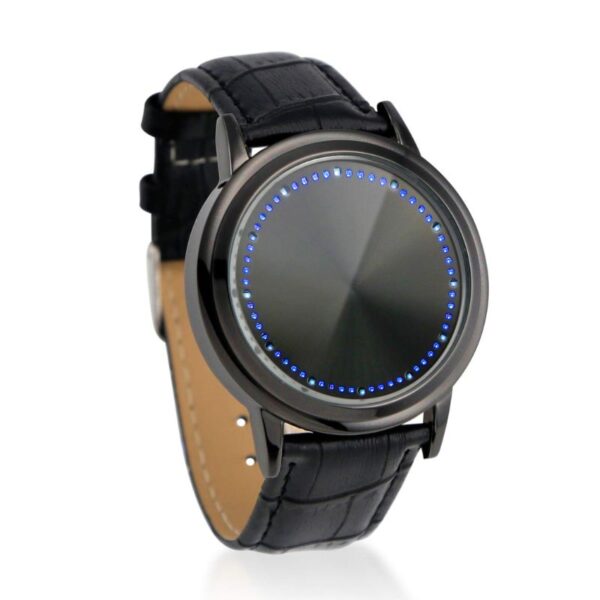
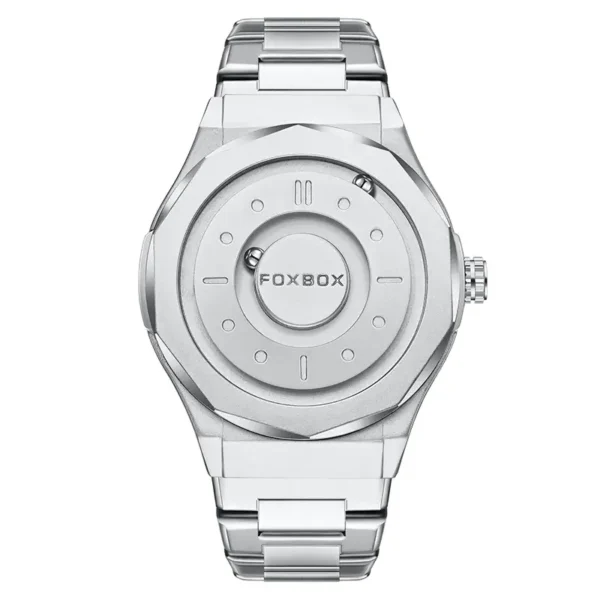
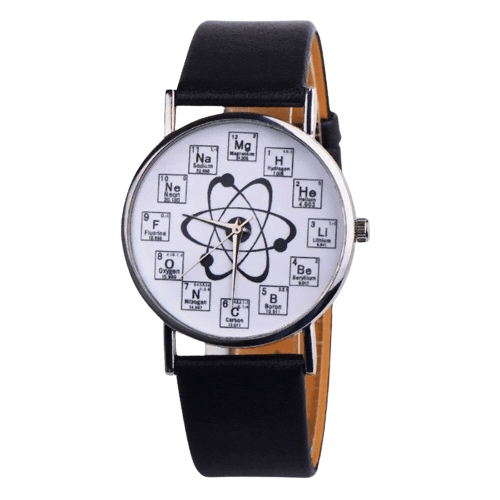
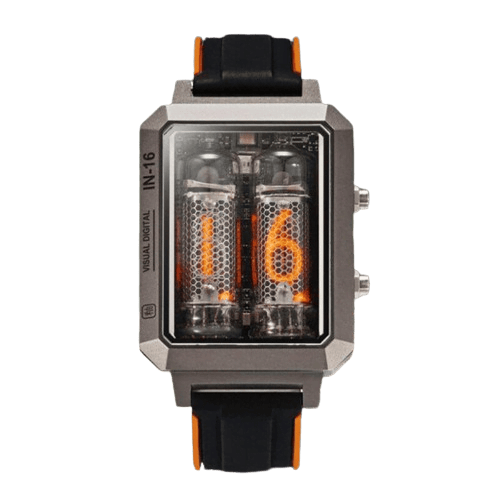
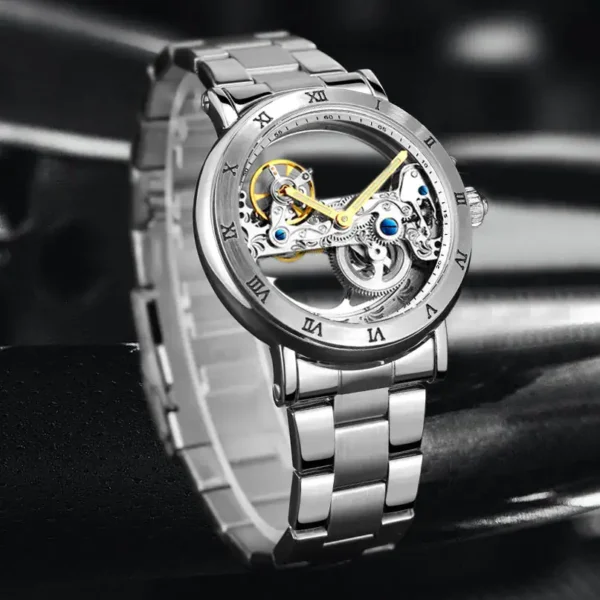
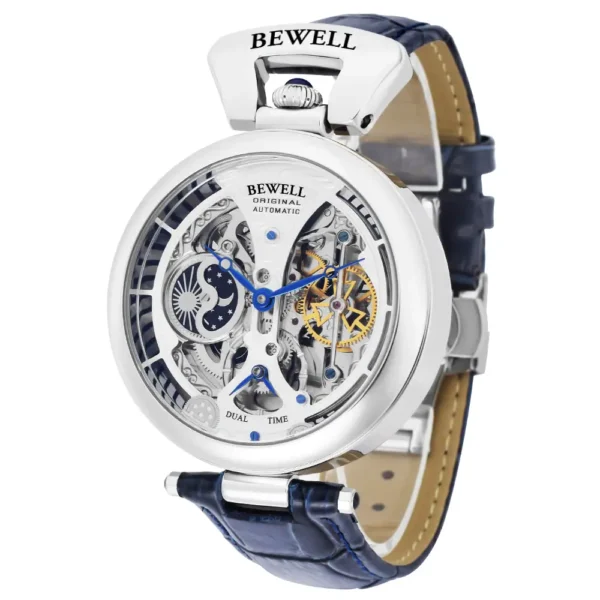
Original Automatic Watch
$126.99
Select options
This product has multiple variants. The options may be chosen on the product page
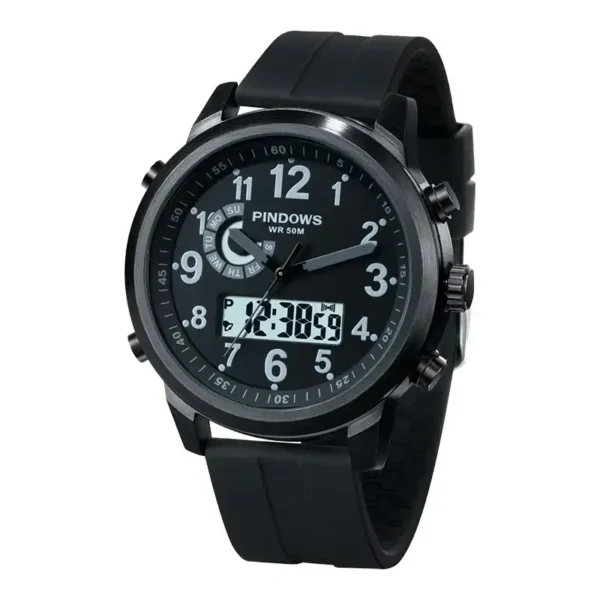
Original Digital Watch
$87.99
Select options
This product has multiple variants. The options may be chosen on the product page
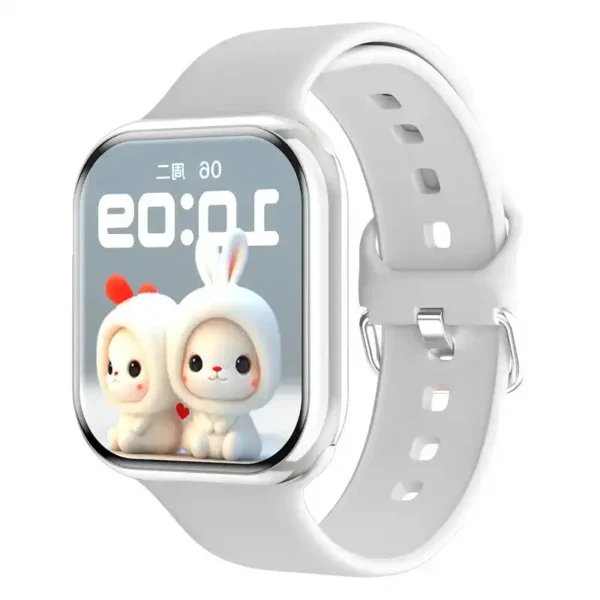
Original Smart Watch
$74.99
Select options
This product has multiple variants. The options may be chosen on the product page
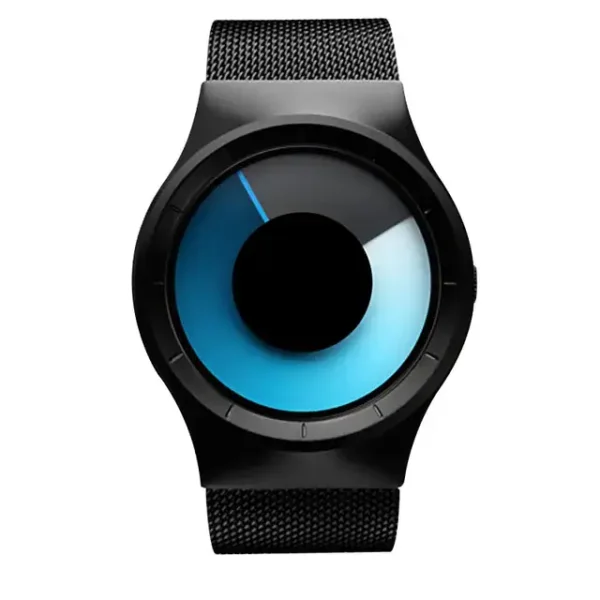
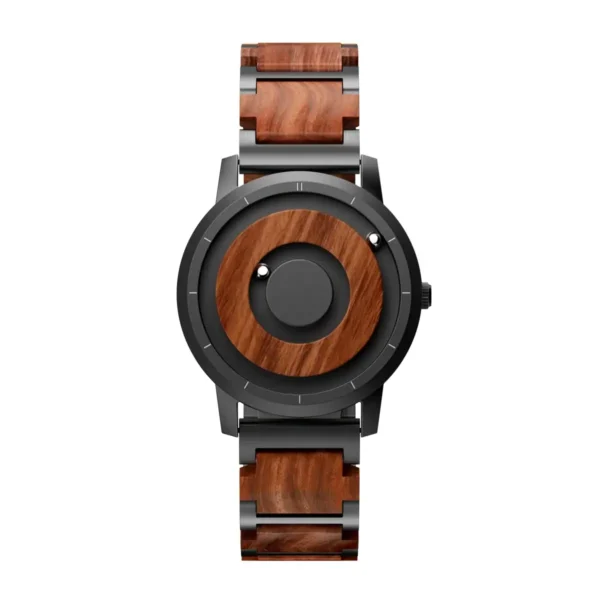
A science watch is not just an accessory to “look geeky.” It mainly serves to display an idea: a different way to tell time, to look at a dial, or to embrace a style inspired by math, physics, and technology. Here, we transition from a classic hand watch to conceptual models like the Magnetic Ball Watch or the Binary Watch, not to mention more “object” pieces like the Nixie Watch. The key is to choose a model that feels good on the wrist and aligns with your actual usage.
What makes a difference day to day
Before you splurge, ask yourself a simple question: do you want to read the time instantly, or enjoy a more “logical game” display? A classic reading watch (like the Original Automatic Watch) favors speed. In contrast, an atypical display watch (binary, LED, single-hand, reversed hands) emphasizes the “conversation starter” effect. Both can be satisfying, but not for the same occasions: meetings, driving, sports, or focused work.
- Readability: markers on the dial, contrast, immediate understanding or not.
- Usage: office, outings, gift, or “collection” piece.
- Comfort: type of strap, adjustment, feel on the wrist.
- Product sheet: presence of a quartz movement or a automatic movement, and winding method if necessary.
Displays: from classic marker to fun challenge
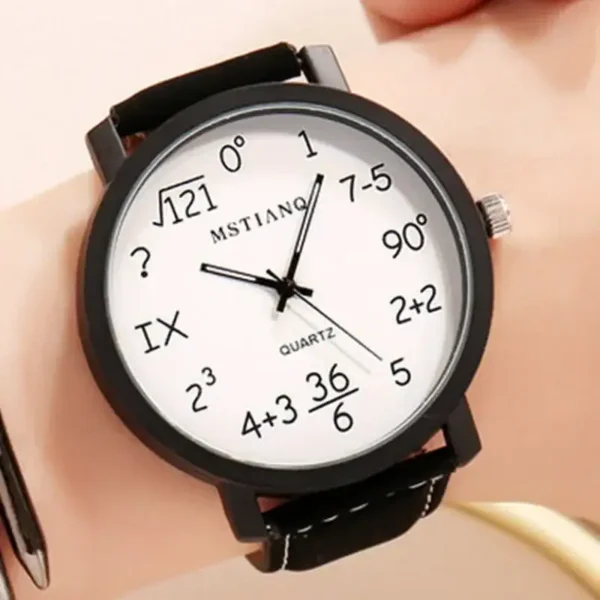
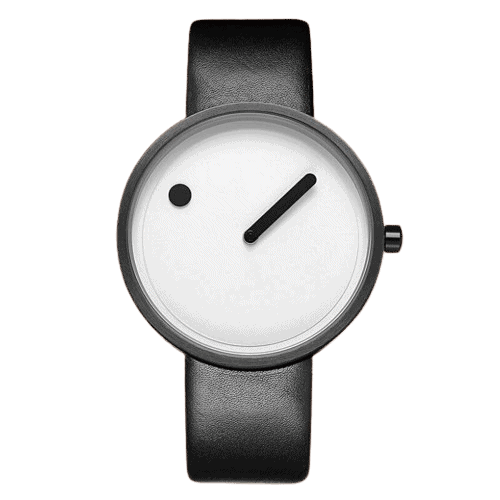
If you love traditional watchmaking, check the type of case (for example, stainless steel depending on the models) and the style of the strap (metal, leather strap, or other). For a more “scientific” display, models like the Mathematical Equation Watch, the Atypical Atom Watch, or the Single Hand Reversed Watch focus more on surprise than on being an “instrument.” And if you are hesitant, the Single Hand Watch is a good compromise: minimalist, but different without becoming unreadable.
| Type / Idea | For What Use | Time Reading | To Check Before Buying | “Conversation” Effect |
|---|---|---|---|---|
| Classic Automatic | Everyday wear, understated style | Fast, familiar markers | Type of winding, strap comfort | Moderate |
| Smart Watch | “Smart” habits for everyday | Very direct, screen | Useful functions for you, indicated battery life | Low to moderate |
| Binary / LED | Geek, parties, gift | Learning, less immediate | Readability, logic of reading | Strong |
| Magnetic Ball | Design object on the wrist | Intuitive after some adaptation | Habits (gesture, location), comfort | Very strong |
| Nixie / Object Piece | Collection, tech passion | Secondary, more of an “experience” | Bulkiness, actual use, budget | Exceptional |
Budget, style, and realistic expectations
In this category, the price range is a signal: a Women’s Watch for Scientists that is budget-friendly will not serve the same role as a high-end “statement” piece, and a Nixie Watch should be treated more as a signature object than as a “practical” watch. To remain satisfied, align the budget with the use: daily wear (priority on strap comfort and reading), gift (priority on style and theme), or watchmaking passion (priority on mechanics, chronograph if present, and details indicated on the sheet).
FAQ
How to choose between quartz and automatic here?
Look at your routine: if you wear the watch often, an automatic watch may suit you. If you want something easy to pick up after a week of not wearing it, a quartz movement is often more “plug and play.” Rely on the information from the product sheet.
Is a binary or LED watch quick to read?
The first few hours require a bit of adjustment time. For use “at the wheel” or in a meeting, it’s not ideal. For casual wear or just for fun, that’s what makes it charming.
What should I check for wrist comfort?
The type of strap (flexible, metal, leather strap) and adjustment are crucial. Also, consider the size of the case: even without dimensions, photos give an idea of how it looks on a thin or wide wrist.
Is the “luxury watch for scientists” suitable for everyday wear?
Yes, if the style represents you and the reading remains fluid. Especially check the level of sobriety of the dial and the fit of the strap over a full day. A watch designed to be a “statement” can become tiring if it attracts too much attention.
Should I look for a waterproof watch in this selection?
If you wear your watch daily (rain, dishwashing, sports), that’s a point to check. Don’t assume that’s the case: clearly look for the mention waterproof on the sheet; otherwise, consider it to be avoided in contact with water.