Free Shipping on Orders Over $50

Definition of Hydrophobic Powder
Contenus
afficher
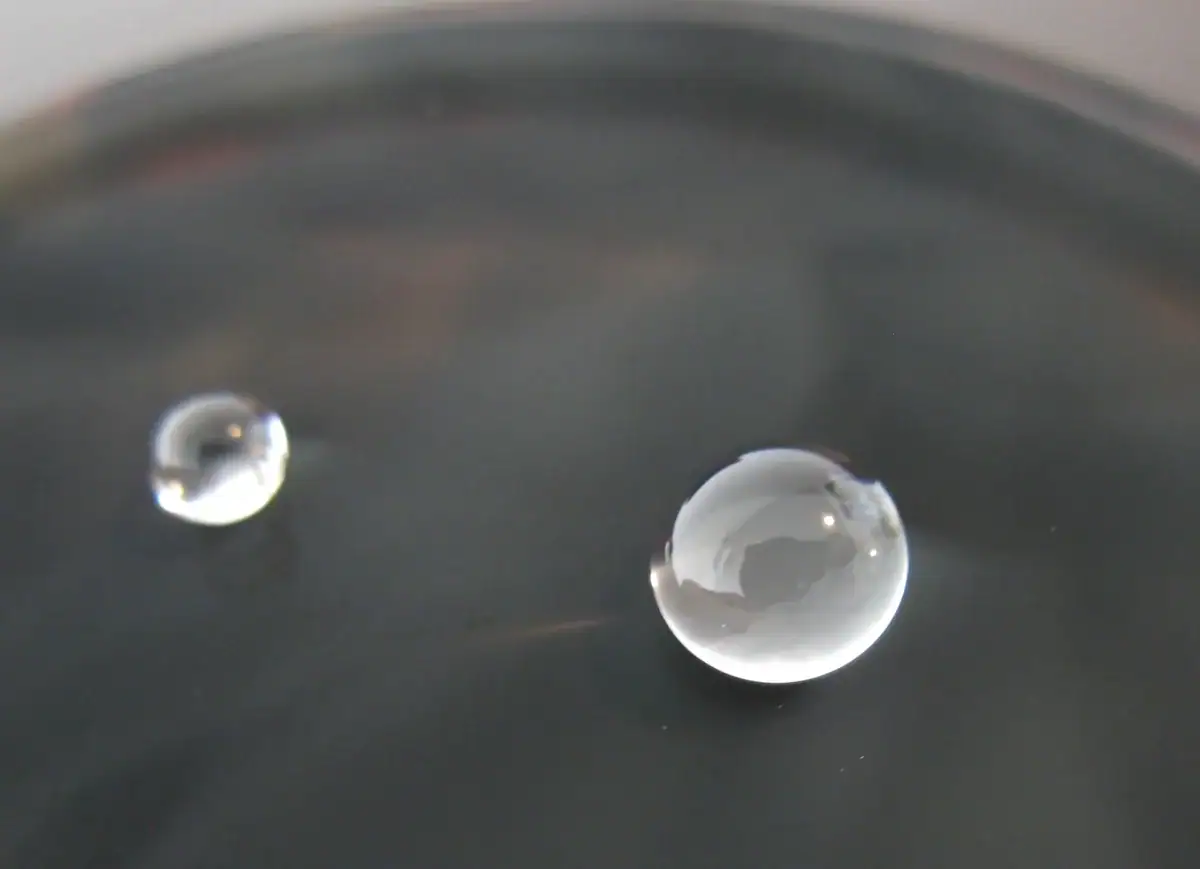
The hydrophobic powder is an innovative substance that has the unique ability to repel water, thanks to its chemical properties that create an aversion to water molecules. This characteristic allows it to make any surface on which it is applied waterproof, thus paving the way for multiple applications both in industrial and everyday settings.
The principle of hydrophobicity is not new, but technological advancements have allowed the development of powders with exceptional waterproofing capabilities. These powders are now used in many sectors to protect and enhance the performance of various products.
History and Development of Hydrophobic Powder
The history of hydrophobic powder dates back several decades, when scientists began exploring the properties of materials to repel water. Over time, researchers have succeeded in synthesizing substances capable of resisting water in ways never seen before. The development of these hydrophobic powders has been driven by the need to protect materials from moisture and enhance their durability.
Through continuous efforts in research and development, hydrophobic powder has evolved to become more effective and economically viable, allowing it to be integrated into numerous industries. Recent advancements in nanotechnology have significantly contributed to optimizing its properties and effectiveness.
Common Uses of Hydrophobic Powder
Hydrophobic powder is now finding its place in various applications. It is particularly used in the construction sector to coat facades and roofs, making them waterproof and more resistant to the elements. In the textile industry, it is used to create water-repellent clothing that effectively protects against rain.
Aside from these uses, it is also applied in electronics to protect sensitive components from moisture, as well as in the automotive field to enhance visibility by applying a hydrophobic coating on windshields. The versatility of this powder makes it a preferred component for improving the water resistance of many products.
Manufacturing Process of Hydrophobic Powder
Materials Used in Manufacturing
The manufacturing of hydrophobic powder involves the use of specific raw materials capable of imparting the desired hydrophobic properties. These materials can be natural or synthetic and are often chosen for their unique molecular structure that repels water. Silicones and certain fluorinated compounds are frequently used due to their remarkable effectiveness in hydrophobic applications.
Hydrophobic powder producers must carefully select their materials to ensure not only the effectiveness of the final product but also its compliance with environmental and safety standards. This requires a judicious choice of substances used to avoid any toxicity or negative impact on the environment.
Technical Process of Manufacturing
The manufacturing process of hydrophobic powder is complex and requires high technical expertise. It generally includes several steps, such as the chemical synthesis of hydrophobic compounds, their transformation into fine powder, and subsequent treatment to enhance their properties. The manufacturing techniques may vary depending on the type of powder desired and its target applications.
The use of advanced technologies such as nanotechnology plays a crucial role in the manufacturing process. It allows for the creation of nanoparticles that significantly increase the effectiveness of hydrophobic powder by maximizing the surface area contact with water and improving its repulsion capabilities.
Quality Control and Safety Standards
Quality control is an essential element in the production of hydrophobic powder. Each batch must be meticulously inspected to ensure consistent effectiveness and optimal safety. Rigorous testing is conducted to ensure that the powder meets international performance and non-toxicity standards.
Manufacturers must also ensure that their product complies with current environmental regulations. This involves minimizing pollutant emissions and ensuring that the powder is safe for end users and the ecosystem. The implementation of strict safety protocols is therefore imperative for the responsible marketing of hydrophobic powder.
Applications and Benefits of Hydrophobic Powder
Industrial Applications of Hydrophobic Powder
Industry greatly benefits from hydrophobic powder and its remarkable properties. In the paint and coatings sector, it enables the creation of self-cleaning surfaces that reduce maintenance frequency and costs. In aeronautics, it is used to enhance the aerodynamic efficiency of aircraft by preventing water accumulation on surfaces.
Furthermore, hydrophobic powder is valuable in the design of innovative construction materials, such as hydrophobic concrete, thus prolonging the lifespan of structures and reducing damage caused by moisture. It also finds its place in the energy sectors, notably to protect solar and wind equipment from natural elements.
Benefits of Using Hydrophobic Powder
The use of hydrophobic powder offers a multitude of advantages. It increases the longevity of products by protecting them from moisture, reduces the need for cleaning chemicals, and lowers maintenance costs. Additionally, it can enhance the performance and efficiency of many devices by preventing water adhesion.
Another asset of hydrophobic powder lies in its ability to improve the quality of life for consumers. Textiles treated with this powder provide extra comfort by remaining dry in the rain, while hydrophobic coatings on vehicle windows enhance visibility during adverse weather conditions. The ease of application and durability of hydrophobic treatments also contribute to their growing popularity.
Environmental and Sustainable Impact of Hydrophobic Powder
In terms of environment, hydrophobic powder presents significant advantages. By reducing the need to use chemical cleaning products, it helps to decrease pollution and the ecological impact of human activities. Hydrophobic coatings can also reduce water consumption by facilitating surface cleaning with fewer resources.
In the long term, the focus on the durability of products treated with hydrophobic powder promotes a more environmentally friendly approach. However, it is essential that the industry continues to seek greener manufacturing methods and materials to ensure that the environmental impact remains minimal. Hydrophobic powder is an excellent example of how technology can be utilized to create sustainable solutions that respect our planet.