Free Shipping on Orders Over $50

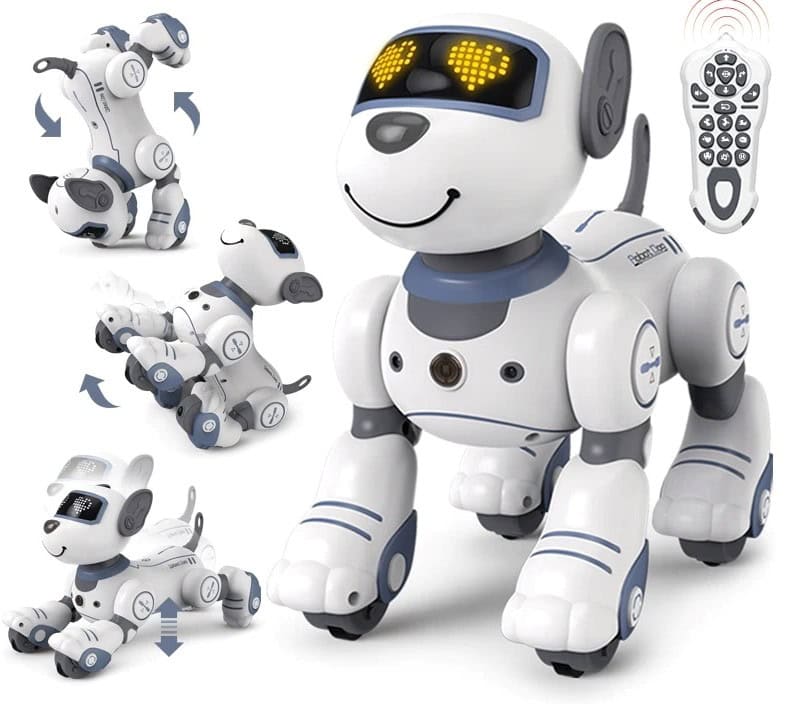
The best robot for children is the one that matches their age, interests, and your goals (educational or recreational). A well-chosen robot can become an exciting learning tool while still being a fun toy. In this guide, we will explore the benefits of robots for children, the criteria for choice, the different types available, as well as a comparison table, expert advice, mistakes to avoid, and a FAQ.
Contenus
afficher
Why give a robot to a child?
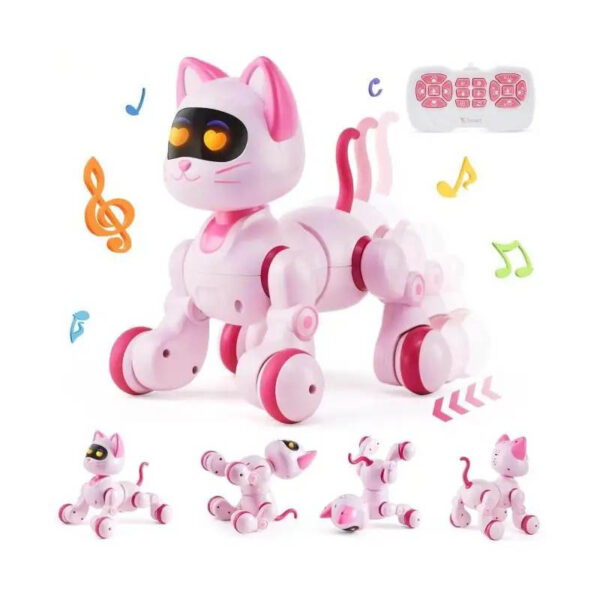
Robot Cat
$95.99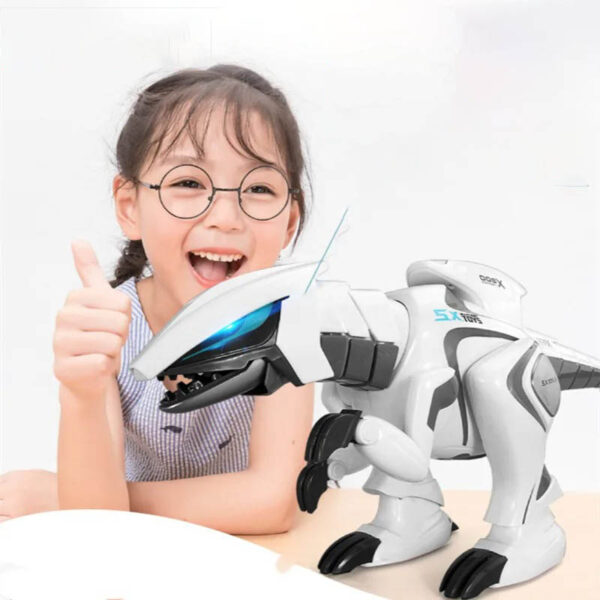
Raptor Dinosaur Robot
$234.99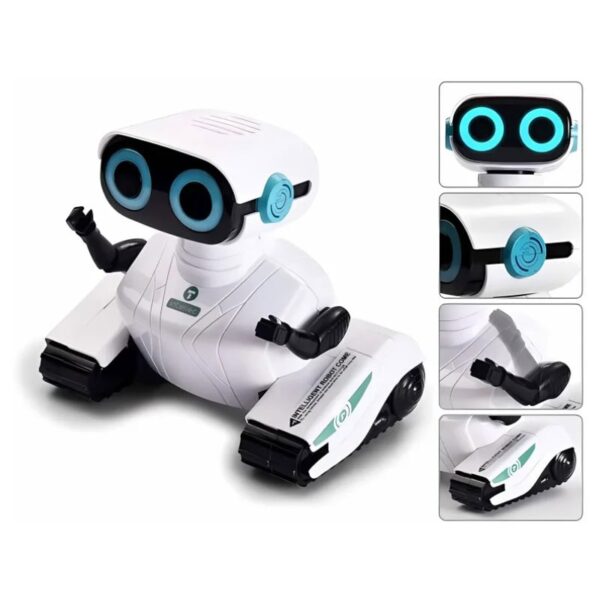
An educational and pedagogical tool
Robots for children are much more than just toys. They promote learning through play, making complex concepts more accessible. Depending on the age, they allow the discovery of sequence logic, problem-solving, and even the basics of programming. Some models introduce STEM (Science, Technology, Engineering, Mathematics) disciplines progressively, offering activities suited to the child’s level. It’s a playful way to develop cognitive skills while preparing for their future.
A toy that stimulates creativity and logic
A robot is not just an object to observe: it becomes a play partner. The child can invent missions for it, build courses, code movements, or interact with it. These experiences encourage creativity and strengthen logical thinking, as the child must imagine a solution and test the outcome. Many educational robots are designed to value experimentation: the child learns that making mistakes is part of the learning process.
A way to introduce new technologies
We live in a world where artificial intelligence, robotics, and connected objects are part of everyday life. Giving a robot to a child allows them to acquire a fundamental digital culture from a young age. Interactive models raise awareness of voice interfaces, motion sensors, and mobile applications. This early contact with technology develops the child’s curiosity and ease with digital tools, while also awakening potential scientific or technological vocations.
Essential criteria for choosing a robot for children
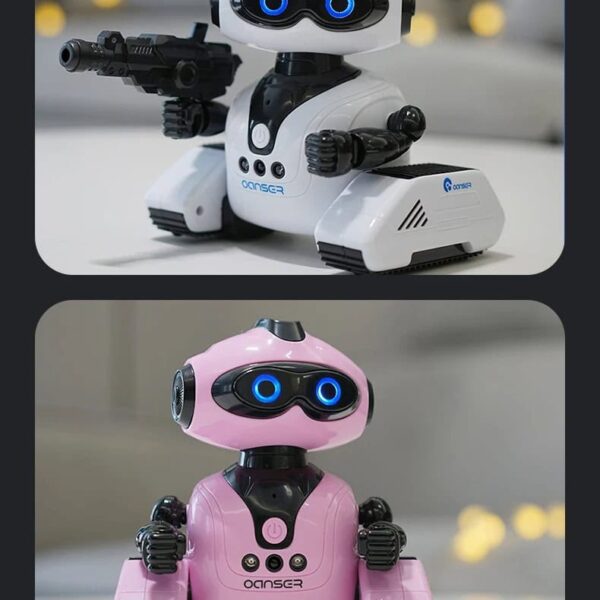
Select options
This product has multiple variants. The options may be chosen on the product page
Kids Smart Robot
$41.99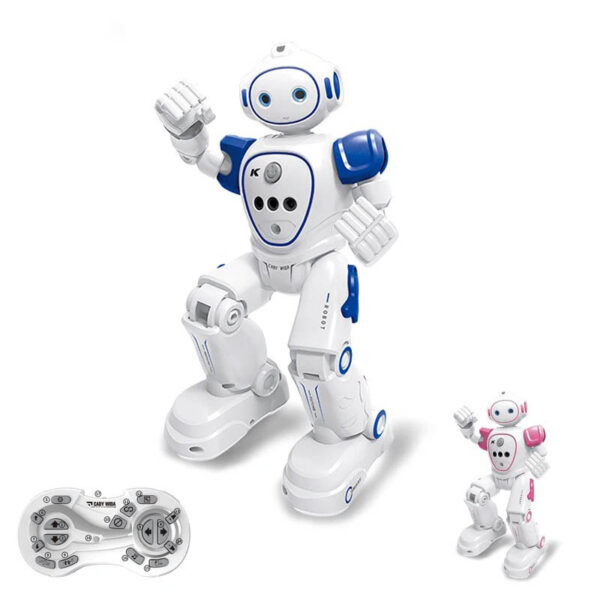
Select options
This product has multiple variants. The options may be chosen on the product page
Interactive Robot for Kids
$44.99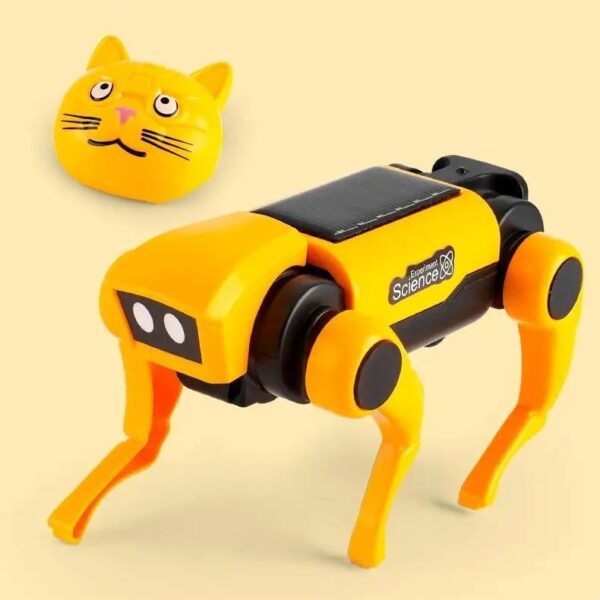
The child’s age and the level of complexity
The choice of robot must be adapted to the maturity and abilities of the child. For younger children (3-6 years), a simple, colorful, and intuitive model is preferable, often with physical buttons or cards to insert. Between 7 and 10 years, children can begin to use interactive or connected robots that introduce block programming. Teenagers, on the other hand, can handle more complex robotic kits that combine construction, electronics, and coding. A robot that is too advanced for the age may demotivate, while a model that is too simple will quickly bore them.
The safety and robustness of the toy
A robot for children must meet strict standards (CE in Europe, ASTM in the United States). The materials used must be durable, non-toxic, and without hazardous detachable parts. For younger children, favor robots with rounded edges and designed to withstand shocks. Durability is also a key factor: a fragile robot will not survive long under repeated handling.
The proposed features (programming, interaction, sensors)
Some robots are limited to basic interactions (movements, sounds, lights), while others offer genuine educational programming options. The older the child, the more relevant it is to choose a model that incorporates evolving features: proximity sensors, voice recognition, connection to a mobile application, or coding by script. The ideal is to find a robot that accompanies the child’s progress over several years.
The price and the value for money
The market offers a very wide range: from small robots available from $30 to sophisticated robotic kits exceeding $300. The price should be put into perspective with the duration of use and the educational value. An entry-level robot may quickly show its limitations, while a more expensive model can accompany the child for several years. The right choice is therefore to aim for a balanced value for money, taking into account the child’s actual needs and your expectations.
Different types of robots for children
Educational and programmable robots
Educational robots are designed to introduce children to programming and computational thinking. They often use simple visual interfaces like code blocks that are assembled, or directional buttons to string together. This allows understanding the concept of sequences and commands from a young age. Some models evolve with the child by offering multiple levels of difficulty.
- Recommended age: from 4 years for the simplest, up to 14 years for the most complex.
- Advantages: progressive learning, develops logic and STEM skills.
- Limitations: some models require adult supervision at the beginning.
Fun and interactive robots
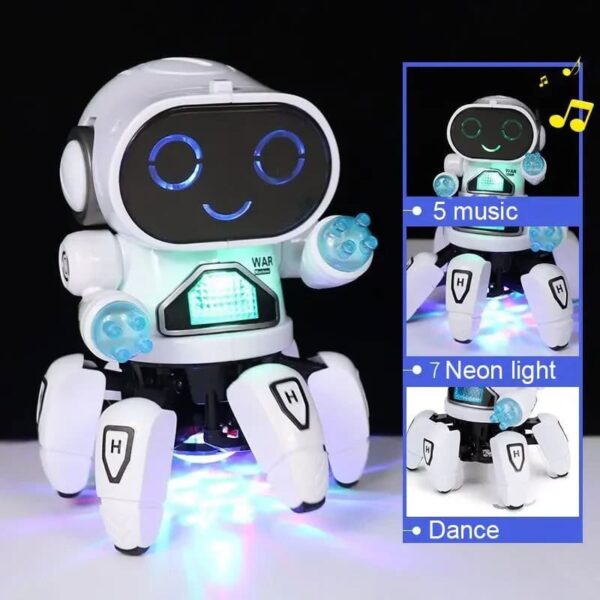
Select options
This product has multiple variants. The options may be chosen on the product page
Dancing Robot
$34.99These robots are primarily designed for playing and interacting. They can talk, sing, recognize faces, or respond to emotions. Their purpose is to stimulate children’s communication and imagination, while familiarizing them with the idea that machines can react to their actions. Some models even incorporate educational games in the form of quizzes or challenges. Examples: Cozmo (smart interactive robot), Furby Connect (playful companion), Zoomer (robot puppy).
- Recommended age: from 5-6 years.
- Advantages: promote imagination, communication, and social play.
- Limitations: limited educational value if the model does not offer programming options.
Robotics kits and buildable robots
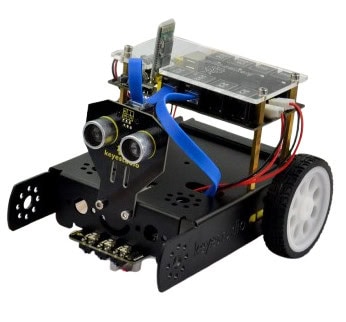
Kids Robot Kit
$144.99Robotic kits are ideal for older children and teenagers. They combine mechanical construction and programming. The child assembles the robot piece by piece (often using Lego bricks, metal, or electronic parts), and then programs it to bring it to life. This type of robot develops patience, autonomy, and technical creativity. Examples: Lego Mindstorms EV3, Arduino Starter Kits, Makeblock mBot.
- Recommended age: from 10 years.
- Advantages: very comprehensive, combines mechanics, electronics, and coding.
- Limitations: high price, requires more time and supervision.
Connected robots and mobile applications
Connected robots are usually controlled via a mobile application or tablet. They can be directed remotely, receive updates, and sometimes integrate artificial intelligence for personalized interaction. Some even allow coding directly from the app, making them scalable and attractive.
- Recommended age: 7 to 12 years, depending on the model.
- Advantages: intuitive, modern, wide variety of features.
- Limitations: require a smartphone or tablet, dependency on applications.
Comparison table of robots for children
| Robot Type | Recommended Age | Features | Average Price | Educational Value |
|---|---|---|---|---|
| Educational Robot | 4–6 | Simple programming with arrows and sequences | $60–80 | Logic, spatial orientation, coding basics |
| Interactive Robot | 6–10 | Games, facial recognition, emotional responses | $150–200 | Social interaction, scientific curiosity |
| Robotics Kit | 10–14 | Mechanical building + programming | $250–350 | STEM, technical creativity, independence |
| Connected Robot | 7–12 | App-controlled, challenges, learn to code | $100–150 | Programming, experimentation, collaborative play |
Practical cases and expert advice
Which robot for a 3-4 year old?
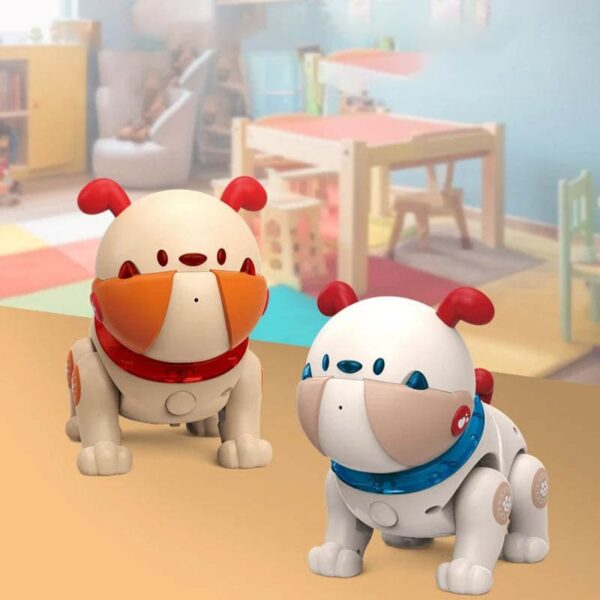
Select options
This product has multiple variants. The options may be chosen on the product page
Baby Robot Toy
$75.99At this age, the child discovers the world through experimentation. The chosen robot should be simple, intuitive, and fun. The most suitable models are often colorful, with large buttons or easy-to-manipulate arrows. The goal is not performance but the discovery of the first notions of logic and sequences.
Discover our category: Robot for children from 3 to 4 years old
- Benefits: introduction to sequences, development of fine motor skills, stimulation of imagination.
- Expert advice: prefer short sessions (10-15 minutes) to maintain attention.
Which robot for a 7-10 year old?
Children in this age group seek to take on challenges and love interacting with objects that respond to their actions. An interactive or connected robot is ideal. Some models allow the exploration of more advanced programming through intuitive applications. Examples: Cozmo (which recognizes faces and plays mini-games), Dash & Dot (programming via tablet), or Sphero (robot ball controllable by app).
Discover our category: Robot for children from 8 to 10 years old
- Benefits: learning programming logic, discovering sensors and human-machine interaction.
- Expert advice: propose small progressive challenges (for example: “make it move to the table without touching the wall”).
Which robot for a teenager?
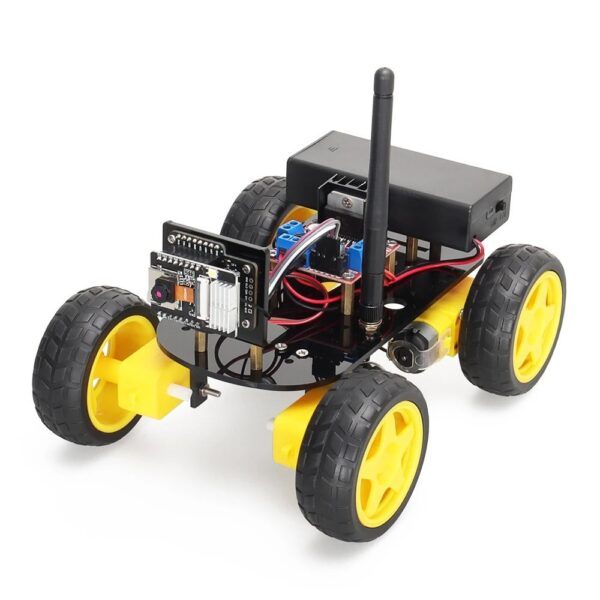
From 11-12 years old, young people have the ability to assemble, program, and test more complex projects. Robotic and programmable kits are the best option at this stage. They allow the understanding of the link between mechanics, electronics, and coding while encouraging creativity.
Discover our category: Robot for teenagers
- Benefits: in-depth discovery of STEM, strengthening autonomy and perseverance.
- Expert advice: encourage your teenager to document their projects (photos, videos, explanations), as this values their work and develops their communication skills.
Tips for supporting the child in use
An educational robot becomes even more effective if the adult accompanies the child. Here are some recommendations to maximize the experience:
- Start together: take the time to discover the robot with the child before leaving them to explore on their own.
- Encourage experimentation: let the child test, fail, and try again. Failure is an integral part of learning.
- Value successes: celebrate each milestone achieved, no matter how small, to maintain motivation.
- Avoid overuse: set reasonable play times to ensure the robot remains a stimulating activity and not a dull routine.
Mistakes to avoid when buying a robot for children
Choosing a model that is too complex for the age
A robot that is too sophisticated can discourage a child who does not yet have the necessary skills. The ideal is to progress step by step: start with a simple model, then increase the complexity as the child progresses.
Neglecting safety and quality
Robots without certification or that are too fragile can present risks. Favor robust models that comply with CE standards, especially for young children who often handle their toys vigorously.
Relying solely on the price
Price should not be the only criterion. An entry-level robot may seem attractive but may be limited in features or not last over time. It is better to invest in an educational and scalable model that will accompany the child for several years.