Free Shipping on Orders Over $50
Science Kits
The different types of science kits
Our educational and fun kits transform children’s curiosity into concrete discoveries. Designed to learn while having fun, they combine hands-on activities, observation, and experimentation to develop fine motor skills, logic, and independence. Each kit guides children through a progressive scientific awakening appropriate for their age and interests.
- Archaeology Kits: excavating dinosaur, gemstones, or fossils, ideal for aspiring explorers.
- Human Body & Anatomy Kits: organ models, 3D puzzles, and interactive materials to understand the human body.
- Chemistry Kits: mini laboratories to conduct simple and safe scientific experiments.
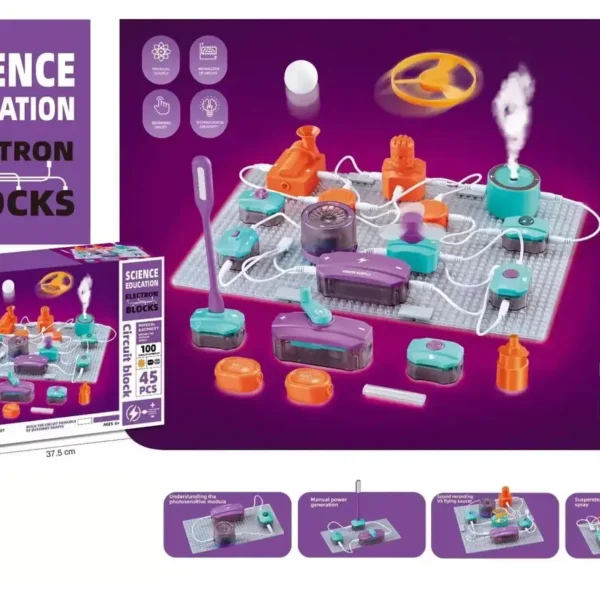
- Electricity Kits: create circuits with LEDs and motors to discover the basics of electricity.
- Explorer & Nature Kits: observe the living world with tools suited for outdoor activities.
- Crystals & Minerals Kits: grow crystals and discover natural phenomena.
- Solar & Energy Kits: models and experiments around renewable energies.
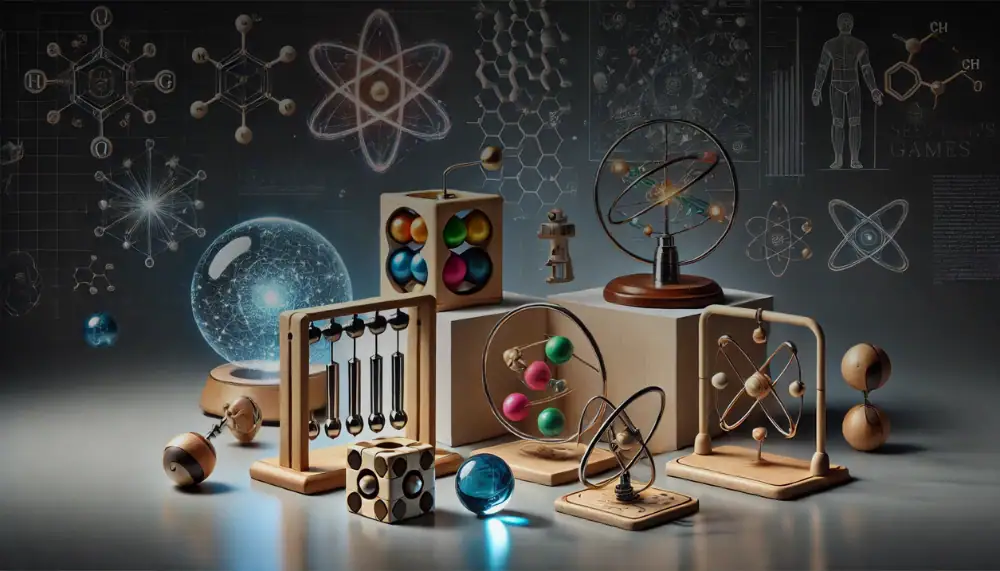
- Associated products: building games, creative hobbies, beginner microscopes, and scientific games.
Which kit to choose based on the child’s needs?
| Type of kit | Skills developed | Recommended age | Usage |
|---|---|---|---|
| Archaeology | Observation, patience, fine motor skills | 6–10 years | Excavation and discovery of fossils |
| Anatomy | Understanding the body, scientific vocabulary | 7–12 years | Puzzles and educational models |
| Chemistry | Curiosity, methodology, reasoning | 8–13 years | Simple and fun experiments |
| Electricity | Logic, cause/effect understanding | 8–14 years | Building circuits |
| Nature | Exploration, observation | 5–10 years | Discovery of living things |
| Crystals | Patience, precision | 8–12 years | Growth and observation |
| Solar | Awareness of energy | 8–14 years | Solar models and experiments |
Why give a science kit?
- Encourage natural curiosity and the desire to understand the world.
- Learn through practice with fun and interactive activities.
- Develop logic, creativity, and independence.
- Share an educational moment alone, with family, or with friends.
What age are science kits suitable for?
- 3 to 6 years: simple kits focused on awakening and sensory discovery.
- 7 to 10 years: interactive kits promoting experimentation and understanding.
- 11 years and older: more comprehensive and technical experiments.
Frequently Asked Questions
- What is the best kit for an 8-year-old?
- Are science kits safe at home?
- How to choose the right science kit?
⚠️ Some kits contain small parts. Recommended for use under adult supervision. Not suitable for children under 36 months.
FAQ – Science Kits
Which kits are best suited for an 8-year-old?
The archaeology, electricity, simple chemistry, and nature discovery kits are particularly suitable. They offer quick results and stimulate the desire to learn.
Are science kits safe at home?
Yes, as long as you respect the recommended age and provided instructions. Adult supervision is advised to ensure a safe experience.
How to choose the right science kit?
Consider the child’s age, interests, and level of independence. A well-chosen kit allows learning while enjoying experimentation.