Free Shipping on Orders Over $50
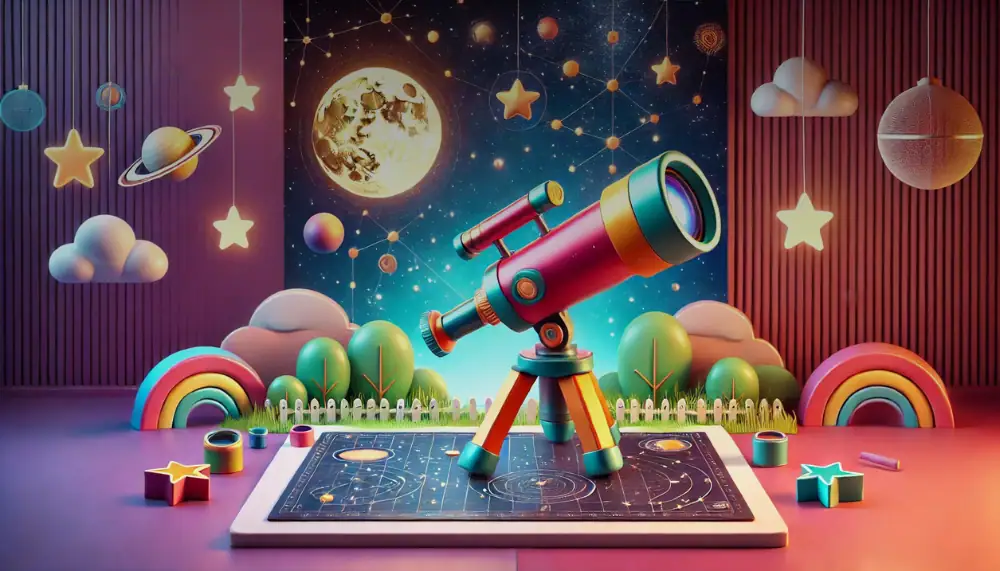
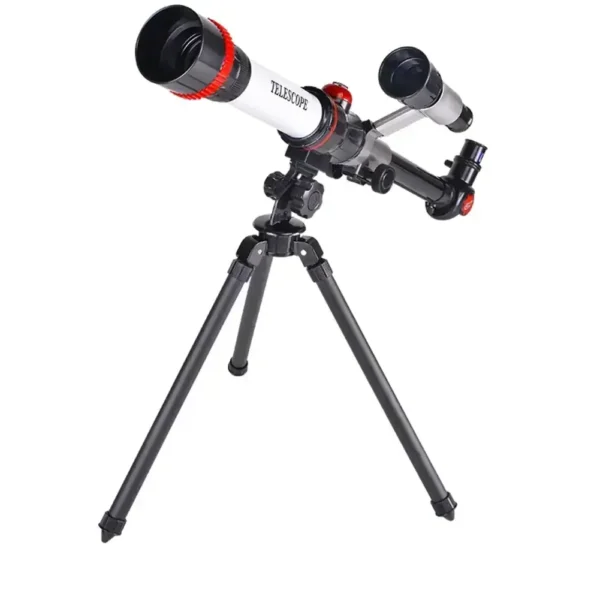
Kids Telescope
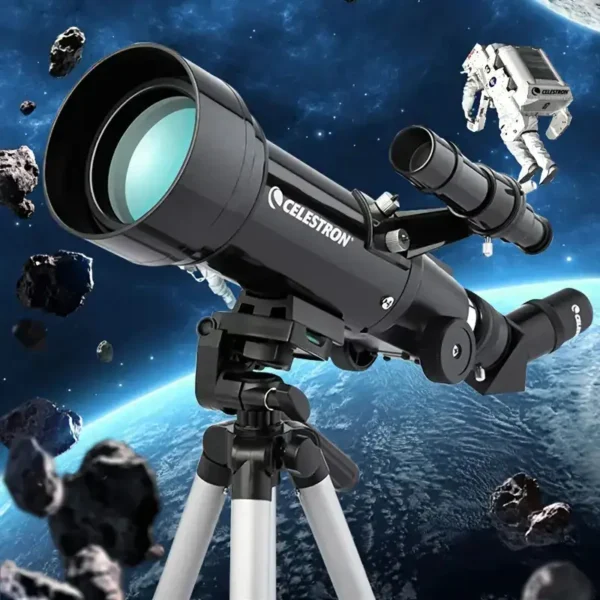
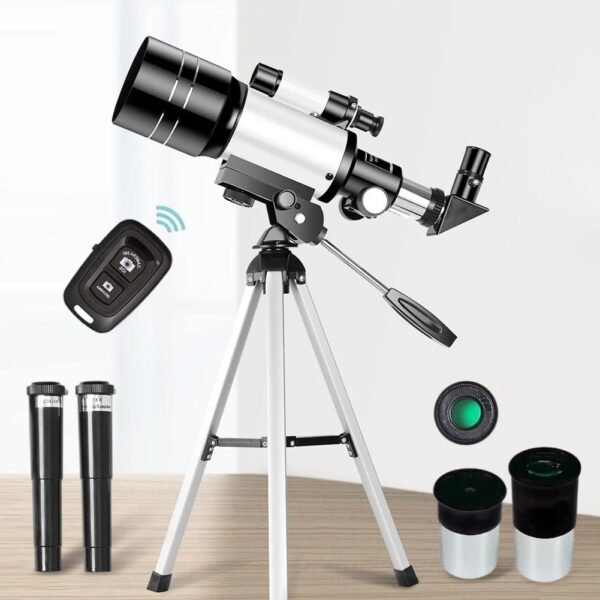
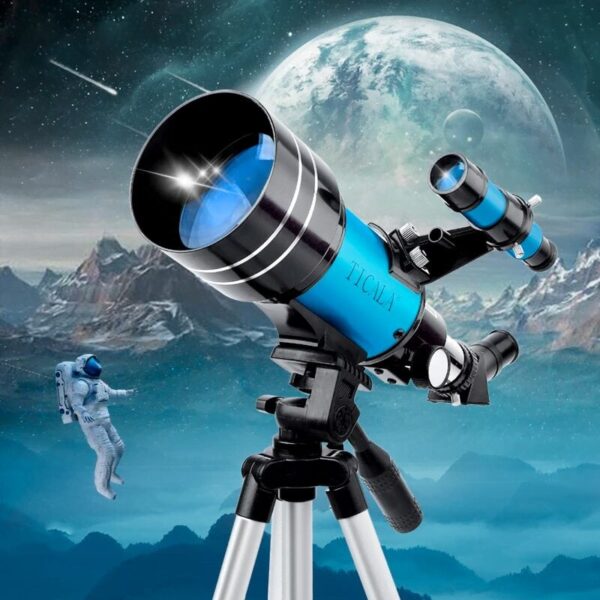
Beginner 70mm Compact Telescope
$114.99
Select options
This product has multiple variants. The options may be chosen on the product page
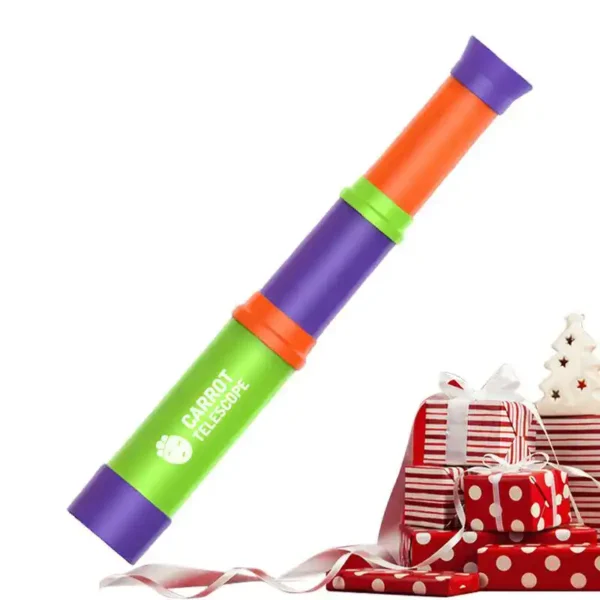
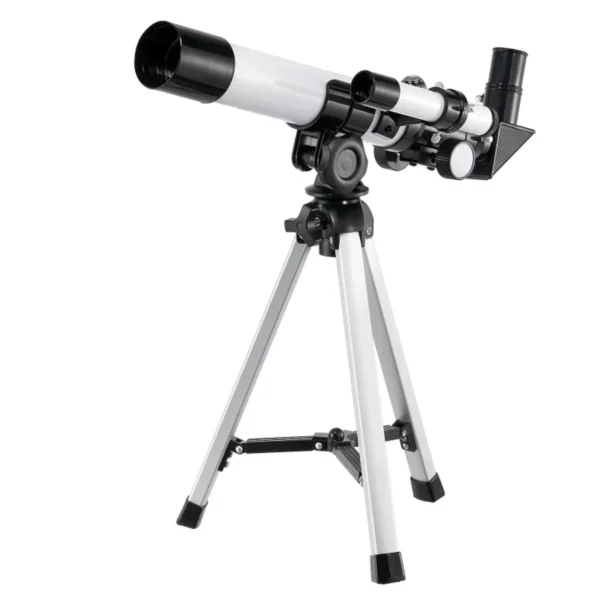
Why Introduce Children to Astronomy?
Introducing children to astronomy at a young age can spark a passion for science and discovery. Observing the sky and celestial bodies not only helps them understand our place in the universe but also stimulates their natural curiosity. By exploring the mysteries of the cosmos, children learn to ask questions, search for answers, and develop critical thinking.
Additionally, stargazing can also be a rewarding family activity. It offers unique shared moments where parents and children can together examine the night sky, discover constellations, and observe the differences between various celestial objects. These bonding moments strengthen family ties while opening a window to the infinite.
The Educational Benefits of Stargazing
Stargazing provides numerous educational benefits for children. Firstly, it helps develop skills in science and mathematics. For example, understanding the rotation of the Earth, the phases of the moon, or the movements of planets requires basic concepts in astronomy and physics. These learnings can then be applied to other academic fields.
Furthermore, astronomy also fosters problem-solving skills and logical thinking. By using telescopes and other observational instruments, children learn to handle equipment, make precise adjustments, and interpret visual observations. This enhances their ability to observe accurately and draw conclusions based on empirical data.
How to Choose the Right Telescope for Your Child
Choosing the right telescope for a child may seem daunting, but a few simple criteria can guide your decision. First, it’s essential to consider the child’s age and level of interest in astronomy. A telescope that is too complex might discourage a young beginner, while a model that is too simple may not satisfy a more experienced child.
Additionally, it’s important to consider the technical characteristics of the telescope, such as focal length, aperture diameter, and the type of mount (altazimuth or equatorial). A telescope with a larger aperture will allow for better observation of celestial objects, while a stable mount will facilitate aiming and tracking celestial bodies. Finally, don’t forget to check the quality of the eyepieces and lenses to ensure good brightness and high magnification.
Choosing a Telescope by Child’s Age
Discovering Through Play: Up to 6 Years Old
For children up to 6 years old, it’s best to choose simple and sturdy instruments that allow them to discover astronomy through play. Binoculars or a small astronomical telescope can be ideal for this age group. These instruments are easy to use and sufficiently durable to withstand frequent handling by young children.
These first experiences of sky observation should be fun and captivating. Showing the child how to observe the moon, bright stars, or even the rings of Saturn can awaken their curiosity and wonder. Mobile apps or star maps can also be utilized to make the experience even more interactive and educational.
Starting Intuitively: Ages 6 to 10
For children aged 6 to 10, it is recommended to choose telescopes that offer intuitive use while allowing for more detailed observation. A refractor telescope with an altazimuth mount can be an excellent choice for this age group. These telescopes are easy to adjust and handle, and their compact size makes them portable for family night outings.
At this age, children can begin to explore more complex celestial objects such as the craters of the moon, the moons of Jupiter, or star clusters. It is important to encourage them to note their observations and ask questions about what they see. This can also be the time to introduce them to basic astronomical concepts, such as the rotation of the Earth or the idea of distance in light-years.
Finding Captivating Targets: Ages 10 to 14
For children aged 10 to 14, it makes sense to choose more advanced telescopes that allow them to explore deep sky objects and observe celestial bodies in greater detail. A reflector or refractor telescope can offer excellent image quality and great stability.
These telescopes enable the observation of distant galaxies, nebulae, or globular clusters with great clarity. At this age, children may also take an interest in astrophotography and use CCD cameras to capture astronomical images. Encouraging them to participate in astronomy clubs or observation sessions organized by observatories can further enhance their experience and passion for astronomy.
Recommended Types of Telescopes for Children
There are several types of telescopes recommended for children based on their age and level of experience. For younger children, refractor telescopes are ideal due to their simplicity and sturdiness. These telescopes use lenses to collect light and provide a clear and bright image of celestial objects.
For older or more experienced children, a reflector telescope may be more appropriate. These telescopes use mirrors to collect light and allow for more detailed and precise observation of deep sky objects.