Free Shipping on Orders Over $50

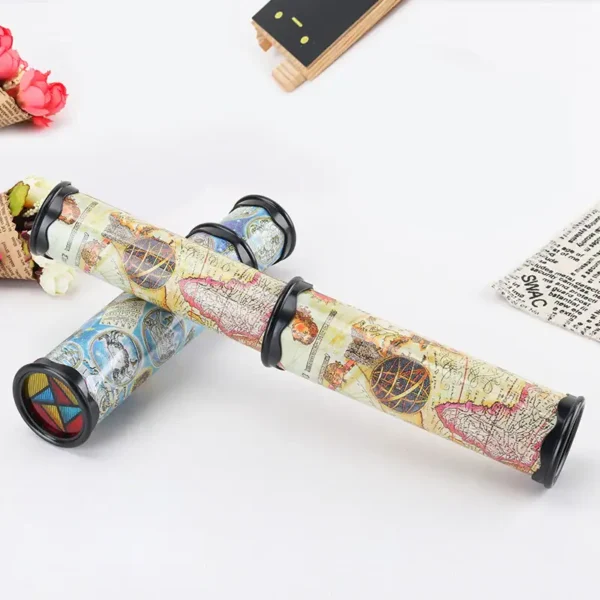
Kaleidoscope
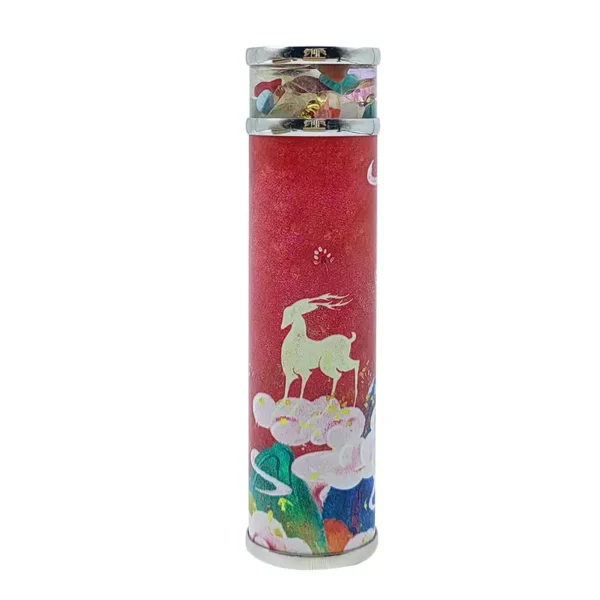
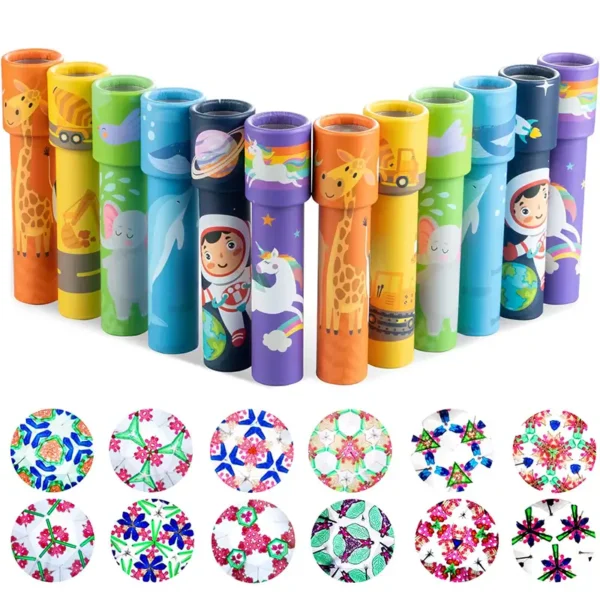

Magic Kaleidoscope
$5.99
Select options
This product has multiple variants. The options may be chosen on the product page
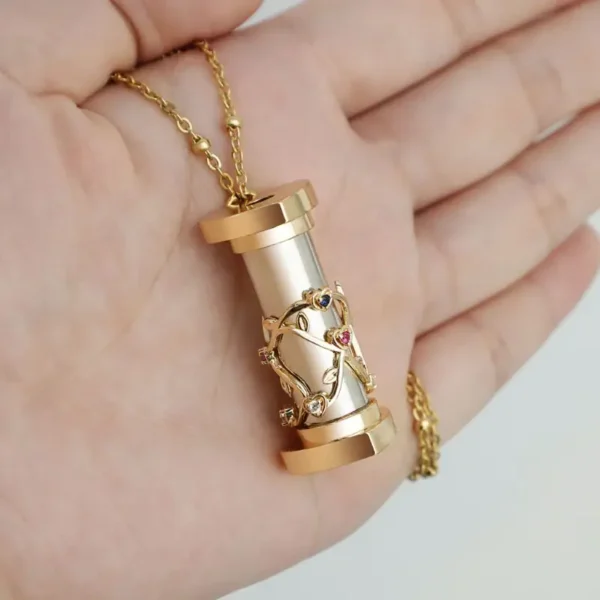
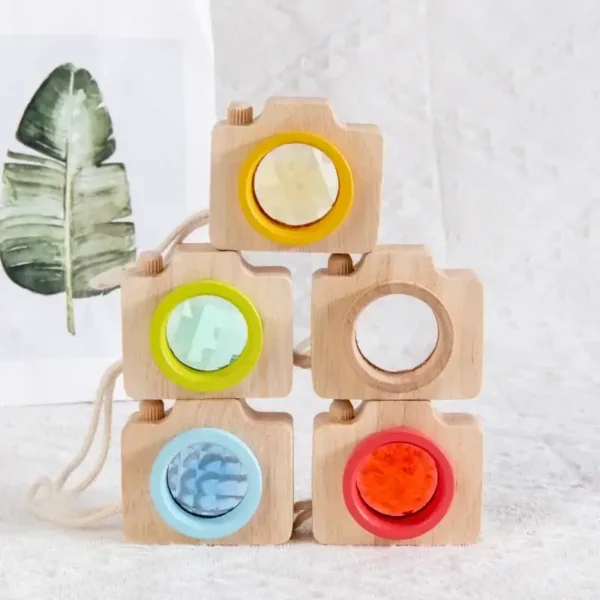
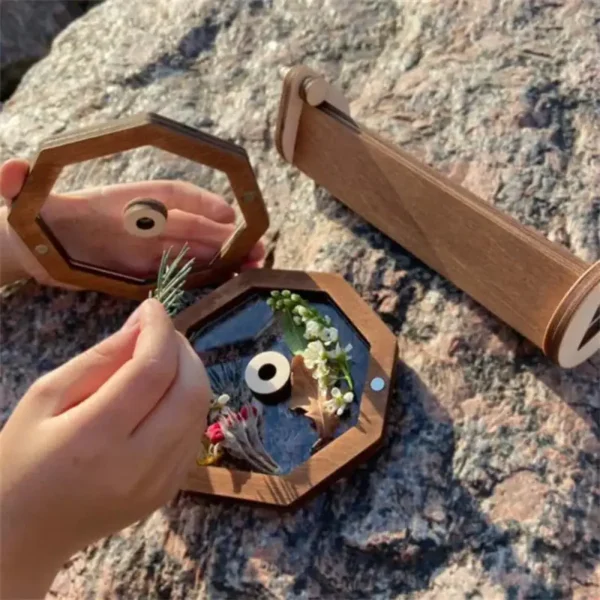
Wooden Kaleidoscope
$7.99
Select options
This product has multiple variants. The options may be chosen on the product page
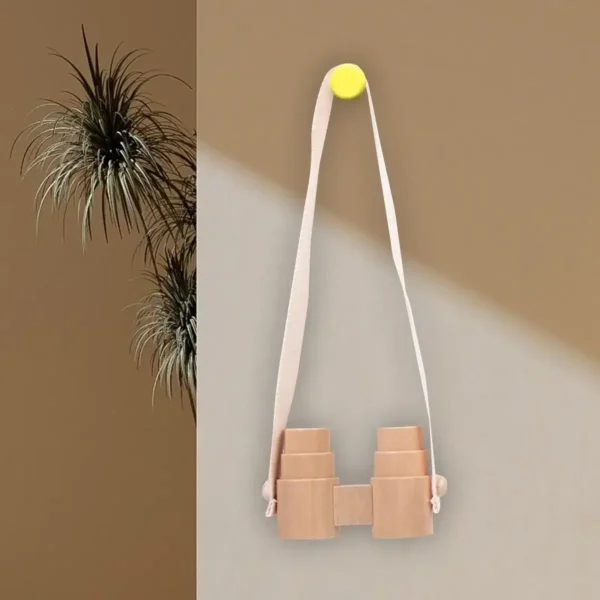
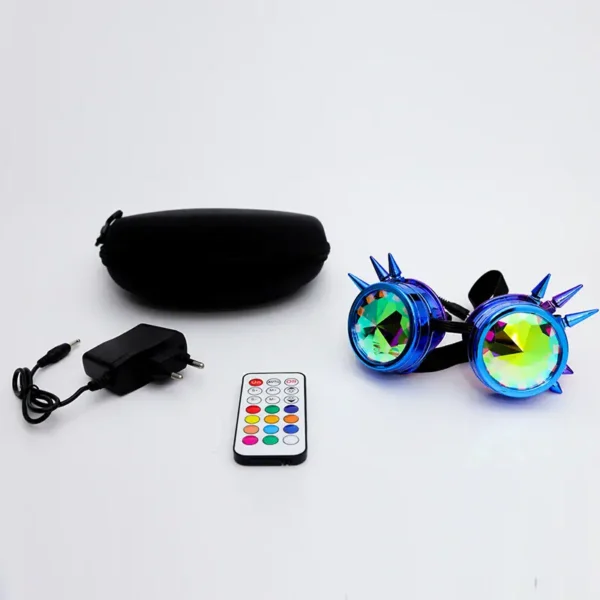
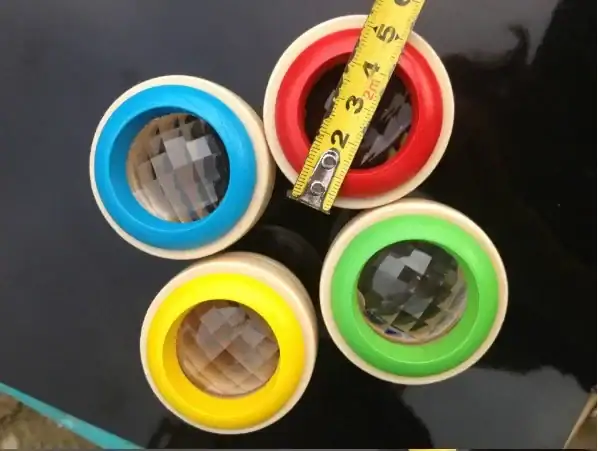
Classic Kaleidoscope
$9.99
Select options
This product has multiple variants. The options may be chosen on the product page
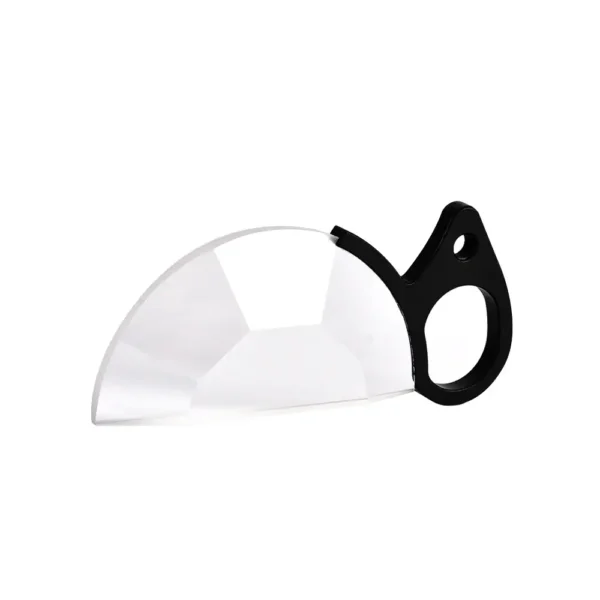
À première vue, a kaleidoscope looks like a simple colored tube. Yet, it hides a fascinating universe combining crafts, artistic awakening, and scientific discovery. This object, as decorative as it is educational, attracts both little ones and adults passionate about fine arts, handicrafts, or educational games. Looking inside is like entering a moving multicolored mosaic: an experience that is both playful, poetic, and sensory.
What is a kaleidoscope?
Invented in the 19th century, this optical instrument uses concave mirrors and multicolored fragments (beads, glass, glitter) to create infinitely changing geometric images. It stimulates creativity and develops children’s visual motor skills while serving as a decorative object for creative arts enthusiasts. Much more than a toy, it is a tool for waking and contemplation.
The different types of kaleidoscopes
| Type | Features | Usage |
|---|---|---|
| Child’s kaleidoscope | Durable, fun, suitable for little ones and teens | Educational, develops curiosity and imagination |
| Adult kaleidoscope | Elegant design, sometimes made of wood or metal, decorative effect | Collector’s item, unique gift, decor piece |
| Educational kaleidoscope | Designed for optical experiments and scientific projects | Perfect for creative workshops, schools, handicrafts |
| Handcrafted kaleidoscope | Handmade, high-quality materials (pine wood, brass, acrylic) | Unique item, high-end gift, art decorations |
Why give a kaleidoscope as a gift?
- An educational gift that introduces children to creative arts and optical sciences.
- An object that stimulates creativity and imagination, comparable to puzzles or educational games.
- An original choice to decorate a room, an office, or a creative studio.
- A moment of relaxation and contemplation for the whole family.
FAQ about kaleidoscopes
At what age can a child use a kaleidoscope?
From the age of 3, a child can handle a model designed for educational games. Plastic or acrylic versions are ideal for introducing the youngest ones.
Is a kaleidoscope fragile?
Models for children are sturdy and suitable for daily handicraft activities. In contrast, handcrafted or collector’s versions require more care, just like a decorative piece.
What’s the difference between a toy model and a collector’s model?
The toy model focuses on durability and the fun aspect. The collector’s model, often made of wood, metal, or glass, is more of a work of art than just a toy.