Free Shipping on Orders Over $50
Science Toys
Select options
This product has multiple variants. The options may be chosen on the product page
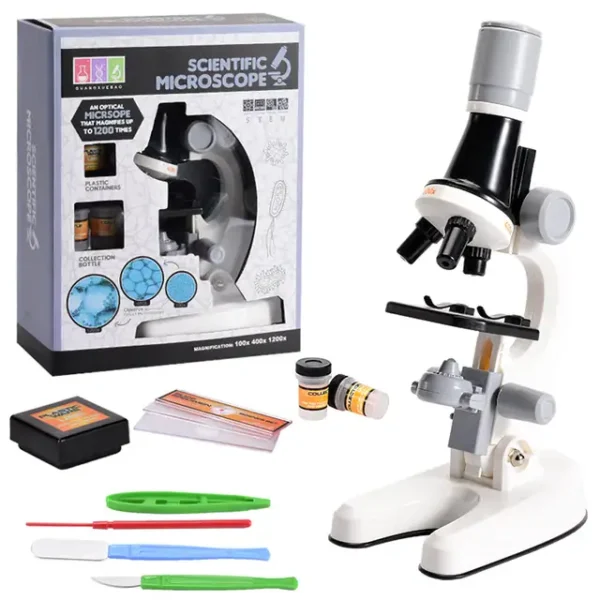
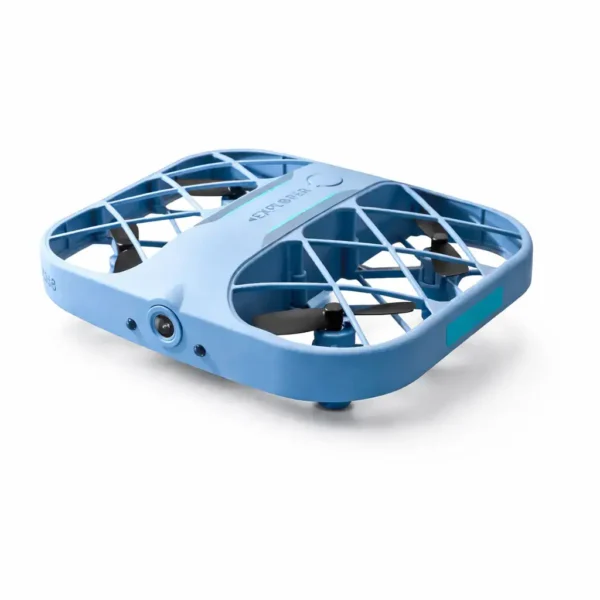
Select options
This product has multiple variants. The options may be chosen on the product page
Unbreakable Kids Drone Toy
Price range: $45.99 through $68.99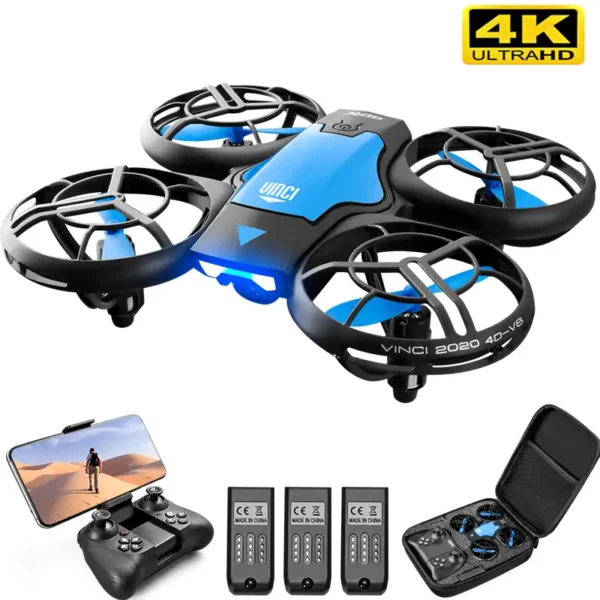
Select options
This product has multiple variants. The options may be chosen on the product page
Kids Camera Drone Toy
Price range: $91.99 through $114.99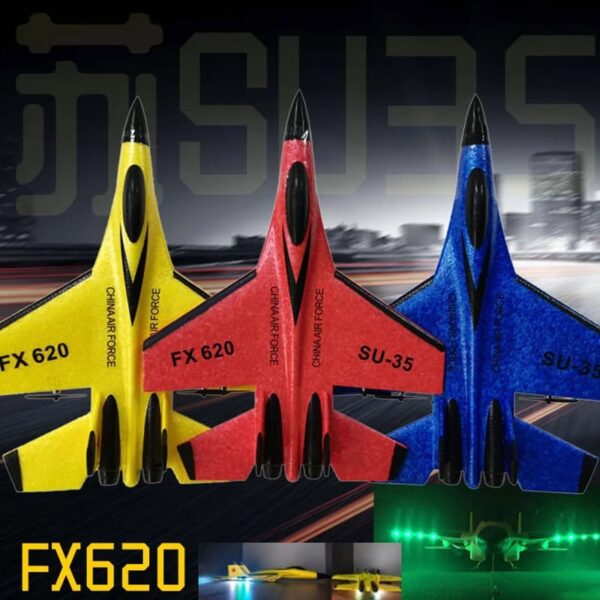
Select options
This product has multiple variants. The options may be chosen on the product page
Select options
This product has multiple variants. The options may be chosen on the product page
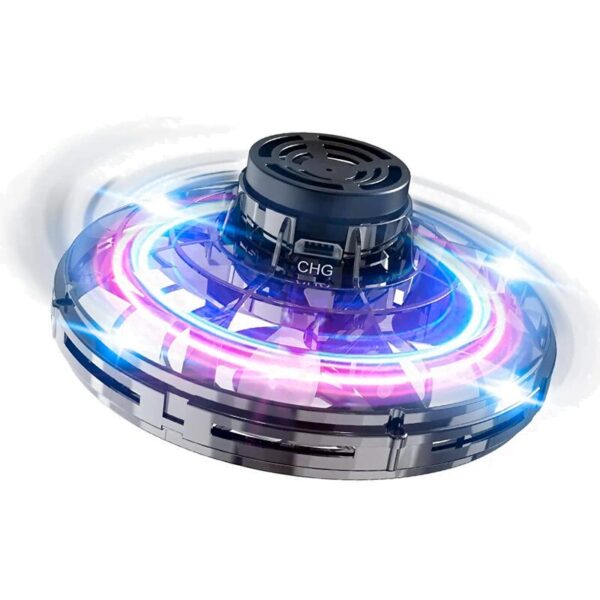
Self-Flying Drone
$40.99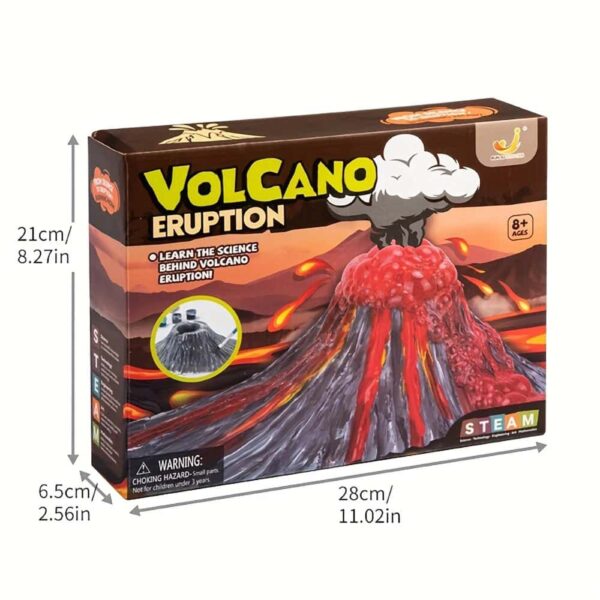
Science Toys for Kids: Learn While Having Fun (STEM, Astronomy, Chemistry, Robotics…)
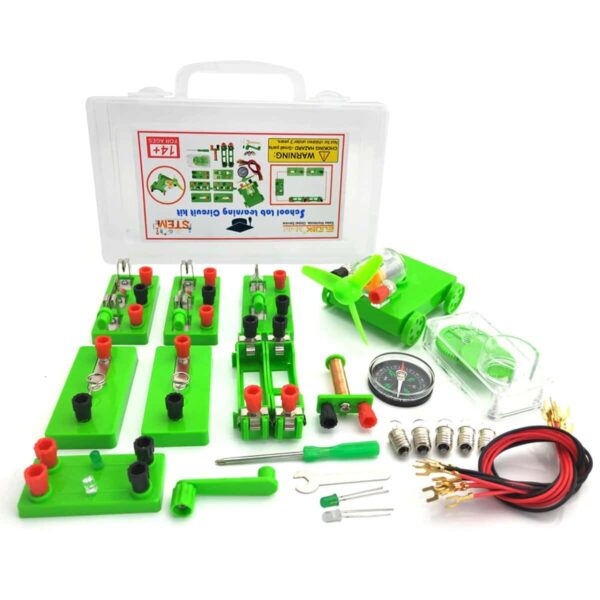
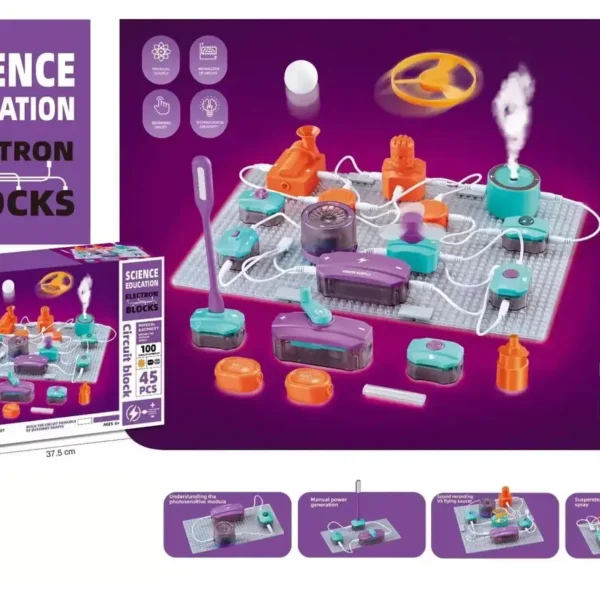
Science toys transform children’s natural curiosity into tangible discoveries. By manipulating, observing, and experimenting, they develop key skills (fine motor skills, logic, problem-solving) while having fun. This main category covers complementary worlds — Astronomy, Biology, Chemistry, Robotics, Archaeology, Magnetism — to support every profile, from beginner to little enthusiast.
Why Choose Science Toys?
- Hands-on Learning: understand by doing, improve memory, gain independence.
- Critical Thinking: hypotheses, trial/error, conclusions — the scientific method becomes a game.
- Creativity & Confidence: build, disassemble, explore… and be proud of the results.
- Shared Moments: a parent-child exchange ground for learning together.
Themes Available (Main Category & Subcategories)
- Astronomy & Observation: Children’s Telescope, Solar.
- Biology & Human Body: Children’s Microscope, Human Body, Human Body Games.
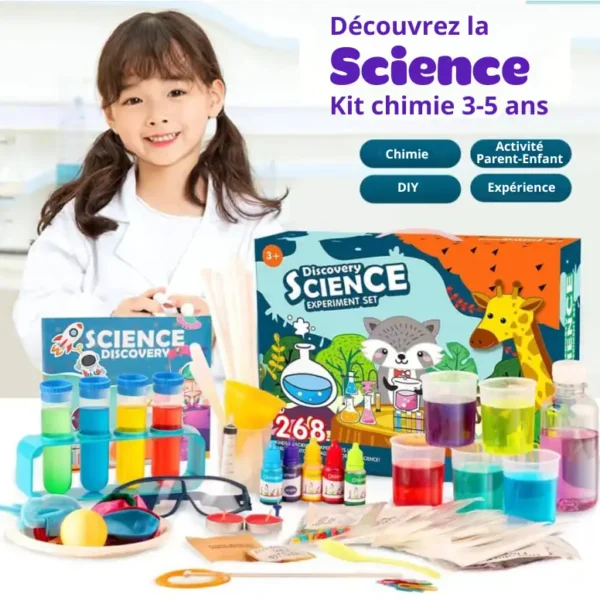
- Chemistry & Experimentation: Chemistry Games, Chemistry.
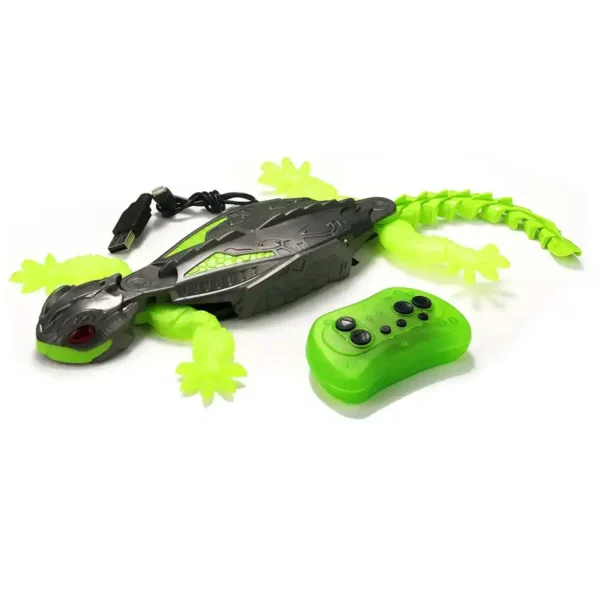
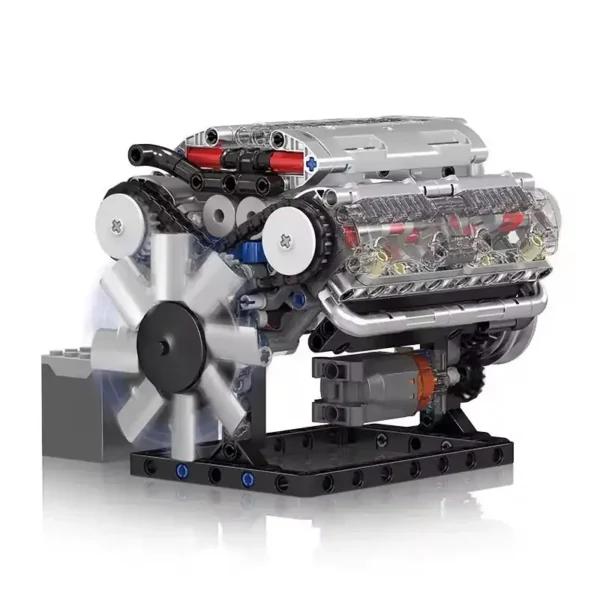
- Engineering & Robotics: Robots for Kids, Robots, Children’s Drone, Drone.
- Logic, Geometry & Creativity: 3D Wooden Puzzle, 3D Puzzle, Children’s Spirograph, Spirograph, Puzzle Games, Puzzles.
- Magnetism & Structures: Magnetic Cube.
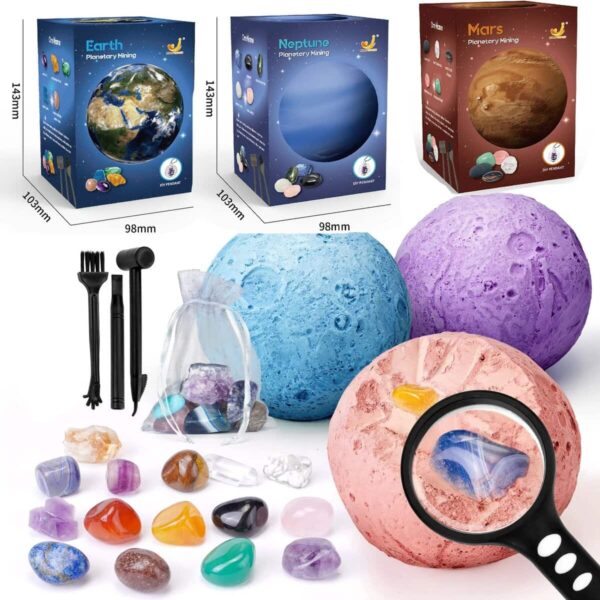
- Exploration & Archaeology: Explorer Kit for Kids, Explorer, Archaeology Games, Archaeology.
| Goal | Category Ideas | Recommended Age | Type of Interaction |
|---|---|---|---|
| Discover Gently | Solar, Spirograph, 3D Puzzle | 5 + | Simple manipulation, quick results |
| Observe & Understand | Microscope, Telescope, Human Body | 7 + | Guided observation, mini-projects |
| Experiment | Chemistry, Archaeology | 8 + | Step-by-step, trial notebook |
| Build & Program | Robots, Drone, Magnetic Cube | 9 + | Assembly, logic, trial/error |
How to Choose the Right Science Toy?
- Age & Safety: adhere to the recommended age, safe materials. Supervision required for chemistry, drones, and robots.
- Child’s Interest: nature, space, construction, experiments… choose a theme that encourages return.
- Time & Space: short activities for daily use, longer projects on weekends (clear space for drones/robots).
- Progression: start simple, then increase complexity (from solar → robotics, from observation → programming).
Want a ready-to-use kit to get started without mistakes? Check out our
scientific kit designed for step-by-step learning.
FAQ — Science Toys
From what age?
Starting at 5 years for simple activities (3D puzzles, spirograph, solar). Experimentation projects (chemistry, robots, drones) are suitable for ages 8–9 with guidance.
Are any prior knowledge required?
No. The games are designed for a guided progression: observe, test, understand. Adults can contextualize phenomena and enhance the process.
How to maintain interest?
Alternate observation (microscope, telescope), construction (robots, magnetic cube) and experiences (chemistry, archaeology). Varying the formats keeps motivation high.
Any special precautions?
Yes: follow instructions, store small parts, proper protection in chemistry, secure flight area for drones. Adults supervise based on age and activity.