Free Shipping on Orders Over $50

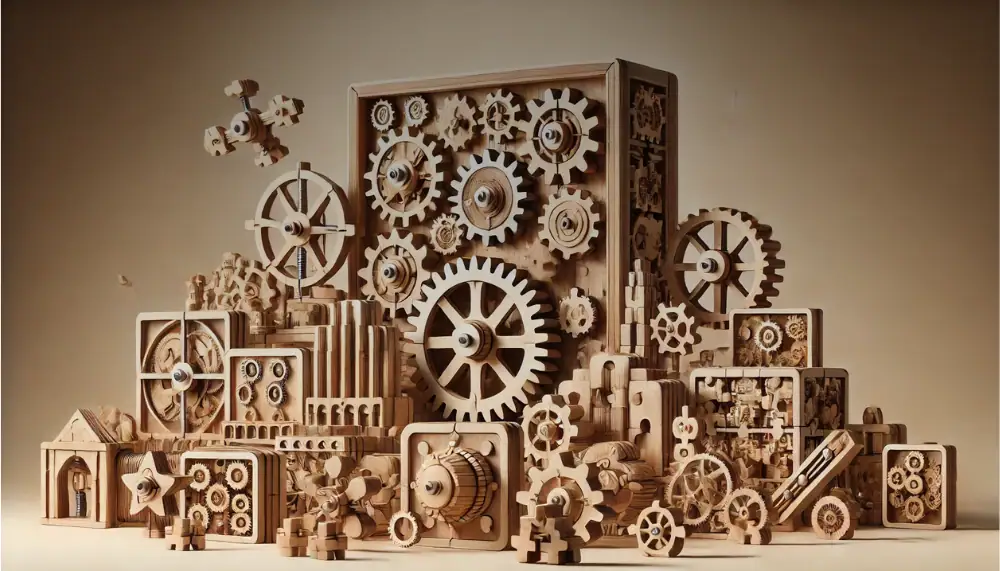
3D Wooden Puzzles


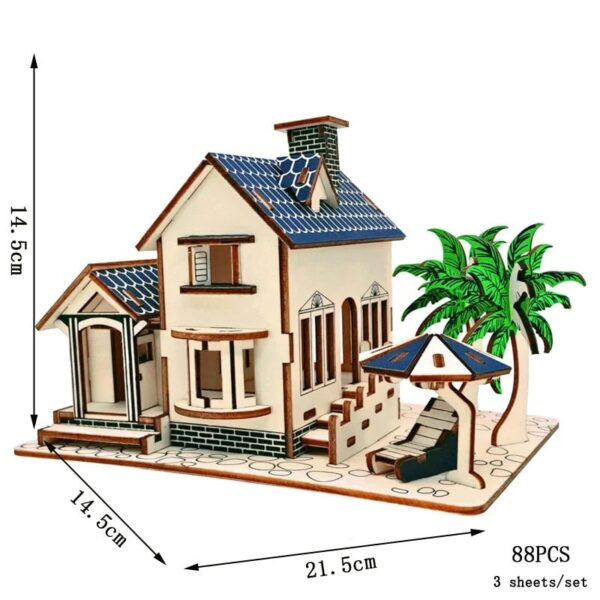
3D Wooden Puzzle Villa
$37.99
Select options
This product has multiple variants. The options may be chosen on the product page
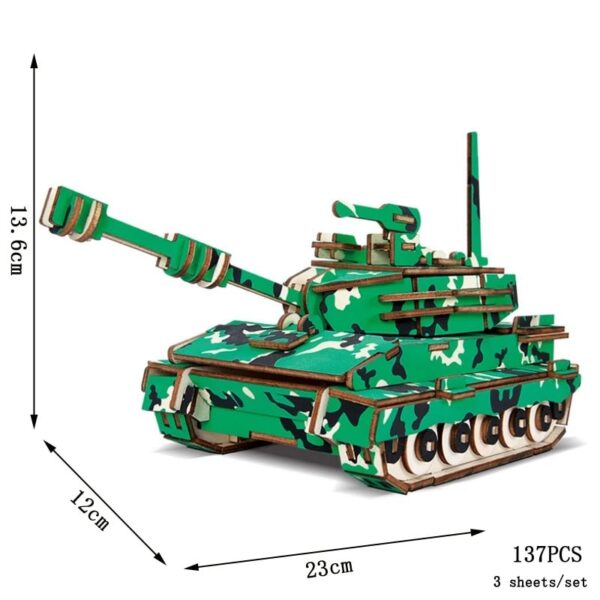
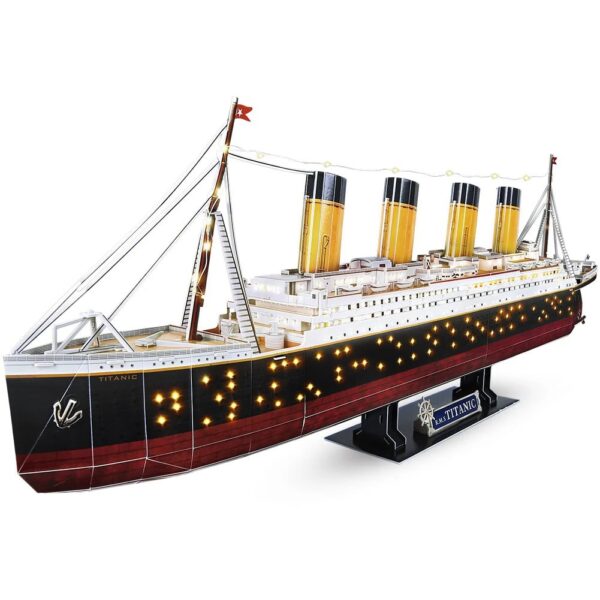
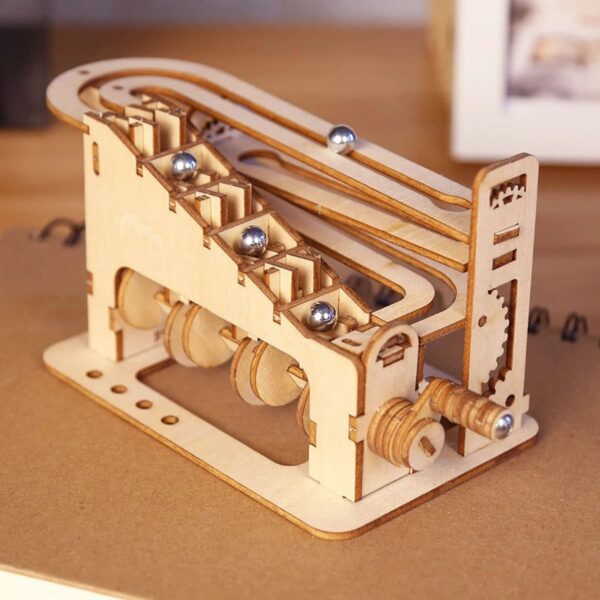
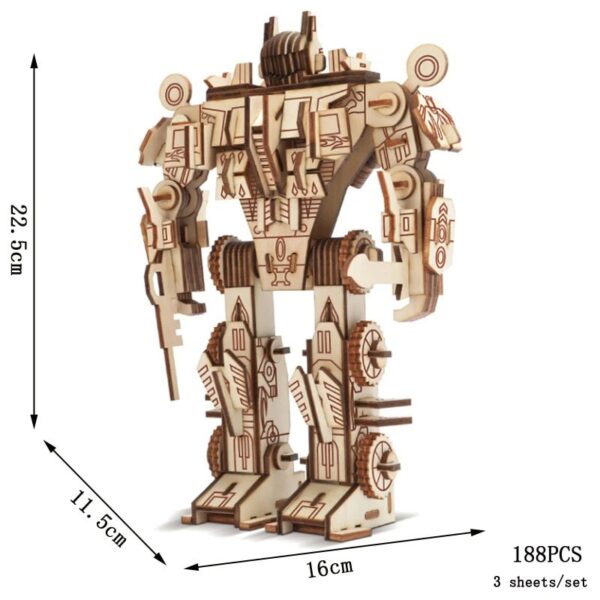
3D Mechanical Puzzle
$24.99
Select options
This product has multiple variants. The options may be chosen on the product page
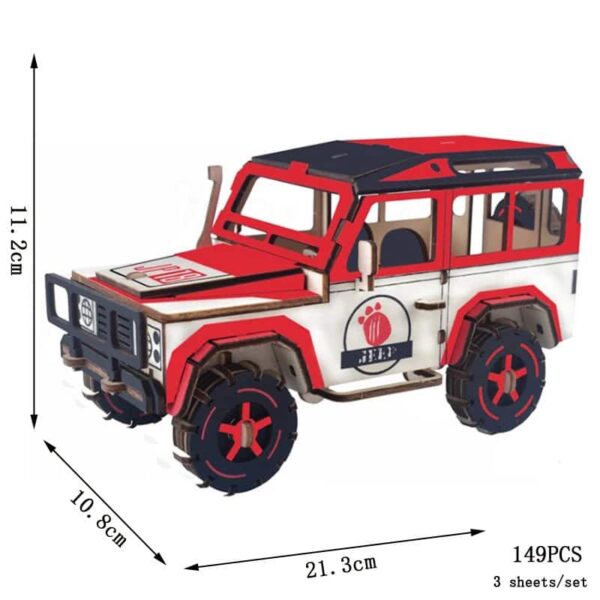
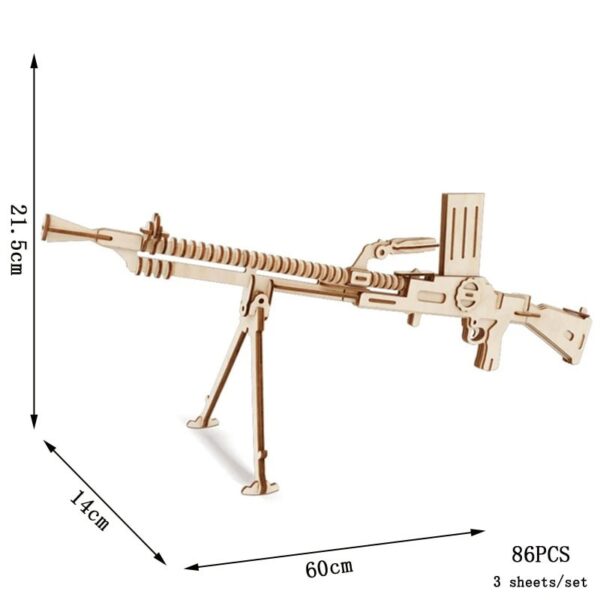
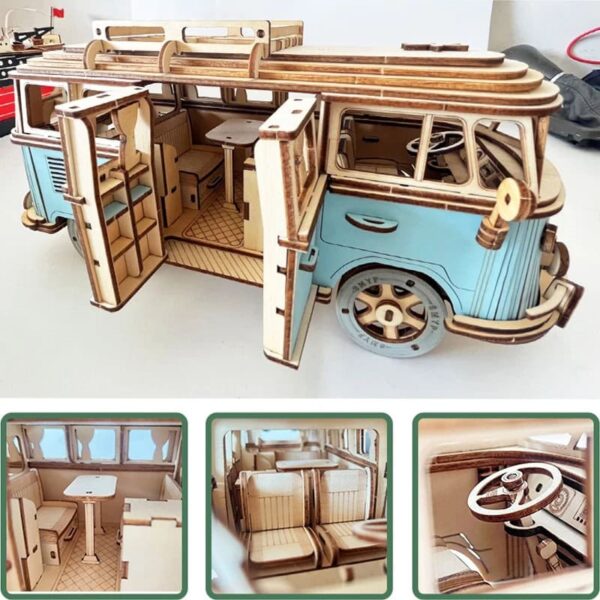
3D Mini Van Wooden Puzzle
$37.99
Select options
This product has multiple variants. The options may be chosen on the product page
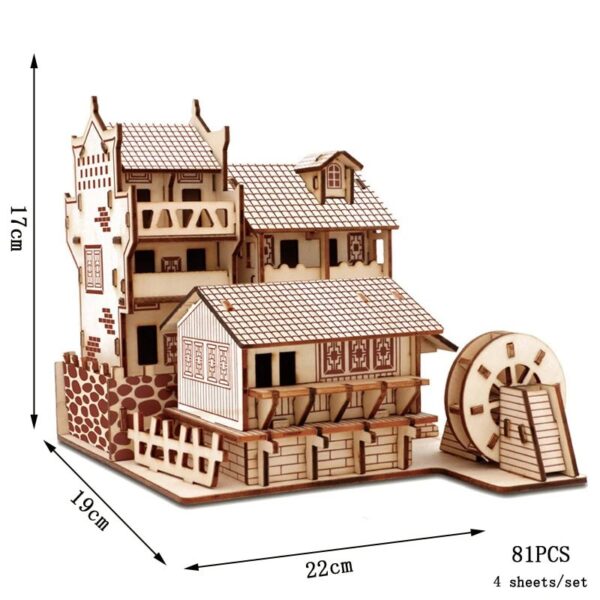
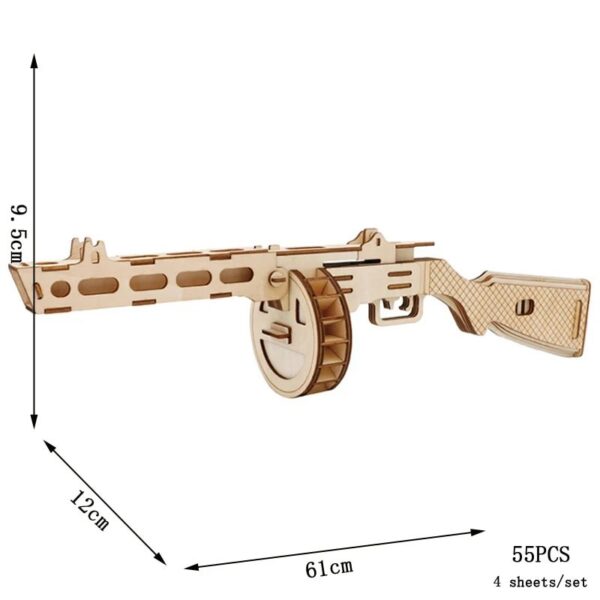
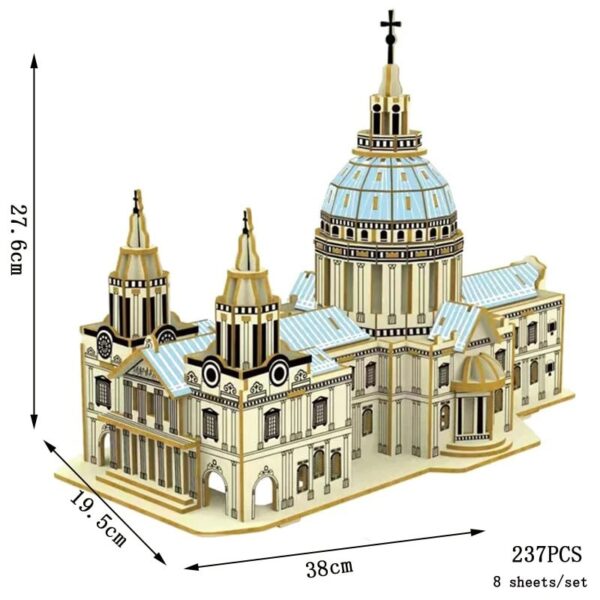
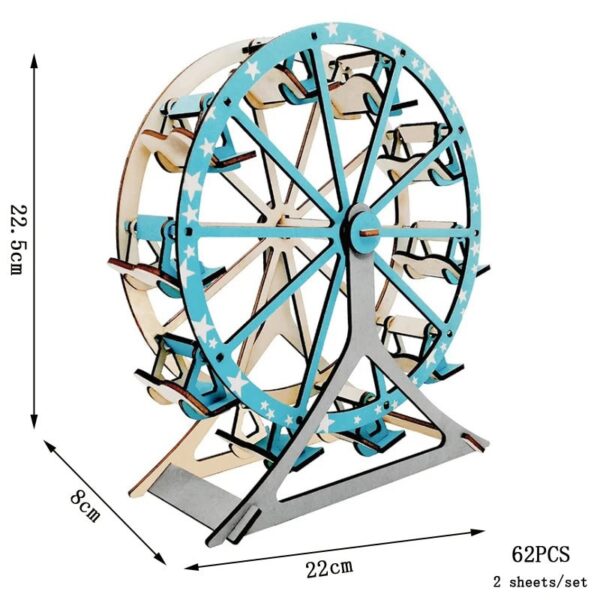
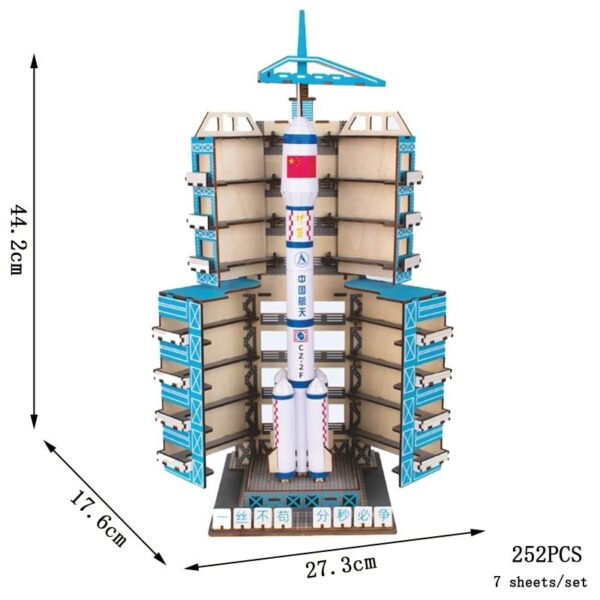
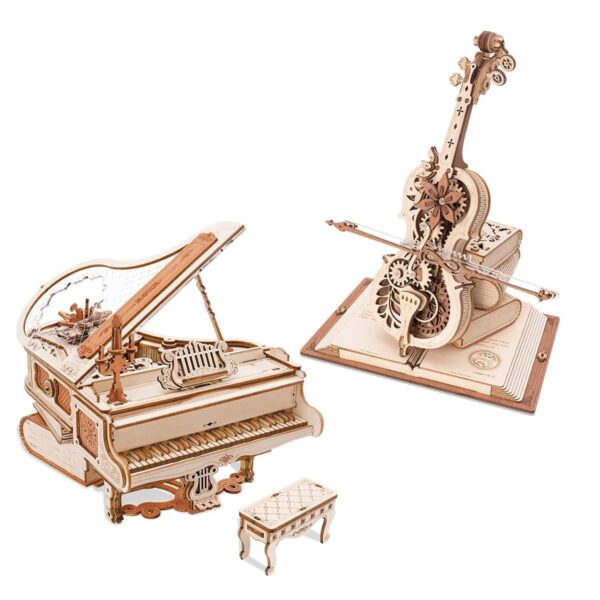
3D Wooden Puzzle Musical Instrument
$72.99
Select options
This product has multiple variants. The options may be chosen on the product page
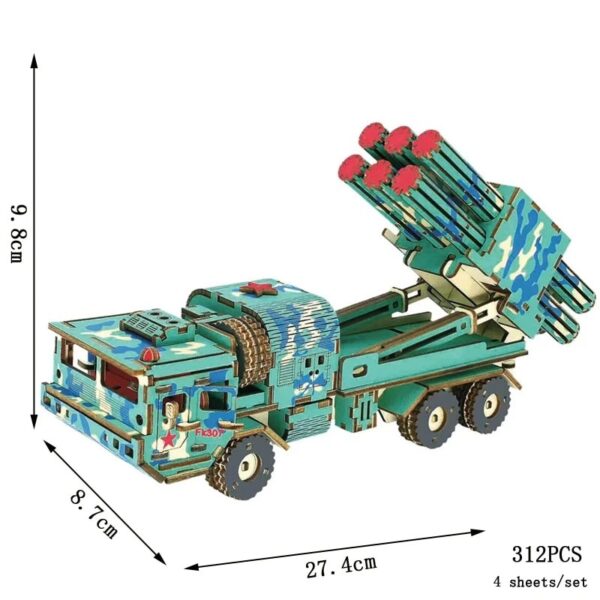
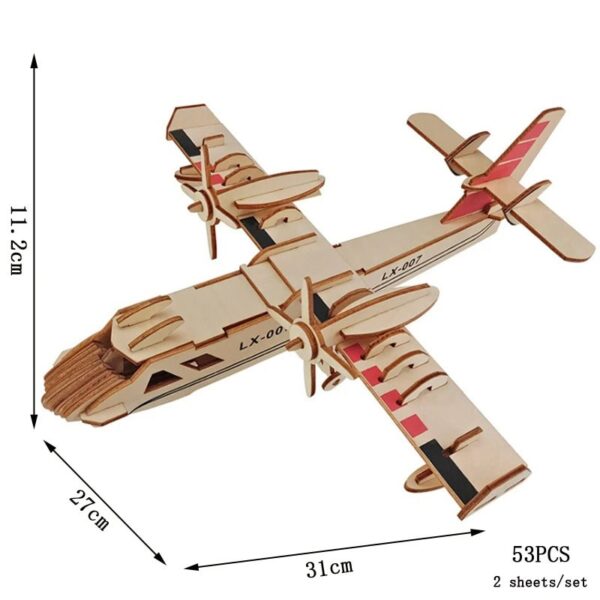
3D Wooden Puzzle Airplane Amphibious & F18
$37.99
Select options
This product has multiple variants. The options may be chosen on the product page
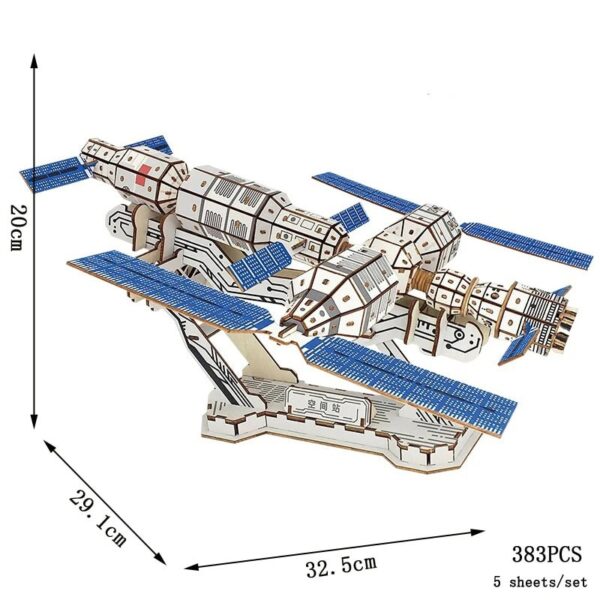
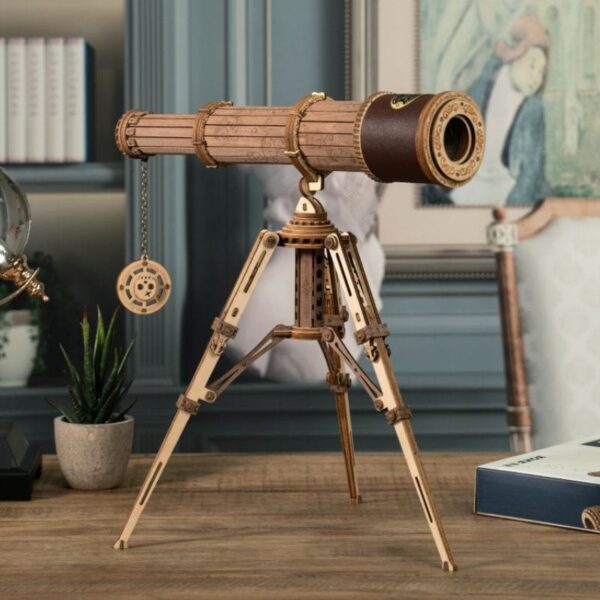
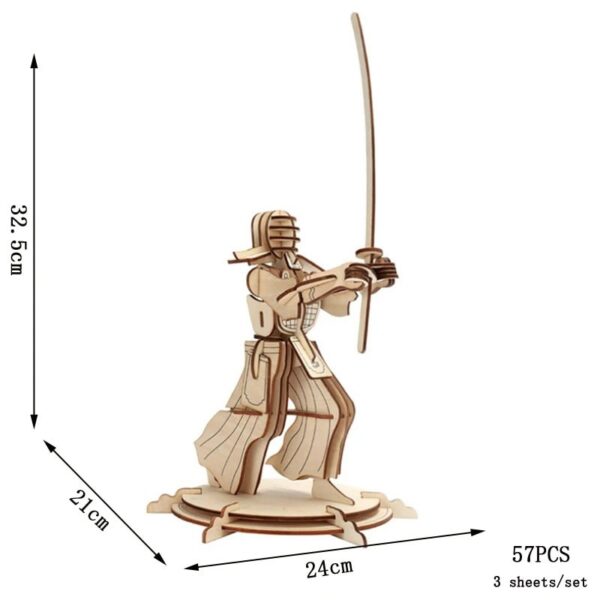
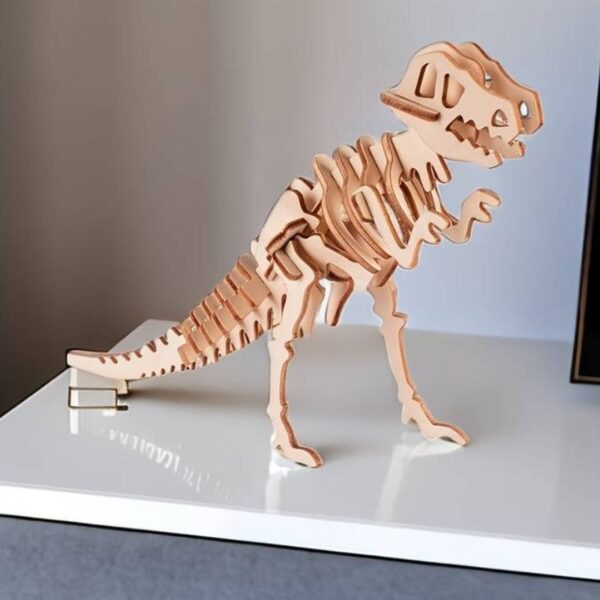
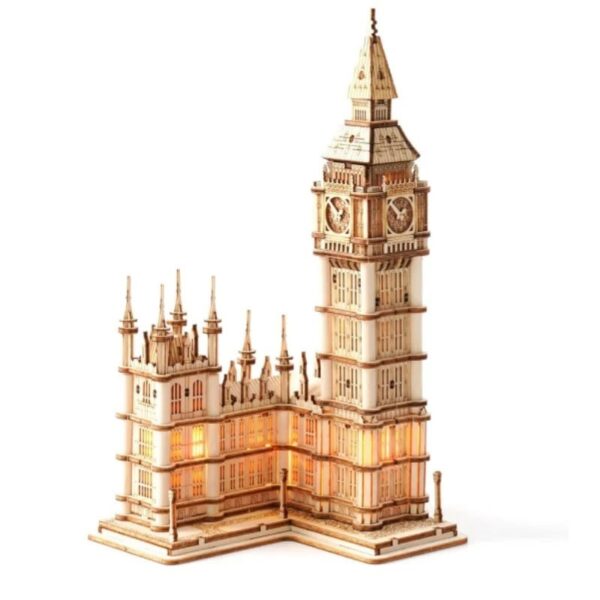
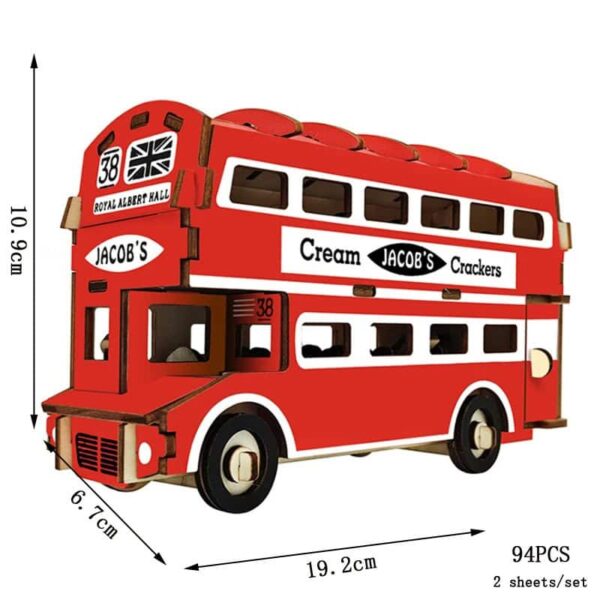
3D Wooden Puzzles: Build, Understand, Display
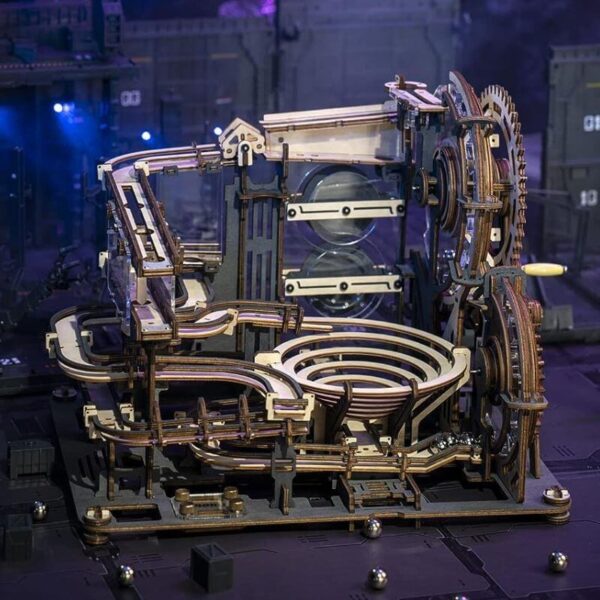
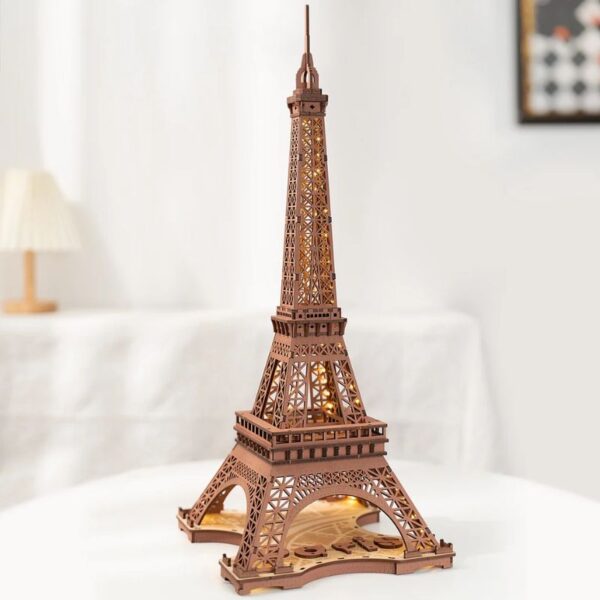
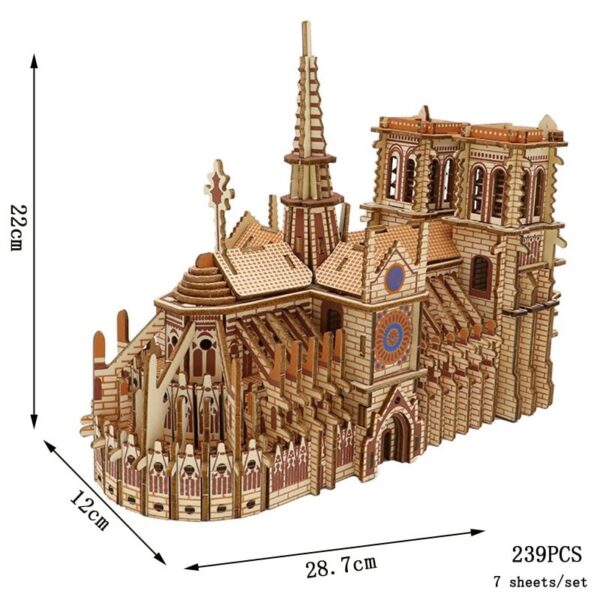
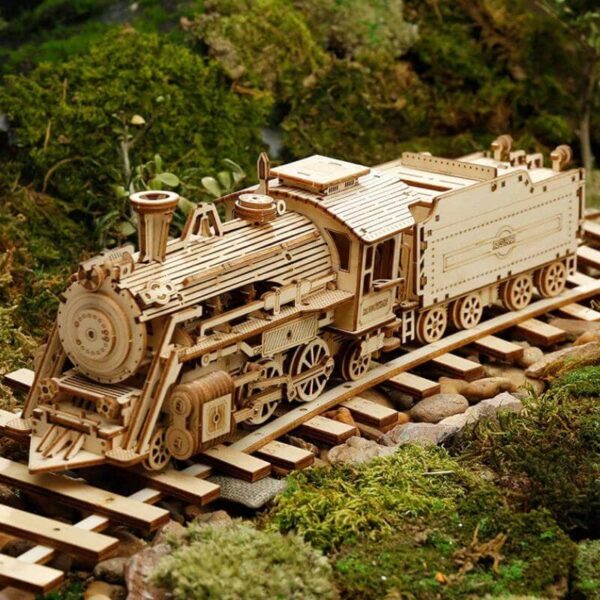
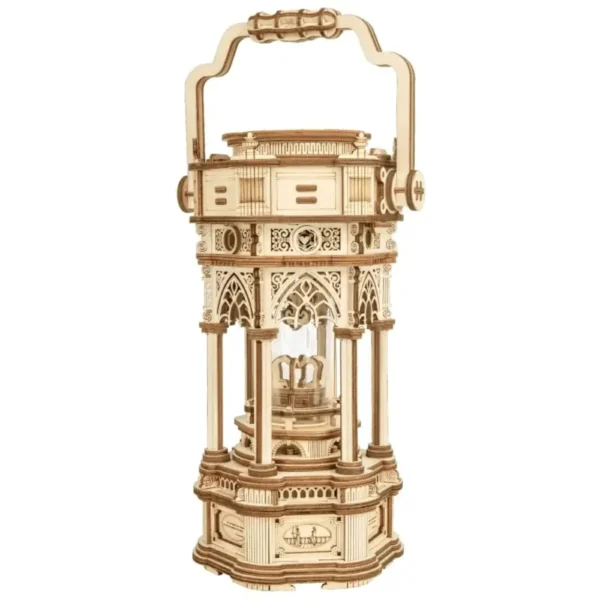
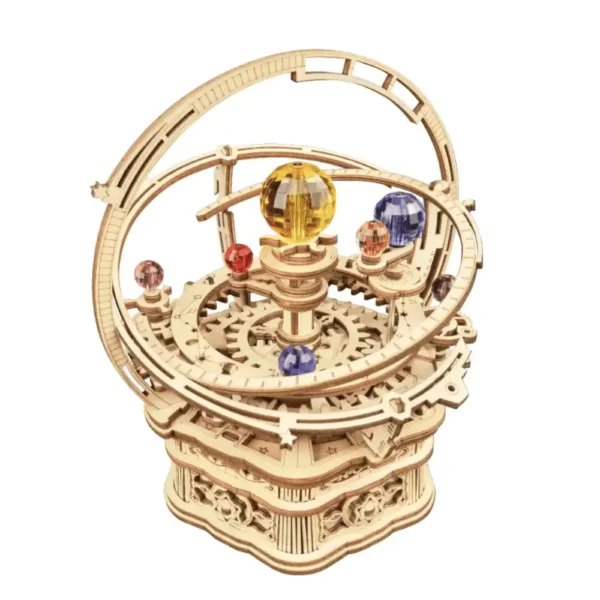
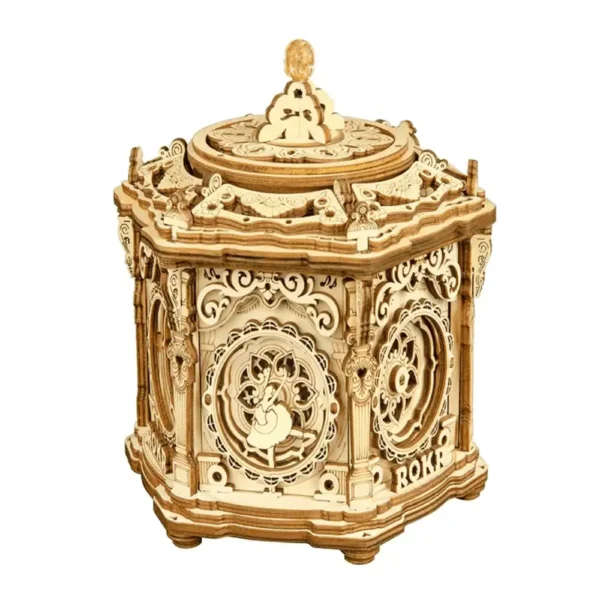
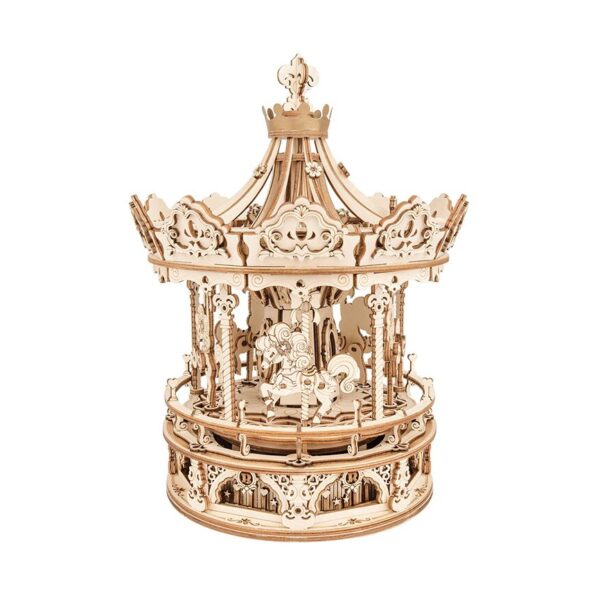
A 3D wooden puzzle is not just a game you finish and put away. It’s a real construction moment, a decorative object once assembled, and often a small mechanism to observe. In this category, you will find architectural models (Illuminated Eiffel Tower, Notre Dame, Big Ben), vehicles (locomotive, airplane, Titanic, double-decker bus), “space” universes (rocket, China Space Station), and even more challenging pieces like the labyrinth with ball.
What These Puzzles Offer Compared to a Classic Puzzle
Here, you manipulate wood pieces to assemble in volume. The cutting is precise, the elements fit together, and you can see the progress immediately, which makes the experience very playful. It’s an excellent choice for a curious parent, a student, a maker, or to give as a gift that stands out from regular toys. You also gain dexterity and fine motor skills without feeling like you’re “doing educational” in a school sense.
How to Choose: The Key Factors That Matter
Rather than just looking at the theme, take 30 seconds to check these points; they make all the difference in use:
- Assembly Level and Time: a dinosaur assembles quickly, while a cathedral or mechanism takes more patience.
- Final Effect: model for display, music box, carousel, Ferris wheel, or technical construction to observe.
- Functions: illuminated version (globe, Eiffel Tower), moving parts, gears, labyrinth ball.
- Assembly Comfort: size of elements, tight or easy fit, fine details for meticulous hands.
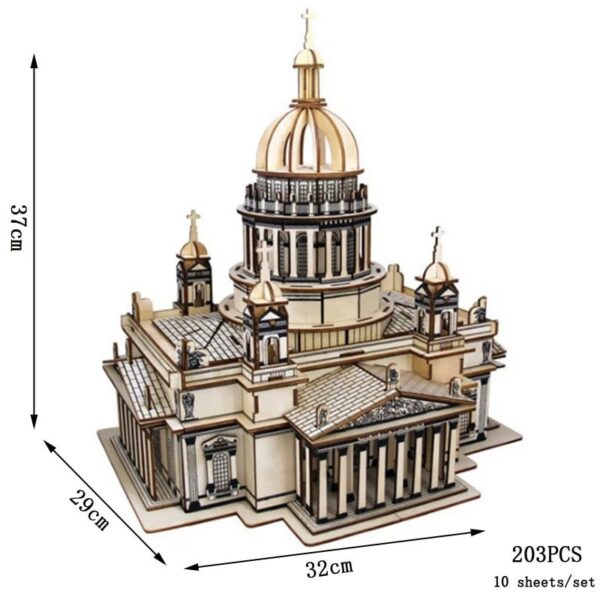
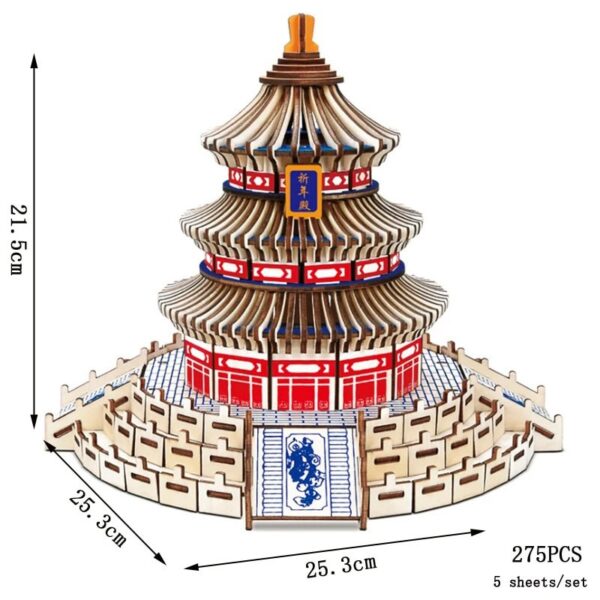
If you’re looking for a “relaxation moment,” aim for a smooth model to assemble. If you want a creative challenge, prioritize a complex structure (Temple of Heaven, St. Isaac’s Cathedral, Titanic) or a mechanical puzzle.
Which Model for Which Use?
To help you quickly navigate, here’s a simple comparison based on the most common uses on this page.
| Type of 3D Wooden Puzzle | Who For | Level | To Check | Result |
|---|---|---|---|---|
| Illuminated architecture (globe, Eiffel Tower) | Decor, gift, enthusiasts | Intermediate | Power supply, access to LEDs, stability | Ambient object for display |
| Detailed monuments (Notre Dame, St Paul, Big Ben) | History fans, creative hobbyists | Intermediate to advanced | Small pieces, assembly precision | Very realistic model |
| Vehicles (locomotive, airplane, SUV, Titanic) | Curious individuals, mechanics enthusiasts | Intermediate | Alignment, symmetry, long pieces | Dynamic and “tech” model |
| Space universe (rocket, station, telescope) | Science fans, office decor | Beginner to intermediate | Fine details, base support | Thematic object, very visual |
| Puzzle (labyrinth with ball) | Those who love manipulation | Intermediate | Fluidity of the path, adjustments | Reusable skill game |
Assembly Tips for a Clean Result
A successful assembly is mainly a matter of method. Set up on a stable surface, sort the pieces by “families” (structure, details, moving elements), and then proceed without forcing. If a piece resists, check the orientation before pressing: with wood, the precision of fitting matters more than force. For illuminated models, do a lighting test before final closure. And for moving models (carousel, mechanical), keep the gear areas clean to avoid friction.
These puzzles are often chosen as construction games but also as display objects: once completed, they are well-suited for a shelf, office, or child’s room, as long as you keep them out of reach of small children due to small parts.
FAQ
Do I need glue to assemble a 3D wooden puzzle?
Most models are designed to fit together. Depending on the fineness of the cutting and the use (durable decor, handling), some prefer to add a micro-adhesive on hidden points, but it’s not essential to enjoy the assembly.
How long does it take to assemble?
It depends on the level and complexity: a small model can be completed in a short session, while a detailed monument, an illuminated globe, or a music box may require several quiet sessions.
Is it suitable for children?
Yes, for patient and supervised children, but these are primarily construction puzzles with fine pieces. For a young audience, choose a simple model and avoid very small pieces if fine motor skills are not yet developed.
How do I choose an illuminated model?
Look mainly at access to the power compartment, the stability of the base, and the type of lighting desired: soft ambience for a globe, pronounced decor effect for an Eiffel Tower.
What should I do if a piece breaks or gets damaged during assembly?
Stop the assembly in the affected area, identify the piece, and avoid “compensating” by forcing the following ones. A small clean repair is better than a tense assembly that weakens the entire model.