Free Shipping on Orders Over $50

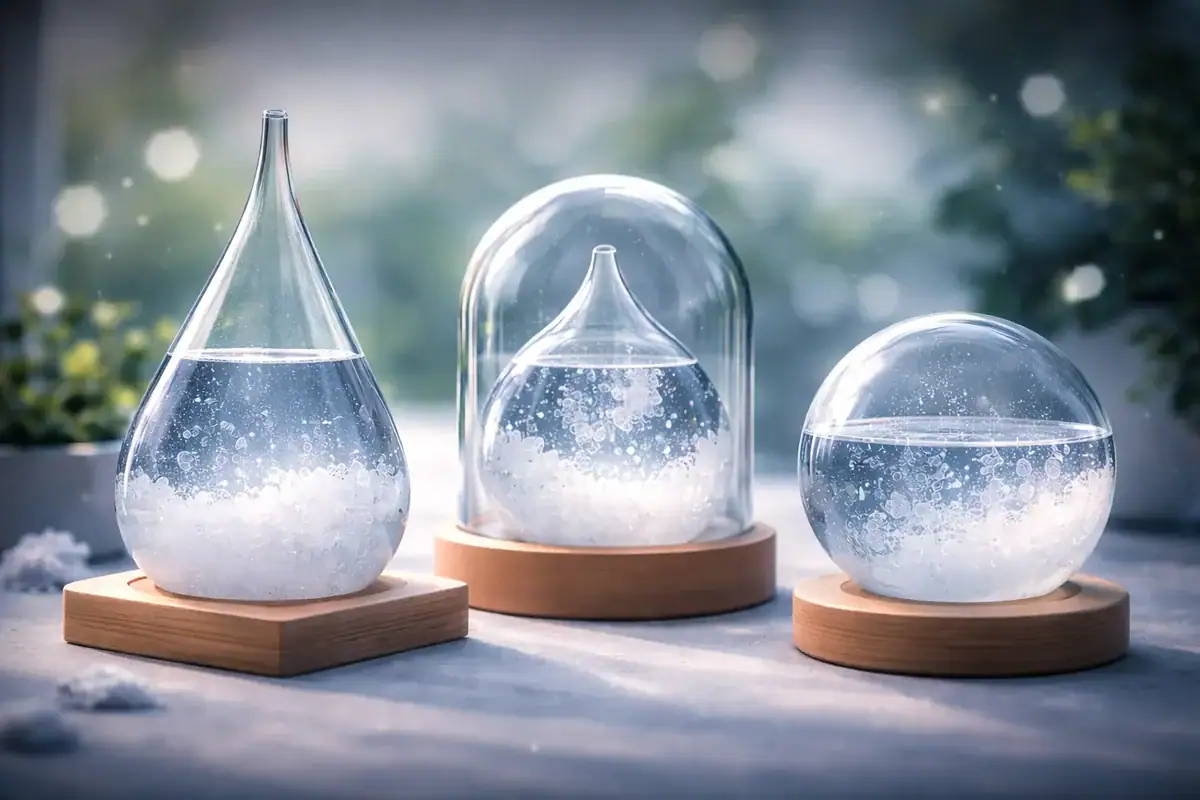
Storm Glass
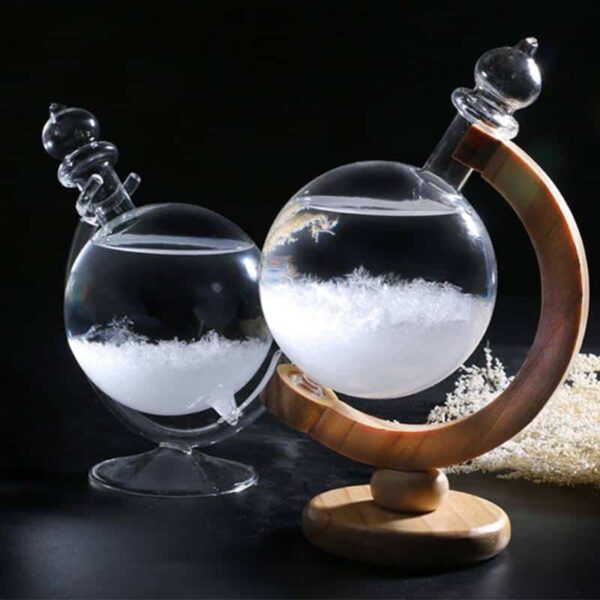
Select options
This product has multiple variants. The options may be chosen on the product page
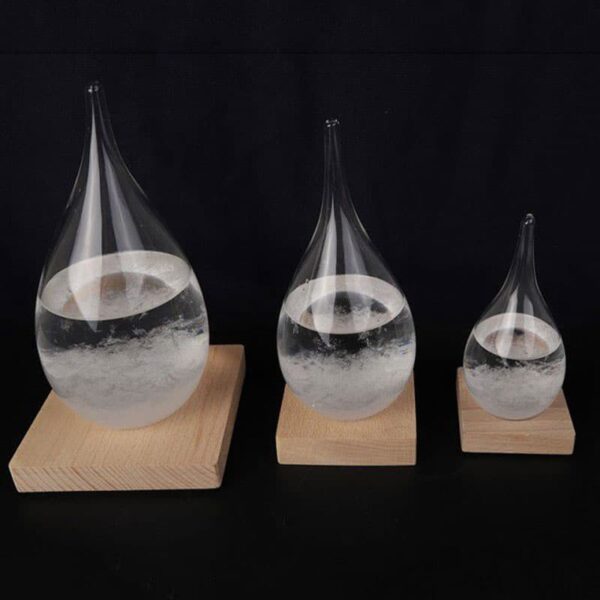
Select options
This product has multiple variants. The options may be chosen on the product page
Raindrop Crystal Storm Glass Barometer
Price range: $34.99 through $57.99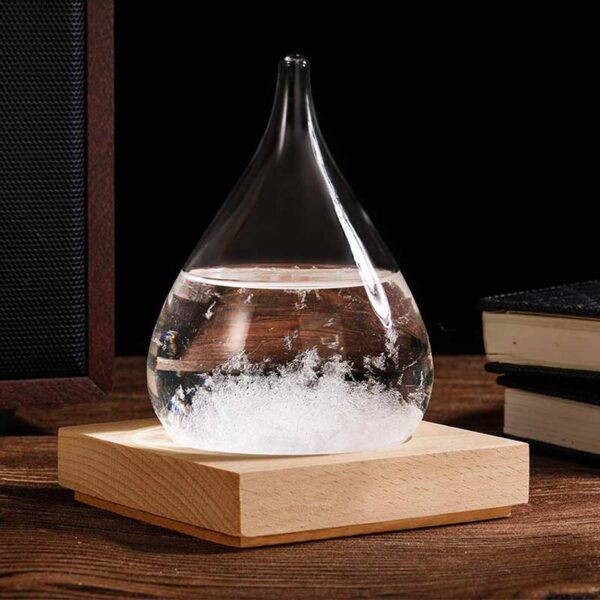
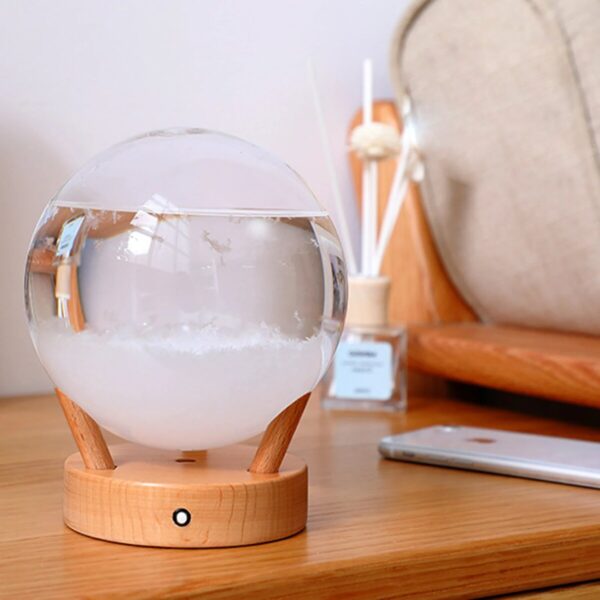
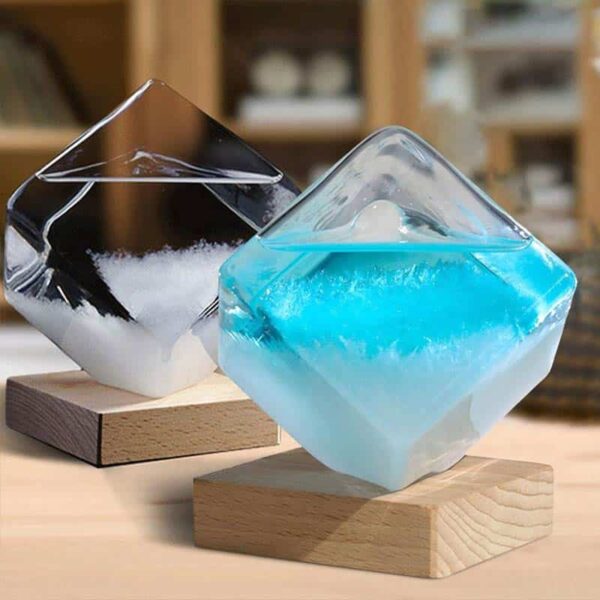
Select options
This product has multiple variants. The options may be chosen on the product page
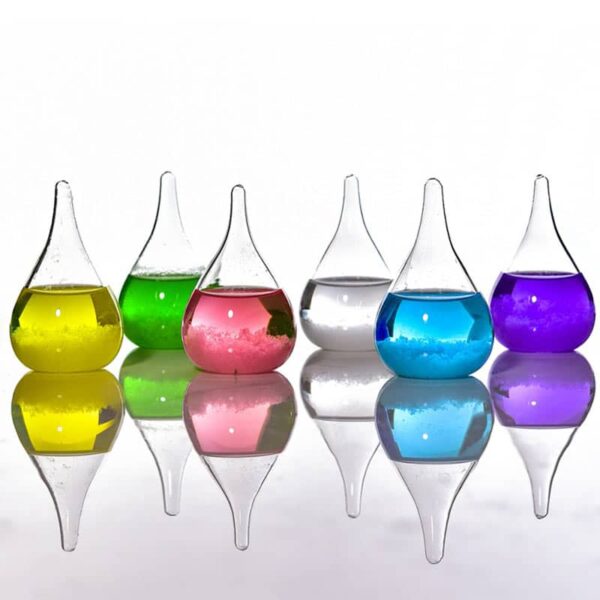
Original Crystal Barometer
Price range: $34.99 through $57.99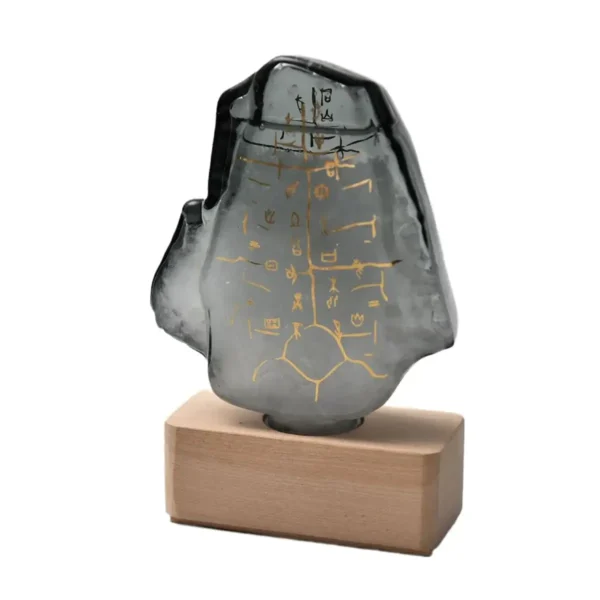
Select options
This product has multiple variants. The options may be chosen on the product page
Indoor Decorative Barometer
$52.99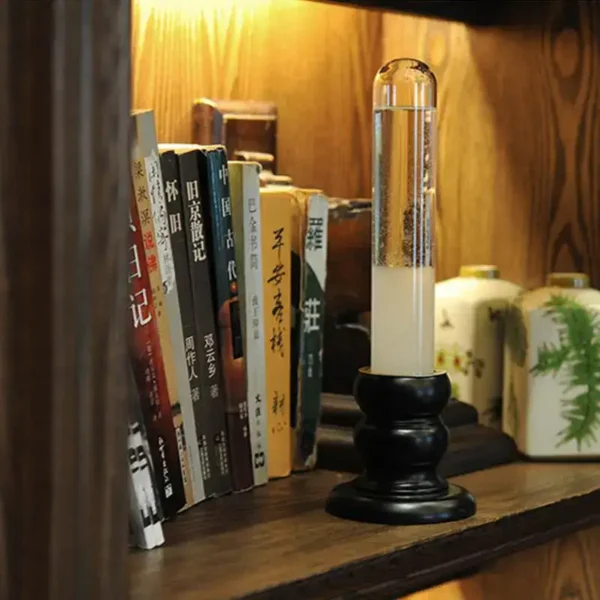
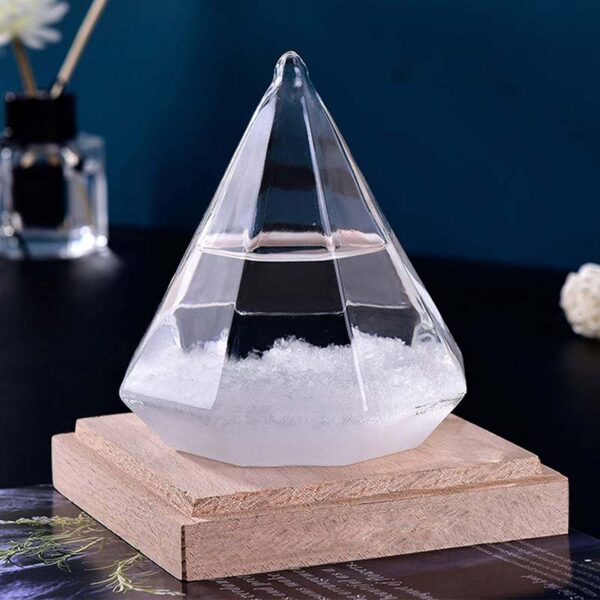
Select options
This product has multiple variants. The options may be chosen on the product page
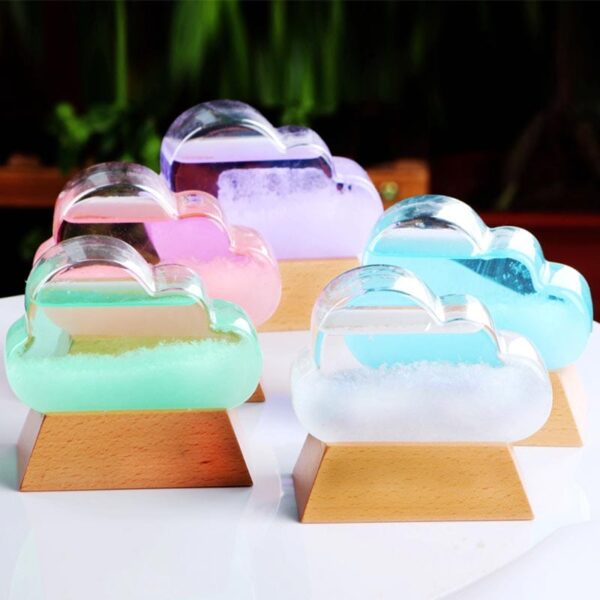
Cloud Crystal Barometer
$40.99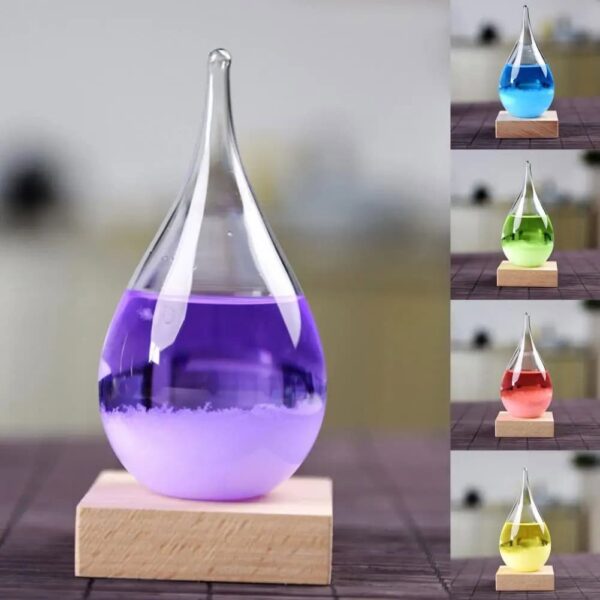
Select options
This product has multiple variants. The options may be chosen on the product page
Select options
This product has multiple variants. The options may be chosen on the product page
Storm Glass is a decorative and scientific object to observe daily: crystals appear and evolve in a sealed liquid. It is mainly used as a visual marker to track the “trend” of the surrounding air and connect it with the weather: variations in temperature, humidity, a more cloudy sky, or the return of nice weather. It is a piece of curiosity, closer to a ritual of observation than a weather station.
Storm Glass: A Weather Object to Observe, Not Just to Place
What Is It Used For (And Why Is It Interesting)
The pleasure comes from the “before / after”: you observe the state of the crystals, then you compare it with the weather conditions outside and the weather forecasts. Depending on the days, you will see a very clear liquid, filaments, flakes, or a more “snowy” appearance. Many people enjoy associating it with an atmospheric trend (more stable periods, disturbed passages, changes in winds and precipitation), without seeking minute-by-minute accuracy.
How to Choose?
To choose well, think “usage + location”:
- Readability: on a desk or console, prefer a shape that can be easily read at a glance.
- Visual Effect: some shapes highlight the flakes, while others emphasize the filaments. If you want a pronounced result, aim for a more “storm” style.
- Decor Style: modern, curiosity cabinet, or statement piece… the object should remain beautiful even when it is clear.
- Stability: if the location is exposed (window, air conditioning, heat), choose a stable model that is easy to reposition.
Using It Properly for More Consistent Observations
The secret is consistency. A storm glass becomes more “communicative” when left in the same place:
- Avoid direct sunlight, radiators, and air conditioning blowing directly on it (abrupt variations = confusing results).
- Leave it 7 to 10 days in the same location before judging its behavior.
- Observe the barometric trend rather than “it will rain at 6 PM”: more stable days (like a high-pressure system) vs more changeable spells (like low-pressure systems).
Two different interiors can result in two different behaviors: the room’s ambiance (temperature, humidity, air circulation) matters greatly.
Quick Comparison: Choose Based on Shape and Desired Effect
| Shape / Style | Visual Effect | Readability | Decor Ambiance | Ideal If You Want… |
|---|---|---|---|---|
| Globe | “Instrument” observation, understated | Very good | Desk / modern | To look often, compare day after day |
| Drop | Well-staged crystals | Excellent | Easy decor | A first model that is readable and aesthetic |
| Cloud | Playful, weather nod | Good | Design / fun | A nice piece for an office or bedroom |
| “Storm” Style | More dramatic effects | Good | Strong object | More visible and spectacular variations |
| Fitzroy | Classic look, collector’s spirit | Good | Curiosity cabinet | A “wow” gift and a premium presence |
Gift Idea: 3 Profiles (To Get It Right)
Curious Teen (14+ years): a readable model, placed on a desk, to observe and compare with clouds, rain, or more stable days.
Decor Enthusiast: an elegant shape that remains beautiful at all times, even when the liquid is clear.
Weather / Physics Enthusiast: a more “instrument” style, perfect for discussing atmospheric pressure, warmer/cooler air, and atmospheric changes.
FAQ
Does It Really “Predict” the Weather?
It’s mainly a visual indicator related to the environment (temperature, humidity, air circulation) and sometimes to the trend of the pressure. It’s ideal for observing and comparing, not for precise forecasting.
Where to Place It for Better Response?
In a stable location, away from direct sunlight, out of reach of a heat source, and without air conditioning blowing on it. Leaving it in the same place for several days improves consistency.
Why Is It Sometimes Completely Clear?
It’s normal: depending on temperature and humidity, the solution may remain clear. The interest is seen in the variation over time.
What Is the Difference Between It and a Classic Barometer?
A classic barometer measures atmospheric pressure instrumentally. The storm glass is mainly decorative and educational, designed for observation.
Are There Any Special Precautions?
It’s a glass object: avoid drops and keep it out of reach of young children. For independent use, the “desk object” format is more suitable from 14 years.