Free Shipping on Orders Over $50

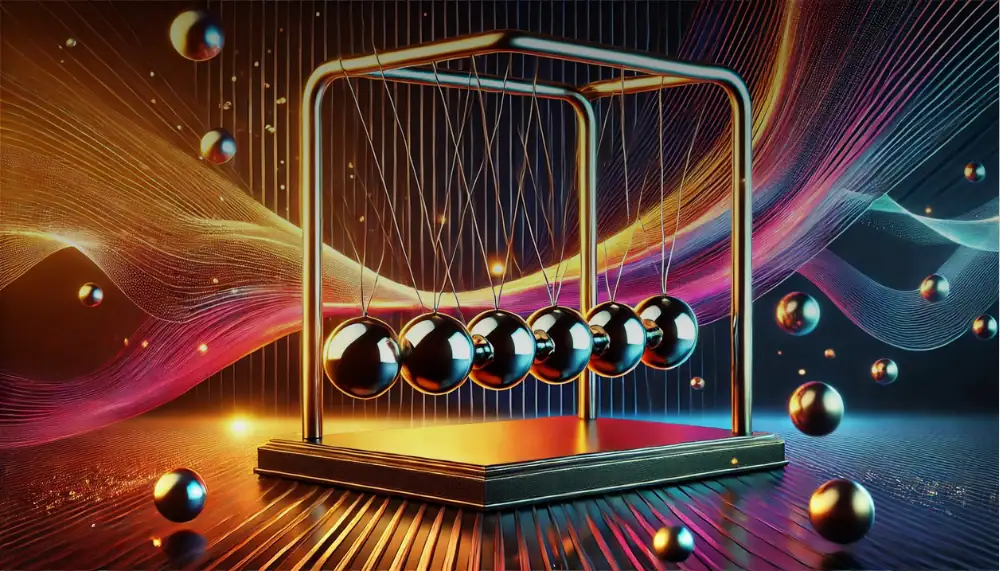
Newtons Cradle
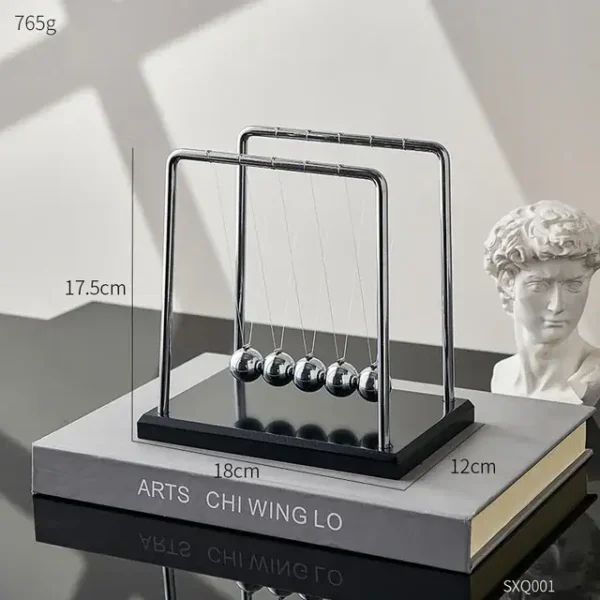
Premium Newton’s Cradle
Price range: $34.99 through $80.99
Select options
This product has multiple variants. The options may be chosen on the product page
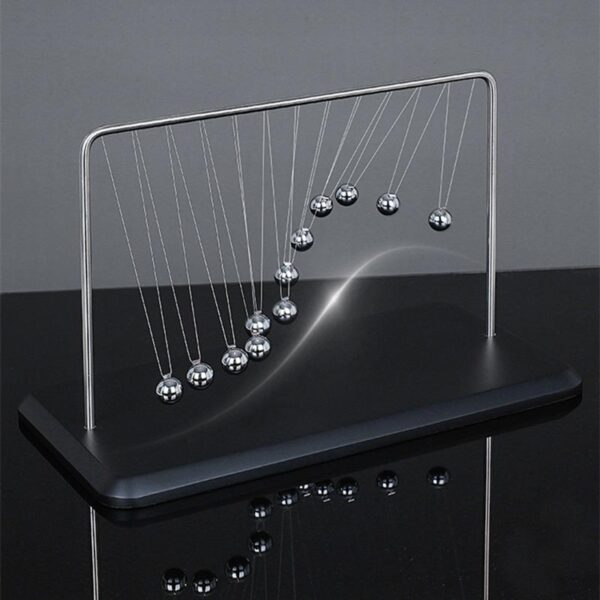
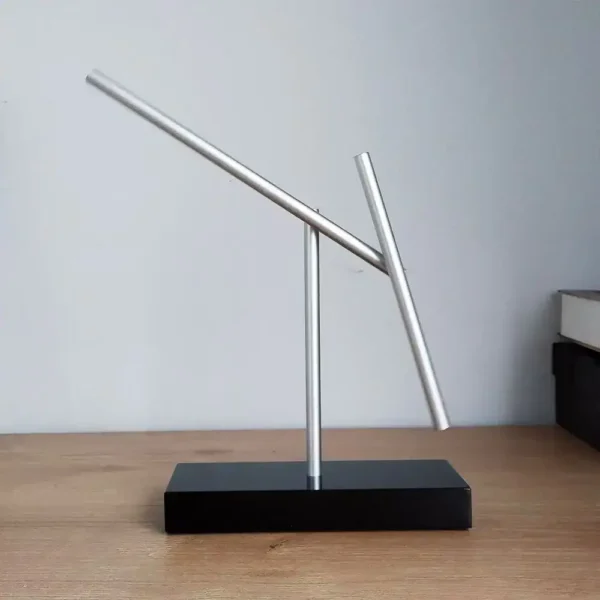
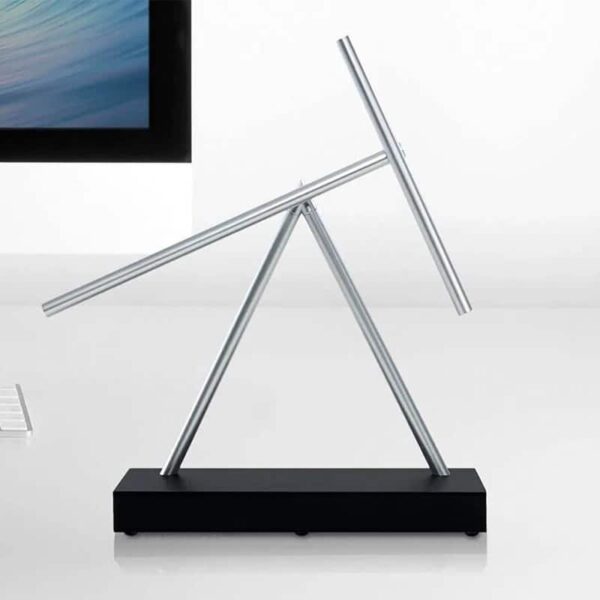
Newton’s Chaos Pendulum
$97.99
Select options
This product has multiple variants. The options may be chosen on the product page
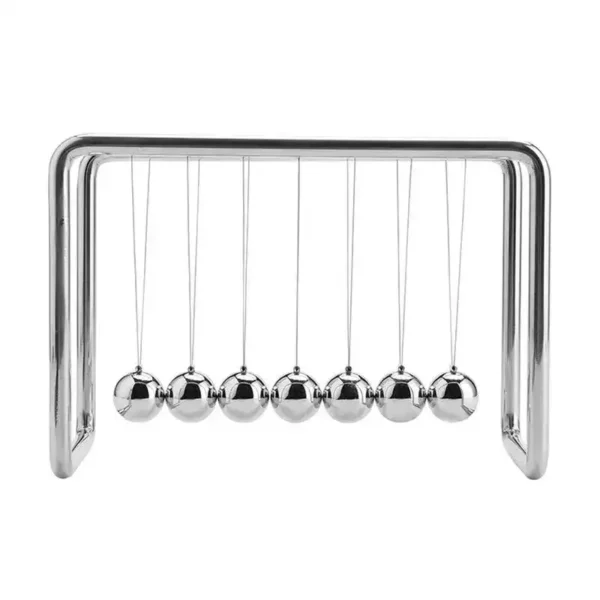
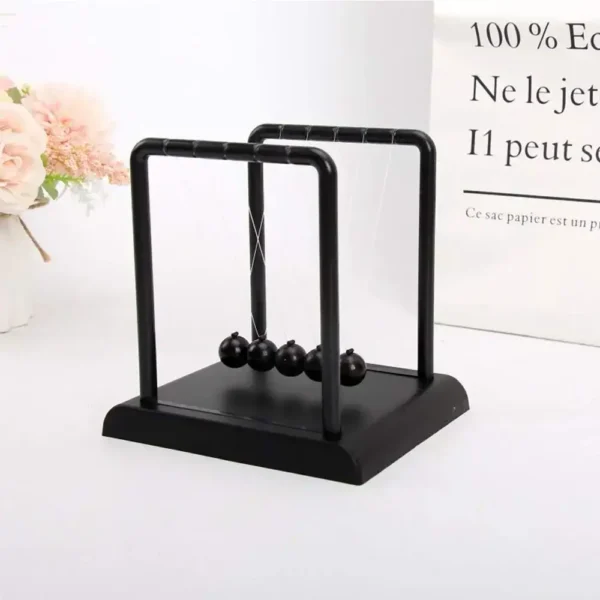
Black Newton’s Cradle
Price range: $40.99 through $45.99
Select options
This product has multiple variants. The options may be chosen on the product page
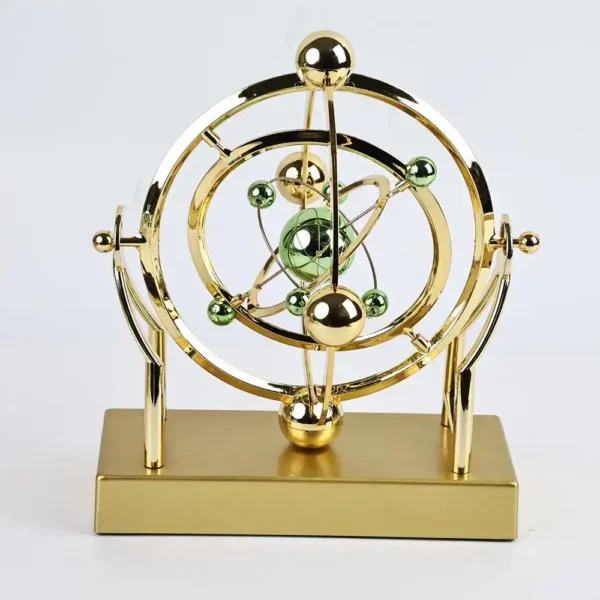
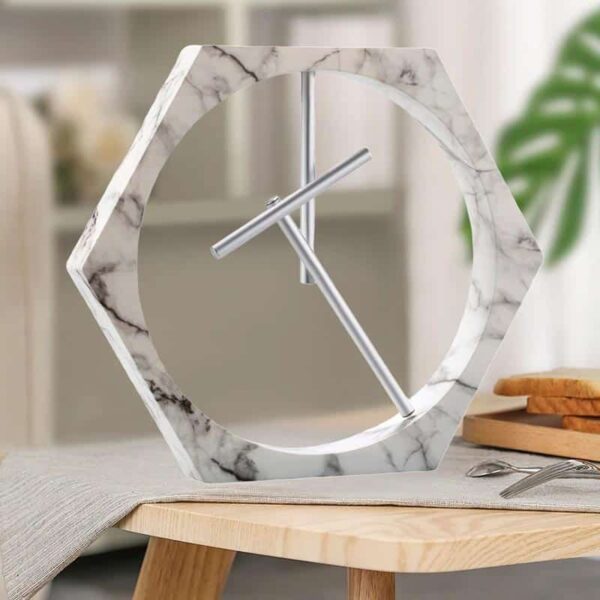
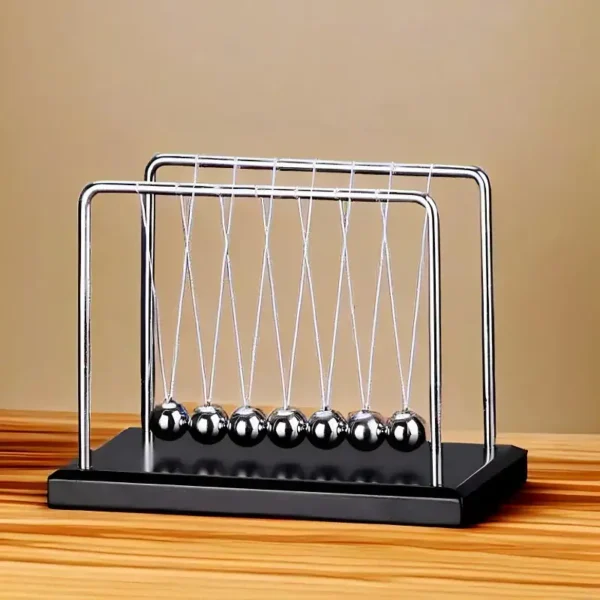
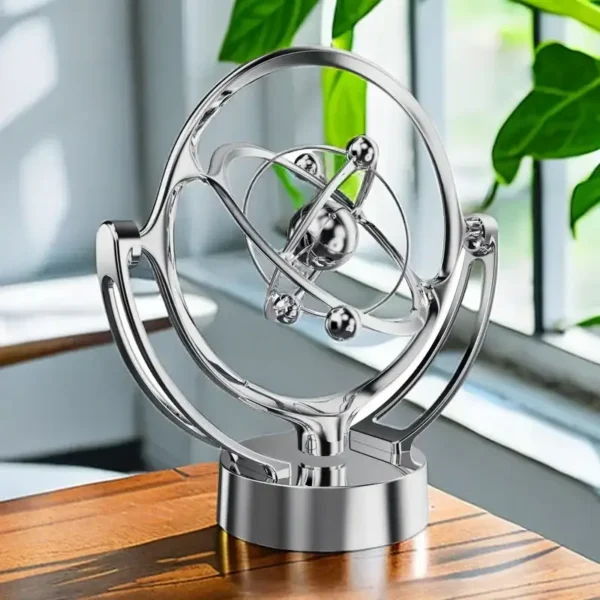
Perpetual Newton’s Cradle
$42.99
Select options
This product has multiple variants. The options may be chosen on the product page
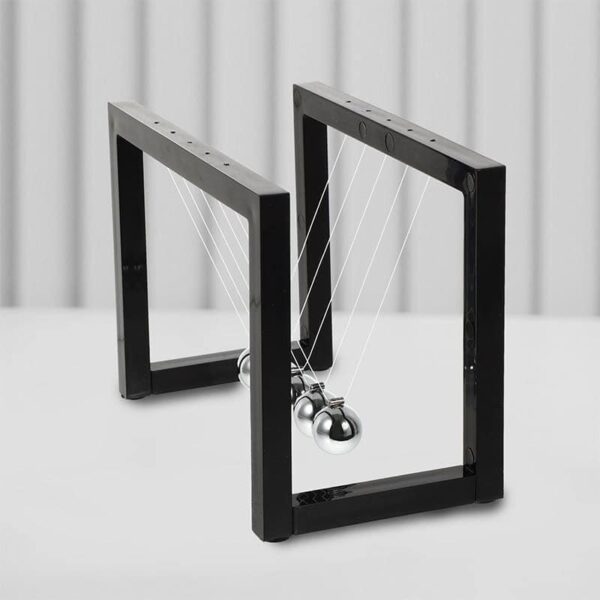
Newton’s Cradle Black Frame Design
$40.99
Select options
This product has multiple variants. The options may be chosen on the product page
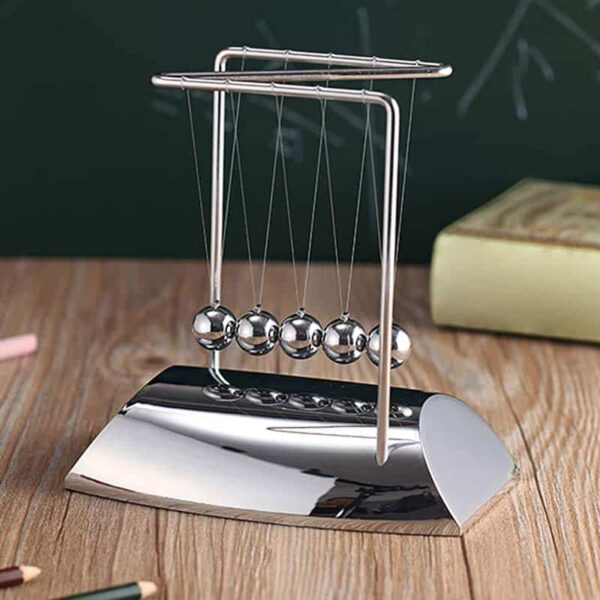
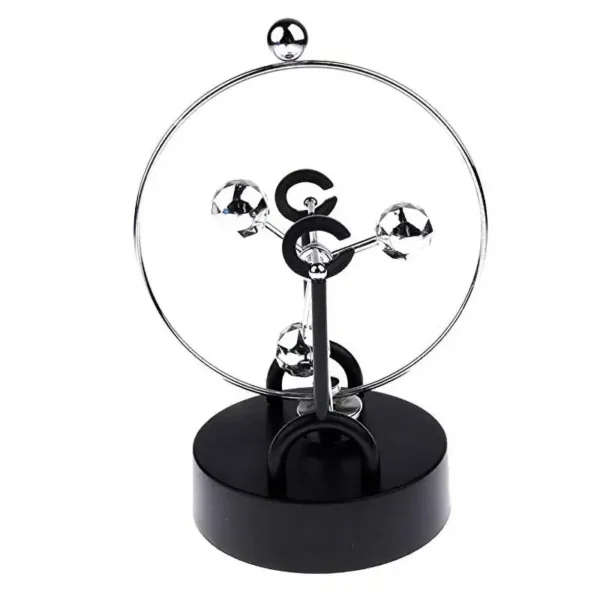
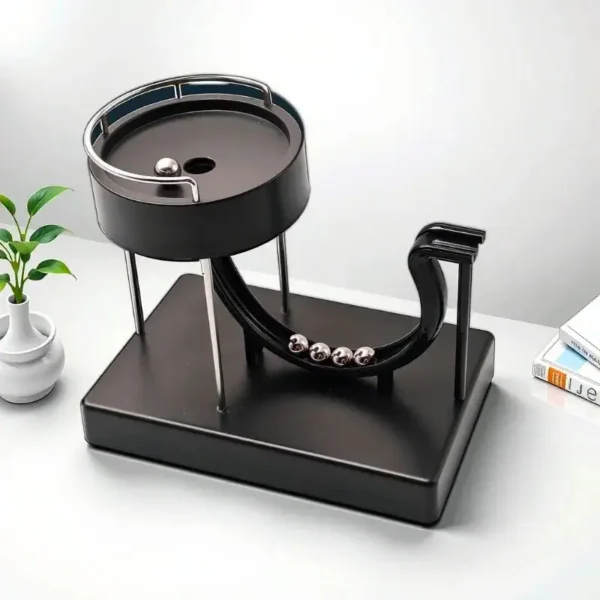
Perpetual Motion Ball Circuit Magnetic
$126.99
Select options
This product has multiple variants. The options may be chosen on the product page
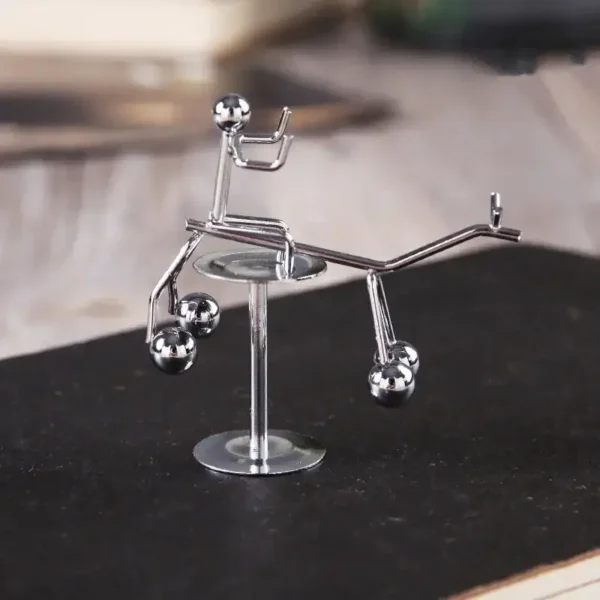
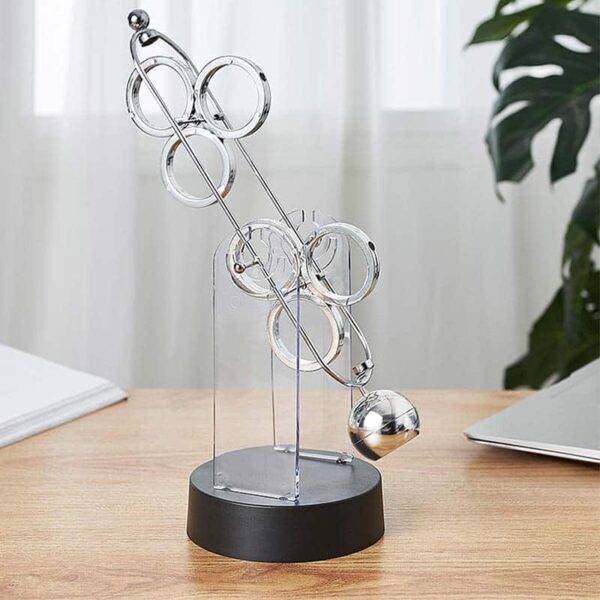
Classic Newton’s Cradle
$45.99
Select options
This product has multiple variants. The options may be chosen on the product page

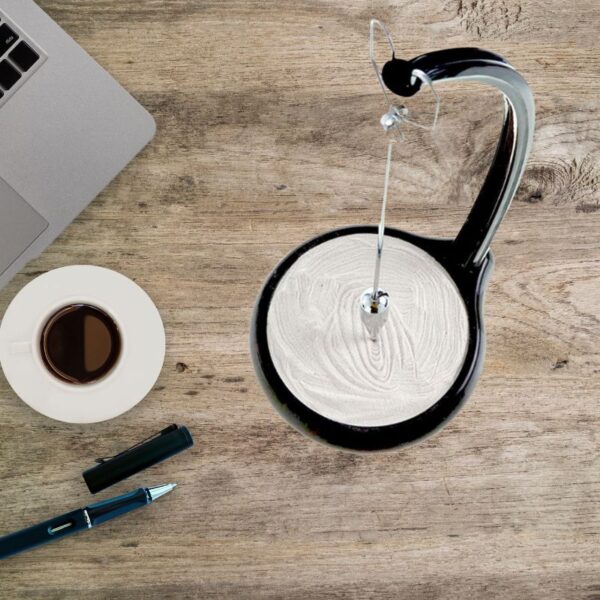
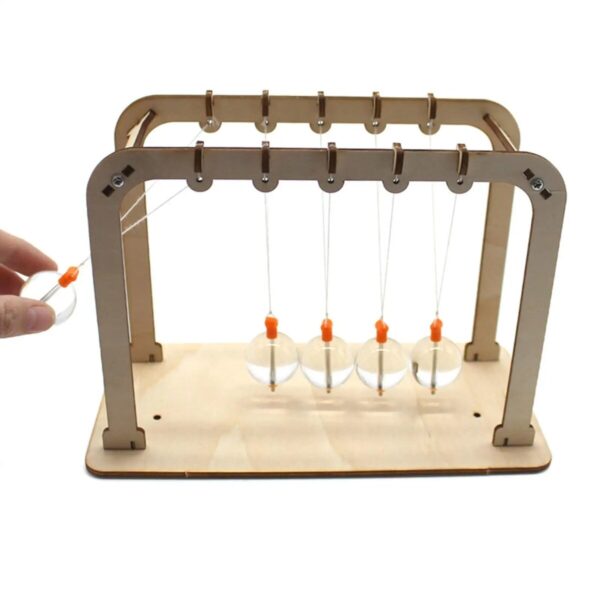
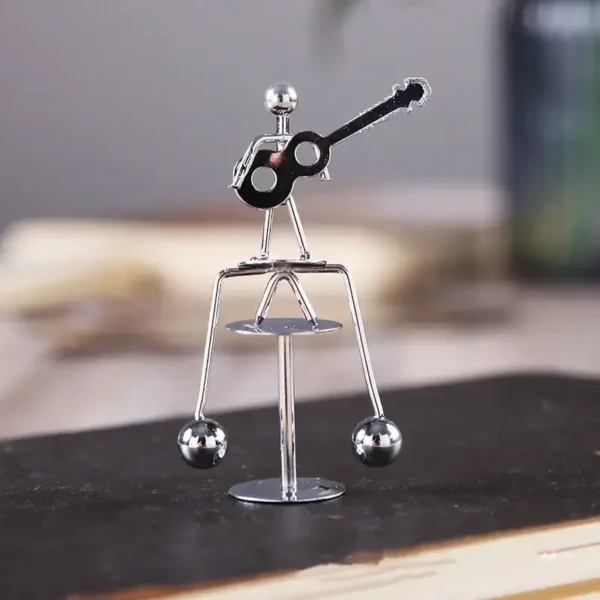
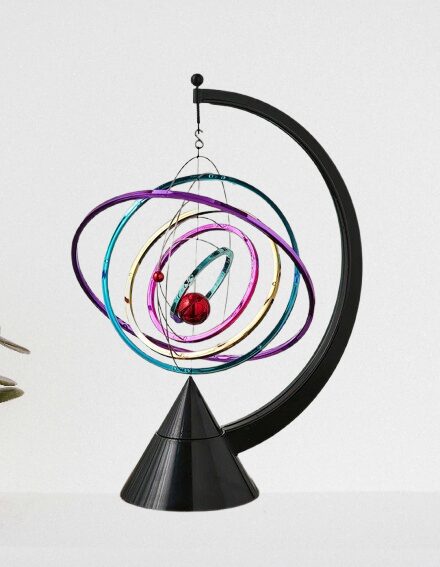
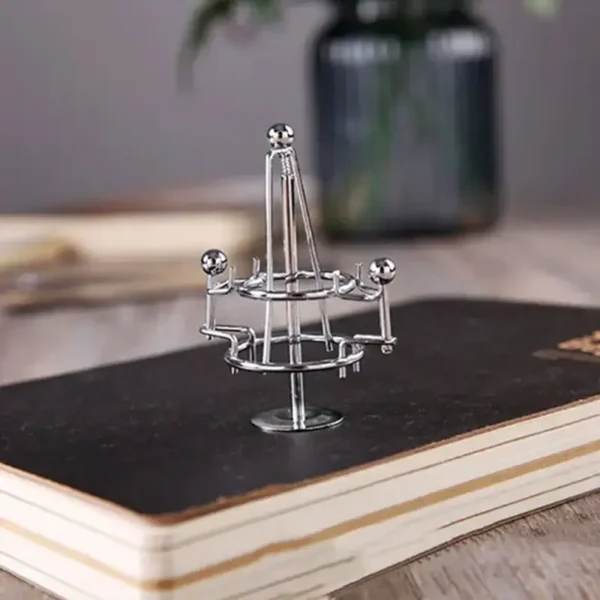
Newtons Cradle is one of those objects that instantly makes science “visible”: you drop a ball, hear the click, and the energy seems to flow through the whole line. It’s not magic: it’s a simple demonstration of collisions, inertia, momentum, and kinetic energy. In this collection, you will find mini, designer, antique, XXL, LED, or even “chaotic” cradles: perfect for a hypnotic desk decoration, a unique gift, or a tangible way to discuss Newtonian mechanics without hassle.
Newtons Cradle: physics that can be heard, seen, and understood
What you are really observing when the balls collide
The cradle works because the impact is transmitted: a moving ball “gives” its energy and momentum to the whole set, then a ball swings out on the other side. This transfer is very clean… but never perfect.
Why does it stop? Because there are always losses: friction (air + suspension points), micro deformation during the impact, and some energy that is lost as noise and heat. This is precisely what makes the object interesting: you see both an ideal principle (laws of conservation) and reality (dissipation).
What style of cradle to choose based on your use
A Newton’s cradle is not just a single “black on base” model. In this category, you can choose an atmosphere:
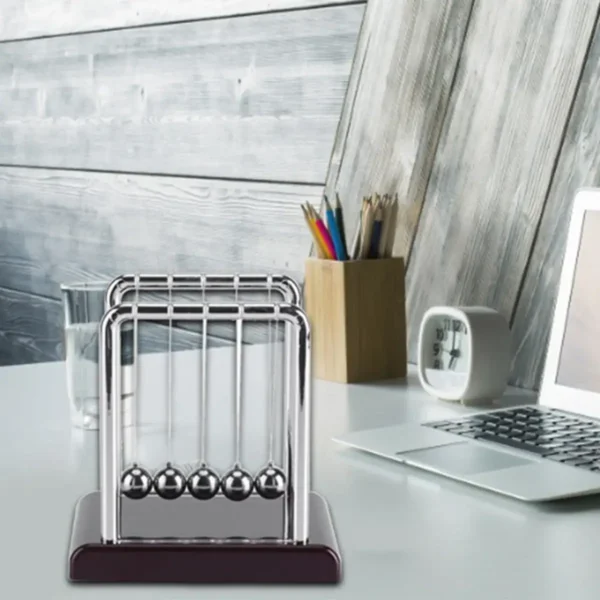
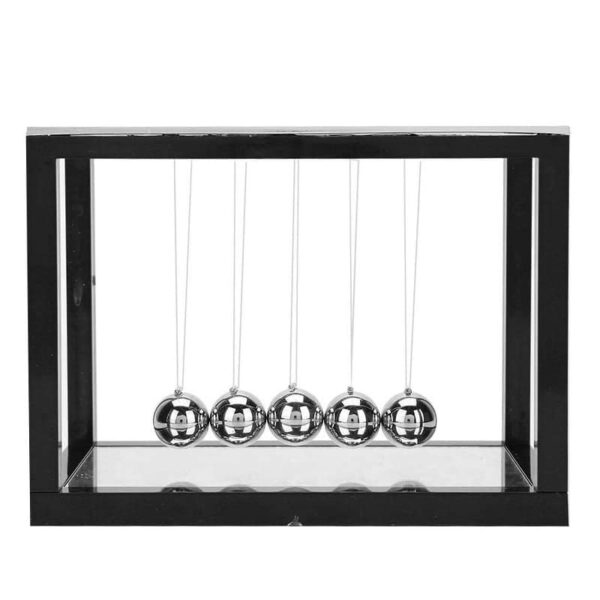
Minimalist & Professional (black, metal, desk): clean, effective, perfect on a desk.
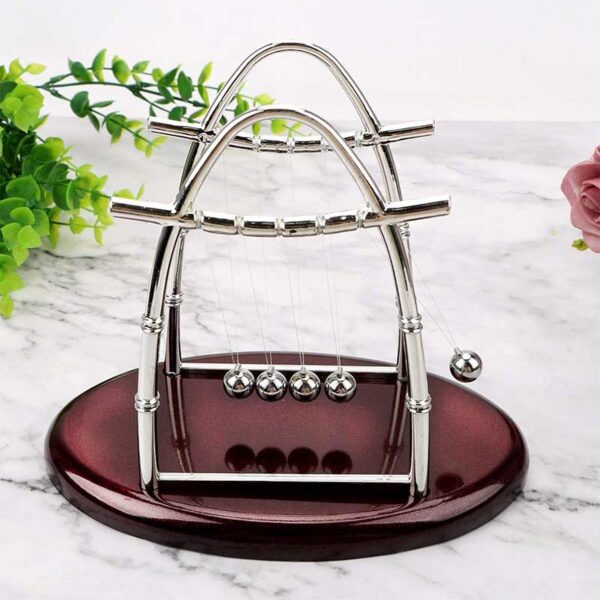
Vintage (antique, brass, patina): cabinet of curiosities spirit, very decor for living room/library.
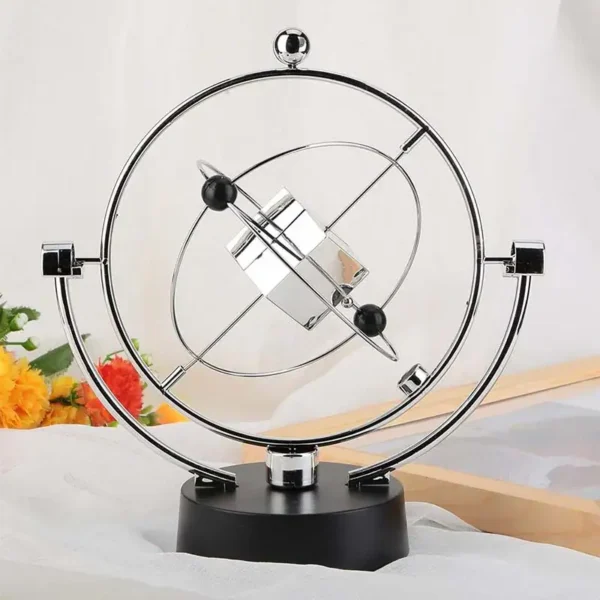
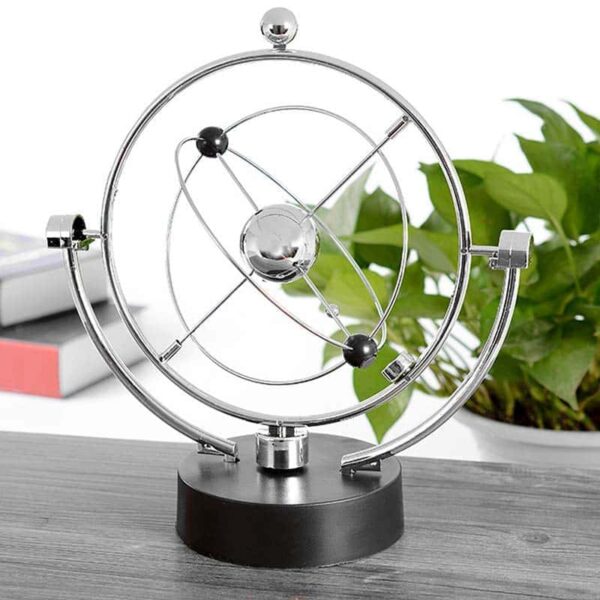
Spectacular (orbital, large wheel, 7 balls, giant): more “sculpture”, more presence in a room.
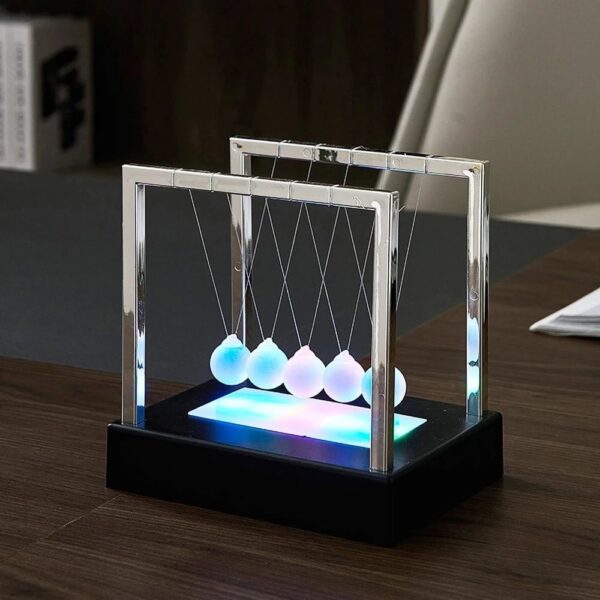
Atmosphere (LED light): great for a teen room, gaming corner, or illuminated decor.
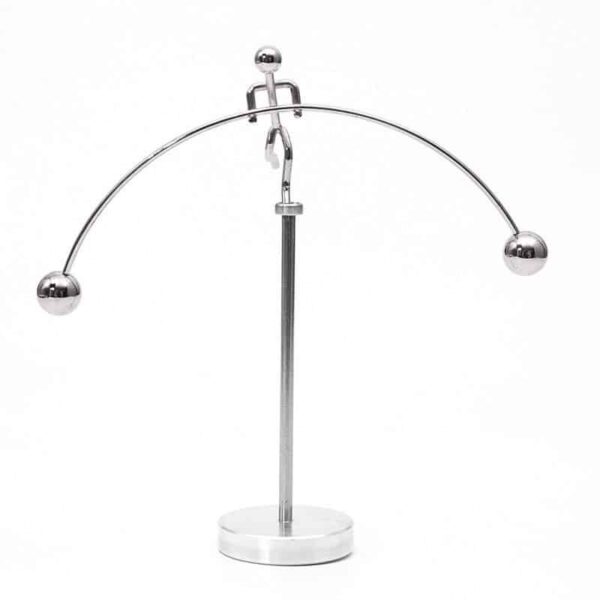
And if you want an object that truly intrigues, the chaotic or “perpetual motion” versions offer a less linear movement: it captures attention and sparks conversation.
How to choose (without making a mistake): 5 simple criteria
Here are the questions that avoid 90% of bad choices:
- Where will it live? Office = compact and stable. Living room = more decor, more “presence”.
- What do you want: calming or spectacular? Classic = relaxing “click”. Orbital/wheel = sculptural effect.
- What audience? Child = simple and robust. Enthusiast = orbital, chaotic, 7 balls, luxury.
- What material do you like? Metal/chrome = modern; natural wood = warm; brass = antique.
- Size & visual impact: mini = discreet; giant = centerpiece.
Little “UX” tip: if it’s for a gift, get a model that tells a story (antique, solar system, orbital, LED). The object becomes more than a gadget: a conversation piece.
Gift ideas: 3 profiles (and a choice that hits the mark)
🎁 Curious Teen (middle/high school)
A classic (or LED) cradle: immediate, satisfying, and perfect for explaining inertia + kinetic energy in two minutes.
🎁 “Clean and Stylish” Office Decor
A designer model in black metal or a cube version: it remains elegant, even when off, and doesn’t take up much space.
🎁 Science Enthusiast / Rare Object
A chaotic, orbital, 7 balls, or luxury version cradle: visually richer, more “wow”, and it appeals to people who like to understand mechanisms.
Comparison Table: which Newtons Cradle suits you?
| Type | Atmosphere | What it highlights | Ideal for | Level |
|---|---|---|---|---|
| Classic (metal / black) | Sober | Collisions, conservation, calming “click” | Office, safe gift | Beginner |
| Mini / child | Compact | Quick discovery | First approach | Beginner |
| Antique / brass | Vintage | Decorative object + conversation | Living room, library | Beginner → intermediate |
| Orbital / large wheel / solar system | Sculpture | Rotation, angular movement, visual effect | Striking decor | Intermediate |
| Chaotic / 7 balls / giant | Show | More complex movement, presence | Enthusiasts, large gift | Intermediate → enthusiast |
| LED | Atmospheric | Visual + lighting decor | Teen room, gaming corner | Beginner |
FAQ
What does the Newton’s cradle demonstrate exactly?
It mainly illustrates collisions and laws of conservation (momentum and energy). By observing the balls, you see how an impulse propagates and comes out on the other side.
Why do we feel that only one ball comes out?
In an “ideal” model, the transmission is very efficient: energy spreads through the balls, and then one ball (or sometimes several) swings out with a speed close to the initial speed. The result also depends on alignment and precision of the device.
Why does it always eventually stop?
Because of friction and losses: air, attachment points, micro deformations during impacts. Some of the mechanical energy transforms into heat and noise, so the movement gradually decreases.
Which cradle should I take for a pleasant office decor?
A black metal, cube, or “designer” model: it remains elegant, stable, and the movement is very readable even in a small space.
Is it suitable for a child?
Yes, especially the simple versions. Since some models use balls and small parts, it’s better to respect the recommended age and assist the youngest during the first uses.