Free Shipping on Orders Over $50
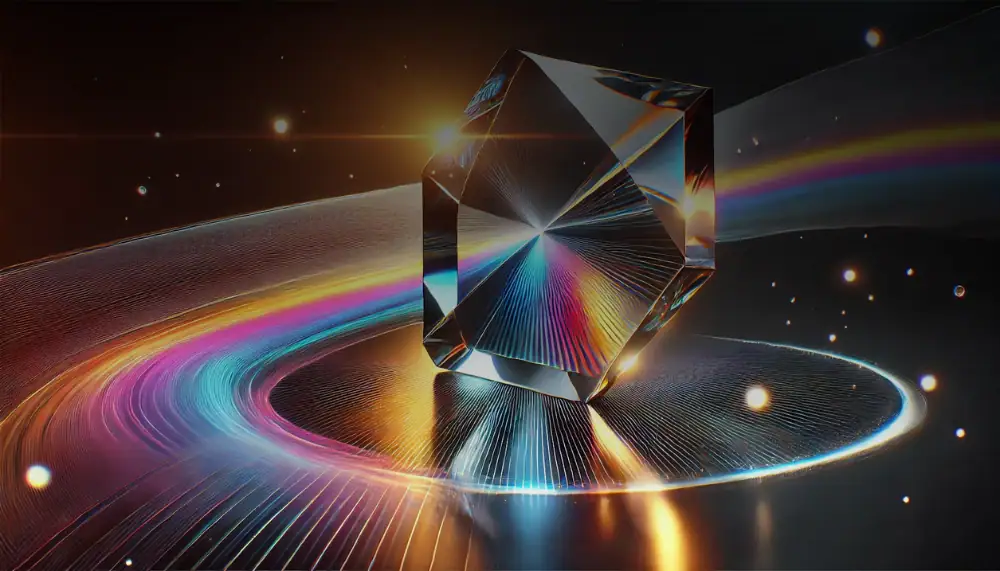
Optical Prism
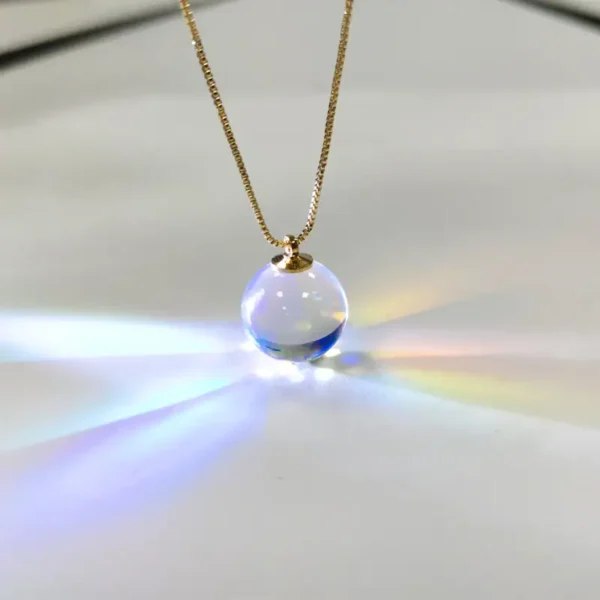
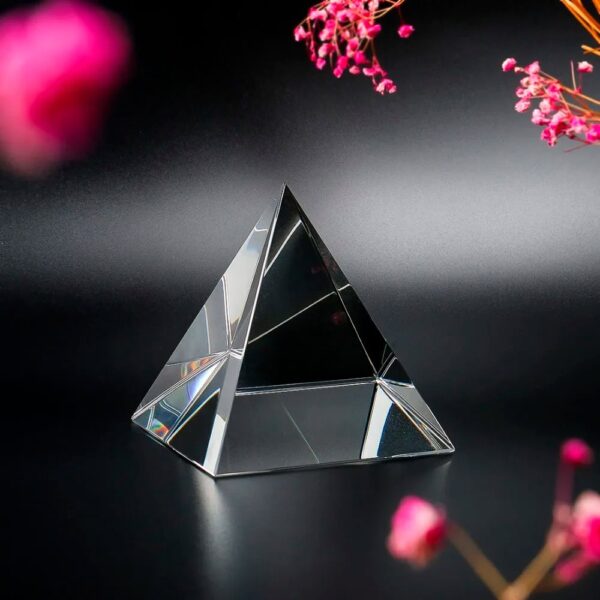
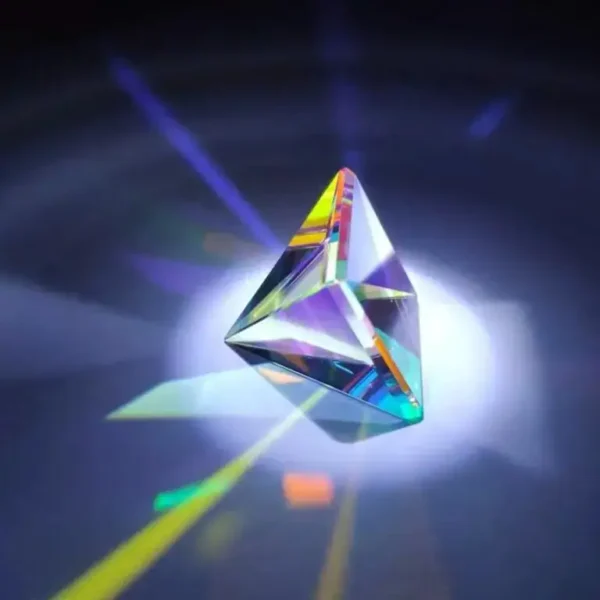
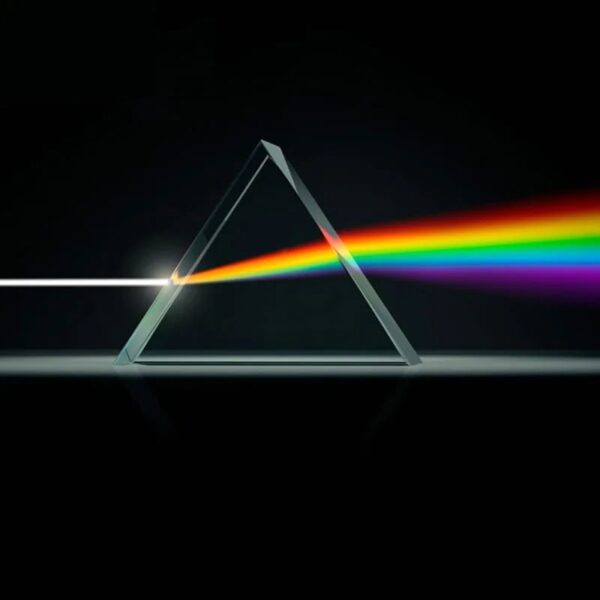
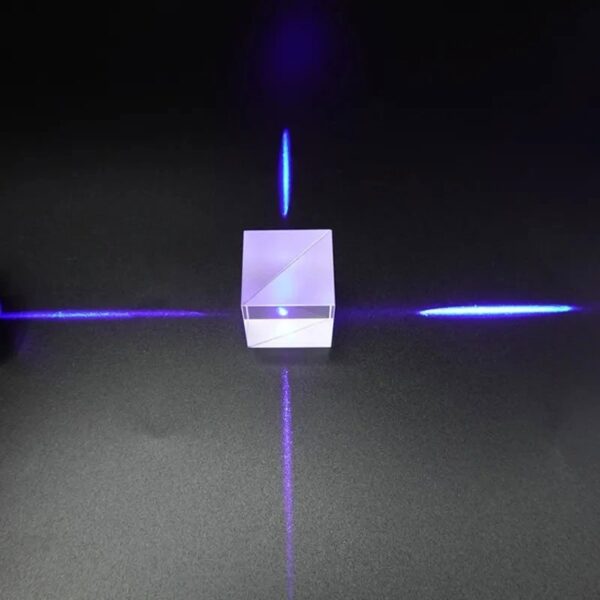
Cubic Optical Dispersion Prism
Price range: $32.99 through $203.99
Select options
This product has multiple variants. The options may be chosen on the product page
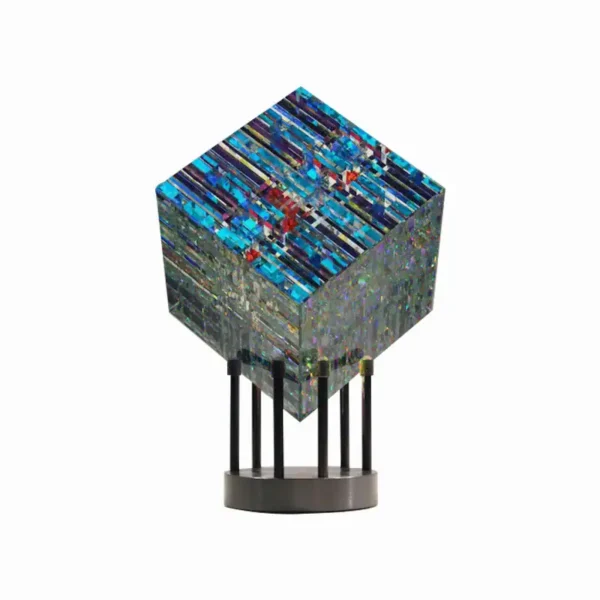
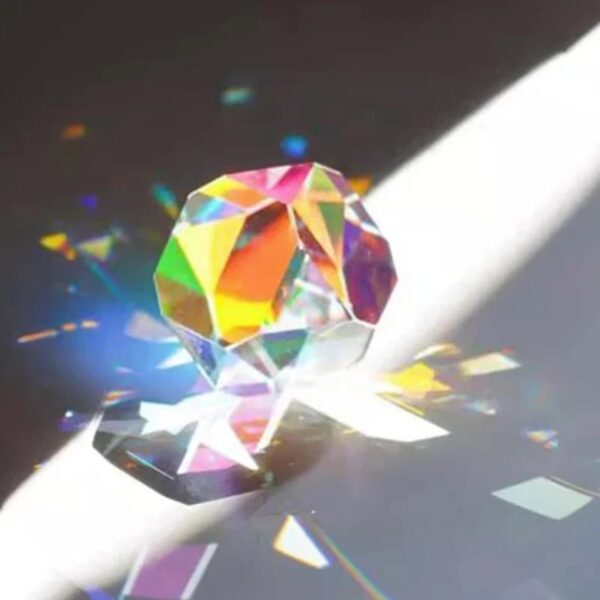
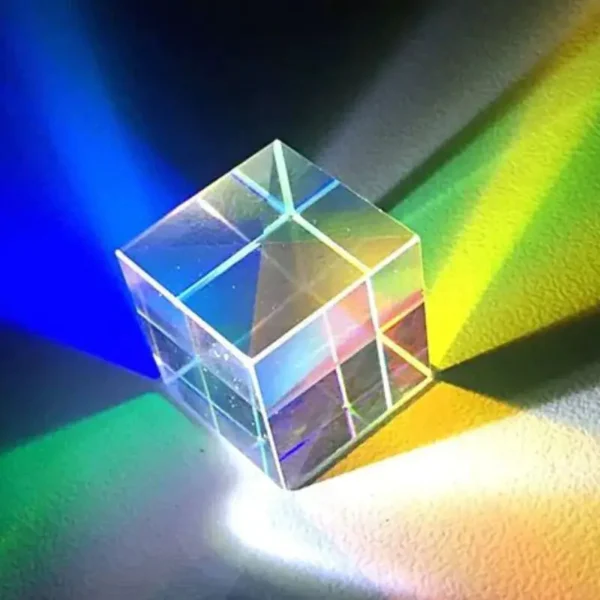
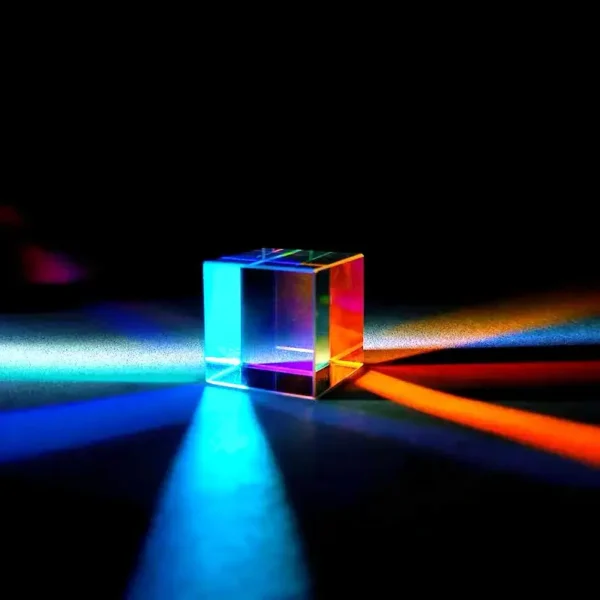
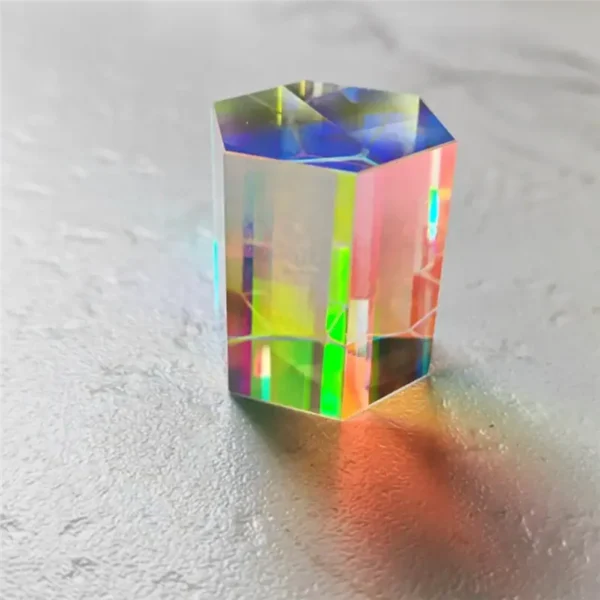
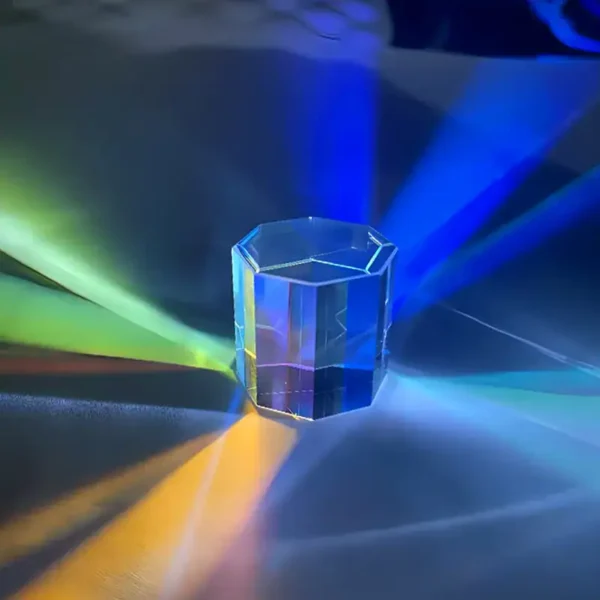
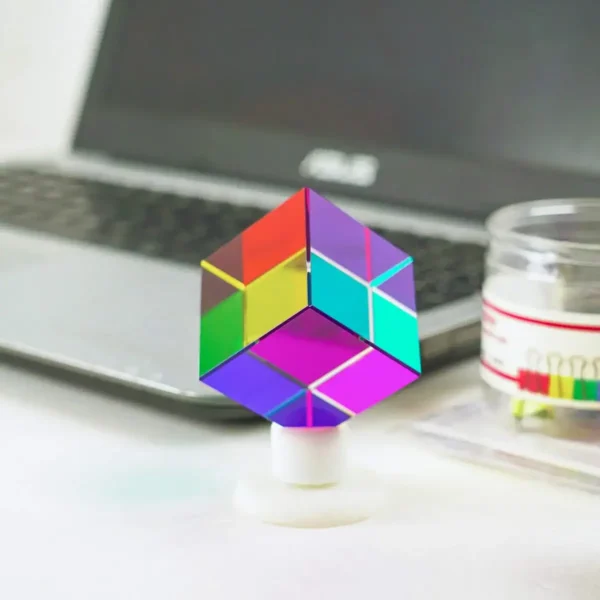
Colored Cubic Prism
Price range: $49.99 through $59.99
Select options
This product has multiple variants. The options may be chosen on the product page
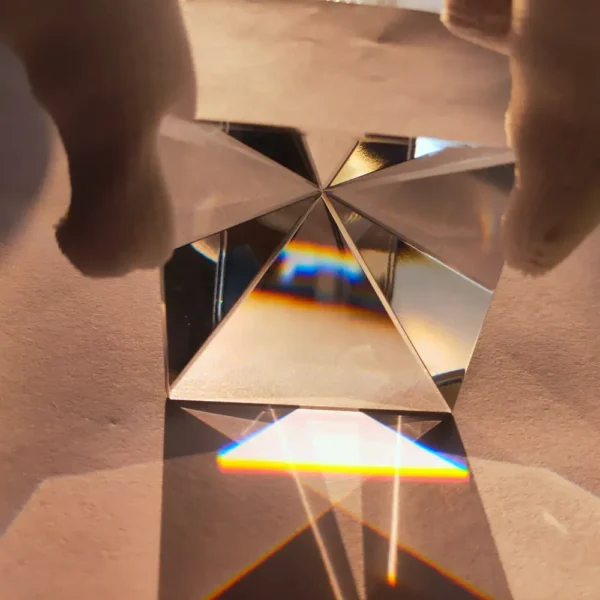
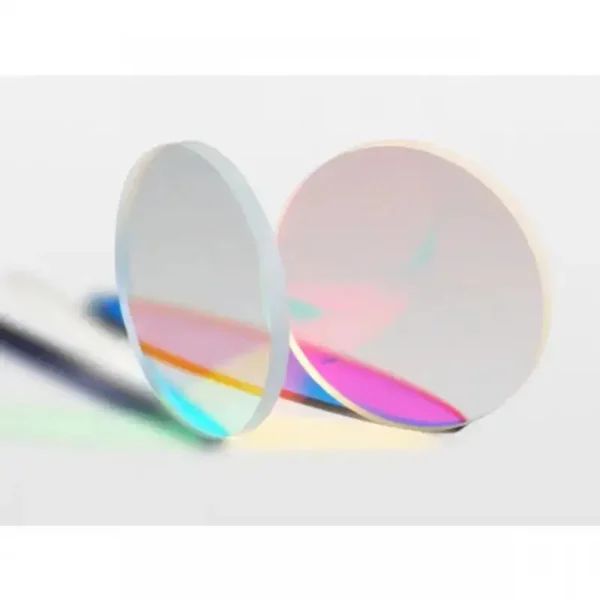
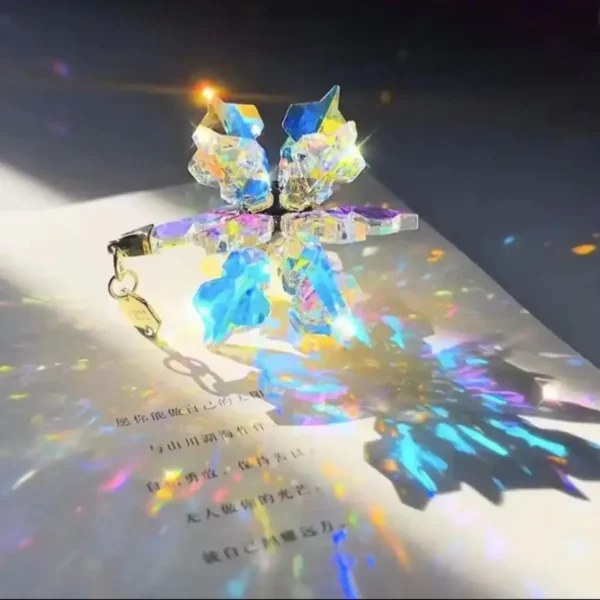
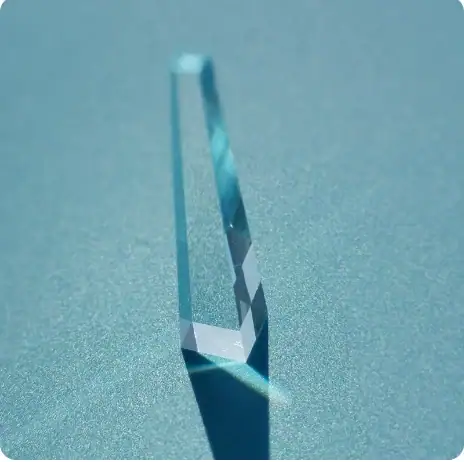
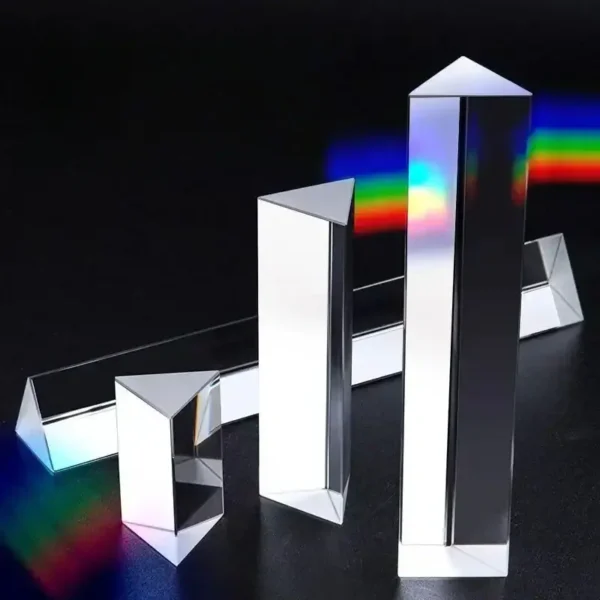
Rainbow Geometric Optical Prism
Price range: $19.99 through $32.99
Select options
This product has multiple variants. The options may be chosen on the product page
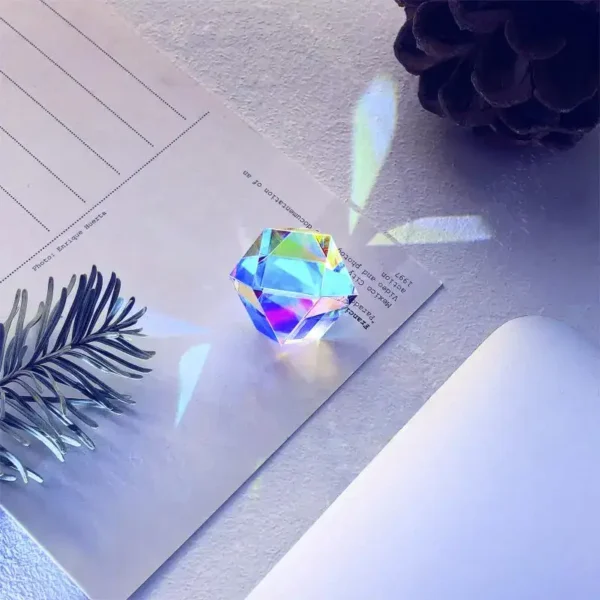
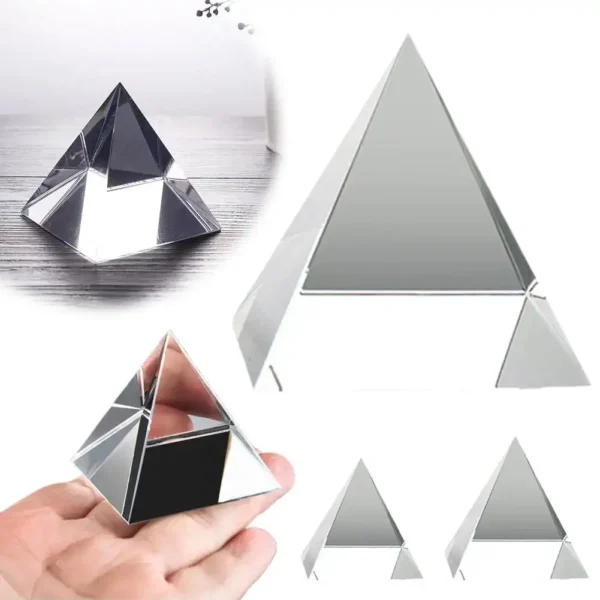
Natural Quartz Pyramid Optical Prism
Price range: $51.99 through $56.99
Select options
This product has multiple variants. The options may be chosen on the product page
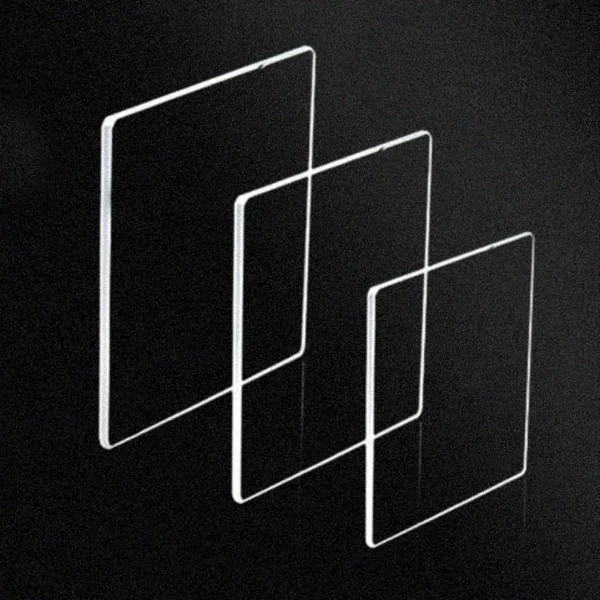
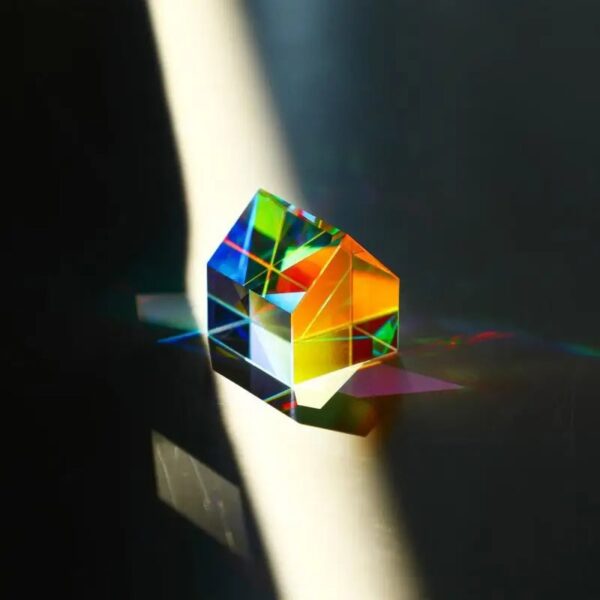
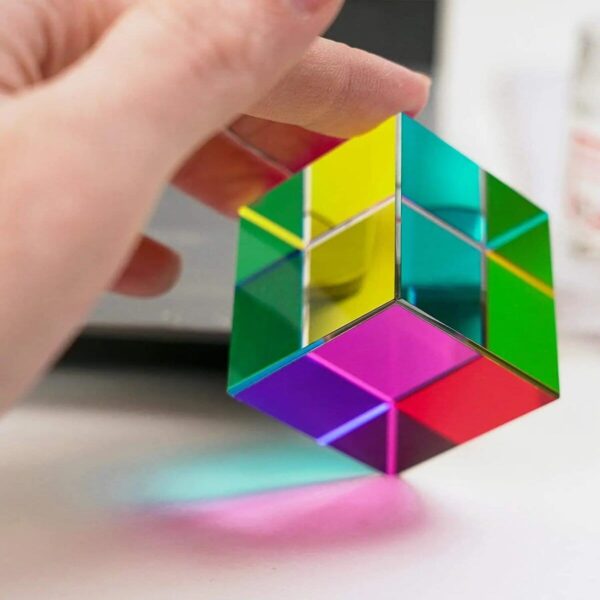
Colorful Cubic Optical Prism
Price range: $21.99 through $41.99
Select options
This product has multiple variants. The options may be chosen on the product page
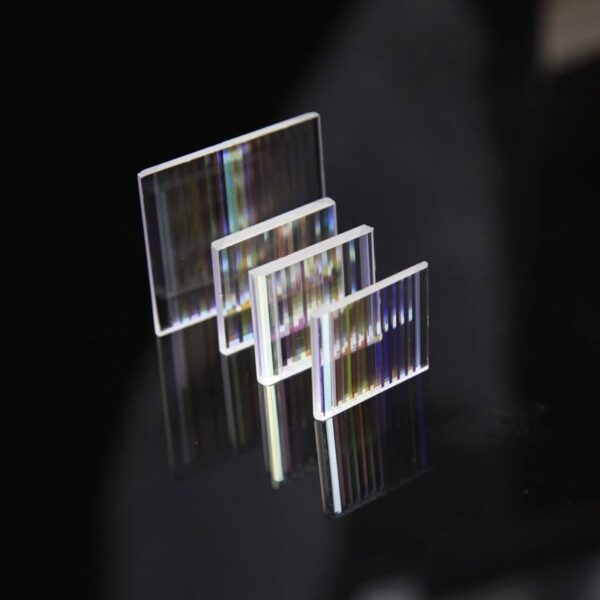
Optical Prism makes light “visible”: an incident ray enters the glass, changes direction by refraction, and can then be separated into colors thanks to dispersion. It is the perfect object to project a rainbow on a wall, understand how the angle of incidence alters the path, or create a luminous decoration on a desk. Here, you will find prisms made of glass prism, crystal, or quartz, from educational models to more “designer” shapes.
Optical Prisms: Deflect, Disperse, and Play with Light
What You Can Do with a Prism (Without Complicated Equipment)
A prism is not just for geometric optics in class. In real life, it serves mainly two purposes: deflecting a beam and creating a color effect. With an LED lamp, a flashlight, or indirect daylight, you can:
- observe the deflection of light rays as they pass through different transparent mediums;
- project a spectrum of white light (the wavelengths separate);
- redirect a light beam in another direction for a “lab effect” on a desk.
The bonus: it’s immediately visual. You understand by looking, not by reading a diagram.
How Does It Work?
Light travels “straight” through the same medium. As soon as it moves from air to glass, it changes speed: it refracts. The degree of this deflection depends particularly on the index of refraction and the angle of incidence (relative to the normal). Upon exiting, the ray is deflected again: you get a “broken” trajectory that is very easy to visualize.
For the rainbow effect, it’s the dispersion of light: each color (each wavelength) is not deflected in the same way. A dispersion prism therefore spreads light into a spectrum, often clearer if the faces are flat and polished.
How to Choose Your Prism
The right model is mainly “one use = one shape.” Here are the criteria that really help to buy without a mistake:
- Desired effect: clear spectrum (dispersion) or colored reflections (dichroic).
- Shape: triangular for the spectrum, rectangular for simple refraction experiments, 90° prism / roof prism to redirect light.
- Optical quality: a very transparent prism with flat faces gives a cleaner image and a better-defined beam.
- Size: small format for decoration/desk, larger format if you want to project a wide and readable spectrum.
Tip: if you want “just a pretty effect,” decorative models are perfect. If you want to manipulate angles and understand optics, aim for a simple shape with well-polished faces.
Using It Well: 3 Quick Ideas
Rainbow Projection: place the prism near a window with indirect light, orient it and observe the spectrum on a wall.
Beam Path: with an LED lamp, vary the angle and see how the ray shifts (you visualize the angle of refraction without calculation).
Decor Effect: on a desk, a fixed light source + prism = reflections and colors that change depending on the orientation.
Simple precaution: avoid looking directly at the sun and do not direct a laser towards your eyes (the prism can intensify or deflect the beam).
Quick Comparison: Which Prism for Which Result?
| Type of Prism | Main Effect | Reading / Outcome | Ease | Ideal For |
|---|---|---|---|---|
| Triangular / Dispersion | Spectrum, Rainbow | Separated colors, “wow” effect | Very Simple | Understanding dispersion and projecting colors |
| Rectangular | Refraction, Deflection | Very clear beam path | Simple | Observing the effect of the angle of incidence |
| 90° Prism / Roof Prism | Beam Redirection | “Clean” path, sometimes via internal reflection | Moderate | Return experiments, understanding total reflection |
| Dichroic / Decorative Shapes | Colored Reflections | Changing colors depending on orientation | Very Simple | Luminous decoration and immediate visual effect |
Gift Idea: 3 Profiles
Curious 14-Year-Old: a triangular prism to project a rainbow and understand refraction while having fun.
Decoration Fan: a dichroic prism or a geometric shape that colors the light as soon as a lamp shines on it.
Physics Enthusiast: a dispersion prism or a 90° prism to test deflection, total reflection, and beam path.
FAQ
What is the difference between refraction and dispersion?
Refraction is the deflection of a ray when it moves from one medium to another. Dispersion corresponds to the separation of light into colors, as not all wavelengths are deflected in the same way.
Do you need sunlight to see a rainbow?
No. An LED lamp may suffice, especially for deflection and a light spectrum. Indirect daylight often produces a more intense rainbow.
Which prism should I choose for a clear rainbow?
A triangular prism or a dispersion prism is generally the most effective. The flatter the faces and the more transparent the material, the clearer the spectrum.
Is it fragile?
Yes, it is made of glass/crystal/quartz: avoid drops and keep it out of reach of very young children. For independent handling, it is generally more suitable for ages 14 and up.
Can real optical experiments be done with it?
Yes. With a simple light source, you can visualize the angle of incidence, angle of refraction, and beam deflection. It’s one of the simplest ways to make optics tangible.