Free Shipping on Orders Over $50
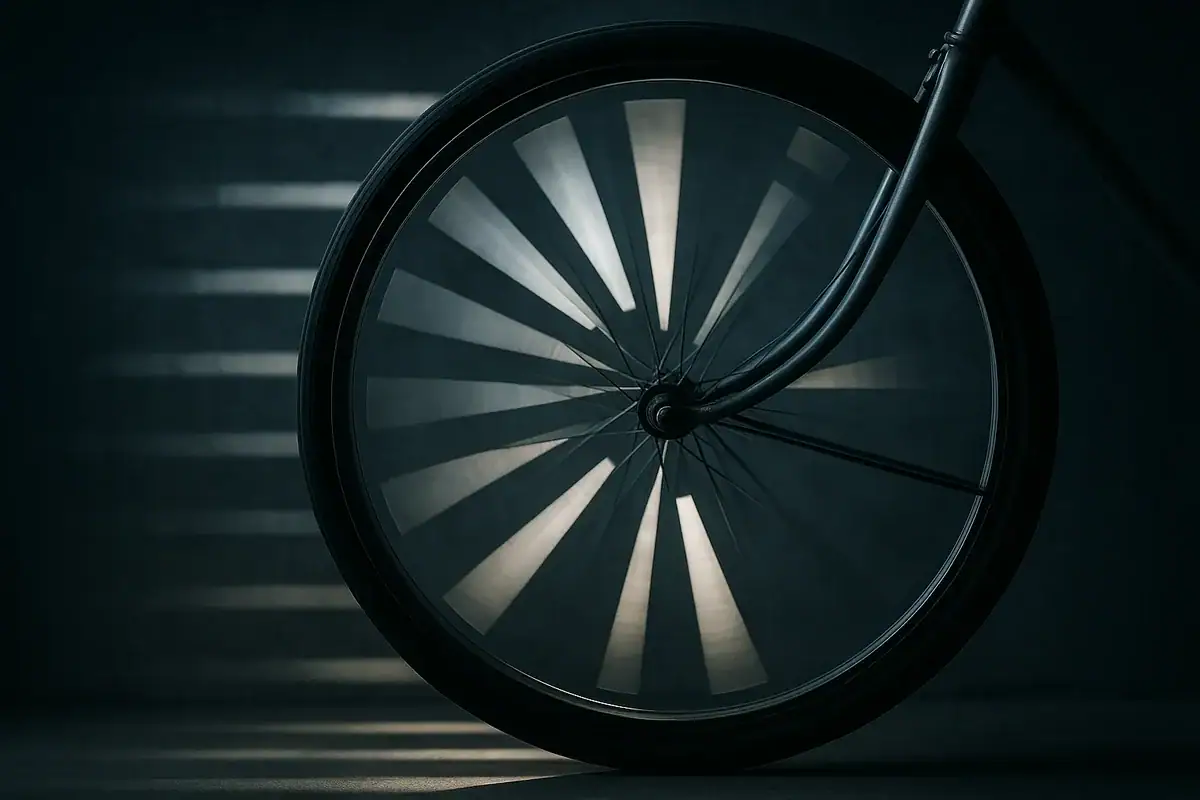
The strobe effect is an optical phenomenon that creates the illusion that a moving object is slowed down, frozen, or even reversed. This effect, fascinating yet sometimes deceptive, relies on an interaction between pulsed light and human perception. You have likely observed it with a bicycle wheel on television or under LED lights.
Contenus
afficher
In this article, we will look together at: a simple and scientific definition of the strobe effect, how it works, its practical applications (industry, medicine, art), its limitations and dangers, as well as answers to frequently asked questions. You will also find practical cases, a comparative table, and expert advice to better understand and utilize this phenomenon.
Definition and Principle of the Strobe Effect
The strobe effect is an optical illusion observed when a moving object is illuminated by a pulsed light at a given frequency. Under these conditions, the object may appear slowed down, stationary, or even moving in reverse, even though it is actually continuing its normal motion.
The term comes from ancient Greek: strobos (“whirl”) and skopein (“to observe”). The effect has been studied since the 19th century with the invention of the stroboscope, an instrument used to analyze rapid movements in scientific, industrial, and artistic fields.
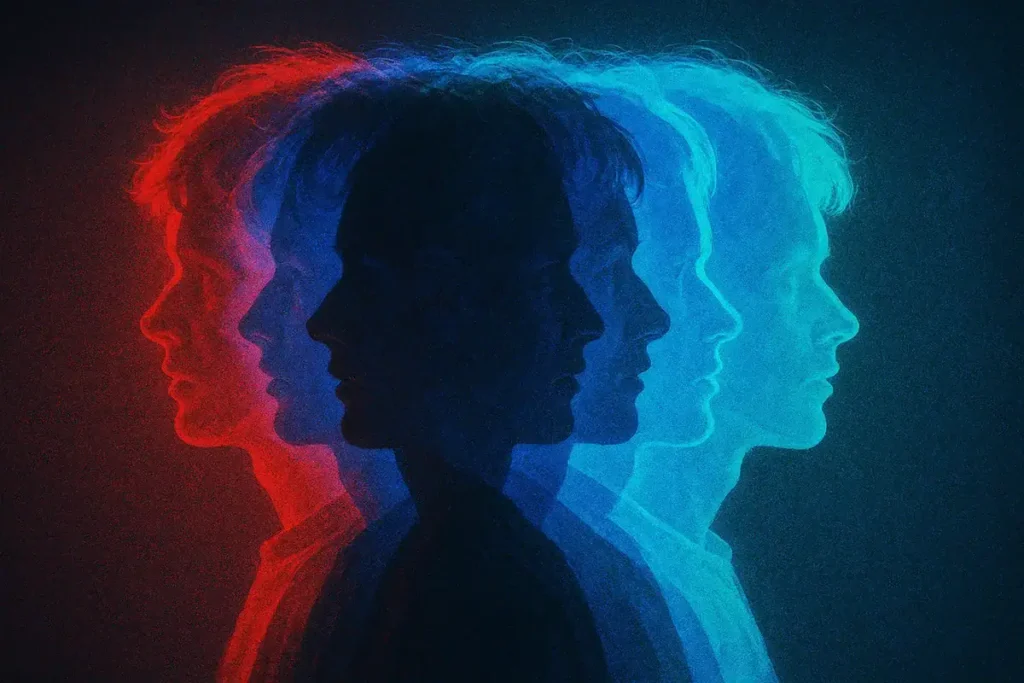
The mechanism relies on retinal persistence: the eye briefly retains an image for a few milliseconds. When flashes of light follow each other at regular intervals, the brain merges these images, creating an impression of continuity or offset. This is how a filmed wheel can appear to be spinning in reverse, or how a fan illuminated by a strobe light seems frozen despite its rotational speed.
How Does the Strobe Effect Work?
The Role of Light Frequency
The light frequency, that is, the number of flashes emitted per second, is the key element of the strobe effect. If this frequency perfectly matches the rotational speed of an object, it appears stationary to the human eye. If it is slightly lower, the object appears slowed down. Finally, when it is slightly higher or out of sync, it may seem like it is turning in the opposite direction. This effect is easily observable with fans, drills, or bicycle wheels illuminated under pulsed light.
In practice, it is this phenomenon that allows stroboscopes to be used as measuring tools: by adjusting the light frequency until the object appears frozen, one can deduce its exact rotational speed.
Interaction Between Rotation Frequency and Light Frequency
The strobe effect is directly related to the gap between the frequency of the object and that of the light. When the two frequencies are not identical but very close, the eye perceives a gradual offset: the object appears to move slowly forward or backward, while it is actually moving much faster. This is the same principle as the beating effect in music, where two almost identical sounds create a third perceptible frequency.
This interaction is so precise that it allows, for example, analyzing vibrations or micro-mechanical defects without stopping a moving machine.
Concrete Example: Wheel Appearing to Turn Backward
One of the most well-known examples is that of wheels filmed in cinema or on television. Cameras capture a limited number of frames per second (24, 30, or 60 fps). If the rotational speed of the spokes of the wheel is not synchronized with this rhythm, the brain reconstructs an illusion where the wheel seems to spin slowly, come to a stop, or even turn backward. This phenomenon is also widely used in special effects to create intriguing visual illusions.
This principle also explains why certain everyday objects, like helicopter blades or fan blades, sometimes appear strangely frozen or reversed in a video or under flickering LED light.
Applications of the Strobe Effect
In Industry: Diagnosis and Maintenance of Machines
Stroboscopes allow for checking the rotational speed of motors, detecting vibrations or defects without stopping machines. It is a precision tool used in industrial maintenance.
In Medicine: Motion Analysis and Visual Tests
Some stroboscopic devices are used to study the voice, vocal cords, or even visual reflexes. They also assist in diagnosing neurological disorders related to motion perception.
In Art and Entertainment: Nightclubs, Cinema, Optical Illusions
Stroboscopes are famous for creating hypnotic visual effects in nightclubs or theaters. In cinema, they simulate slow motion or distortions of movement.
In Daily Life: Perception in LED and Fluorescent Lighting
Some home or office lighting generates a subtle strobe effect, sometimes invisible to the naked eye but perceptible with a camera or on moving objects (fans, drills, wheels).
Comparison Table: Advantages, Limitations, and Uses of the Strobe Effect
| Contexte | Benefits | Limitations | Examples of Use | Safety Precautions |
|---|---|---|---|---|
| Industry | - Contactless measurement of very high speeds - Vibration and anomaly detection - Reduced machine downtime | - Illusion of stillness that can lead to accidents - Requires trained operators | - Engine diagnostics - Quality control on production lines - Study of fluids and materials in motion | - Always shut off machines before servicing - Wear safety glasses - Use only for observation purposes |
| Medicine | - Observation of movements invisible to the naked eye - Non-invasive analysis - Aids in diagnosing motor disorders | - May cause visual discomfort - Use limited to certain specialties | - Vocal cord examination - Visual and neurological testing - Functional rehabilitation | - Use under medical supervision - Limit exposure duration - Avoid with photosensitive patients |
| Art & Entertainment | - Creates unique visual atmospheres - Hypnotic and immersive effects - Simulates slow motion without heavy technology | - Risks for people with epilepsy - Eye strain with prolonged exposure | - Nightclubs and concerts - Theater and cinema - Interactive art installations | - Follow light frequency standards - Clearly indicate the presence of stroboscopic effects - Limit sequence duration |
| Everyday Life | - More energy-efficient LED lighting - Modern aesthetics and light effects | - Flicker that can disturb vision - Unintentional stroboscopic effect on moving objects | - Home and office lighting - Interactive decorative objects - At-home science experiments | - Choose quality LEDs (low flicker) - Prefer products that meet safety standards - Avoid prolonged exposure in sensitive environments |
| Decorative & Educational Objects | - Fusion of science and art - Fun introduction to physical phenomena - Original and educational gifts | - Misleading perception if not properly explained - Depends on optimal lighting conditions | - Stroboscopic lamps - Slow Motion frames - School experiments and demonstrations | - Always explain the principle to children - Handle with care - Monitor light exposure |
Advantages and Limitations of the Strobe Effect

A Precision Tool for Measuring Speeds
The main advantage of the strobe effect is its use as a non-intrusive measuring instrument. Thanks to stroboscopes, it is possible to evaluate the rotational speed of a mechanical part, a motor, or a fan without touching the moving object. This method is valuable in industry, in scientific research, as well as in educational laboratories, as it allows for direct and safe observation.
For example, a technician can adjust the light frequency of a strobe light until the object appears stationary. The frequency then corresponds exactly to the rotational speed of the object, providing a quick, precise, and reliable measurement.
A Creative Support for Art and Entertainment
The strobe effect is not only a scientific tool: it is also a source of artistic inspiration. In shows, concerts, and nightclubs, stroboscopes create hypnotic atmospheres by playing with the perception of movements. In film, this effect is used to simulate slow motion or give a surreal impression to action scenes.
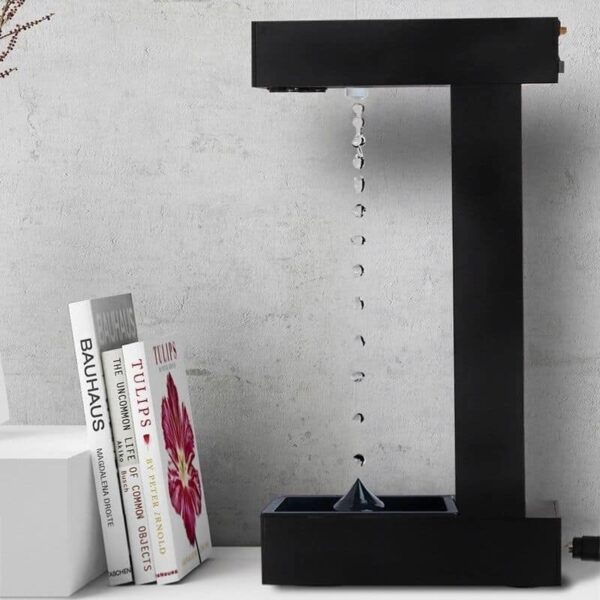
Moreover, some decorative and scientific objects exploit this effect to amaze the audience. For instance, the Slow Motion Frame or some stroboscopic lamps transform the motion of light objects (feathers, water drops, leaves) into a captivating show, straddling the line between science and art.
Limitations and Risks: Dangerous Illusions, Visual Fatigue
Despite its advantages, the strobe effect has important limitations. In an industrial context, a moving machine may appear stationary while it is still spinning at high speed: a danger that can lead to serious accidents if the perception deceives the operator.
Prolonged exposure to repetitive light flashes also leads to eye fatigue, headaches, and can trigger epileptic seizures in photosensitive individuals. This is why the use of stroboscopes in shows is regulated, and LED lighting manufacturers must adhere to flicker standards to reduce this involuntary effect.
Practical Cases: Understanding Through Concrete Examples
- Fan Under LED Light: it may seem to stop or change speed depending on the flash frequency of the lamp.
- Drill in Operation: under a properly set strobe light, it appears stationary while spinning at full speed.
- School Experiment: a wheel or disc illuminated by a strobe lamp allows students to see fascinating illusions and understand the role of frequency.
- Slow Motion Frame: thanks to a stroboscopic lighting system, light objects like a feather float in slow motion, creating a hypnotic illusion. These devices, both scientific and decorative, are available in our anti-gravity lamp collection.
Mistakes to Avoid with the Strobe Effect
- Confusing a visually frozen object with a real stop.
- Using a stroboscope without safety precautions.
- Underestimating the risks for photosensitive individuals.
Frequently Asked Questions About the Strobe Effect
Why Does a Wheel Appear to Turn Backward on TV?
Due to the frame rate of the cameras (24, 30, or 60 fps) which poorly synchronizes with the wheel’s rotational speed. This creates an illusion of reversed movement.
What is the Difference Between a Stroboscope and an LED Light?
A stroboscope is designed to produce flashes of light at a controlled frequency, while standard LEDs emit continuous light (although some may produce an involuntary strobe effect).
Can the Strobe Effect be Reproduced at Home?
Yes, with an adjustable strobe light, a camera, or even some scientific toys like Slow Motion Frames. It’s a playful way to understand the physics of motion.
Is the Strobe Effect Dangerous for the Eyes?
It does not directly damage vision, but it can cause fatigue, discomfort, or trigger seizures in sensitive individuals. Moderate and safe use is recommended.
Expert Tips for Better Understanding and Utilizing the Strobe Effect
- Start with Small Experiments: bicycle wheel, fan, drill.
- Always Precisely Adjust the Light Frequency: if it’s too far, the effect disappears; if too close, it becomes deceptive.
- Protect Your Eyes and Health: limit exposure duration to light flashes.