Free Shipping on Orders Over $50

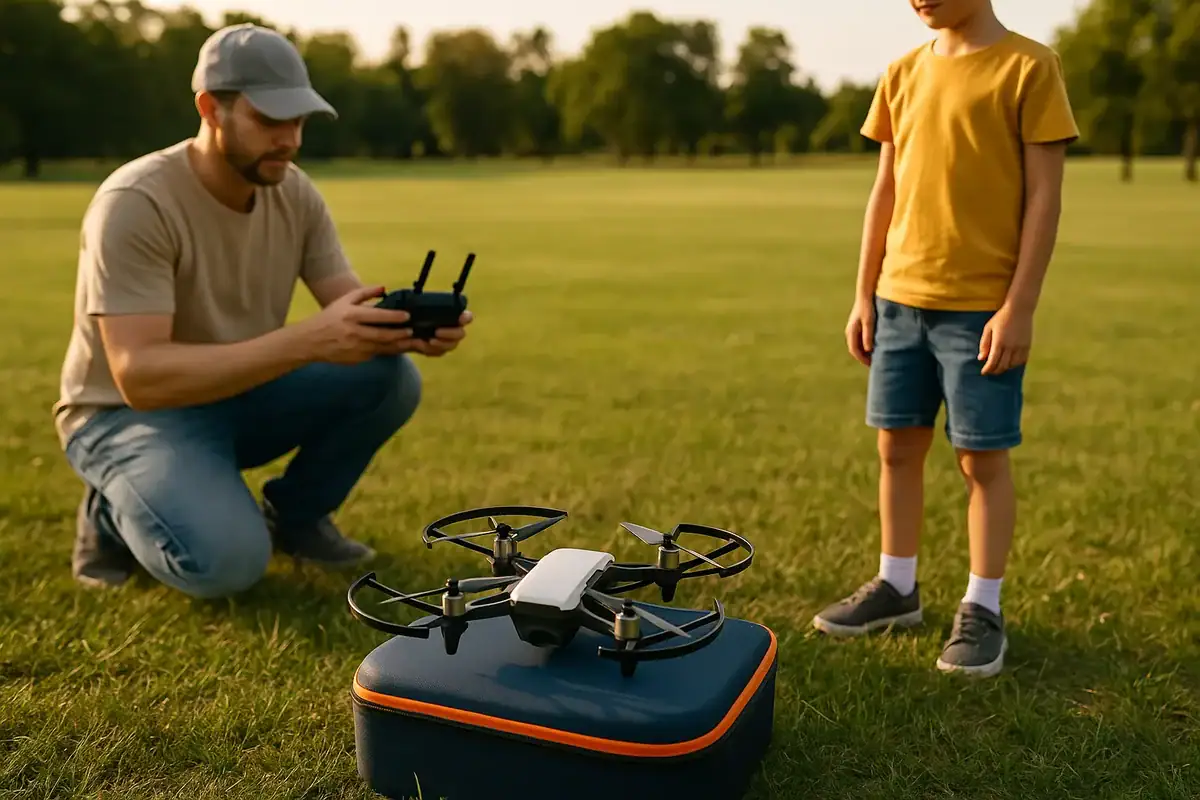
Piloting a drone is attracting more and more young technology and science game enthusiasts. But learning to maneuver a drone requires patience, progression, and above all, a safe environment. In this article, you will discover step by step how to introduce a child to flying, as well as the best practices to adopt.
Contenus
afficher
Why learn to fly a drone from childhood?
The drone for kids is more than just a toy: it’s an educational tool. It stimulates coordination, develops fine motor skills, and encourages self-confidence. For older kids, it can also become a creative tool through video or even a springboard into programming flight paths. In short, it’s a playful activity that combines fun and learning.
Preparing the ground before the first flight
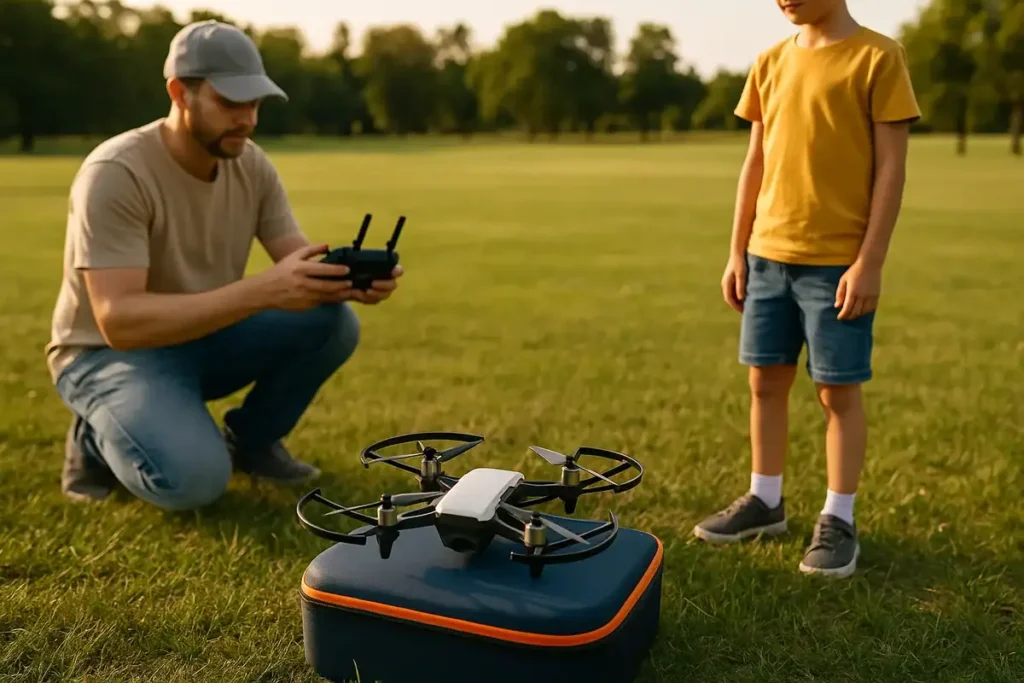
A successful learning experience requires serious preparation. Even before taking off, it’s important to choose a suitable environment:
- A clear space, free from obstacles (spacious living room, garden, quiet park).
- Stable weather conditions: no wind, no rain.
- Parental supervision to ensure the activity is safe.
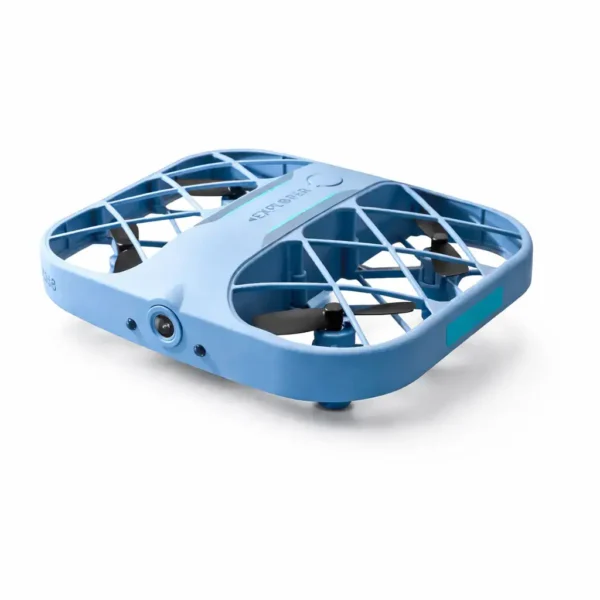
At this stage, a crash-proof mini drone is ideal: it allows children to test without fear, learn to keep the device in a hover, and avoid the frustration of repeated crashes.
Select options
This product has multiple variants. The options may be chosen on the product page
Unbreakable Kids Drone Toy
Price range: $45.99 through $68.99Learning the basics of piloting
This is often the stage where the child encounters their first difficulties. Even before taking off, they must understand the logic of the remote control or mobile app. This may seem obvious to an adult, but for a child, coordinating their hands with the drone’s reaction is not always natural. Many become discouraged here because the slightest abrupt movement sends the device in an unexpected direction. That’s why it is essential to take the time to calmly explain the correspondence between each command and the drone’s action.
Once this understanding is established, one can move on to the fundamental maneuvers:
- Takeoff and landing: this is the first significant achievement. The child learns to raise the drone a few inches and then gently place it down on a flat surface. Once these two movements are mastered, confidence builds.
- Hovering: keeping the drone stationary at a constant height is a real challenge. This is often where the child struggles: they must manage small adjustments to compensate for the drone’s natural drift without overreacting. This work develops their patience and sense of fine control.
- Small movements: moving forward, backward, shifting left or right, while keeping the drone visible and stable. This forces the child to coordinate multiple movements and to anticipate. The first attempts may be clumsy, but every small progress is a victory.
It is recommended to limit sessions to 2 or 3 minutes at the beginning. Not because the drone can’t fly longer, but because a child’s concentration wanes quickly. Short sessions, repeated regularly, create smooth progress and avoid frustration. The goal is not to fly for long, but to build a solid foundation of confidence and skill.
Tip: some parents use “simple challenges” to motivate their child, such as successfully completing three perfect takeoffs/landings in a row, or maintaining a hover for 5 seconds. These mini-goals turn learning into a game and prevent feelings of failure.
Step-by-step progression
Once the basics are grasped, it’s important to progress gradually to avoid frustration. Each stage represents a small challenge that reinforces confidence and prepares for the next:
- Step 1 – Takeoff and landing: learning to take off a few inches and land gently. This mastery reassures the child and gives them a first feeling of control.
- Step 2 – Hovering: keeping the drone stationary at a stable height. This is often the most challenging exercise as it requires fine corrections and patience.
- Step 3 – Simple movements: moving forward, backward, going left or right without losing balance. This develops coordination and anticipation.
- Step 4 – Combining movements: drawing a square, a circle, or following a small course. This turns piloting into a game, motivating the child.
- Step 5 – Basic tricks: once comfortable, testing flips, headless mode, or other fun features. The goal is not performance, but the pleasure of experimenting.
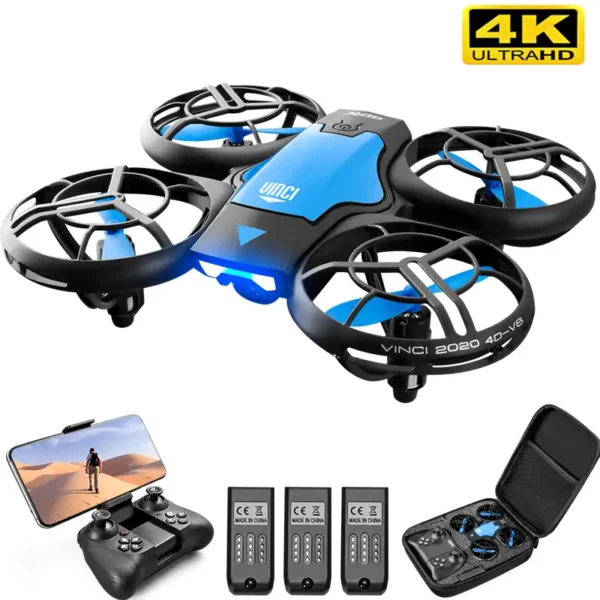
At this stage, the child has enough skill to use a drone with a camera. Filming their flights, reviewing their paths, or capturing images adds a creative dimension that keeps them motivated.
Select options
This product has multiple variants. The options may be chosen on the product page
Kids Camera Drone Toy
Price range: $91.99 through $114.99Tips for faster learning
Some reflexes significantly speed up the learning process:
- Breaking sessions into several short flights rather than one long flight.
- Always taking off from a stable, flat surface.
- Anticipating obstacles: avoiding walls, trees, or fragile objects.
- Having several batteries on hand to maximize tries.
These good practices allow the child to progress in a motivating and secure environment.
Moving to the next level
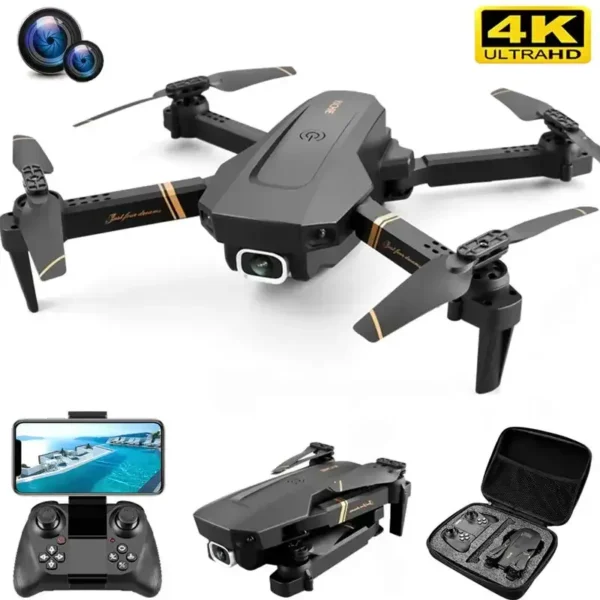
When the child masters the basics, it’s possible to move on to more advanced models. Drones for teenagers offer:
- A better battery life (up to 20 minutes).
- A control via smartphone through Wi-Fi.
- A HD or 4K camera for more creativity.
- A foldable design, easy to carry.
This is the perfect transition to more advanced piloting, which retains a playful aspect but introduces concepts of trajectory and battery management.
Select options
This product has multiple variants. The options may be chosen on the product page
Kids Drone for Teens
Price range: $97.99 through $126.99Common mistakes to avoid
Here are the pitfalls that beginners often fall into:
- Trying to jump straight into a “4K” drone without mastering the basics.
- Flying in moderate wind (even if it seems light for an adult).
- Letting the child pilot without supervision.
- Neglecting the maintenance of batteries and propellers.
Avoiding these mistakes ensures steady progress and a positive experience.
Quick FAQ
How long does it take to learn? In just a few short sessions, a child can already maintain a stable flight. True progression happens through regular practice.
Should you start with a simulator? Not necessary: a sturdy mini-drone is the best teacher.
What battery life should you aim for? Between 6 and 15 minutes is sufficient for learning. It’s better to have multiple batteries than to have long, tiring sessions.
Camera or no camera? Not essential at the start. But once the child masters piloting, the camera adds a creative and motivating aspect.
If you are still at the stage of choosing your child’s drone, we have created an article to guide you: Which drone for kids.