Free Shipping on Orders Over $50

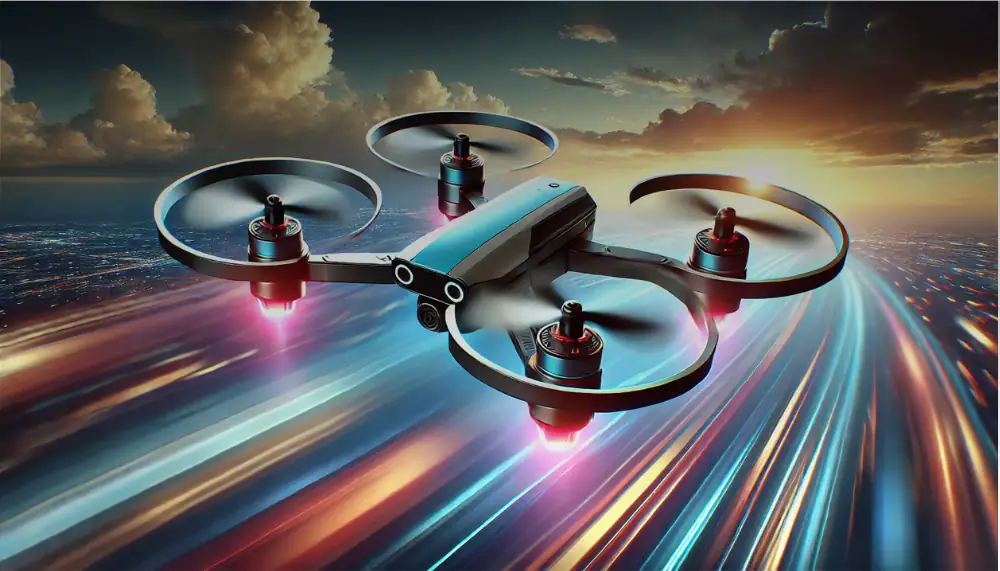
Giving a drone to a child is much more than just a gadget: it’s opening the door to discovery, fine motor skills, and technological initiation. The trap is aiming too high (and discouraging them) or too low (and boring them). This guide provides a clear framework, age and usage guidelines, practical safety advice…
Contenus
afficher
Understanding the right level to avoid “burning” the learning
Before age 8, prioritize robustness, propeller protections, and immediate enjoyment (automatic takeoff/landing, altitude hold). Between ages 8 and 12, add a creative dimension (camera, small outdoor flights in calm weather). After age 12, opt for more comprehensive models: better battery life, finer handling, sometimes smartphone piloting and advanced functions.
Golden rule: a drone for kids that forgives mistakes at the beginning = a child who progresses quickly and maintains confidence. A model that is too advanced too soon often ends up… in the closet.
Select options
This product has multiple variants. The options may be chosen on the product page
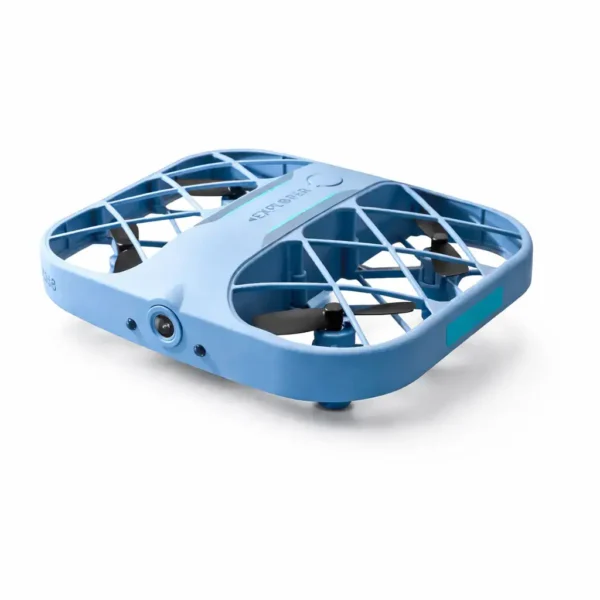
Unbreakable Kids Drone Toy
Price range: $45.99 through $68.99Choosing by age (and temperament)
6–8 years: stick to secure, lightweight mini-drones that are very maneuverable. The goal is to master movements and space. Flights are mostly indoors or in very calm, open outdoor areas.
8–12 years: the child seeks to explore: small camera, some tricks, a bit more autonomy. Start alternating between indoor and outdoor, always under supervision.
12+ (teens): they want “a real drone”: better video return, more serious stabilization, longer battery life. Keep safety automation, but accept a more technical learning curve.
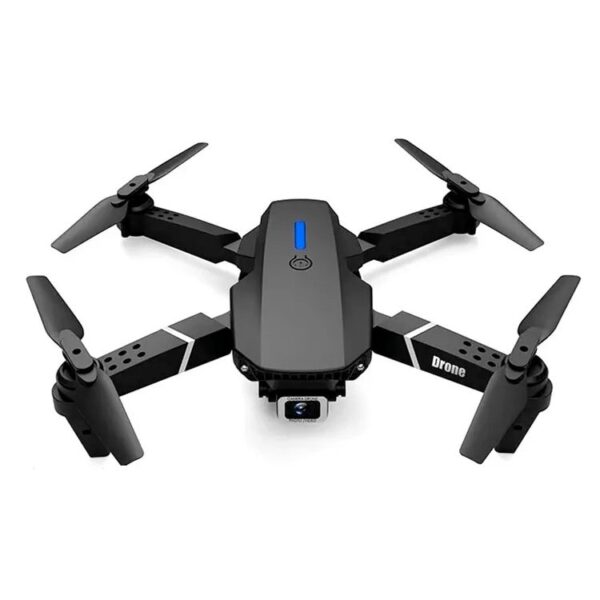
Mini Toy Drone
$34.99The criteria that really matter (and those we overestimate)
To prioritize: propeller protections, beginner mode, stability (hover), auto takeoff/landing, simplicity of the remote control, actual battery life (plan for 2–3 batteries), and durable materials (ABS). If there is a camera, 720p/1080p is sufficient to start; the goal is to learn to fly, not to shoot a clip.
To put into perspective: “4K” on a very entry-level model is useless if the flight is unstable. The same goes for range: we fly in sight, over short distances, in open areas. Better to have a fun and repeatable experience than theoretical specs.
Select options
This product has multiple variants. The options may be chosen on the product page
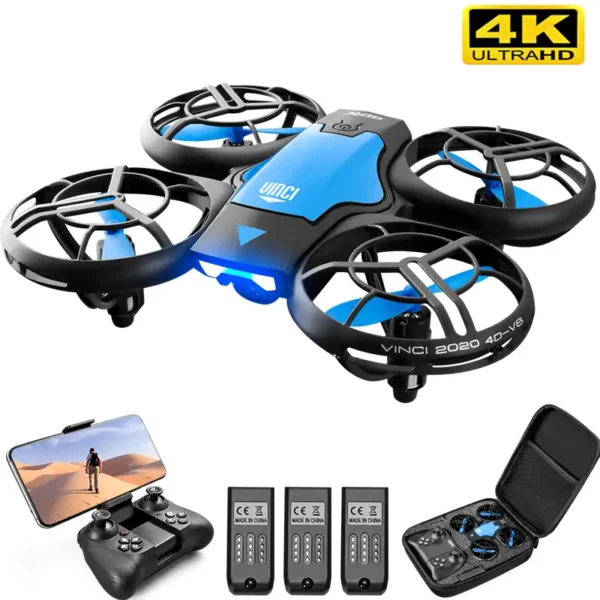
Kids Camera Drone Toy
Price range: $91.99 through $114.99Budget & expectations: finding the balance
Below €40–60, think “initiation.” You taste piloting, test coordination, you have fun quickly. Between €70 and €120, you move to more complete drones (better stabilization, basic video return, accessories). Beyond that, you shift to a “teen” experience: longer battery life, app control, foldable, better video return. The significant upgrade is justified if the child is really into it and wants to pilot more often.
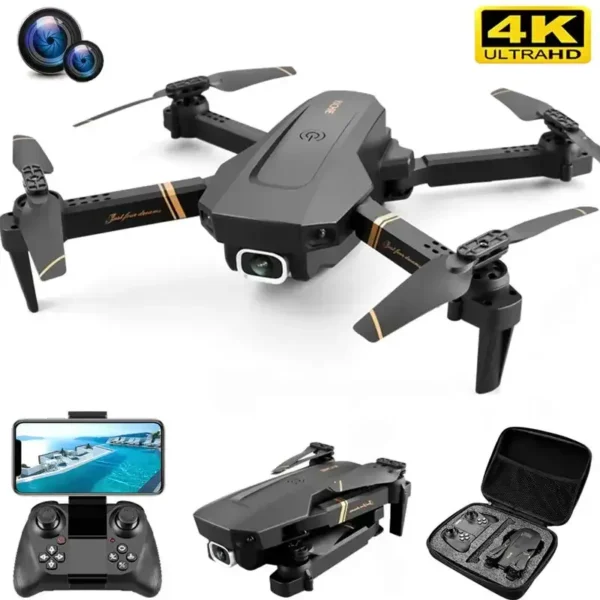
Select options
This product has multiple variants. The options may be chosen on the product page
Kids Drone for Teens
Price range: $97.99 through $126.99Reference table (age → autonomy → usage → what type of model?)
| Age | Typical Flight Time | Main Use | Priorities | Recommended Product |
|---|---|---|---|---|
| 6–8 | 6–10 min | Indoor, very calm outdoor | Propeller guards, simplicity, durability | Unbreakable Kids Drone Toy |
| 6–8 (curious beginners) | 10–15 min | Light indoor/outdoor | Foldable, intuitive, gyroscope | Mini Toy Drone |
| 8–12 | 10–15 min | Recreational flying + basic video | 720p/1080p camera, stability | Kids Camera Drone Toy |
| 12+ (teens) | 15–20+ min | More frequent flights, mobile app control | Foldable, Wi-Fi, smartphone control | Kids Drone for Teens |
Safety tips (simple, but non-negotiable)
Fly in direct sight, away from roads and people; avoid wind; stay under a reasonable altitude; respect privacy if the camera is activated; and always supervise a child. These reflexes become natural and make the experience safe and enjoyable.
- Start with short and repeated sessions (2–5 minutes), then extend.
- Equip the drone with propeller protections and keep a set of spare propellers.
- Charge and cool the batteries properly, never force them.
Common mistakes to avoid (field feedback)
Aiming for 4K right away when the child has never piloted; flying outside in “light” wind (which is never light for a mini-drone!); exhausting the battery in one flight instead of breaking it up; or piloting in a cluttered living room. A good setup is an open space, simple goals, and a parent who encourages instead of configuring everything.
FAQ
What autonomy to aim for? Between 6 and 15 minutes is realistic for a kid’s drone. The secret is to have 2–3 batteries to chain mini-sessions.
Is a camera essential? Not at first. If the child is interested, the camera becomes a creative bonus: 720p or 1080p is more than enough for fun.
Indoor or outdoor? Indoor first (or garden without wind), then calm outdoor. We do not fight weather: we avoid it.
Once the choice of drone is made, the next step is learning. We explain everything in our dedicated article: How to learn to pilot a drone for kids?