Free Shipping on Orders Over $50
The Scientific Context Before the Invention
Contenus
afficher
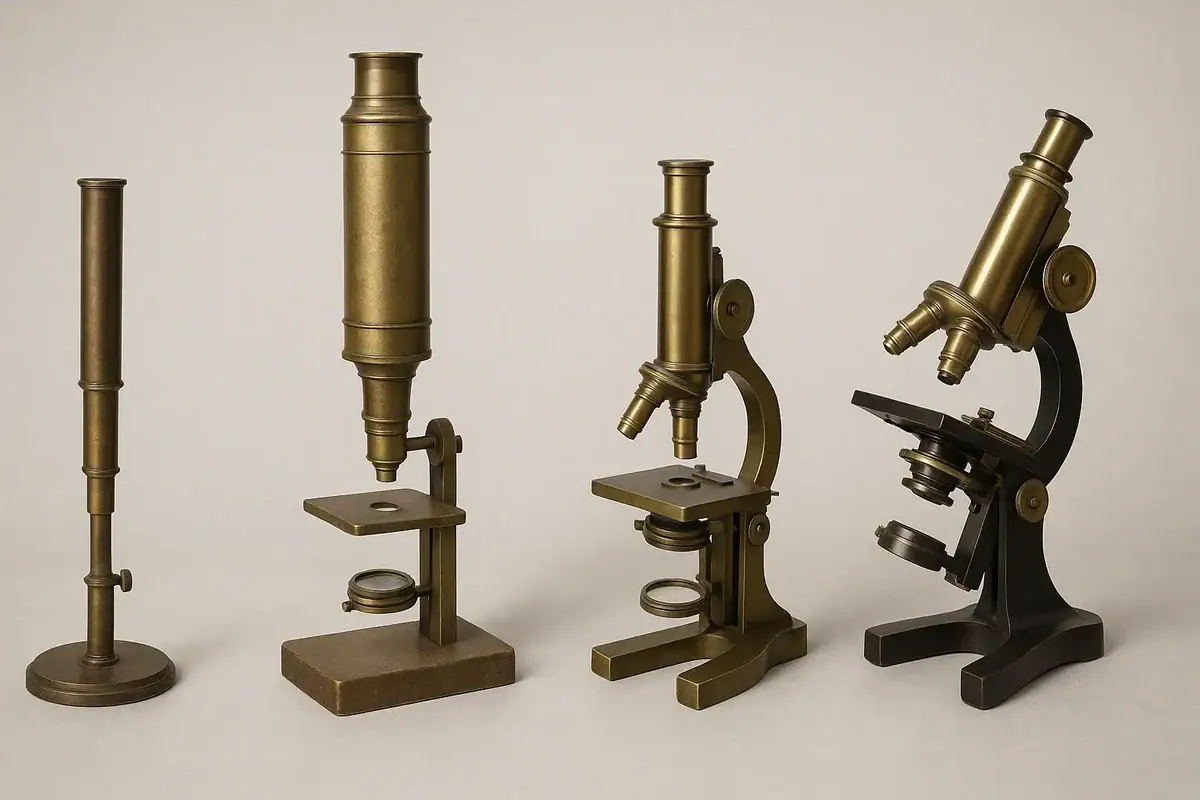
Before the invention of the microscope, understanding the microscopic world was very limited. Scientists depended on observations with the naked eye, which restricted their ability to explore biological details. By the end of the 16th century, the thirst for discovery and the rise of the Renaissance stimulated the creation of instruments capable of extending human perception.
This period saw the emergence of various optical instruments that laid the groundwork for major discoveries. The ingenuity of inventors thus set the stage for upcoming scientific and medical revolutions, paving the way for the emergence of the child’s microscope, an introductory tool that today allows younger generations to explore this invisible world.
Toy Microscope
$40.99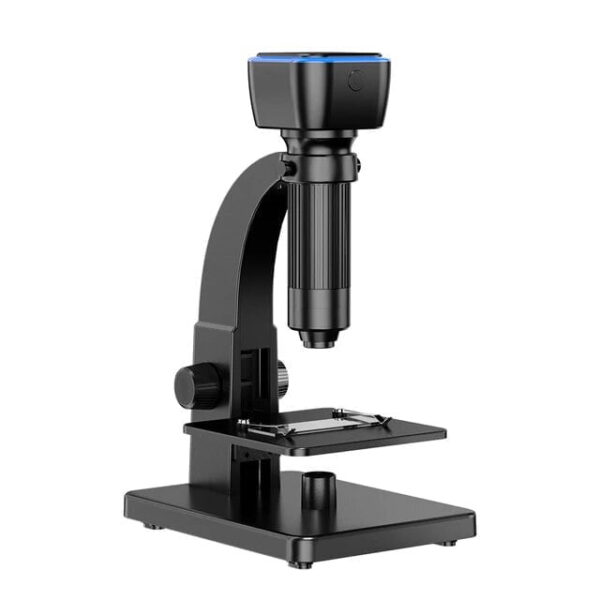
Digital Microscope
$172.99The First Optical Instruments: Magnifying Glass and Lenses
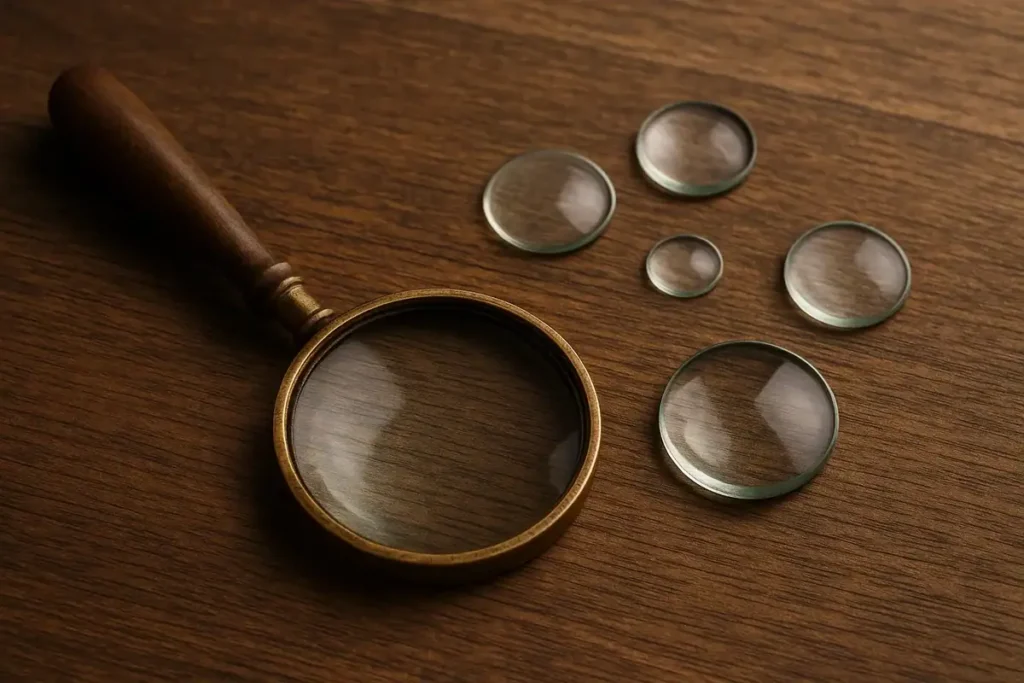
The first attempts at visual amplification were born with the magnifying glass and lenses, which enlarged the appearance of objects. Although rudimentary, these tools laid the foundation for advancements in optics.
Lens makers refined these lenses, leading to more complex devices capable of revealing details invisible to the naked eye. This gradual evolution was crucial for the emergence of the compound microscope.
Hans and Zacharias Janssen: Pioneers of the Compound Microscope
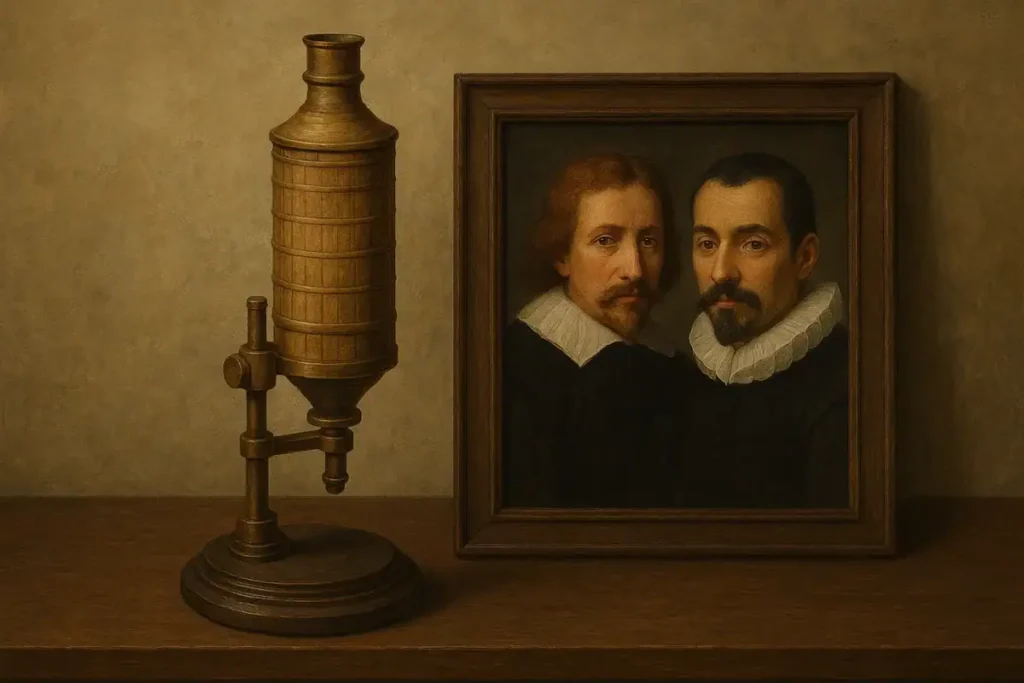
Hans and Zacharias Janssen, two Dutch lens makers, are often credited with the invention of the compound microscope. Their work on multiple lenses allowed them to exceed the capabilities of simple magnifying glasses.
Their innovation used multiple lenses to amplify the image, opening a new era of scientific exploration. Their advances inspired many researchers to pursue this promising path.
Galileo Galilei and His Role in Improvement
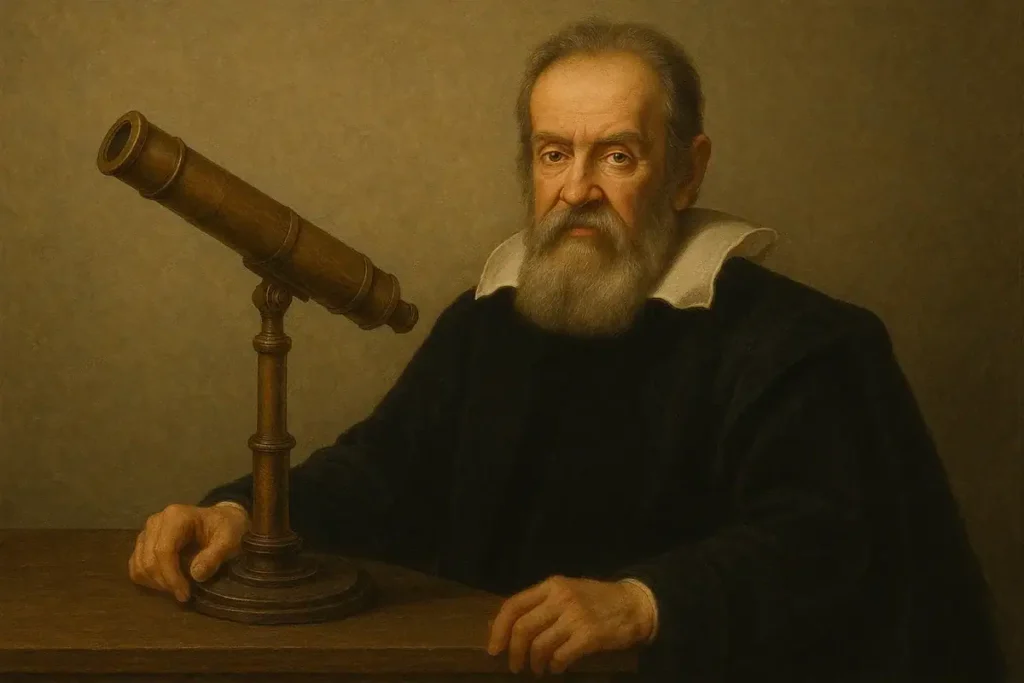
Galileo Galilei, known for his work in astronomy, also improved the design of the microscope in the early 17th century. He refined the quality of the lenses and increased the magnification power.
Thanks to his innovations, the microscope became a more precise and accessible tool, promoting its adoption in scientific research and biological observation.
Antonie van Leeuwenhoek: The Father of Microbiology
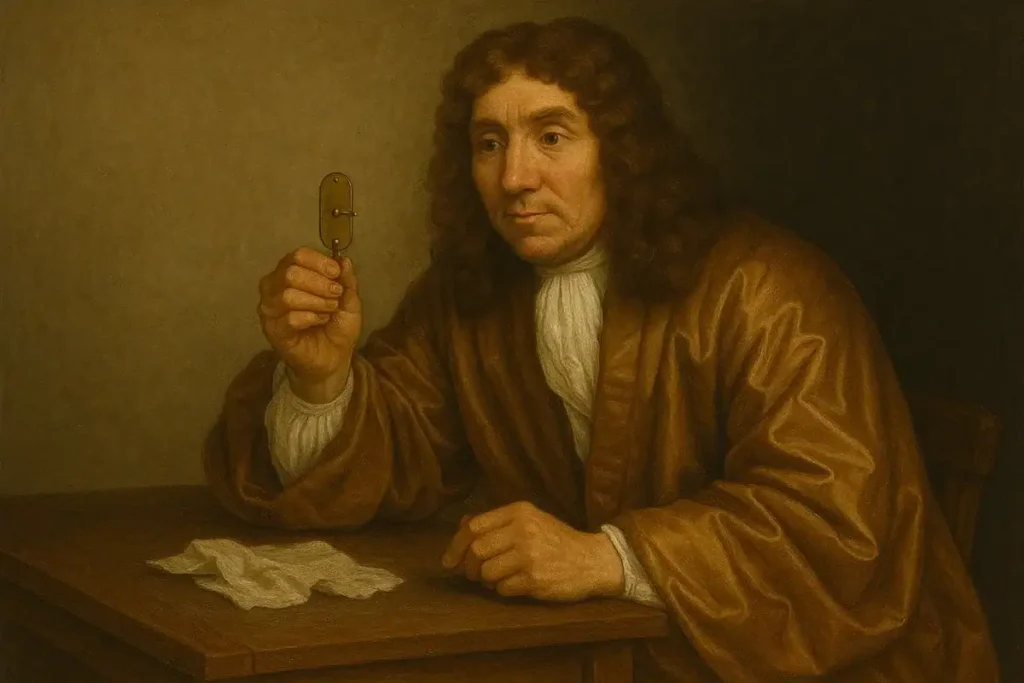
Antonie van Leeuwenhoek, a Dutch scientist, is often referred to as the father of microbiology. He did not invent the microscope, but he refined its design with very powerful models.
He was the first to observe and describe micro-organisms such as bacteria and protozoa. His work expanded our understanding of the microscopic world and laid the foundation for modern microbiology.
Robert Hooke and the Cell: A Historic Discovery
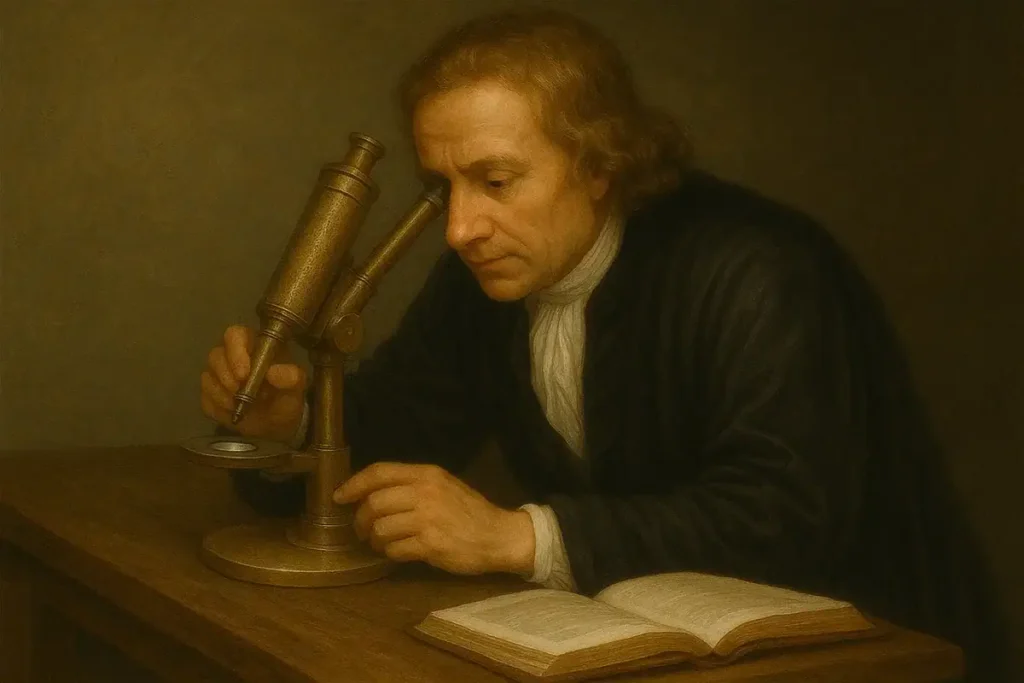
Robert Hooke, an English scientist, made a major mark in cellular biology. By observing a piece of cork under the microscope, he identified the first cellular structures and introduced the term “cell”.
This discovery was crucial for the study of living organisms. It established the cell as the fundamental unit of life and launched the foundations of modern biology.
Evolution of the Microscope Between the 17th and 19th Century
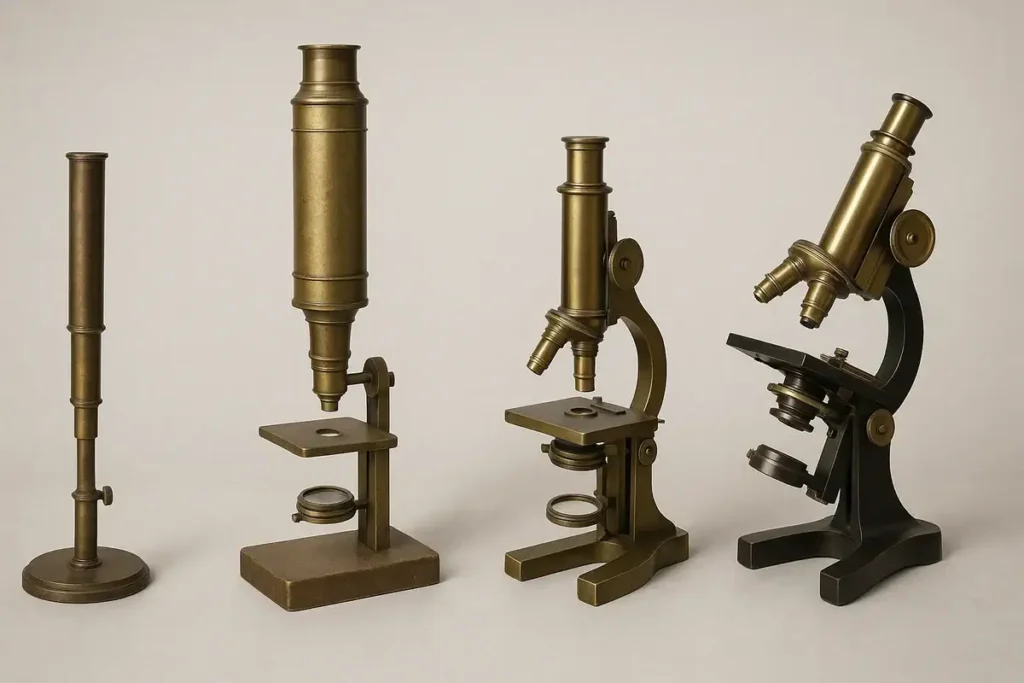
Between the 17th and 19th centuries, the microscope evolved from a simple observation tool to an indispensable research instrument. The improvement of lenses and lighting systems allowed for an unmatched image quality.
These advancements facilitated significant discoveries in biology, medicine, and chemistry, transforming the microscope into a cornerstone of scientific laboratories.
Optical Microscope vs. Electron Microscope: Two Revolutions
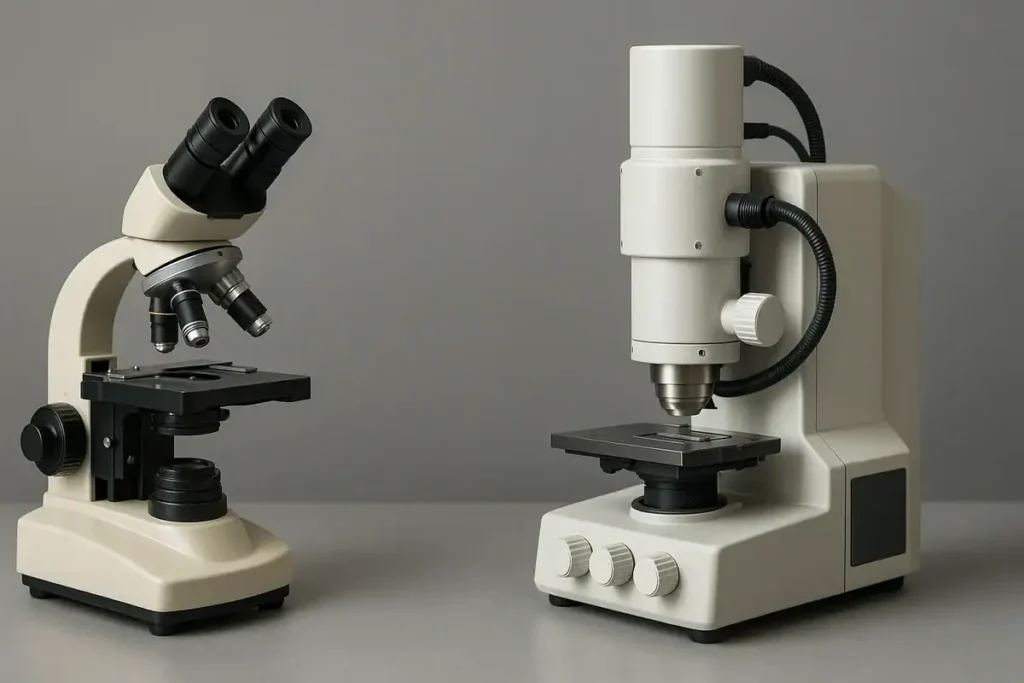
In the 20th century, the development of the electron microscope marked a major break. Unlike the optical microscope (glass lenses), it uses electron beams to produce images with extreme resolution.
The optical microscope remains ideal for observing living structures in real-time, while the electron microscope allows exploration of the molecular and atomic world. These two technologies have transformed our relationship with living organisms.
Conclusion: A Key Invention for Science and Medicine
The microscope is one of the most influential inventions in the history of science. It has enabled major advancements in biology, medicine, and many other disciplines.
Its role in identifying pathogens revolutionized medical diagnosis. Even today, it remains a central tool for scientific research, technological innovation, and education.